NSU Wankel-Spider Classic Cars for Sale
The NSU Wankel-Spider stands as the world’s first production car equipped with a rotary engine. Produced from 1964 to 1967, this two-seater roadster blends innovative engineering, distinctive design, and open-top driving pleasure. Its low production numbers and unique technology set it apart as a benchmark in automotive history.
Search results
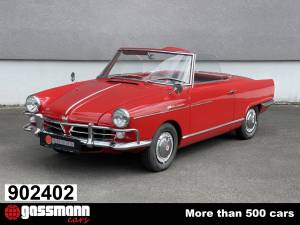
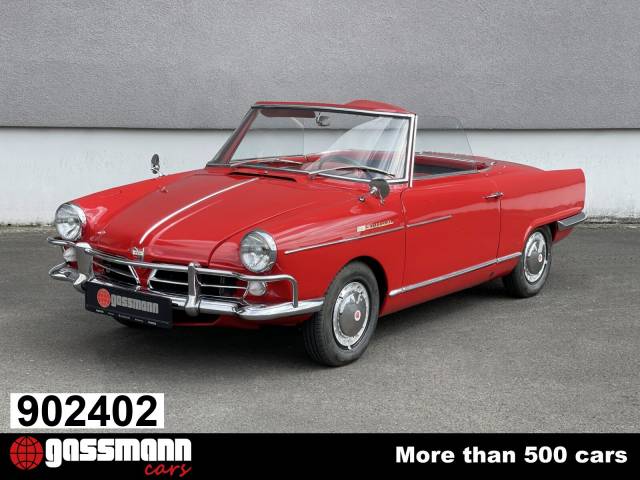
1965 | NSU Wankel-Spider
56 Wankel Spider

NSU Wankel-Spider listing references from Classic Trader
Below you will find listings related to your search that are no longer available on Classic Trader. Use this information to gain insight into availability, value trends, and current pricing for a "NSU Wankel-Spider" to make a more informed purchasing decision.
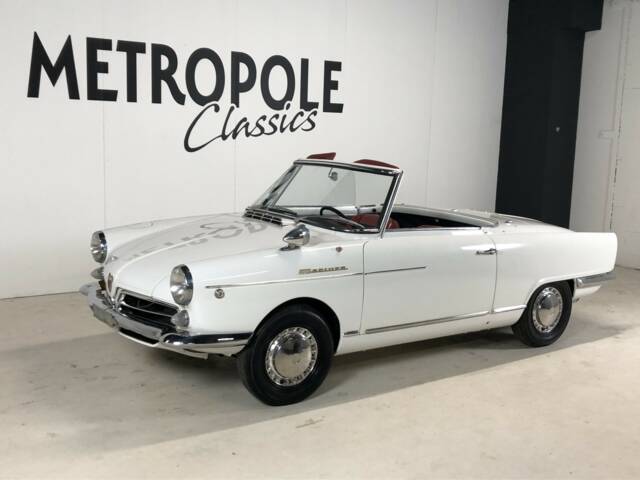
1966 | NSU Wankel-Spider
NSU Prinz Spider Wankel M0694

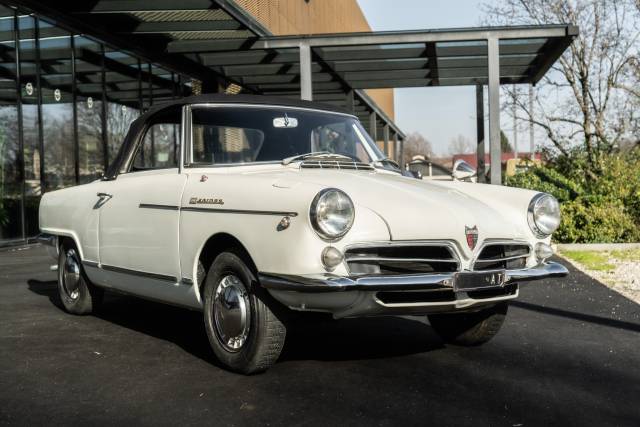
1970 | NSU Wankel-Spider

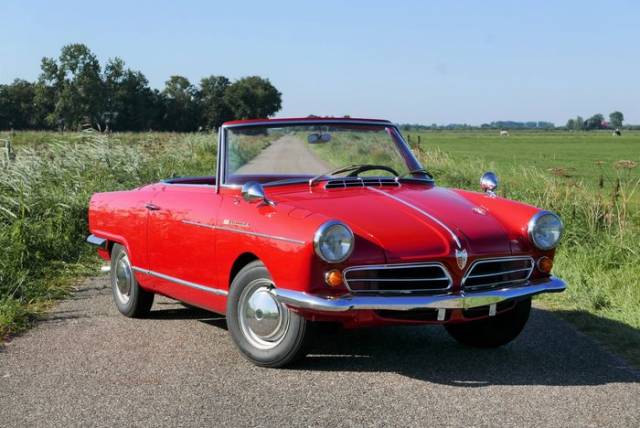
1966 | NSU Wankel-Spider
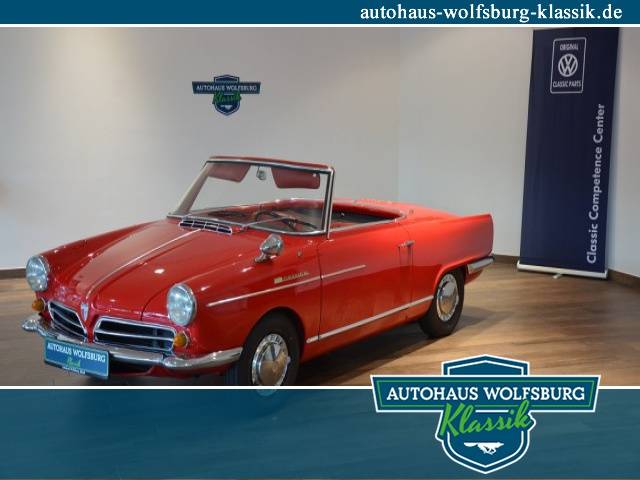
1967 | NSU Wankel-Spider
Wankel Spider Typ 56
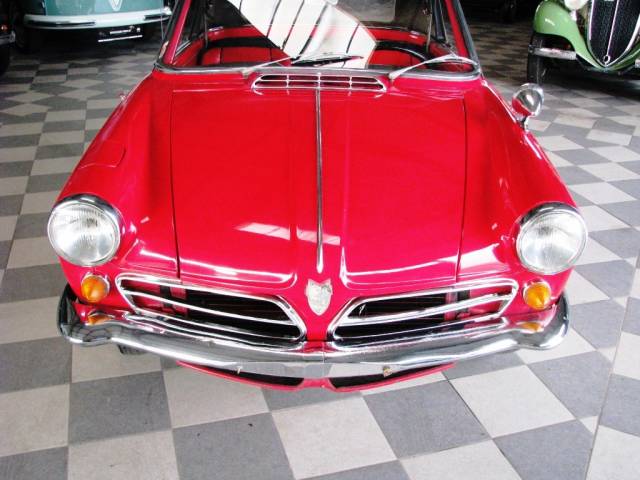
1966 | NSU Wankel-Spider

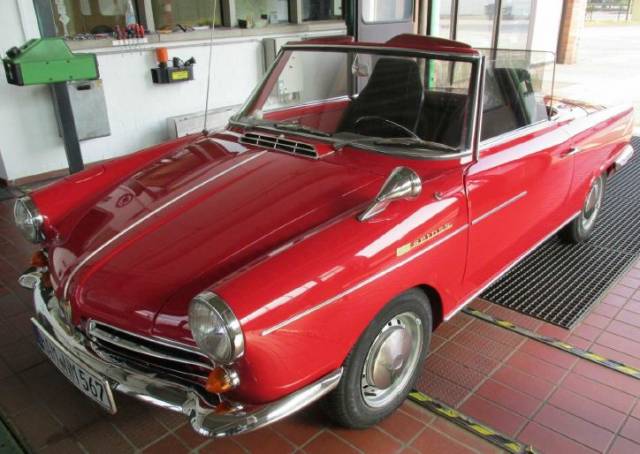
1967 | NSU Wankel-Spider
Top restauriert, mit komplett überholtem Ersatzmotor und Getriebe
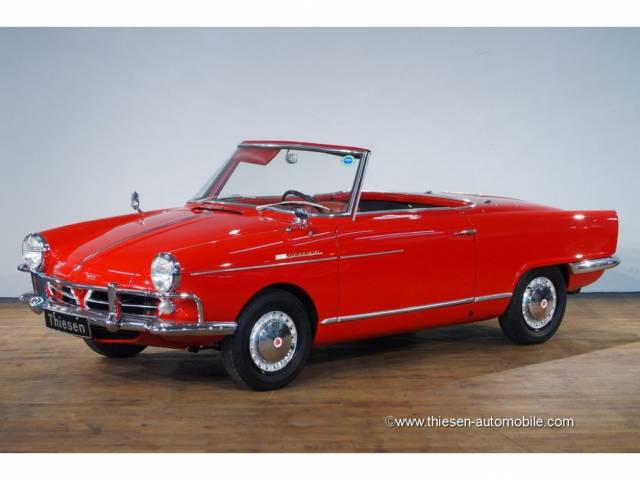
1965 | NSU Wankel-Spider
Untertitel 1965 NSU Wankel Spider
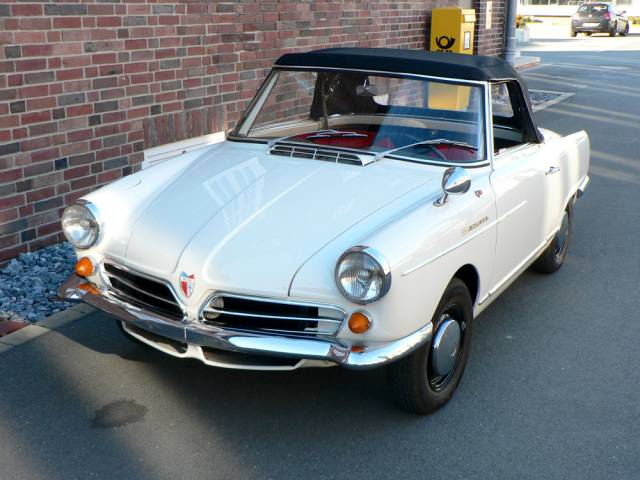
1967 | NSU Wankel-Spider
Er war das erste Sereinfahrzeug mit Wankel-Motor – sehr selten
NSU Wankel-Spider Classic Cars: Prices & Market Values
History of the NSU Wankel-Spider
The NSU Wankel-Spider marked a technological milestone by introducing the rotary (Wankel) engine to series production vehicles. Developed by NSU, who had been experimenting with Felix Wankel’s rotary engine concept since the 1950s, the Spider first appeared at the 1963 Frankfurt Motor Show (IAA). Production started in 1964 and finished in 1967 with a total of 2,375 cars built. The Spider’s cabriolet body borrowed design inspiration from its coupé sibling, the NSU Sport-Prinz, but all of its body panels were specific to the Spider. Sporting contemporaries lauded its elegant, everyday usability and exceptional engineering - especially the compact rear-mounted rotary engine and the innovative front-mounted radiator, which optimised weight distribution.
Model History
While the Wankel-Spider followed the lines of the Sport-Prinz, it was technically a new interpretation for NSU. Every exterior panel was newly engineered to accommodate the roadster construction and the folding fabric roof. The Spider remained in production until 1967 without a direct successor, though its technological DNA continued in the later NSU Ro 80. The model’s aim was clear: to prove the feasibility of rotary engine technology in everyday use and appeal to sporty drivers seeking a distinctive convertible experience.
Highlights of the NSU Wankel-Spider
The headline feature of the Wankel-Spider is its water-cooled rotary engine placed in the rear – a world first for a production vehicle at the time. Its innovative engineering allowed significantly more luggage space than conventional roadsters due to the compact rotary unit. The two-piece front grille and bespoke cabriolet-specific bodywork distinguish it from its coupé sibling. Only about 2,375 units were made, with an estimated 150 roadworthy examples believed to remain, underscoring the model’s rarity. Factory hardtops are particularly scarce today. The Spider often featured striking red paintwork with contrasting black-and-red vinyl interiors, cementing its period style.
In terms of supply and demand: NSU Wankel-Spider listings account for 100% of both the NSU brand's classic car supply and views, meaning it stands as the marque’s key representative on the classic market today.
Technical Data
Special Editions and Collectible Models
No officially designated special editions were released during the Spider’s production. Hardtops delivered by the factory are exceptionally rare and especially sought after among collectors, distinguishing these variants from the more common folding soft-top models.
Weak Spots and Common Issues
Known weaknesses relate mainly to the Wankel engine, which, due to its novelty at the time, can require more attentive maintenance compared to conventional engines. Engine seals, in particular, may present challenges as they age. Rust is a concern in classic cabriolets of the era, notably in the sills, fenders, doors, and boot lid. Ensuring the folding roof mechanism functions smoothly and scrutinising bespoke bodywork for accident repairs or non-original modifications is essential. Spare parts for transmission and general mechanics remain available or restorable, but originality checks are important for serious buyers.
Engine, Performance, Transmission and Handling
With its rear-mounted rotary engine delivering 50 PS, the Spider provides an agile response typical of light roadsters but with a unique, smooth power delivery distinct from piston engines. The top speed of 155 km/h showed that the innovative rotary powerplant was not just a technical curiosity, but capable of genuine, practical performance. The gearbox is known for its directness and durability, with replacements or rebuilds generally available. The Spider is the key representative among classic NSUs, with only about 150 examples believed to be roadworthy. Only this model defines the rotary-powered classic open-top NSU offering.
Interior, Comfort, Exterior and Design
The Spider’s body design, though externally reminiscent of the Sport-Prinz, shares no actual body panels, and was specifically engineered for its open-top purpose. The car is best known in red with stylish black-and-red vinyl interiors, and thoughtful detail in the fit of sills, fenders, doors, bonnets, and boot lids. The folding fabric top was complemented in very rare cases by a factory hardtop option. Accessories included period-correct radios and bespoke trim options. The distinctive two-piece grille and the resultingly purposeful yet elegant styling sum up early 1960s German engineering aesthetics.
Other Relevant Features
The Wankel-Spider was specifically targeted towards sporty drivers seeking an open-top experience with novel engineering character. Its remarkable luggage room for a roadster and its everyday usability set it apart from more compromised contemporaries.
Summary
The NSU Wankel-Spider embodies a defining chapter in both technical and design history, marrying the world’s first production rotary engine to an impeccably engineered and styled open roadster format. Its rarity, innovative drivetrain and stance as NSU’s flagship classic keep it in the focus of connoisseurs and historic motoring enthusiasts.