NSU Ro 80 Classic Cars for Sale
Produced from 1967 to 1977, the NSU Ro 80 redefined automotive engineering in its era with a two-disc rotary Wankel engine, daring design by Claus Luthe, and advanced features such as power steering, four-wheel disc brakes, and a spacious, elegantly curved body. Today, it stands out as the only German production car ever equipped with a Wankel rotary engine, offering a very distinct ownership experience.
Search results
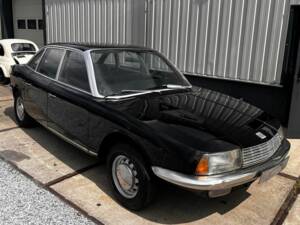
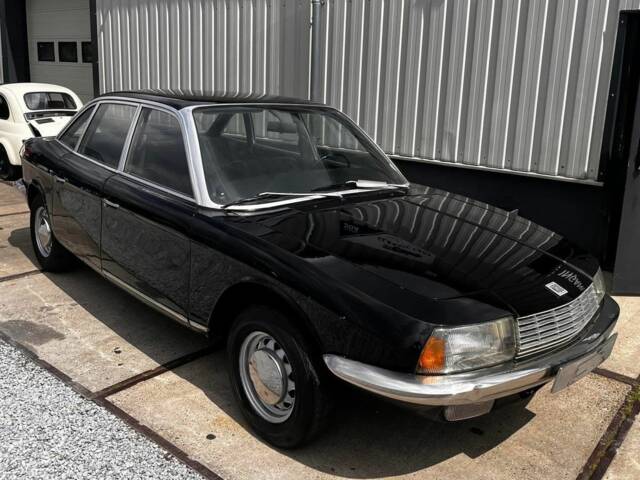
1970 | NSU Ro 80
NSU Ro 80 | 1970 | Route 66 Auctions - For sale by auction. Estimate 3600 EUR

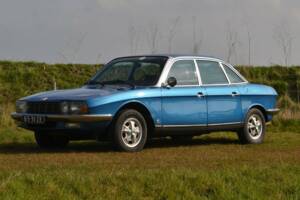
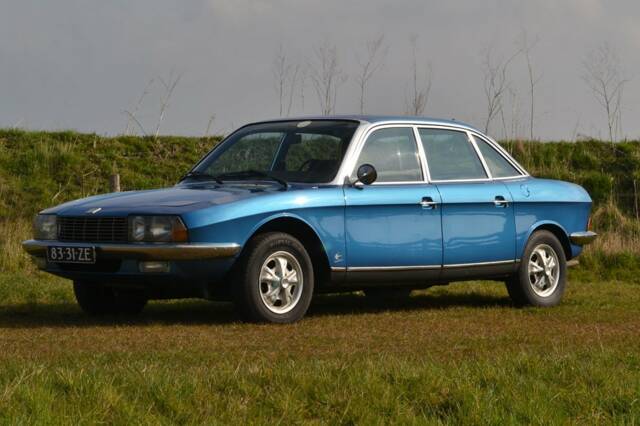
1973 | NSU Ro 80
Sehr gepflegt und 100% rostfrei
NSU Ro 80 listing references from Classic Trader
Below you will find listings related to your search that are no longer available on Classic Trader. Use this information to gain insight into availability, value trends, and current pricing for a "NSU Ro 80" to make a more informed purchasing decision.
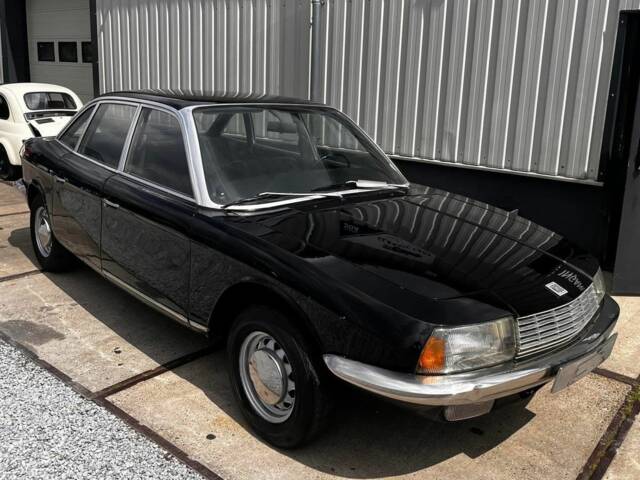
1970 | NSU Ro 80
NSU Ro 80 | 1970 | Route 66 Auctions - For sale by auction. Estimate 4500 EUR
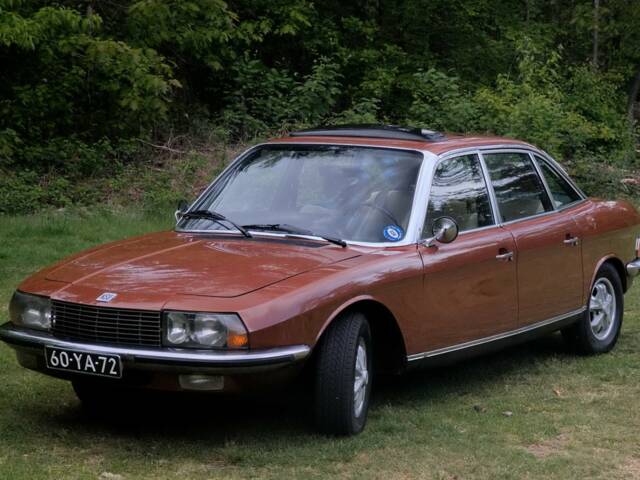
1976 | NSU Ro 80
NSU Ro 80 | 1976 | Route 66 Auctions - For sale by auction. Estimate 5500 EUR
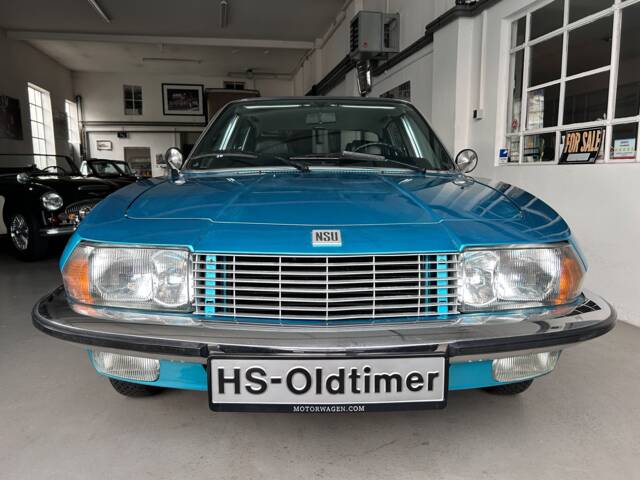
1976 | NSU Ro 80
NSU RO 80 im aussergewöhnlichem Zustand.

1975 | NSU Ro 80
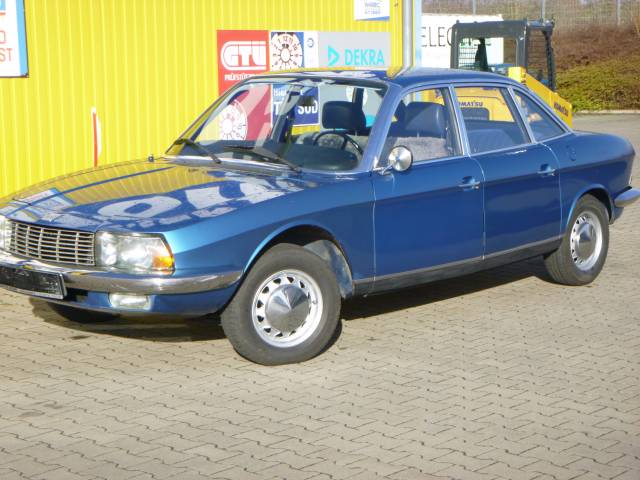
1973 | NSU Ro 80
Auto des Jahres 1967; Wankelmotor; Designikone
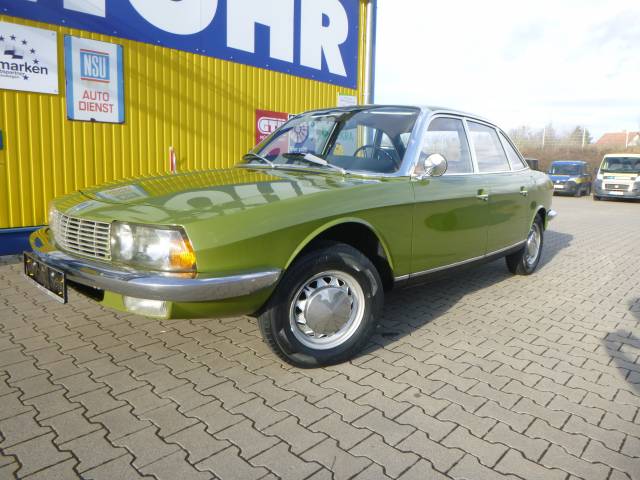
1970 | NSU Ro 80
Wankelmotor; Seit 1980 abgemeldet; Restauriert; TOP Fahrzeug
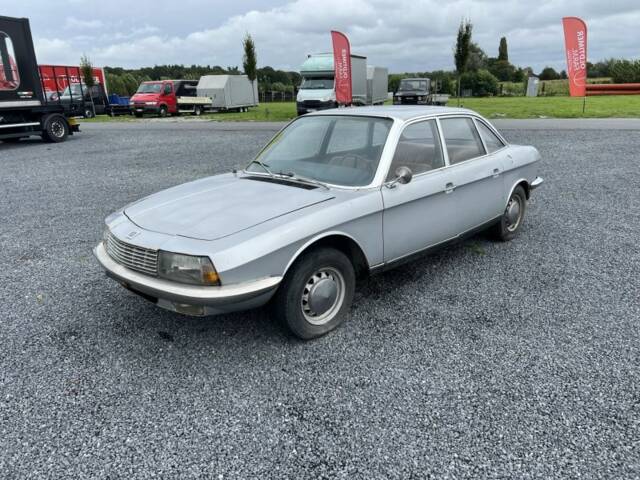
1969 | NSU Ro 80
1969 Nsu Ro 80 '69 *PUSAC*

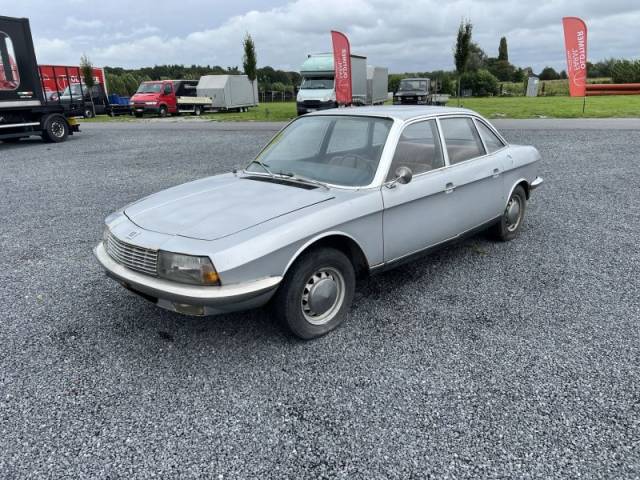
1969 | NSU Ro 80
1969 Nsu Ro 80 '69
NSU Ro 80 Classic Cars: Prices & Market Values
History of the NSU Ro 80
Released in 1967 by NSU Motorwerke AG in Neckarsulm, West Germany, the NSU Ro 80 quickly captured attention as an upper mid-range luxury sedan. Designed amidst the company’s transition—NSU soon merged into Audi/Volkswagen—the Ro 80 represented the brand’s technical pinnacle. The model debuted at the Frankfurt Motor Show to much acclaim, earning 'Car of the Year' in 1968. While innovative in many respects, early engine reliability issues influenced its market trajectory. Production ceased in April 1977 after around 37,400 units were built, with the last model finding its place at the Deutsches Museum. The Ro 80’s influence on subsequent automotive design, especially its wedge-shaped silhouette, remained significant across the industry.
Model History of the NSU Ro 80
The Ro 80 was introduced as a solitary saloon model series. Its predecessors were NSU’s smaller rear-engined sedans (like the NSU Prinz), but nothing in the NSU lineup had attempted this level of technical or market innovation. Throughout its life (1967–1977), the Ro 80 saw incremental updates: from narrow rear lights and certain chrome details in early models to wider rear lights, revised bumpers, and dual halogen headlamps in later years. Special technical upgrades included more advanced ignition systems and various running gear improvements. No direct model successor bore the NSU badge; however, the Ro 80’s technical legacy lived on within the Audi 100, especially regarding engine development and fit-&-finish. Unique prototypes, such as cabriolets, remained experimental and never reached series production.
Highlights and Unique Features of the NSU Ro 80
The NSU Ro 80 broke ground as the first and only mass-produced West German car featuring a rotary Wankel engine (type KKM 612), delivering 115 PS and front-wheel drive via a 3-speed semi-automatic 'Sachsomat' transmission with hydraulic clutch actuation. The body, designed by Claus Luthe, offered a combination of high aerodynamic efficiency, excellent visibility, and five-seat spaciousness. Technical highlights included full four-wheel independent suspension and disc brakes on all corners, power-assisted steering, heated rear windscreen, and an array of safety upgrades over time (e.g., headrests, laminated windshields, dual-circuit brakes). Interior comfort innovations included removable seatbacks for luggage extension and cord/velours upholstery in most models.
Technical Data
Special Editions and Collectible Models
The Ro 80 was officially available only as a four-door saloon; all cars shared the same basic mechanical configuration. However, some vehicles received rare options such as full-leather or Recaro interiors, Fuchs alloy wheels, metallic paint, or manual/automatic steel sunroofs. Extremely rare prototype variants, such as convertibles, exist but were never series-produced. Cars equipped with many original extras (e.g., color glazing, factory headrests, Recaro trim) or early models with pure 'Urform' features are particularly sought after by marque enthusiasts.
Weak Spots and Common Issues
Early-generation Ro 80s experienced notable engine issues, primarily due to rapid wear on the rotary engine’s sealing strips, risking loss of compression and poor fuel efficiency. Many received engine swaps, and some now run with improved, overhauled engines featuring modern materials like ceramic apex seals. Watch for rust in critical areas including jacking points, trunk floor, and underbody. Interior wear is common on original velours/cord upholstery, and replacement parts for the drivetrain or body can be challenging to source. Attention to the brake system, especially the dual-circuit with load-dependent rear brakes, is required for both reliability and authenticity. Specialist support and dedicated parts suppliers facilitate restoration and ongoing care.
Engine, Transmission and Handling
The Ro 80’s twin-rotor Wankel is renowned for its smooth, vibration-free power delivery, unique exhaust note, and high-revving nature. The front-wheel drivetrain coupled with semi-automatic transmission (‘Sachsomat’) contributed to surprisingly agile handling for a sedan of its class in the late-1960s/70s. Thanks to a modern suspension layout and all-disc brakes, the car combined comfort with a degree of dynamic security uncommon for its era. Power steering and a lightweight engine lent a responsive driving experience, while a low drag coefficient aided stability at motorway speeds. However, period acceleration figures (ca. 0–100 km/h in 13 seconds) are modest by today's standards, and fuel efficiency—especially at higher revs—remains a consideration for owners. Most Ro 80s were similar in technical specification, but vehicles from later production years with improved sealing materials and upgraded components are often favoured by collectors. Cars with full options such as metallic paint, factory sunroof, and rare Recaro interiors stand out within existing listings.
Interior, Exterior and Design Details
Claus Luthe’s design emphasized a wedge-shaped, highly aerodynamic exterior with rounded edges and one of the first 'fastback' tail profiles in its class. The Ro 80 featured large glass surfaces, a dome-like roofline, and wide-opening doors, resulting in superb all-round visibility and generous interior space for five. Materials such as velours or cord were commonplace, with rare leather trim for a select few. Dashboard and switchgear were innovative, with pictograms and ergonomically optimised controls surfacing in later iterations. Accessories ranged from Zierleisten (decorative trims) and chromed hubcaps to alloy wheels and factory radio/antenna options. Special colours and metallic paints became increasingly available in the 1970s, further enhancing its period appeal.
Other Notable Features
The Ro 80’s engineering meant it required no conventional timing chain or belt, reducing maintenance tasks associated with traditional piston engines. A heated rear window, transistor/bosch HKZ ignition, and advanced insulation offered comfort and worry-free cold-weather driving. Modern technical upgrades (e.g., ceramic apex seals in the rotary units) can substantially increase the longevity and enjoyment of these cars when done by specialists. The NSU Ro 80 assembly plant later produced vehicles for other premium brands (notably Porsche 924).
Summary
With its unique twin-rotor Wankel engine, innovative design language, and high-grade technical features, the NSU Ro 80 occupies a singular place in automotive history. Produced exclusively as a four-door saloon between 1967 and 1977 and boasting a host of pioneering details, the Ro 80 is now the definitive NSU classic, accounting for all of the marque's classic car activity on the market. Owners and enthusiasts benefit from dedicated specialist support, with the best examples offering not just innovative technology but also outstanding comfort and a highly distinctive driving experience.