Maserati A6G classic cars for sale
The Maserati A6G stands as a rare testament to Italy’s post-war automotive renaissance. Fitted with a straight-six engine and handmade chassis, it appeals to purists and collectors seeking a distinct blend of performance and craftsmanship from the 1947–1956 Maserati lineup.
Search results
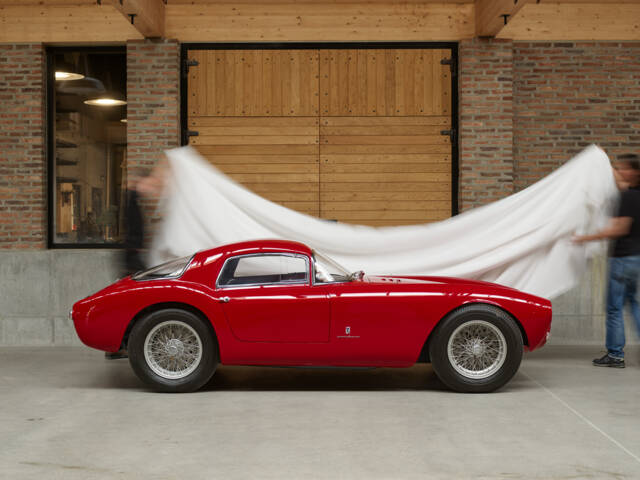
1953 | Maserati A6GCS Berlinetta Pininfarina
Stunning build


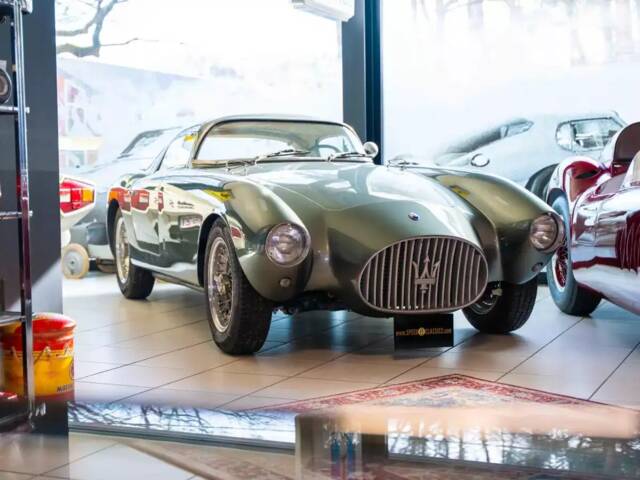

Auctions ending soon

Loading…
Loading…
Loading…
Loading…
Maserati A6G Classic Cars: Prices & Market Values
History of the Maserati A6G
The A6G marked Maserati’s evolution from pure race engineering towards refined, road-going GTs. Named after Alfieri Maserati and featuring a straight-six engine, the A6 series defined the brand’s post-war identity. Initially debuting as a sports racer, it swiftly attracted interest for its technical innovation and custom coachwork. Each example was typically bodied by Italian design houses like Pininfarina, Zagato, or Frua. The A6G series, produced from 1947 to 1956, set the tone for Maserati’s forward-looking road cars while maintaining strong motorsport DNA.
Development and Variants within the A6G Line
Maserati launched the A6 family with the A6 1500, then advanced to the A6G with notable technical tweaks. The A6G/2000 and A6GCS represented increases in displacement and sporting intent, with the latter focused on competition. These models overlapped in production but served different purposes: the A6G and A6G/54 for sophisticated gran turismo buyers, the A6GCS targeting the privateer racing scene. The A6G’s direct predecessors were Maserati’s pre-war racing cars; its legacy gave way to the 3500 GT, which adopted six-cylinder sophistication in a more modern package.
Distinctive Features and Rarity
Every Maserati A6G was effectively bespoke, with handmade bodies and unique configurations tailored by Italy’s premier carrozzerias. Distinction comes through both in technical setup—such as the light alloy straight-six—and in the series’ striking aerodynamics, courtesy of low-run Pininfarina, Frua, and Zagato creations. This artisan approach resulted in only a limited number produced, an appeal heightened by each car’s individuality.
Technical Specifications
Special Editions and Collectible Models
Several A6G variants stand out because of limited bodywork runs—Zagato’s lightweight Berlinetta, Pininfarina’s streamlined coupes, and the Frua-spider examples are sought after for their unique aesthetic and motorsport references. Some cars were built specifically for competition, such as the A6GCS, and are distinguished by features like external fuel caps, special ventilation, and weight-saving details.
Engine and Performance, Transmission and Handling
Thanks to their alloy straight-six engines and lightweight chassis, Maserati A6G models deliver spirited performance for the era, with precise steering and balanced weight distribution typical of Italian thoroughbreds of the 1950s. Racing-oriented variants, such as the A6GCS, tuned for reliability and agility, bring enhanced suspension setups and even lighter construction. Key highlights include the A6G/54 equipped with triple carburettors for responsive power delivery and the Zagato-bodied A6GCS which exemplifies lightweight construction and race-focused handling.
Interior, Comfort, Exterior and Design
The Maserati A6G’s interior varies depending on coachbuilder, usually focusing on high-quality leathers, slender metal finishes, and a minimalist driver-centric dashboard. Exteriors reflect each Italian atelier’s philosophy—Zagato emphasised aerodynamics and sporty cues, while Frua and Pininfarina incorporated natural lines, elegant chrome trim, and period-correct hues. Frequent special requests led to unique colours, non-standard materials, and custom accessories like fitted luggage, rare instrumentation, or one-off body features such as Plexiglas headlight covers.
Summary
The Maserati A6G distinguishes itself as the most listed and sought-after Maserati classic model on the market, owing to its post-war engineering, low volume, and unmatched Italian craftsmanship. Each car represents a unique intersection of mechanical prowess and artistic body design, making it a cornerstone of classic Italian motoring history.