- Car
- Lola (3 offers)
Buy Classic Lola Cars
Lola built competition cars for drivers who value a stopwatch, a clear chassis response and an honest history over creature comforts. Find documented Lola racers on Classic Trader, from early sports cars to V8 sports-racers and Formula 5000 machinery.
Search results
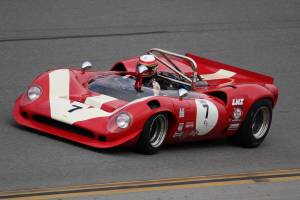
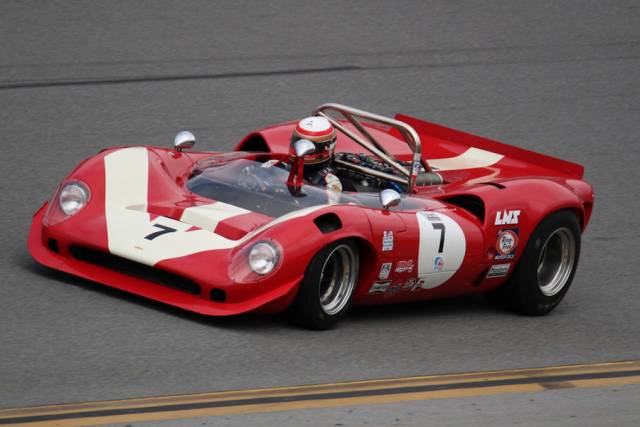
1967 | Lola T70
Lola T70 Mk3B Spyder

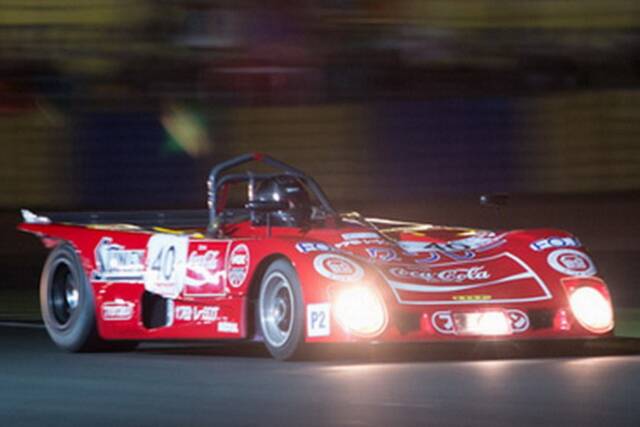
1972 | Lola T280
Lola T280 (DFV)
Auctions ending soon

Loading…
Loading…
Loading…
Loading…
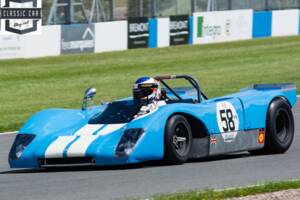
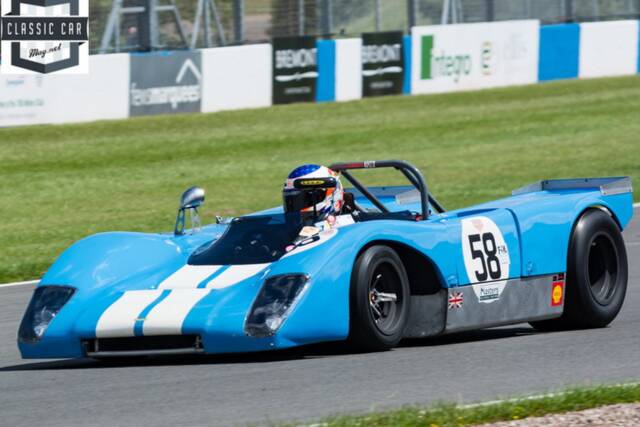
1971 | Lola T212
Lola T212
Lola listing references from Classic Trader
Below you will find listings related to your search that are no longer available on Classic Trader. Use this information to gain insight into availability, value trends, and current pricing for a "Lola" to make a more informed purchasing decision.
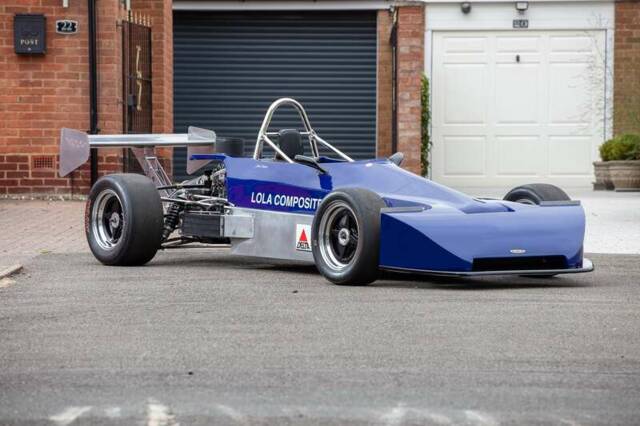
1978 | Lola T622
1978 Lola T622 Formula Libre/ Monoposto - Ex-Andrew Broadley

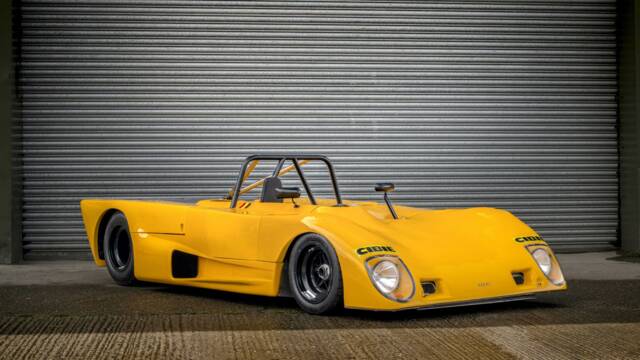
1972 | Lola T290
“Strong Coffee”
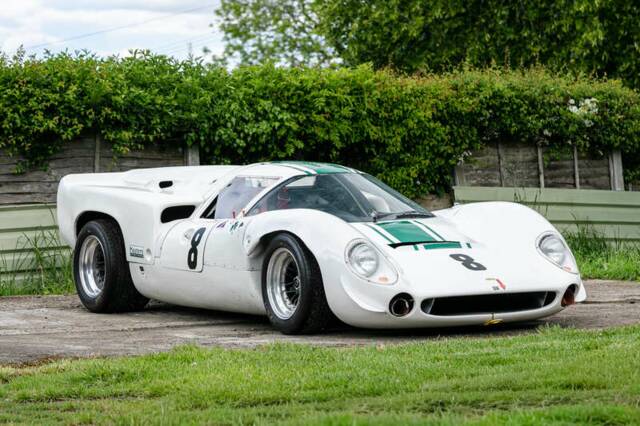
1967 | Lola T70
1968 Lola T70 Mk III
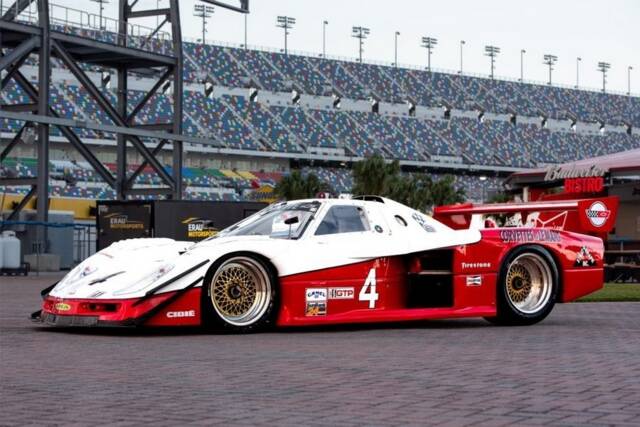
1984 | Lola T711
Lola T711 Corvette GTP (Group C)
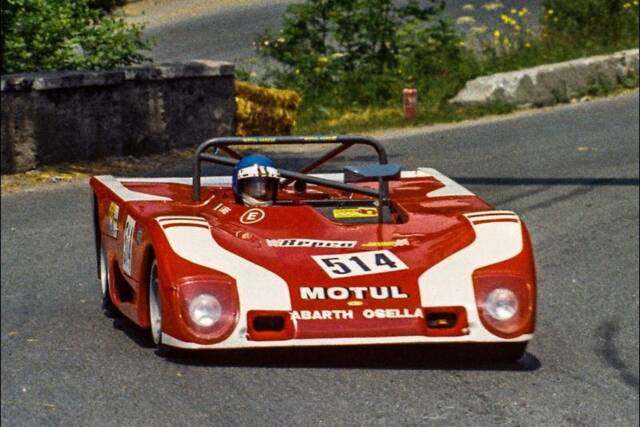
1972 | Lola T290
Lola T290
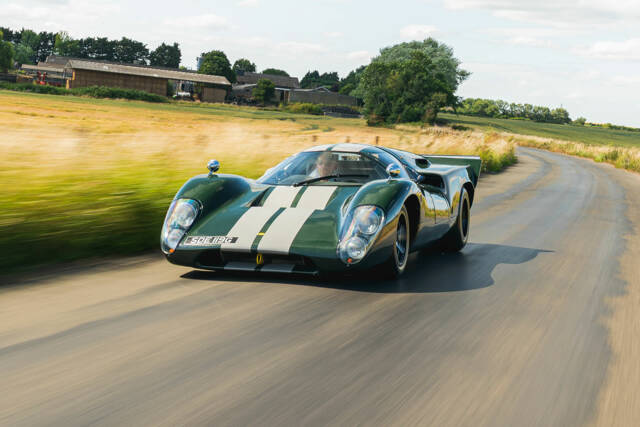
1969 | Lola T70
UK ROAD REGISTERED
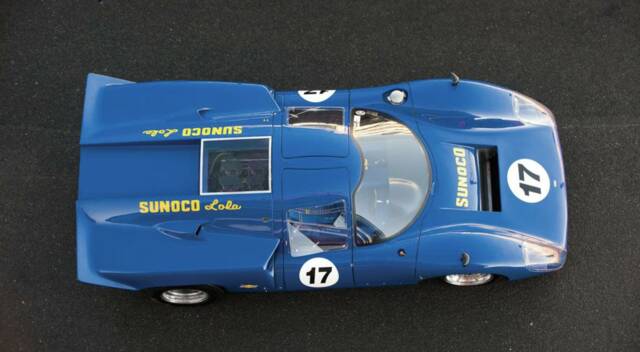
1969 | Lola T70
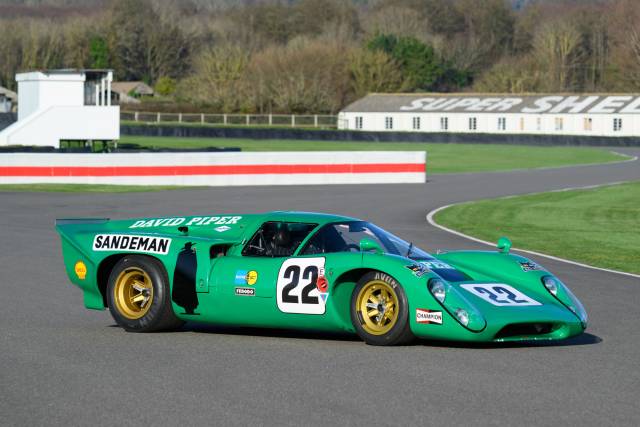
1969 | Lola T70
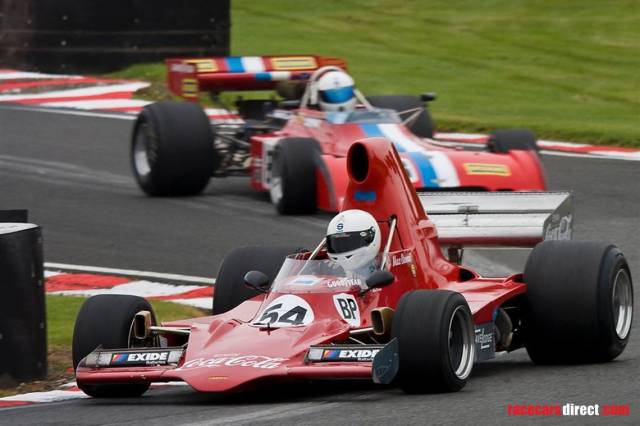
1975 | Lola T400-F5000
Complete and ready to use!
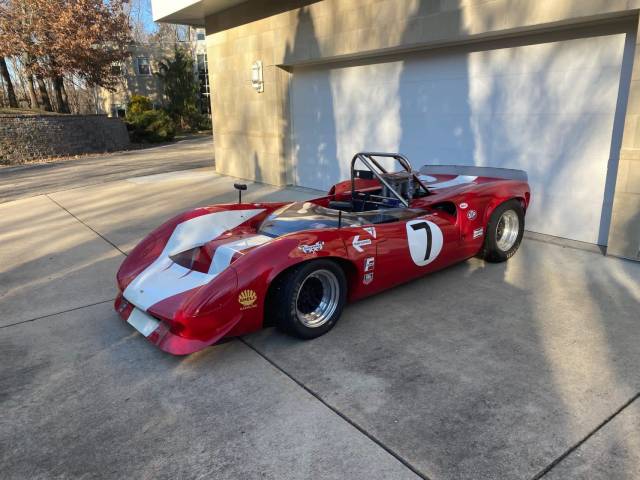
1967 | Lola T70
LOLA T70 MKB3
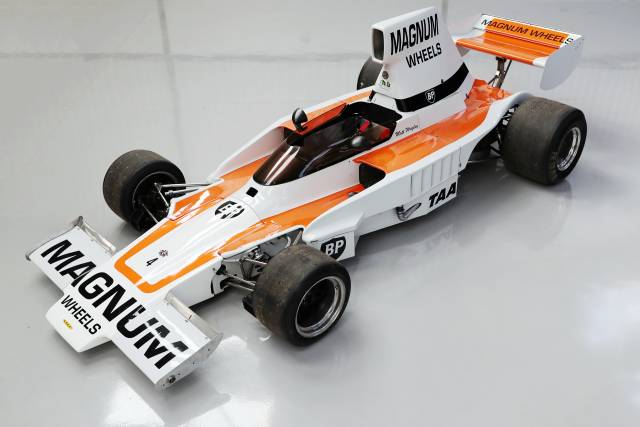
1973 | Lola T332
1973 Lola Lola 330/332 F5000 Chevrolet
The Lola story: built to race
Lola Cars began in 1958 with a simple customer-racing idea: make a light, effective car that an independent driver could understand, repair and race. Its founder, Eric Broadley, was working from Bromley in England rather than from a large manufacturer’s design office. The first Lola Mk1, a front-engined Coventry Climax-powered sports-racer for the 1.1-litre class, promptly embarrassed more established Lotus 11s on British circuits. The name may have come from the song Whatever Lola Wants, but the engineering approach was practical rather than theatrical.
That approach made Lola unusually broad. Over the next five decades it supplied cars for sports-racing, Formula Junior, Formula 2, Formula 5000, Indy racing, Formula 3000 and Formula 1. Lola did not rely on one glamorous road-car line to fund a racing image: it made competition cars for customers, so the model range followed regulations, available engines and the needs of private teams. For an Australian buyer this matters. A Lola is normally a competition car with a life documented in race entries, preparation invoices and period photographs, not a conventional classic whose value can be read from odometer kilometres and paint condition.
Broadley’s 1963 Lola GT was especially influential. Its compact mid-engined, V8-ready layout caught Ford’s attention and helped shape the early Ford GT programme. Broadley soon returned to independence, taking with him the experience of designing a low-drag, stiff sports-racing platform. In 1965 he applied those lessons to the Lola T70, the marque’s best-known car. First seen as an open Group 7-style Spyder and later as a coupe, the T70 used an aluminium monocoque, double wishbones and a Hewland transaxle. Ford and Chevrolet V8s delivered the kind of torque that suited North American Can-Am and USRRC competition as well as European long-distance racing.
The T70 should not eclipse the rest of Lola’s output. The T212 represents Lola at its most finely balanced: a two-litre European sports-prototype with a Cosworth FVC four-cylinder and a light alloy monocoque. It won five of nine rounds in the 1971 European Championship, with Helmut Marko taking the drivers’ title. The 1972 T280 carried the idea into the three-litre category with a Cosworth DFV V8 and more aerodynamic load. The T332, meanwhile, is the opposite kind of spectacle: a Formula 5000 single-seater with broad tyres, a Chevrolet V8 and a simple, forceful brief. These are useful reference points, not interchangeable “Lola models”; each has a different event eligibility, parts burden and driving character.
Lola’s later corporate history included major success in customer single-seaters, but also a costly 1997 Formula 1 attempt. Lola Cars Ltd entered administration in 2012. The historical legacy remains substantial, yet the marque’s complicated afterlife makes close identification essential. Original cars, replacement-tub cars, continuations, recreations and cars assembled around period parts can all be well made and enjoyable. They are not, however, automatically equivalent. When buying a Lola, the chassis number, construction history and racing provenance are as important as the badge.
Why a Lola is different
The enduring appeal of a Lola is its directness. These cars were engineered around a race class, a tyre and a power unit, rather than around a luxury specification. A Mk1 rewards momentum and neat placement. A T70 combines light weight with a large-capacity V8 and a visual presence that makes even a pit-lane warm-up feel special. A T212 makes a highly developed two-litre engine and low mass work together; a T332 turns the Formula 5000 recipe of robust American power and open-wheel precision into something genuinely physical.
Customer-racing usability is another defining trait. Lola used familiar specialist components where the rules permitted: Chevrolet small-block V8s, Ford-based Cosworth FVC and DFV engines, and Hewland transaxles. That gives Australian owners a better starting point than a one-off engine or gearbox would provide. Race-engine builders, Hewland specialists and historic-racing workshops can support these systems, while many routine consumables are internationally obtainable. It does not make the ownership cheap. Correct magnesium uprights, wheels, body panels, period instruments and early monocoque components may be scarce, and airfreight to Australia is rarely a trivial line item.
The major attraction for active owners is historical competition relevance. A correctly specified, well-documented Lola with current safety equipment and appropriate FIA Historic Technical Passport may be suitable for selected historic grids, subject to each organiser’s acceptance. That is very different from a visually similar recreation. FIA papers, a category description in an advertisement or a previous event invitation are useful evidence, but none guarantees acceptance into a particular meeting. Before committing, Australian buyers should ask the intended organiser and their race-preparation shop what specification, passport validity, safety equipment and tyre rules will apply.
Lola also rewards informed collecting. A genuine chassis with period entry lists, old log books, correspondence, results, restoration photographs and a sensible ownership chain carries a story that can be investigated. A car may have had accidents, replacement bodywork or even a replacement tub during its active life; racing cars were repaired to race again. The issue is not whether every panel is untouched, but whether the work is openly described and corroborated. Romantic phrases such as “ex-works” or “Le Mans eligible” deserve documentation, not assumption.
Technical data for significant Lola cars
Specifications changed with year, engine, gearbox ratios and race regulations. The figures below are practical guides only; the file for the individual chassis must always take priority.
The table explains why a name alone cannot describe a Lola. A T70’s output can vary enormously with capacity, cylinder heads, carburettors or injection, dry-sump arrangement and the builder’s specification. A 5.7-litre Chevrolet in a properly prepared Spyder needs its dyno sheet, cooling arrangement, oil-pressure record and rebuild hours examined; “500 horsepower” in an advertisement does not establish condition. The LG500’s ratios and spares package can materially affect whether the car is ready for a chosen circuit.
The T212’s FVC asks different questions. Its high-revving four-cylinder is compact and rewarding but its health is measured in operating hours, build records, oil analysis and the reputation of the engine builder, rather than kilometres travelled. A DFV-powered T280 adds the cost and complexity of a historically important racing V8. In both cases, an engine that has been recently rebuilt by a recognised specialist, with invoices and a clear running-hours log, has greater practical value than an engine described merely as “strong”.
Market overview & buying tips
The Australian market for classic Lola cars is necessarily international. A buyer may find a locally held Formula 5000 car, but an early sports-racer or significant prototype is more likely to be offered from Britain, Europe or North America. Treat overseas auction results as reference points, not an Australian price list. Currency movements, shipping, insurance, GST, duty where applicable, quarantine treatment, brokerage and the eventual Australian use case all change the landed cost.
A useful recent benchmark is a 1966 T70 Mk II Spyder, chassis SL71/28, sold by Bring a Trailer on 8 August 2024 for US$255,000. It had a replacement tub after a period crash, refurbishment records and FIA HTP, which illustrates why a single sale cannot value every T70. At the other end of the recent evidence, Bonhams sold a 1966 T70 Mk II GT Coupe for US$406,500 in 2023. Using an exchange rate at the time of contracting rather than a remembered conversion is essential, but these figures show that a sound T70 can represent a purchase in the broad A$400,000–A$650,000-plus region before or around the effects of Australian import and transaction costs. Exceptional original history, a race-winning record or a major coupe specification can push the comparison higher; a fresh build or unclear identity belongs in another discussion.
Two-litre and Formula 5000 Lolas should be valued on their own merits. A 1972 T212 offered by Iconic Auctioneers in February 2024 carried a £150,000–£170,000 estimate and did not sell; that was an estimate rather than a transaction, but the catalogue’s FIA passport, engine builder and spares details demonstrate the evidence buyers should seek. In July 2025 a freshly built 1965 T70 Mk II advertised in Britain at £165,000 had current FIA historic papers, yet expressly lacked the provenance of the more valuable cars. In Australia, convert an overseas guide price into AUD only after adding a written freight and marine-insurance quote, customs advice and a realistic commissioning allowance. A cheap purchase can become expensive before it turns a wheel at Phillip Island, Sydney Motorsport Park or The Bend.
For a Lola, conduct an inspection with a marque-aware race-car engineer. The priorities are specific:
- Identity and provenance: compare chassis stampings, plates, manufacturer correspondence, Lola Heritage information, log books and sale documents. Investigate gaps, duplicate numbers, replacement tubs and rebodying rather than accepting them as footnotes.
- Monocoque and structure: inspect aluminium for corrosion, cracking, distortion and old repairs. Suspension pick-up points, bulkheads, roll-over structures and rear subframes deserve close attention. A competent repair can be acceptable, but it should be assessed and recorded.
- Suspension, wheels and brakes: crack-test uprights, steering arms, hubs and stressed components where appropriate. Magnesium wheels and castings need more than an attractive finish. Confirm that replacement parts follow the required historic specification.
- Engine and transaxle: obtain dates and hours for engine, Hewland gearbox, differential, clutch and driveshaft rebuilds. Check cooling, dry-sump plumbing, oil pressure and leak history. Agree which ratios, starter, spare gears and tooling come with the car.
- Safety and eligibility: inspect the fuel cell, extinguisher, belts, seat, electrical cut-off and roll-over protection for current dates and event compliance. FIA HTP, Australian Motorsport Australia requirements and an organiser’s regulations are separate tests.
- Included spares: body moulds, nose sections, wheel sets, uprights, gears, set-up sheets and period paperwork may matter more than a cosmetic detail. List every included item in the contract.
Australia adds a crucial decision before purchase: track-only racer, road-registrable historic vehicle, or collector display car. Do not assume a Lola can be driven on the road because it has lamps, a foreign registration or an old road book. For a purpose-built race car that will not be used on public roads, the Commonwealth’s non-RAV import pathway may be relevant; import approval must be obtained before shipping, and race/rally applications require details such as the event or series, club membership and vehicle suitability. An imported road vehicle more than 25 years old may instead be considered under a concessional RAV-entry pathway, but state or territory registration remains a separate question. Obtain written advice for the individual chassis before the deposit becomes non-refundable.
State historic schemes are not interchangeable. In New South Wales, the Historic Vehicle Scheme generally requires a vehicle at least 30 years old, financial membership of a Transport for NSW-recognised historic vehicle club and the required declaration; the Classic Vehicle Scheme has its own club and modification framework. In Victoria, the Club Permit Scheme is administered through approved clubs and is designed for limited-use vehicles at least 25 years old, with permit conditions rather than ordinary unrestricted registration. Other states and territories have their own eligibility, club and inspection requirements. A racing Lola may not meet the roadworthiness, lighting, noise, modification or original-configuration expectations of a scheme even when its build year qualifies. Speak to the relevant registering authority and club registrar before presenting an imported car as “historic registration eligible”.
Right-hand drive deserves equally careful treatment. Many Lolas were built for racing rather than a road market, so steering position can reflect a class or original customer rather than a simple Australian-delivery advantage. For road use, confirm the exact state requirements for steering position, compliance and engineering; for circuit use, a well-documented left-hand-drive original can be entirely appropriate. Authenticity and suitability for the intended series are more valuable than an expensive conversion that compromises either.
What driving a Lola feels like
A Lola communicates through noise, steering weight and small changes in attitude. There is little insulation between driver and machine. In the Mk1, low mass and narrow tyres make placement and momentum the central pleasures. The car asks for clean steering and disciplined braking, then tells the driver what the front axle is doing without delay.
The T70 feels more dramatic. Its V8 fills the cockpit with induction and exhaust sound, while the low windscreen and wide front guards make speed feel immediate. With tyres at temperature, a well-set-up car can be strikingly precise. With cold slicks, too much throttle or a poorly matched gear, it is not forgiving. The Hewland needs positive shifts carried out with mechanical sympathy; there are no electronic safety nets to conceal a poor input.
The T212 is more delicate in its rewards. It wants revs and commitment, using its low weight to change direction with a clarity that a big V8 car cannot imitate. A T280 has a heavier aerodynamic and powertrain demand in fast corners, while a T332 combines the exposed sensations of a single-seater with the immediate shove of a Chevrolet V8. Australian circuit heat, tyre management and a long transport journey to an event all add to the preparation discipline. None is a casual first track car, but each offers a rare connection between setup changes and driver feedback.
Form follows the racing brief
Broadley’s design language was technical without being awkward. The Mk1 has the graceful proportions of an early British sports-racer: slim body, exposed wheels and a body shape drawn tightly around its mechanical package. By the T70, Lola had arrived at a low, wide, unmistakably purposeful form. The coupe’s roofline and long tail are beautiful because they work with airflow, driver visibility and packaging, not because they imitate a road-going GT.
Later prototypes make the function even clearer. The T212 and T280 use compact open bodywork, carefully shaped ducts and broad surfaces that direct air to cooling and downforce. The T332’s wings, broad tyres and exposed suspension make no attempt to look civilised. For a restorer, the exact profile of a wheel arch, mounting point, duct or screen can affect both authenticity and eligibility. New fibreglass bodywork can be a sensible racing replacement, but it should be disclosed accurately and never used to obscure the car’s construction history.
Lola in motorsport and Australian ownership
Lola’s competition record is inseparable from its market appeal. John Surtees won the inaugural 1966 Can-Am championship in a T70, while the cars also appeared in USRRC, endurance racing and national series around the world. The T212’s 1971 European Championship campaign proved that Lola could dominate with finesse as well as brute V8 output. Formula 5000 gave the T332 a different but equally compelling role: a customer car capable of delivering serious performance to a properly prepared team.
For Australian enthusiasts, historic competition is part of the ownership case, but it should be approached as a programme rather than a fantasy. Confirm potential eligibility directly with the organiser, then budget for transport, tyres, fuel, entry fees, crew support and rebuild intervals. A Lola kept as a collection piece still needs appropriate storage, periodic mechanical exercise and careful fuel-system management. In the right hands, the documentation folder, spare-parts inventory and set-up notes are as valuable as the polished bodywork.
Buy a Lola with the right evidence
A classic Lola is an unusually rewarding choice for the buyer who wants a real competition car rather than a nostalgic road-car imitation. The Mk1, T70, T212, T280 and T332 demonstrate the range of Eric Broadley’s company, from lightweight sports-racers to thundering V8 machines and focused prototypes.
Find a Lola on Classic Trader that fits the intended Australian use, then buy on evidence: verified chassis identity, documented race history, structural inspection, known mechanical hours, current safety equipment and a clear import and registration plan. The best car is not always the shiniest or the cheapest; it is the one whose identity, preparation and future use all stand up to scrutiny.