Lagonda LG 45 classic cars for sale
The Lagonda LG 45, produced from 1936, stands as one of the most technically advanced and elegant British sports tourers of its era. It pairs the robust 4.5-litre Meadows engine, refined by W.O. Bentley, with luxurious, bespoke coachwork—often by names such as Vanden Plas and Frank Feeley. With only about 278 built and a mere 25 of the highly sought-after Rapide variant, genuine LG 45s are uncommon on the market and sought by connoisseurs.
Search results
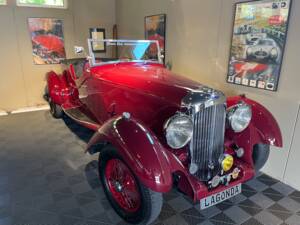
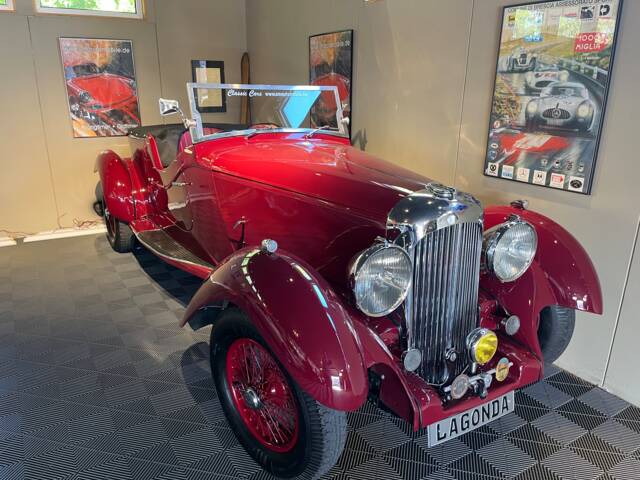
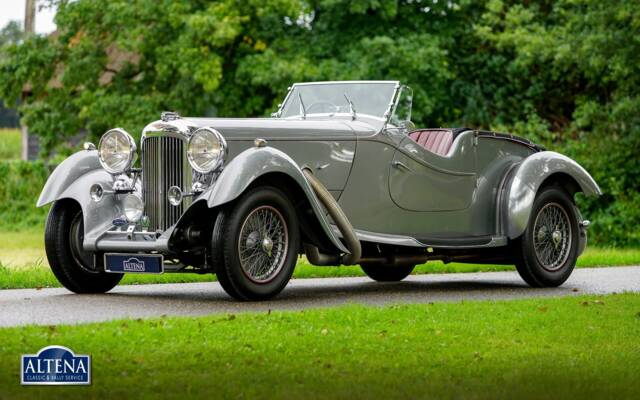
1939 | Lagonda 4,5 Liter LG 45 Rapide
LG 45 Rapide

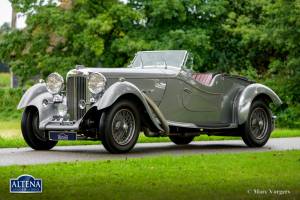
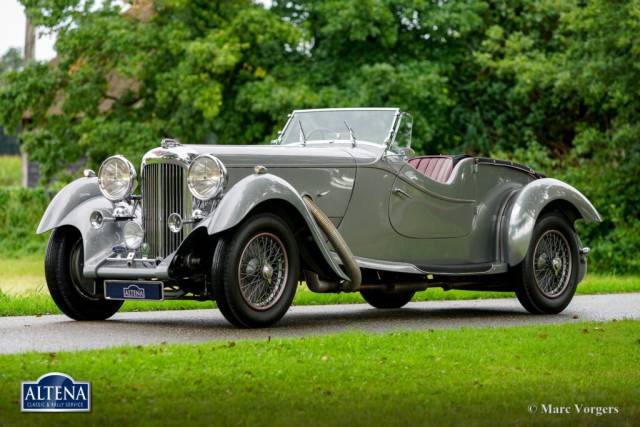
1937 | Lagonda 4,5 Liter LG 45 Rapide
Only 278 examples were built in the years 1936 – 1937

Newsletter
The best Lagonda listings, straight to your inbox
Get hand-picked Lagonda listings, plus the best of cars, motorbikes, and auctions on Classic Trader — all in one place.
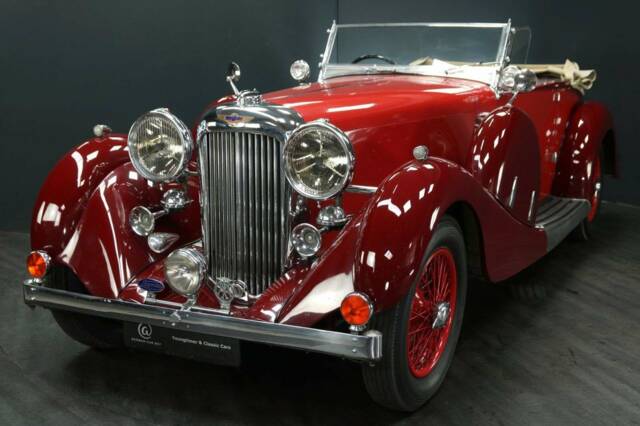
1937 | Lagonda 4.5 Litre LG 45 Sports Tourer
Sonstige Sonstige
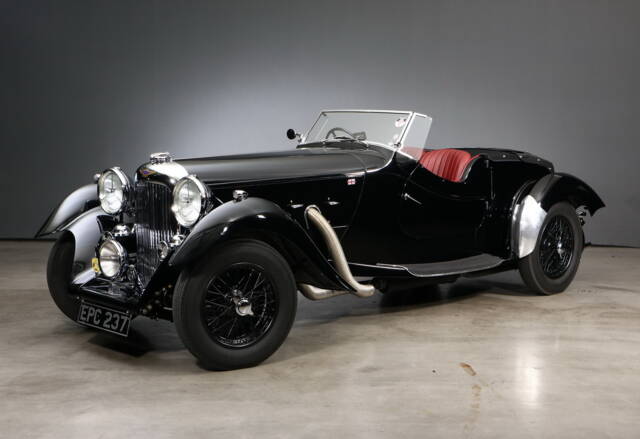
1936 | Lagonda 4,5 Liter LG 45 Rapide
LG 45 Rapide Tourer
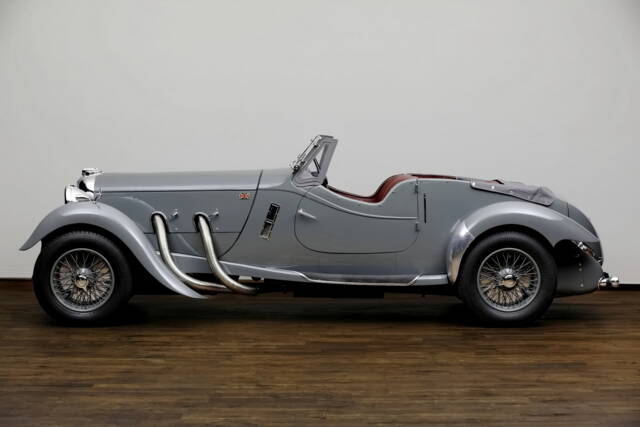
1938 | Lagonda 4,5 Liter LG 45 Rapide
1 of only 25 original LG 45 Rapide
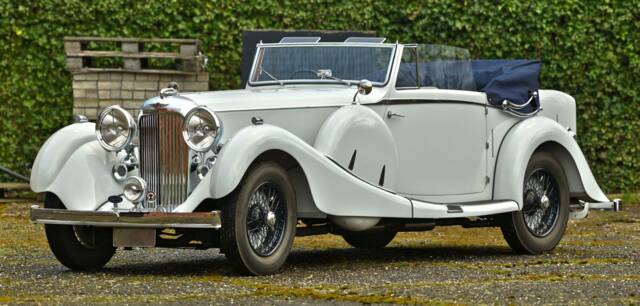

Lagonda LG 45 listing references from Classic Trader
Below you will find listings related to your search that are no longer available on Classic Trader. Use this information to gain insight into availability, value trends, and current pricing for a "Lagonda LG 45" to make a more informed purchasing decision.
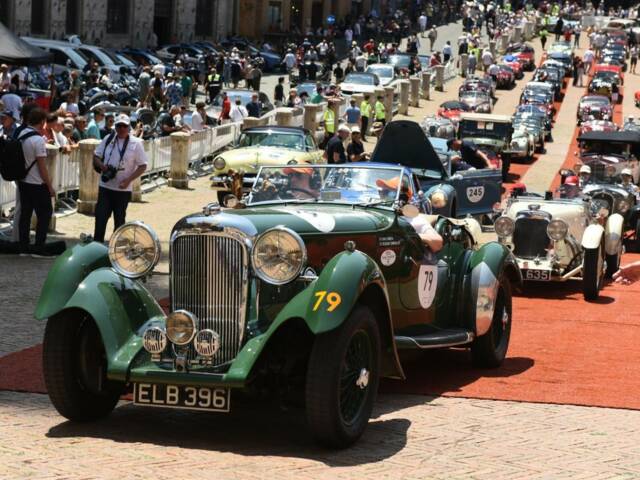
1937 | Lagonda 4,5 Liter LG 45 Rapide
1937 Lagonda LG45 Rapide - 2025 Mille Miglia participant
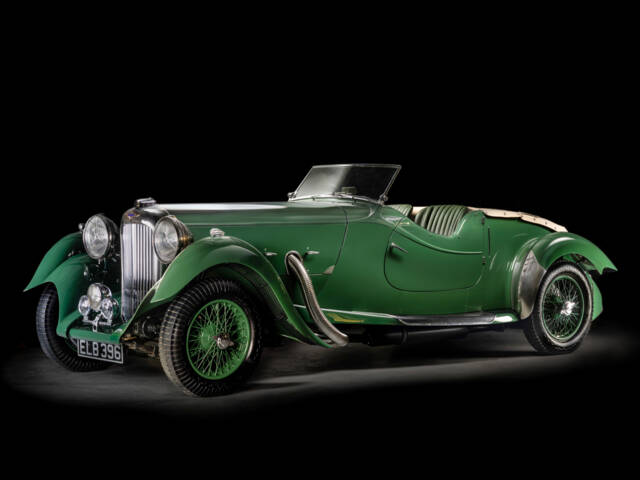
1937 | Lagonda 4,5 Liter LG 45 Rapide
1937 Lagonda LG45 Rapide Sports Tourer
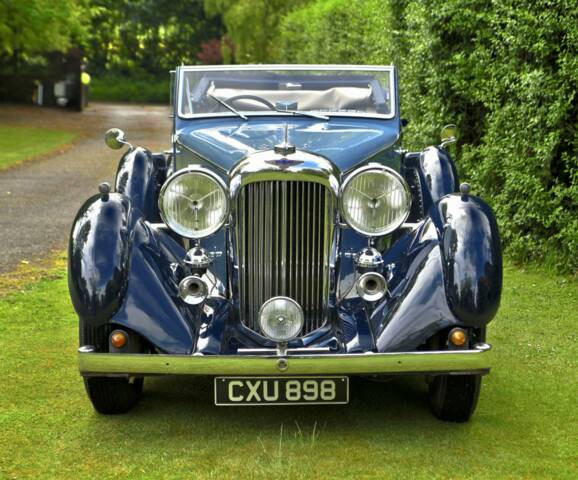
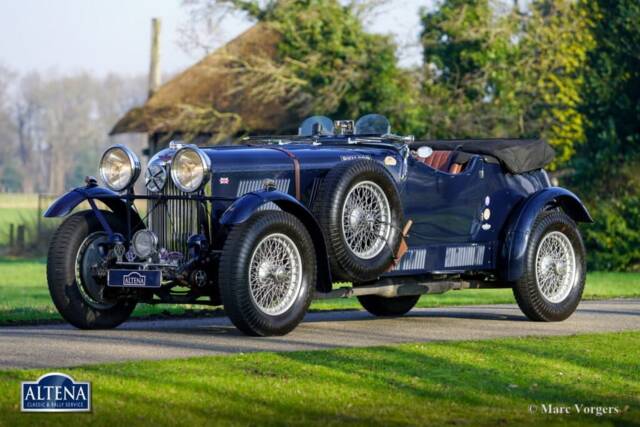
1936 | Lagonda 4.5 Litre LG 45 Sports Tourer
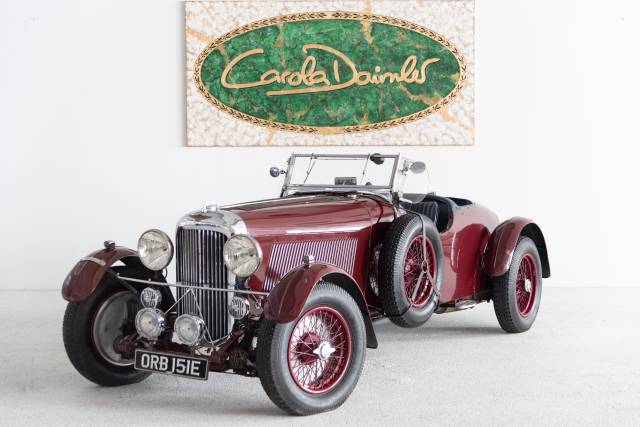
1936 | Lagonda 4,5 Liter LG 45 Le Mans
Extensive history | FIVA Passport | One of 278 | British first delivery
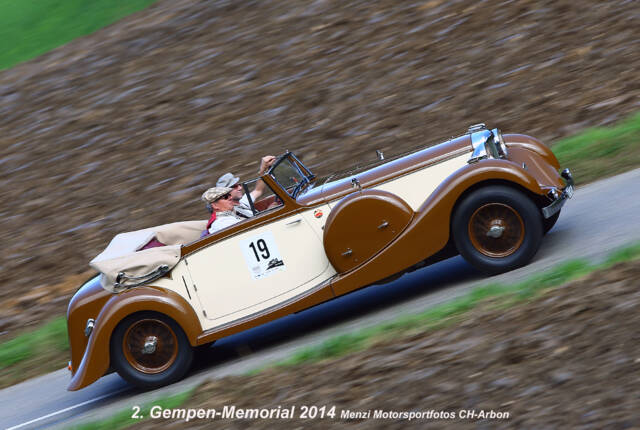
1937 | Lagonda 4.5 Litre LG 45
Wunderschönes Liebhaberstück

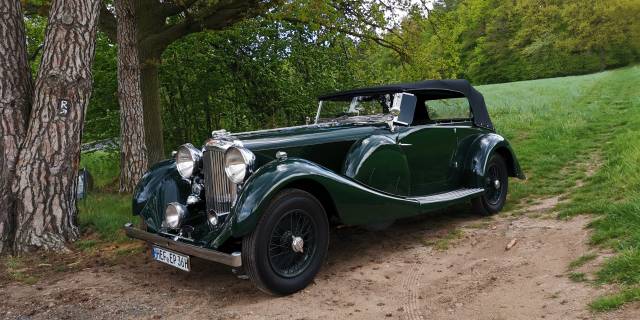
1936 | Lagonda 4.5 Litre LG 45
Lagonda LG45 4 1/2-Liter-Tourer DHC von 1936 zu verkaufen.
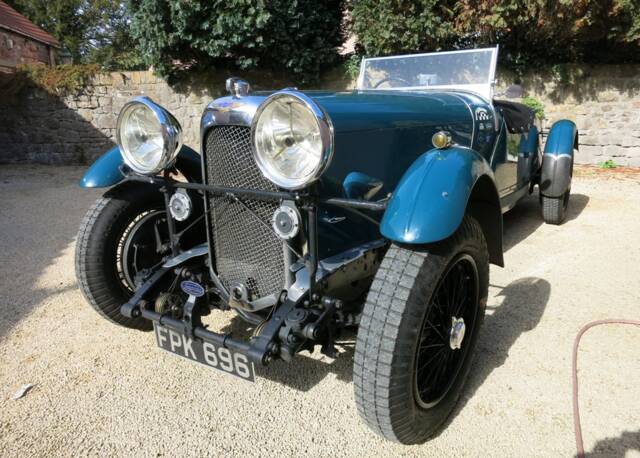
1936 | Lagonda 4,5 Liter LG 45 Le Mans
Lagonda LG45 Fox & Nicholl Le Mans Team Car Replica (4½ litre)
Lagonda LG 45 Classic Cars: Prices & Market Values
History of the Lagonda LG 45
Lagonda traces its roots to 1901, founded by Wilbur Gunn in Staines-upon-Thames. The marque quickly developed a reputation for advanced engineering and sporting success—most notable was victory at Le Mans in 1935 with the M45. Following financial crises, Alan Good took over in 1935 and appointed W.O. Bentley as chief engineer. This marked a new era, and in 1936 the LG 45 debuted, sophisticated both in engineering and presentation. It was offered as a luxurious, rapid tourer—with Frank Feeley's design setting a new benchmark for aesthetics and function. Unique aluminium bodywork, sweeping fenders, and a striking radiator grille defined its silhouette. This era also saw Lagonda's transition from small-series motoring excellence to a marque acquired by Aston Martin after the war.
Model Series Development
The LG 45 evolved directly from the M45, inheriting and refining elements like the legendary 4.5-litre inline-six Meadows engine. The LG 45 itself was subdivided into several variants: standard Tourer, Drophead Coupé (DHC), saloon, and the even lower, lighter LG 45 Rapide. The Rapide, intended to mirror competition prowess, was the ultra-performance variant—just 25 were produced. Bespoke coachbuilders such as Vanden Plas and Abbott delivered tailored bodies, and continued updates by W.O. Bentley focused on engine reliability, power, handling, and comfort. The LG 45 ended production just before WWII, with many chassis seeing post-war life in restoration or at classic events today.
Highlights and Market Presence
Key aspects of the Lagonda LG 45 series include advanced engineering for its day (central lubrication, synchromesh gearboxes), strong 4.5-litre engines capable of over 160 km/h, luxurious four-seat open or closed bodies, and bespoke design by coaches like Frank Feeley. The visual language—long bonnet, sweeping wings, boat-tail rear and external side exhausts—distinguish it clearly from contemporary rivals. Interiors were finished in prime leather and wood, with attention to detail and customisation options for each client. Out of roughly 278 built, original cars are highly valued and uncommon at sales or auctions.
Technical Data of the Lagonda LG 45
Special Editions and Collectible Variants
Notable special models include the LG 45 Rapide, produced in just 25 examples, featuring racing-derived mechanicals and the most distinctive bodywork. Another rare offshoot is the 'Le Mans Tourer,' which capitalised directly on the 24h Le Mans victory design and spirit. About 30 'Rapid Specials' exist, built on saloon chassis by bespoke coachbuilders. Several LG 45s were bodied by Vanden Plas and Abbott in unique Tourer or Coupé configurations, all highly regarded for rarity and design.
Weak Spots and Common Issues
Although robust for their era, LG 45s possess known age-related risks: engine internals (especially in tuned 'Sanction 3' versions) require precise maintenance, aluminium coachwork can suffer from corrosion or improper repair, and period electrical systems may be unreliable without modern updates. The hydraulic braking system requires regular service and correct parts—often only sourced via specialists. As with most period vehicles, original trim and instruments may have experienced prior modification or loss, which impacts collectability and value.
Engine, Transmission and Driving Dynamics
The LG 45’s Meadows inline-six was among the most powerful engines of the mid-1930s. Delivering up to 175 hp in top 'Rapide' versions, acceleration and driving flexibility outclassed most contemporaries. Synchromesh on most gears (uncommon for 1936) enabled more civilised touring and rally driving. The chassis, benefitting from W.O. Bentley's input, balanced sporting agility with observable comfort—especially when compared to heavy-duty Bentleys of the time. Steering is precise for a prewar grand tourer, but demands strength at low speeds. Later modifications, such as upgraded brakes and electrics, are routinely seen among surviving cars. - LG 45 Rapide: Most performance-focused, visually dramatic (original 25 cars)
- LG 45 Drophead Coupé: Combines comfort with open-top driving
- LG 45 Saloon: For those seeking greater weather protection All variants offer a powerful touring experience, with manual four-speed transmission and typical cruising speeds around 120–150 km/h.
Interior, Comfort and Exterior Design
The guiding hand of Frank Feeley is evident in LG 45 body styles—long bonnets, flowing mudguards, and boat-tail forms illustrate prewar style at its most progressive. Interiors prioritised driver and passenger comfort with thick carpets, Connolly leather, detailed wood dashboards, and clear Jaeger instrumentation. Many cars were finished in two-tone paint, and external chrome exhausts provided a functionally bold accent. Accessories such as sun visors, safety glass, and custom fitments (curtains, trims, unique colourways) typified client engagement during commissioning. Drophead Coupés boasted quick-action folding roofs, while the Tourer and Rapide models combined practical four-seater layouts with spirited design cues.
Other Details
Most surviving LG 45 examples possess complete ownership and restoration histories, with notable appearances at concours events such as Pebble Beach. Postwar modifications—upgrades to lighting, brakes, or steering—are accepted and sometimes enhance usability, but originality in specification and coachwork is highly prized. Documentation (FIVA passports, maintenance records) supports provenance. Owing to limited numbers and war losses, genuine chassis with period bodywork are highly prized at auction and enthusiast gatherings.
Summary
The Lagonda LG 45 stands as one of prewar Britain’s outstanding sport tourers, with technical leadership from W.O. Bentley, strong links to Le Mans competition, and a reputation for both reliability and comfort. With some 278 vehicles built, of which perhaps only a fraction survive in original configuration, it remains a highly desirable classic—commanding sustained market attention, rare auction appearances, and a significant presence among historically important vehicles of its era.