Lagonda 2.6 Litre classic cars for sale
The Lagonda 2.6 Litre represents a technically ambitious luxury vehicle from the immediate post-war era. Produced between 1948 and 1953 under the ownership of David Brown, the vehicle features a W.O. Bentley-designed inline-six engine, advanced suspension, and was available as both a saloon and a drophead coupé. Its rarity today is the result of a limited production run and the reuse of parts for Aston Martin models. Discover more about this unique British classic below.
Search results
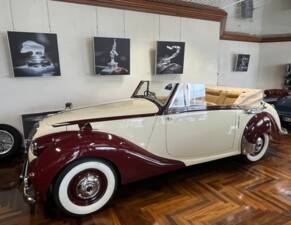
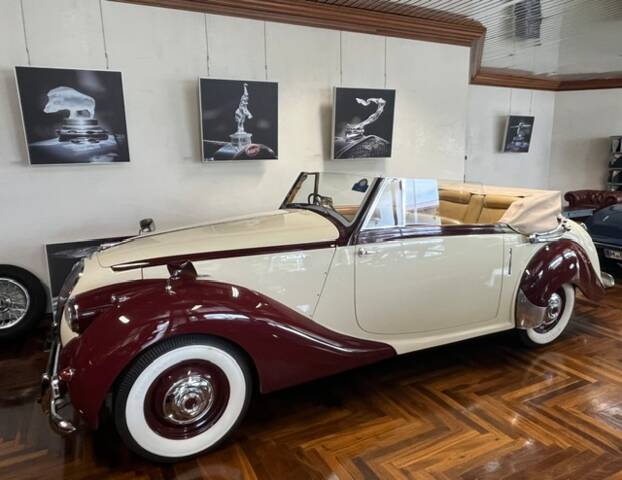
1949 | Lagonda 2.6 Litre MkI
Aston Martin Drophead Coupe

Lagonda 2.6 Litre listing references from Classic Trader
Below you will find listings related to your search that are no longer available on Classic Trader. Use this information to gain insight into availability, value trends, and current pricing for a "Lagonda 2.6 Litre" to make a more informed purchasing decision.
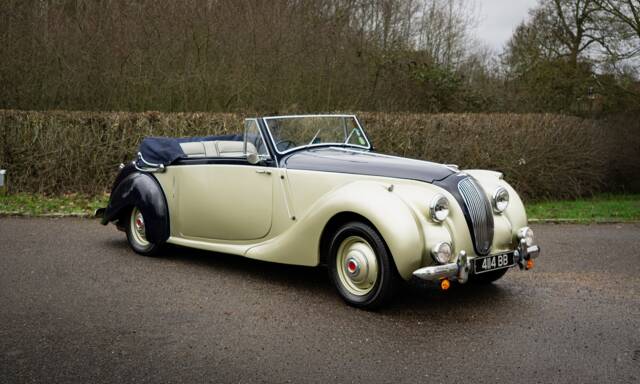
1951 | Lagonda 2.6 Litre MkI
1951 Lagonda 2.6 Litre Drophead Coupe

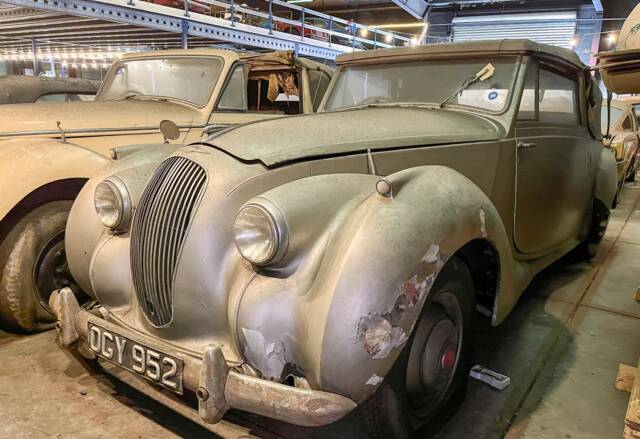
1953 | Lagonda 2.6 Litre MkI
Lagonda

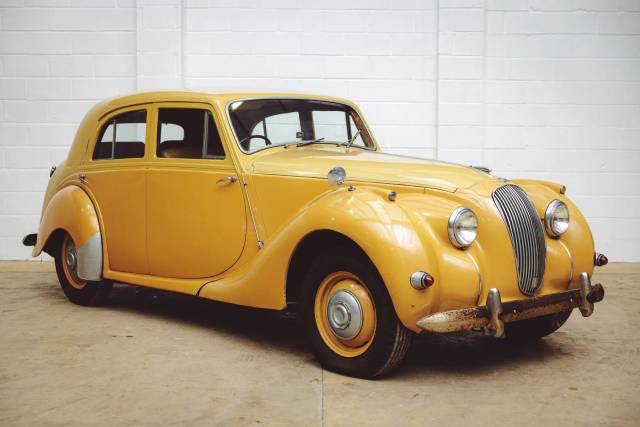
1953 | Lagonda 2.6 Litre MkI
Fabulous from Felham! - Rare - Project
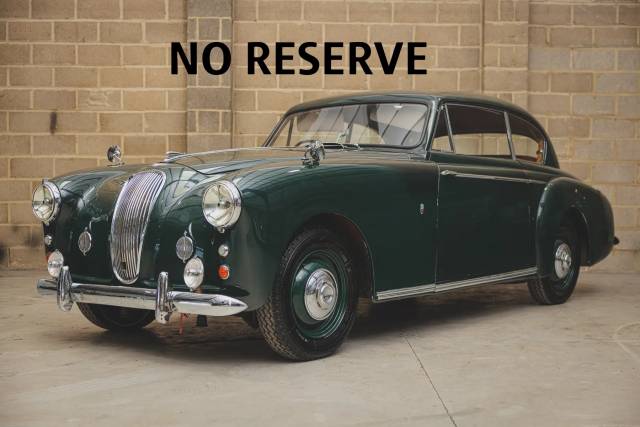
1951 | Lagonda 2.6 Litre MkI
Gorgeous Droptop - No Reserve
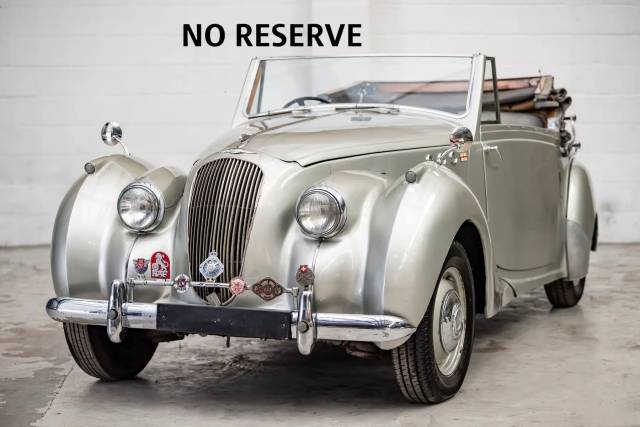
1951 | Lagonda 2.6 Litre MkI
Stunning Project - No Reserve
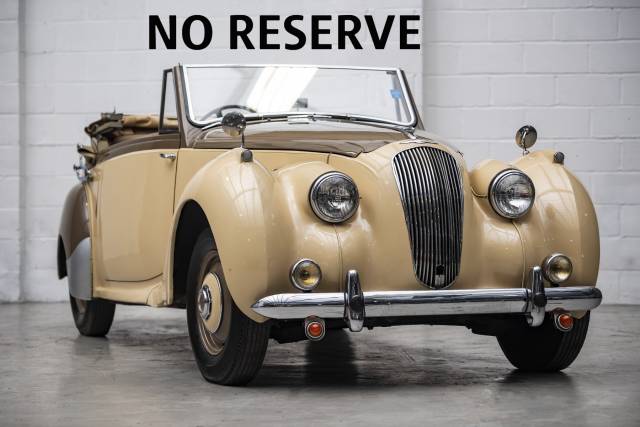
1952 | Lagonda 2.6 Litre MkI
Superb Condition - Quite Rare
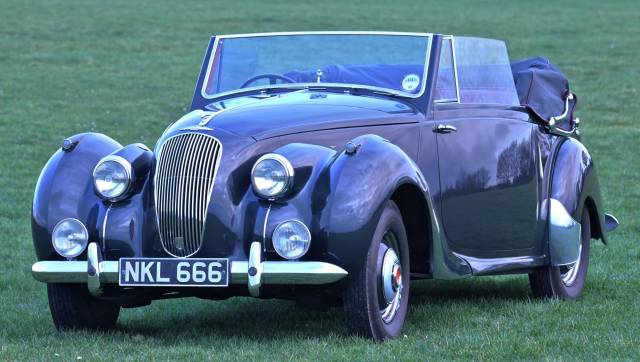
1951 | Lagonda 2.6 Litre MkI
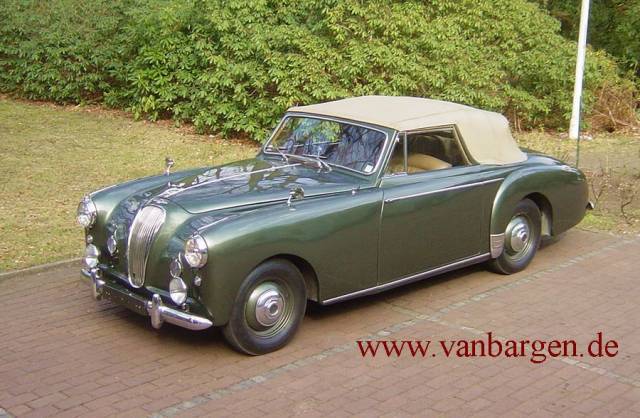
1951 | Lagonda 2.6 Litre MkI
Tickford Cabriolet
Lagonda 2.6 Litre Classic Cars: Prices & Market Values
History of the Lagonda 2.6 Litre
After its 1947 acquisition by David Brown, Lagonda operated alongside Aston Martin under the umbrella of Aston Martin Lagonda Ltd. The 2.6 Litre was the first all-new model produced following this corporate union, marking a fresh start in Feltham rather than the historic Staines facility. The new model struck out from typical Aston Martin sports cars, targeting the luxury segment with significant engineering input from the famed W.O. Bentley. With its roots tracing back to Bentley’s pre-war design work, the 2.6 Litre embodies the ambition of reviving British luxury motoring after World War II.
Model History and Legacy
The Lagonda 2.6 Litre debuted in 1948, offered initially as both a four-door saloon and a two-door drophead coupé, each accommodating four seats. The majority were built as Mark I models until 1952, when the Mark II appeared, featuring an engine power increase but produced only as saloons. A total of approximately 510 units were built before the model was succeeded by the Lagonda 3 Litre in 1953. Many surviving 2.6 Litre parts were later adopted for use in Aston Martin vehicles, contributing to the rarity of complete originals today.
Highlights and Distinguishing Features
The Lagonda 2.6 Litre is notable for its advanced mechanicals, including an all-independent suspension with coil springs at the front and torsion bars at the rear—a departure from the norm in British luxury cars of the era. The car also introduced a twin overhead camshaft inline-six engine, designed by Bentley himself. The bodies were first produced in-house, then later by Tickford, yet retained a consistent appearance. Both technical innovation and exclusivity set the 2.6 Litre apart.
Technical Data
Special Editions and Rarities
No official factory special editions were produced for the Lagonda 2.6 Litre, but open-top drophead coupés are particularly rare. Additionally, custom-bodied vehicles by coachbuilders such as Tickford (post-1950) are seen as especially desirable due to their low production numbers and individual trims.
Known Issues and Maintenance
Potential owners should pay particular attention to originality, as many vehicles were dismantled for Aston Martin parts compatibility. Mechanical complexity—such as the twin-cam engine and the sophisticated suspension—demands periodic expert attention and regular maintenance, especially due to the age of electrical and hydraulic systems.
Engine, Transmission and Handling
The Lagonda 2.6 Litre’s straight-six, designed by Bentley, offered smooth power delivery and robust torque, particularly in the revised Mark II version (125 hp). The car’s underpinnings—an X-braced steel chassis and fully independent suspension—give it remarkable comfort for its age, though some body roll can be expected on curves. The four-speed manual ensures engaging driving involvement but lacks the quickness of more modern gearboxes. - Lagonda 2.6 Litre Mark I: 107 hp engine, available as saloon and drophead coupé.
- Lagonda 2.6 Litre Mark II: Engine output increased to 125 hp, only available as saloon.
Interior, Comfort, Exterior and Design
Frank Feeley’s exterior styling combines long bonnet proportions with a formal grille and restrained chrome. Interiors feature wood veneers, fine leather upholstery, and understated luxury fittings. Tickford-bodied examples often include subtle trim variations and, on occasion, unique paint-to-sample options. Special equipment included period-typical extras like driving lamps and optional wire wheels.
Other Relevant Features
Production shifted from Staines to Feltham for the 2.6 Litre, coinciding with Aston Martin models. While most cars sported factory steel bodies, a very limited number received coachbuilt or modified trims. The compatibility of parts with contemporary Aston Martins has caused further attrition of original cars, contributing to their scarcity today.
Summary
The Lagonda 2.6 Litre offers an authentic glimpse into British luxury engineering of the immediate post-war period. Distinct for its Bentley-designed engine and advanced mechanics, the model’s low production numbers and the attrition of many units to donor status for Aston Martins make surviving examples notable finds for classic car enthusiasts with a taste for rare, technically sophisticated saloons or drophead coupés.