Jaguar XK-SS Classic Cars for Sale
The Jaguar XK-SS embodies the unparalleled fusion of 1950s British motorsport technology with street drivability. Originally developed as a road-legal version of the Le Mans-winning D-Type, this rare model exists in only 16 original examples, offering direct lineage to racing heritage and extraordinary exclusivity.
Search results
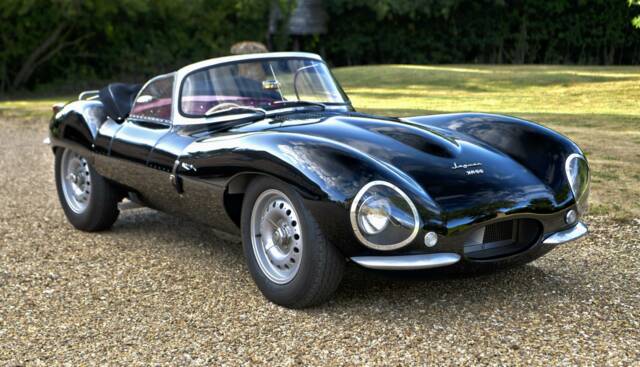

Jaguar XK-SS listing references from Classic Trader
Below you will find listings related to your search that are no longer available on Classic Trader. Use this information to gain insight into availability, value trends, and current pricing for a "Jaguar XK-SS" to make a more informed purchasing decision.
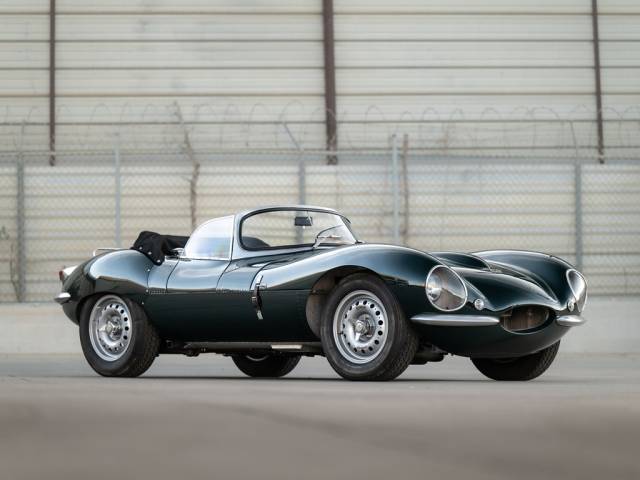
1970 | Jaguar XK-SS
1970 Jaguar XKSS Recreation by Lynx
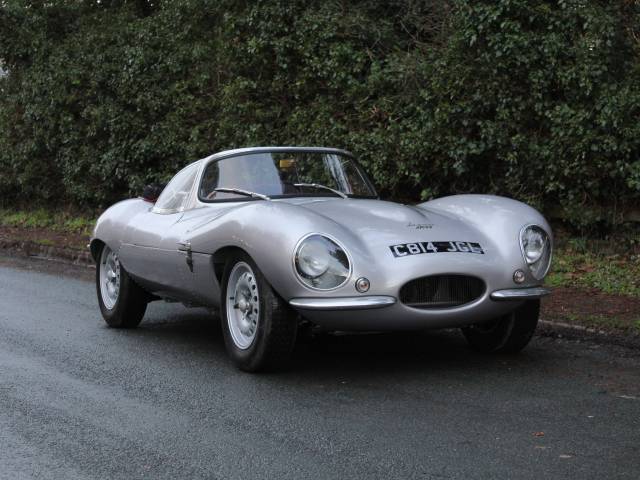
2021 | Jaguar XK-SS
2021 Jaguar XKSS Recreation - Realm Heritage
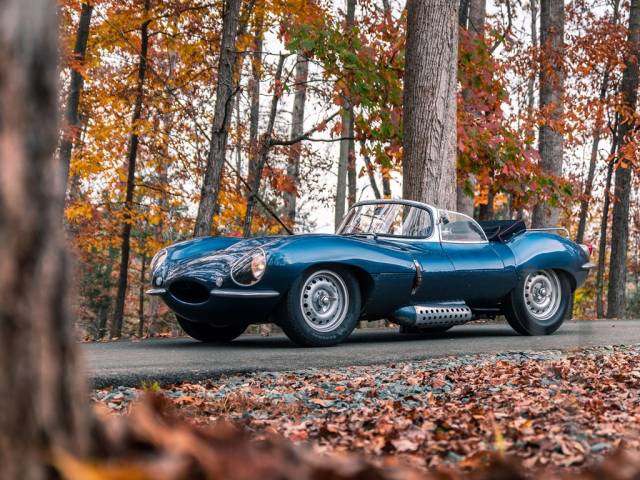
1957 | Jaguar XK-SS
1957 Jaguar XKSS
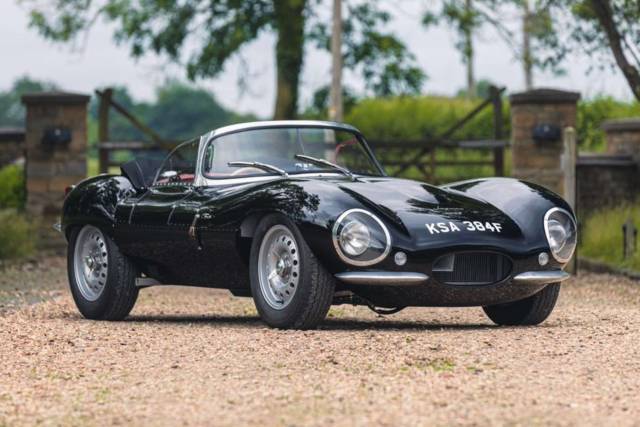
1967 | Jaguar XK-SS
1967 XKSS Re-Creation
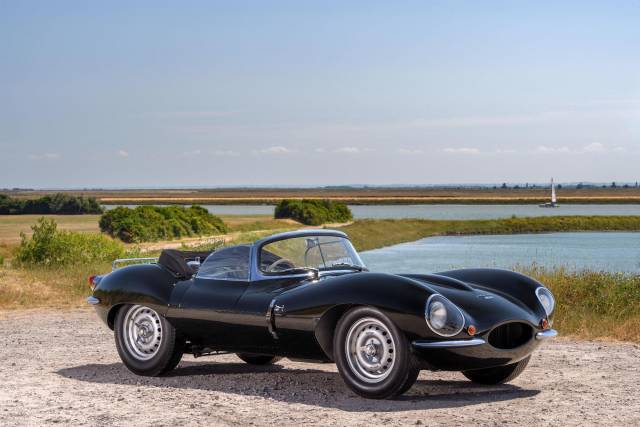
1957 | Jaguar XK-SS
By Pearsons Engineering
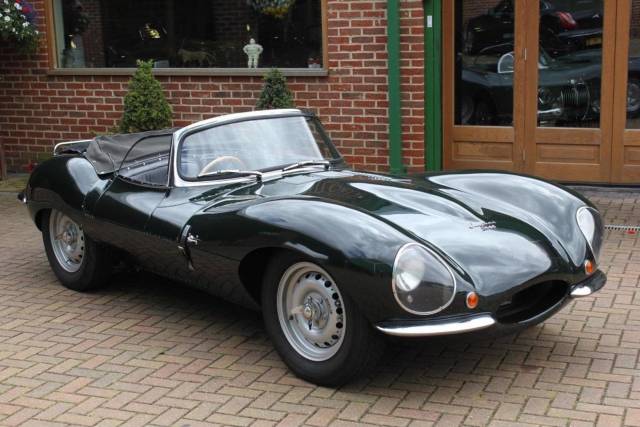
1957 | Jaguar XK-SS
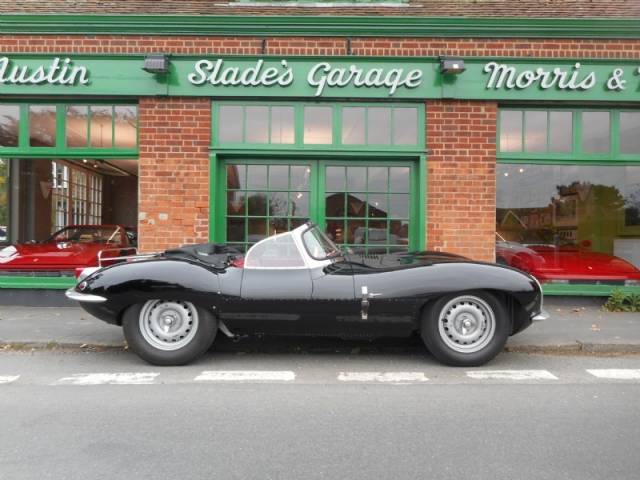
1956 | Jaguar XK-SS
Jaguar XKLynx SS 3.8 Recreation
Jaguar XK-SS Classic Cars: Prices & Market Values
History of the Jaguar XK-SS
Following Jaguar's withdrawal from motorsport in 1956, the surplus D-Type chassis were converted by Jaguar into the XK-SS, transforming a purebred race car into a performance vehicle for the road. The modifications included the removal of the D-Type's rear fin, addition of passenger amenities such as a full-width windscreen, side windows, a passenger door, and modest folding roof. Jaguar intended to build 25 units, but after a devastating fire at Browns Lane, just 16 originals were completed. Conceived mainly for the American market, the XK-SS catered to the desire for high-powered European sports cars with competitive racing performance packaged for street use.
Model History
The XK-SS directly descends from the Jaguar D-Type, which achieved numerous victories, including at Le Mans. After the D-Type, Jaguar did not produce a direct successor in the same mold, shifting instead towards more conventional sports and touring cars in later decades. Several tribute and replica models have subsequently been crafted, mainly based on E-Type platforms, and these build upon the XK-SS tradition with variations in bodywork, right- or left-hand drive options, and adaptations for comfort or modern usability.
Highlights of the Jaguar XK-SS
The XK-SS sets itself apart by offering a Le Mans chassis and technology, but road-legal and tailored for discerning drivers. Each car featured a tubular steel frame, monocoque construction, and Dunlop 16-inch wheels, with period-correct Weber carburetors and Jaguar's in-line six-cylinder engine. Its equipment was minimal yet purposeful, featuring essential gauges, racing-derived seating, and hand-finished leather touches. The most notable XK-SS was owned by Hollywood star Steve McQueen, which brought additional fame to the already near-mythical model.
Technical Data
Special Editions and Collectible Models
The XK-SS, by its original nature, is a special model—of the planned 25 cars, only 16 factory-built cars exist. Modern replica and continuation models, often built by companies like Lynx Motors Engineering, interpret and honour the original through meticulous engineering with hand-built aluminium bodies, period-correct mechanics, and often bespoke interpretations for individual customers. These include optional extended footwells, detail-correct interiors, and special finishes for left- or right-hand drive preferences.
Weak Spots and Common Issues
Due to the extremely limited number of original cars and their high value, nearly all details—chassis, engine, body panels, and mechanicals—require skilled specialist attention. For replica or continuation cars, close attention should be given to correct balance of period specification and any modernization. Both originals and high-quality replicas may have maintenance demands consistent with high-powered six-cylinder Jaguars of the era: carburettor tuning, brake servicing, and preservation of hand-fabricated aluminium or composite panels are priorities.
Engine and Performance, Transmission and Handling
Power delivery comes from the famous Jaguar XK straight-six engine, typically tuned for 250+ hp, coupled with a lightweight racing chassis that ensures communicative handling and brisk acceleration by 1950s standards. Suspension and brakes are directly adapted from Jaguar’s racing experience, translating into nimble and predictable road manners. Many XK-SS replicas utilize the 4.2-litre six-cylinder with upgrades for improved power delivery while retaining the original’s driving character. - Jaguar XK-SS by Lynx Motors: Faithful replica with aluminium monocoque, triple Weber carburettors, and period-correct disc brakes.
- Original factory-built XK-SS: Historically, these vehicles featured the 3.4-litre, DOHC straight-six sourced from competition D-Types.
Interior, Comfort, Exterior and Design
Designed by Jaguar’s in-house styling department based on D-Type engineering drawings, the XK-SS has a striking, purposeful silhouette with minimalistic, functional lines. Many features—such as the small folding roof and removable side screens—were put in place to meet basic road car requirements. Chrome bumperettes and wire wheels contributed to its appeal, while the cockpit was dominated by a driver-focused dash, crafted bucket seats, and practical—but elegant—leather finishes. On replicas and continuations, details such as paint colour and seat materials can often be specified to the owner’s wishes; luggage racks and custom tonneau covers are frequent accessories.
Other Relevant Facts
The XK-SS has notable cultural status, particularly due to Steve McQueen’s ownership and use of the car nicknamed 'Green Rat'. The car remains a common sight at exclusives events and historic races—often through the presence of high-quality replicas. Attention to authenticity, both in appearance and engineering, separates the finest reconstructed examples from less precise tributes.
Summary
The Jaguar XK-SS stands as a bridge between 1950s racing and road culture. Constructed in a tiny batch, shaped by fire and fortune, and prized by enthusiasts for its direct connection to Le Mans-winning pedigree, it has been perpetuated through exacting replica builds and modern continuations. It remains one of the rarest and most respected classic British sports cars ever offered for public roads.