Jaguar D-Type classic cars for sale
The Jaguar D-Type, produced from 1954 to 1957, is renowned for its radical monocoque construction and dominance at Le Mans. Its racing pedigree, combined with its scarcity and technical innovation, makes it a highly sought-after piece of motorsport history.
Search results
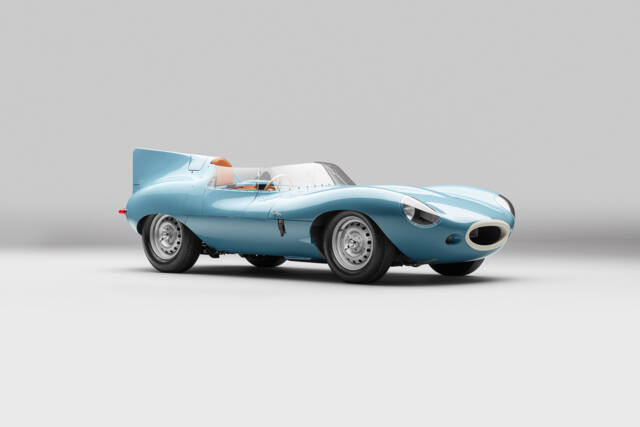

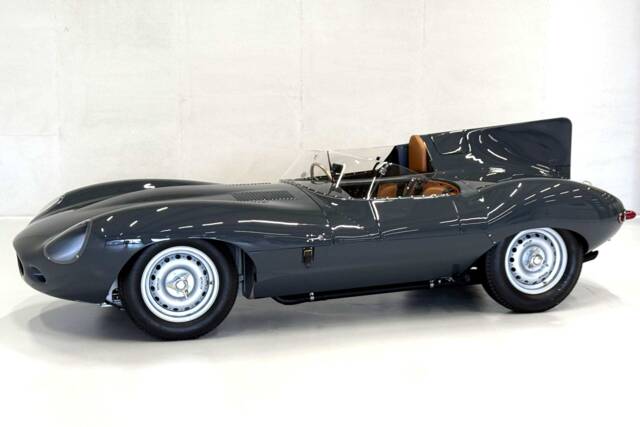
2019 | Jaguar D-Type
One of 25 / Long Nose Spec.


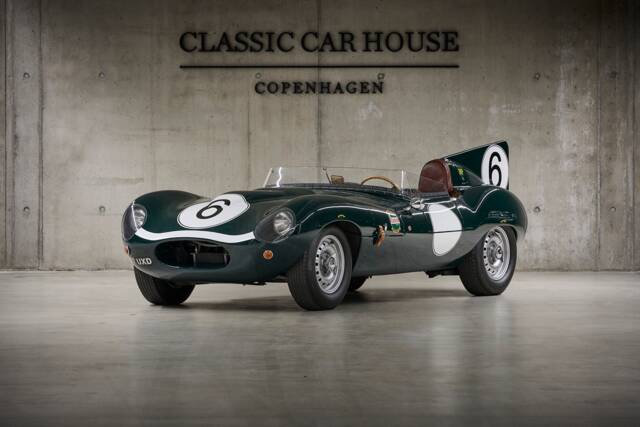
1954 | Jaguar D-Type
1962 D-Type Replica

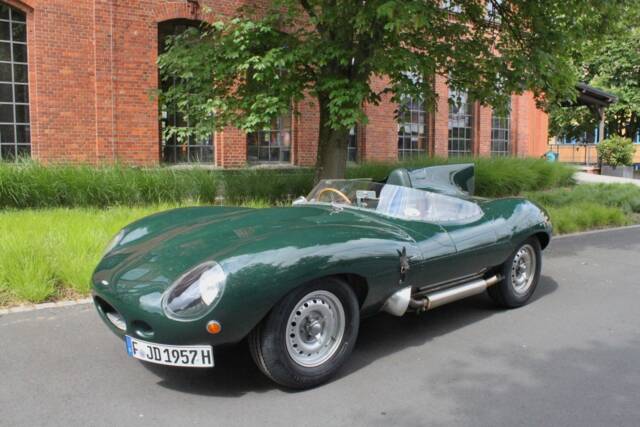
1964 | Jaguar D-Type
Replika Realm Engineering UK

Newsletter
The best Jaguar listings, straight to your inbox
Get hand-picked Jaguar listings, plus the best of cars, motorbikes, and auctions on Classic Trader — all in one place.

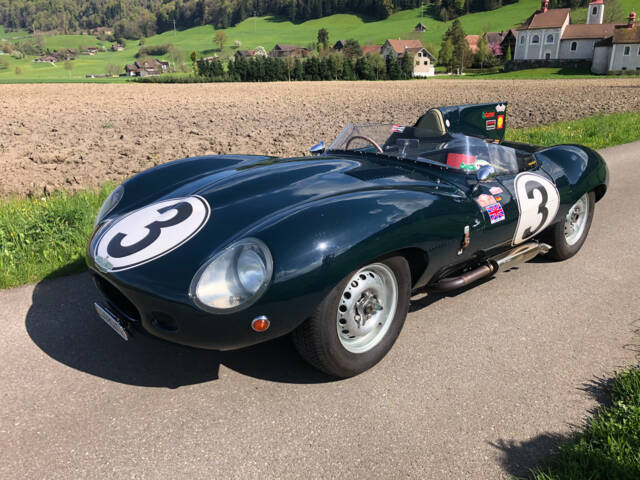
1970 | Jaguar D-Type
Jaguar D-Type Recr. von RAM
VAT is reclaimable
Jaguar D-Type listing references from Classic Trader
Below you will find listings related to your search that are no longer available on Classic Trader. Use this information to gain insight into availability, value trends, and current pricing for a "Jaguar D-Type" to make a more informed purchasing decision.
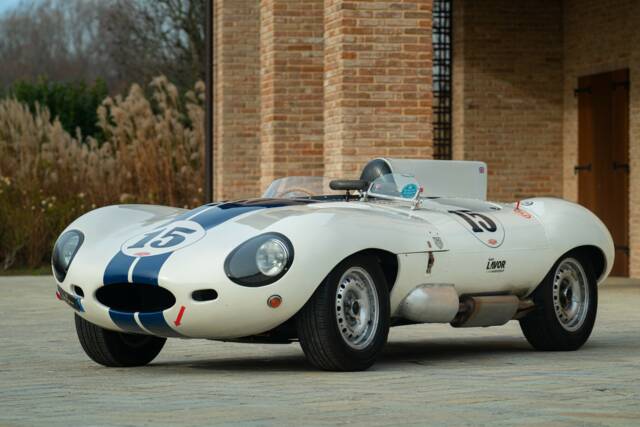
1977 | Jaguar D-Type
Jaguar D-Type Replica

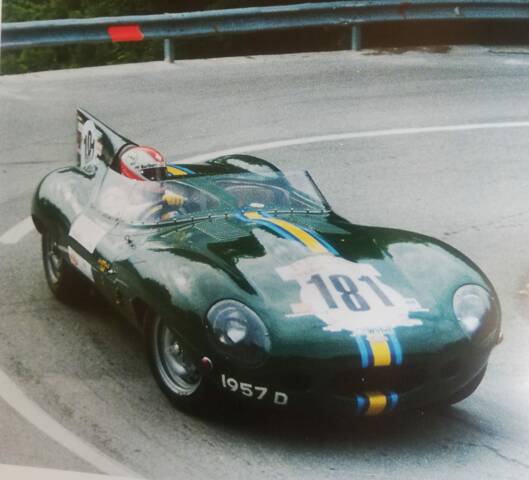
1957 | Jaguar D-Type
+++ 1960 wieder aufgebaut +++ durchgehende Historie +++ FIA Papers
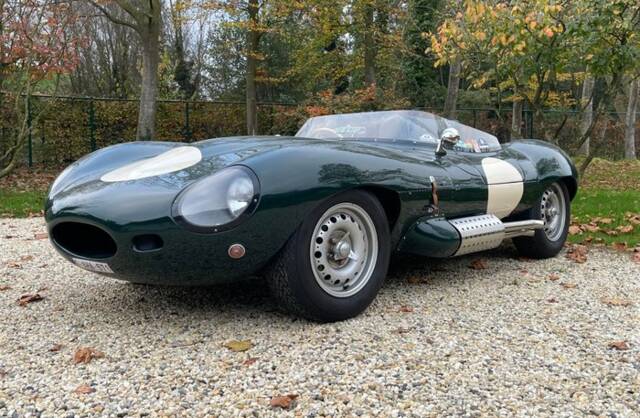
1960 | Jaguar D-Type
Jaguar - D type - Revival Replica - 1960

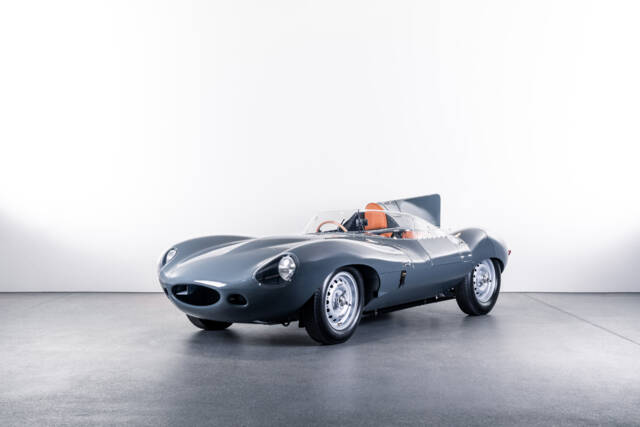
1956 | Jaguar D-Type
Jaguar D Type Long Nose -Recreation by Jaguar Classic 1 of 25
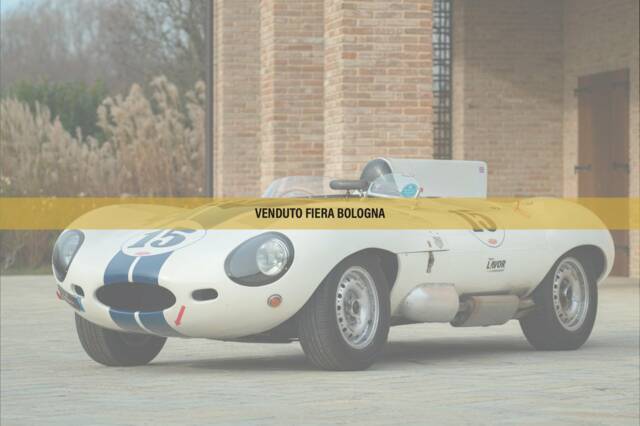
1977 | Jaguar D-Type
<p>PRESENTE PAD. 26 - FIERA BOLOGNA - 24-27 OTTOBRE</p>
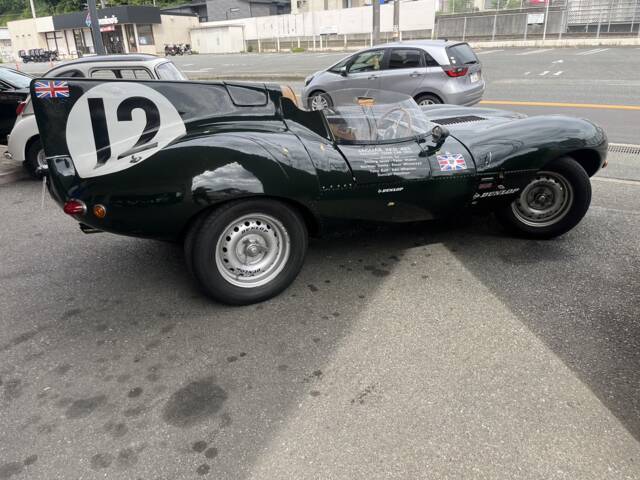
1964 | Jaguar D-Type
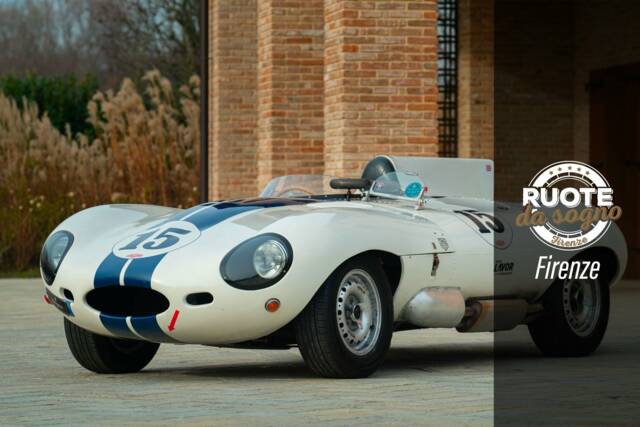
1977 | Jaguar D-Type
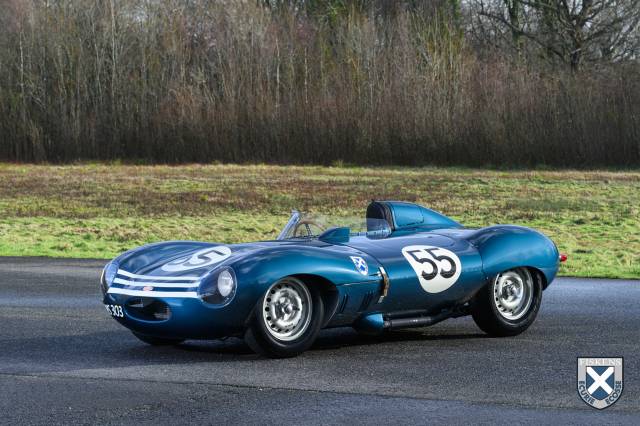
1956 | Jaguar D-Type
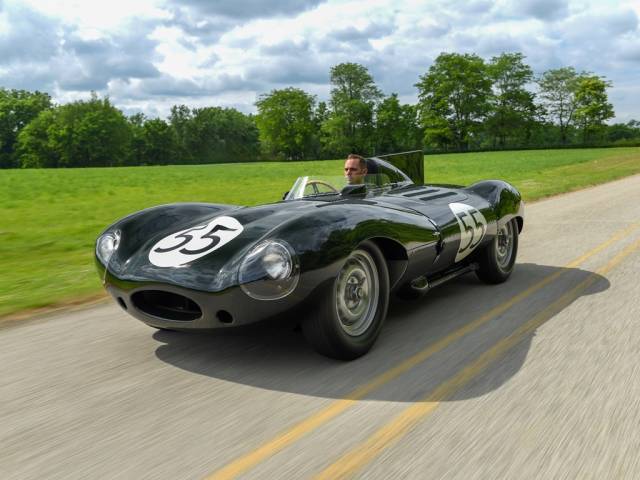
1955 | Jaguar D-Type
1955 Jaguar D-Type
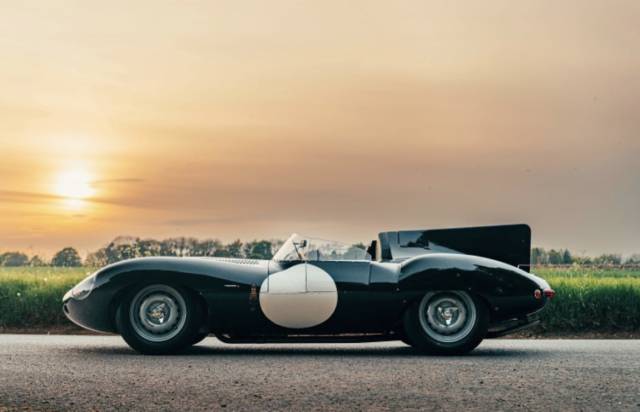
1957 | Jaguar D-Type
Jaguar D-Type Classic Cars: Prices & Market Values
History of the Jaguar D-Type
Jaguar introduced the D-Type in 1954, aiming squarely at victory in endurance racing, most notably the 24 Hours of Le Mans. Following on from the success of the C-Type, the D-Type was built with state-of-the-art aerodynamic principles courtesy of designer Malcolm Sayer and featured advanced monocoque construction—a first for Jaguar. The car made an immediate impact: besides its streamlined silhouette, D-Type integrated technology inspired by the aviation industry, such as a vertical rear fin on some versions for high-speed stability. Jaguar’s concentrated efforts paid off, with the D-Type winning Le Mans three consecutive times in 1955, 1956, and 1957. While Jaguar originally planned to build 100 units, only 75 were produced in Coventry due to shifting racing priorities and a tragic fire that destroyed many unfinished cars. Decades later, Jaguar Classic revived the D-Type, manufacturing 25 continuation cars to honour the original production goal.
Model History
The D-Type succeeded the Jaguar C-Type, pushing Jaguar’s motorsport technology forward into new territories. The D-Type’s innovation lay in its fused structure—monocoque central tub with a subframe for the engine and front suspension—establishing a balance between lightweight agility and robust strength. Its predecessor, the C-Type, had already set a benchmark, but with the D-Type’s superior aerodynamics and straight-6 XK engine, further Le Mans victories were secured. No direct successor took over from the D-Type; however, its design and engineering principles influenced later models like the E-Type and were foundational for the road-going XKSS, which was derived from unsold D-Type chassis.
Highlights and Unique Features of the Jaguar D-Type
The D-Type stands out due to its groundbreaking monocoque structure and external aerodynamic features, such as the vertical fin behind the driver's seat and smooth, flowing lines. The car’s 3.4-litre XK engine was developed for dependable high-performance endurance racing. Two distinct body variants evolved during its short production: the “Short Nose” (early models) and the “Long Nose” with improved streamlining and larger fuel tanks. Callouts to its engineering pedigree include aviation-influenced aerodynamics and a rear subframe. Only 75 original D-Types left the Coventry factory, with further units assembled decades later by Jaguar Classic, meticulously following original drawings.
Technical Data
Special Editions and Collectible Models
The rare road-going Jaguar XKSS was developed from unsold D-Type chassis between 1956 and 1957, specifically for the North American market. Officially, just 17 XKSS conversions were built before the factory fire—making surviving examples some of the most coveted among enthusiasts. These featured minor modifications for road use, including windshields, luggage racks, and folding tops, while retaining the D-Type’s race-bred engineering. In recent years, Jaguar Classic completed 25 additional D-Types, built to original specifications, further cementing the D-Type’s legacy.
Weak Spots and Common Issues
Due to its specialist construction, potential buyers should carefully examine a D-Type for signs of corrosion or structural damage, particularly along the alloy monocoque sections and steel subframes. Engine health is critical; the XK unit is robust but requires regular maintenance, especially with high-performance setups. Provenance is paramount due to the number of replicas and restorations: complete documentation and expert authentication are essential. Replacement parts, bodywork repairs, and race-specific upkeep demand expertise in historic motorsport vehicles.
Engine and Performance, Transmission and Handling
Powered by the proven XK straight-six, the D-Type’s engine combined reliability with the stamina required for 24-hour races. Thanks to the monocoque chassis, advanced suspension geometry, and low drag, the D-Type maintained high cornering speeds uncommon in its era. Disc brakes supplied consistency over extended periods—a crucial factor for endurance circuits like Le Mans. The car’s balance and direct steering response made it a formidable competitor and a rewarding drive for skilled pilots. - D-Type 'Short Nose': Early examples with compact tails, ideal for tighter circuits.
- D-Type 'Long Nose': Noted for a longer aerodynamic nose and larger tailfin, enhancing high-speed stability at Le Mans and similar tracks.
- Jaguar XKSS: Road-legal adaptation with minimal changes, bridging the gap between motorsport and public roads.
Interior, Comfort, Exterior and Design
Aerodynamics drove every design decision: the D-Type’s teardrop shape, pronounced headrest fin (on select models), and low-profile silhouette were all calculated for speed and stability. The cockpit remained spartan, trimmed for weight saving, with only essential instruments. Thanks to Malcolm Sayer’s aeronautical background, features like the one-piece wraparound windscreen and side-exit exhausts were practical as well as visually striking. The XKSS modification added minimal comfort elements for road legality, such as a passenger door and weather protection—without diluting the race-car DNA. Materials included lightweight aluminium panels, drilled steel components, and period-correct leather for seats where present.
Other Features
D-Types are eligible for prestigious historic racing events, including the Le Mans Classic and Goodwood Revival, where their engineering and performance are regularly put to the test against contemporary machinery. A strong culture of faithful restorations and expert-built recreations persists in the UK, making careful vetting of originality crucial for collectors.
Summary
Whether as an original, continuation, XKSS version or expertly built recreation, the Jaguar D-Type remains an extraordinary statement of British motorsport engineering from the golden age of Le Mans racing. Its rarity, technical ingenuity, and unmistakable design continue to set benchmarks in historic motorsport culture.