Jaguar Mk V classic cars for sale
Built between 1948 and 1951, the Jaguar Mk V is available as a robust saloon or an elegant Drophead Coupé. Notable for being the first Jaguar with hydraulic brakes, independent front suspension, and both left- and right-hand drive options, the Mk V pairs technological progress with refined British styling. The Mk V stands out for its spaciousness, mechanical durability, and distinctive aesthetics.
Search results
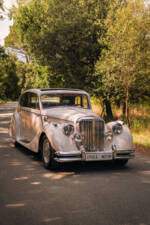
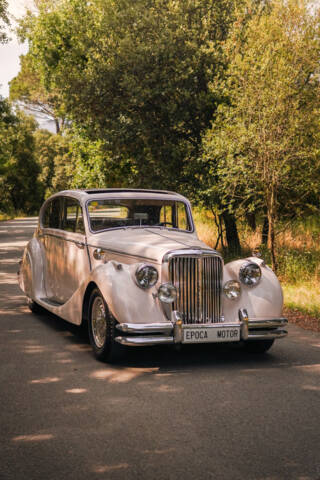
1949 | Jaguar Mk V 3.5 Litre
Jaguar Mk V 3.5 Litre

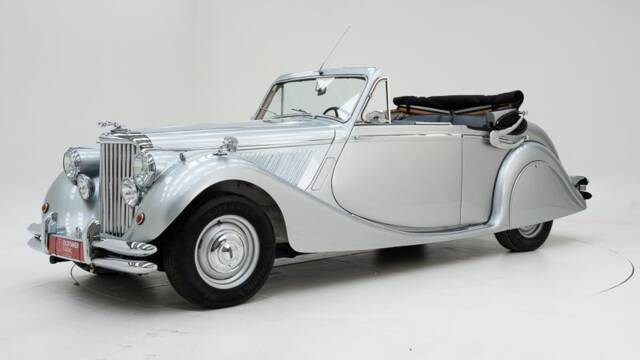
1949 | Jaguar Mk V 3.5 Litre
1949 Jaguar MK V 3.5 DHC '49

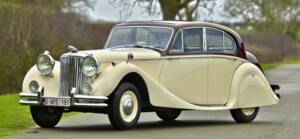
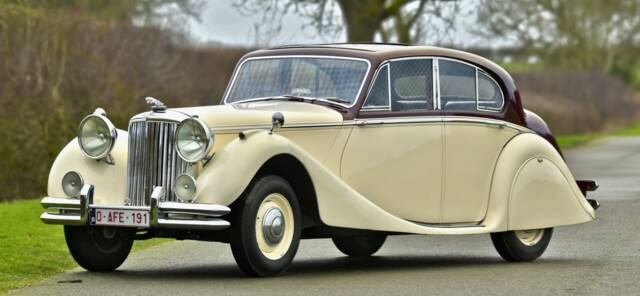

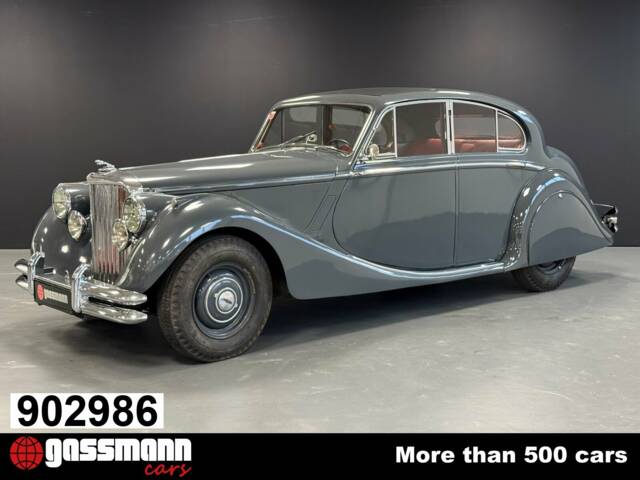
1951 | Jaguar Mk V 3.5 Litre
MK V / MK 5 3,5 Liter Limousine

Newsletter
The best Jaguar listings, straight to your inbox
Get hand-picked Jaguar listings, plus the best of cars, motorbikes, and auctions on Classic Trader — all in one place.
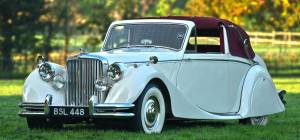
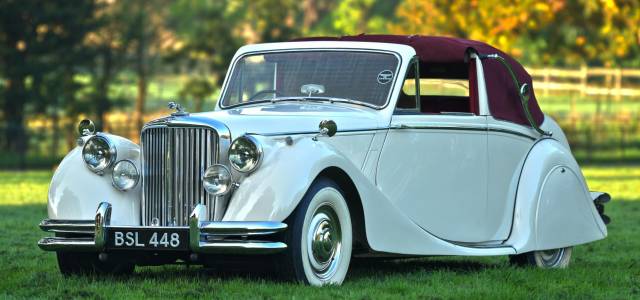
Jaguar Mk V listing references from Classic Trader
Below you will find listings related to your search that are no longer available on Classic Trader. Use this information to gain insight into availability, value trends, and current pricing for a "Jaguar Mk V" to make a more informed purchasing decision.
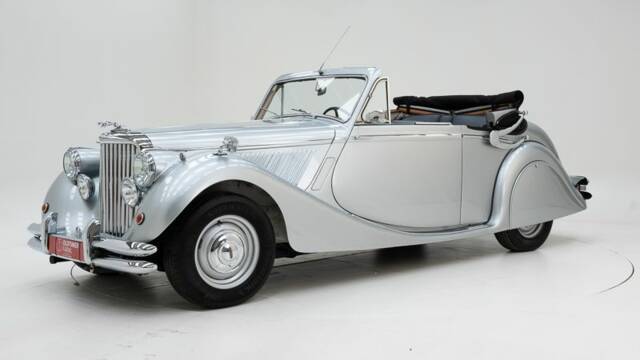
1949 | Jaguar Mk V 3.5 Litre
1949 Jaguar MK V 3.5 DHC '49
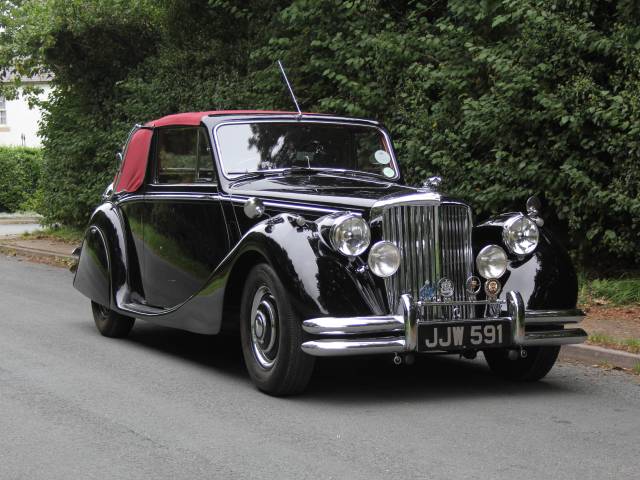
1951 | Jaguar Mk V 3.5 Litre
1951 Jaguar MKV 3.5 DHC
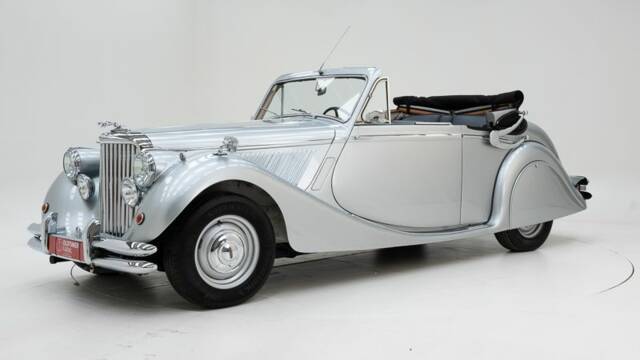
1949 | Jaguar Mk V 3.5 Litre
1949 Jaguar MK V 3.5 DHC '49
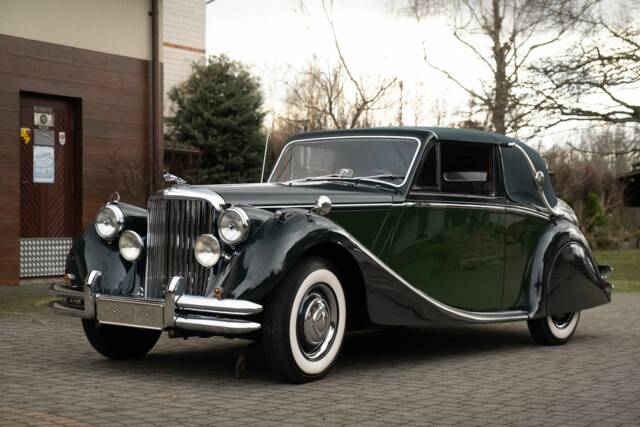
1951 | Jaguar Mk V 3.5 Litre
DHC

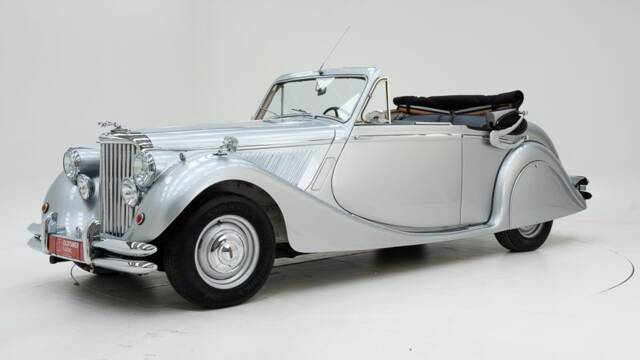
1949 | Jaguar Mk V 3.5 Litre
1949 Jaguar MK V 3.5 DHC '49
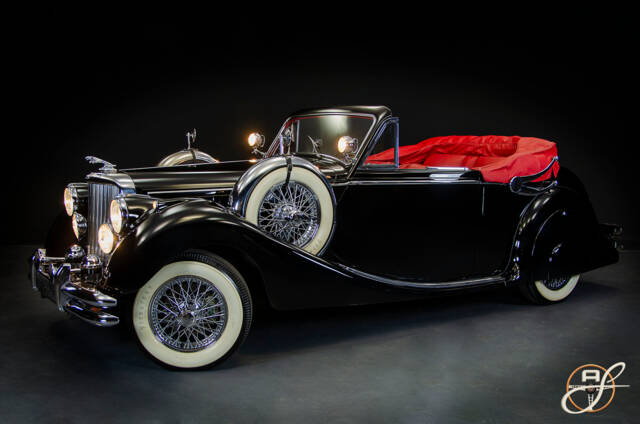
1949 | Jaguar Mk V 3.5 Litre
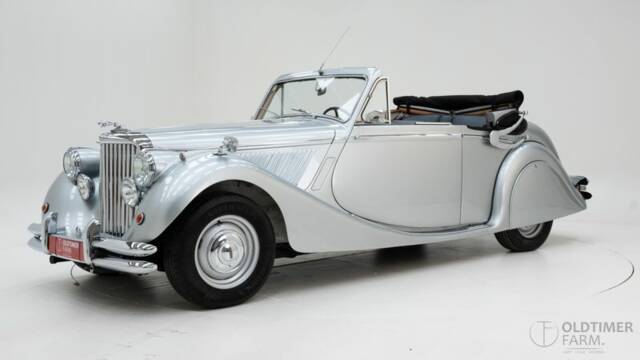
1949 | Jaguar Mk V 3.5 Litre
1949 Jaguar MK V 3.5 DHC '49
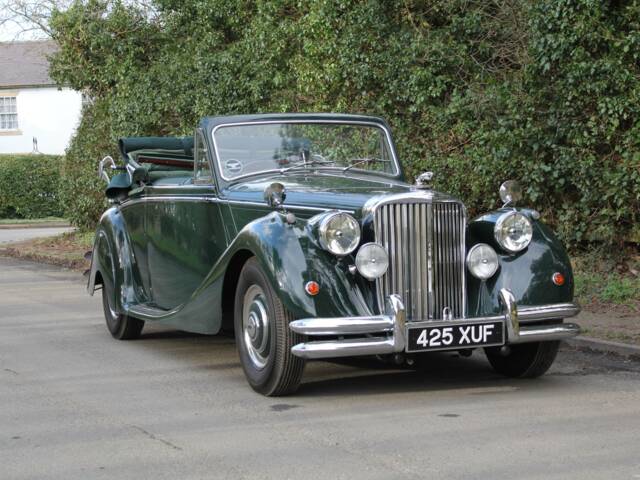
1951 | Jaguar Mk V 3.5 Litre
1951 Jaguar MKV 3.5 DHC
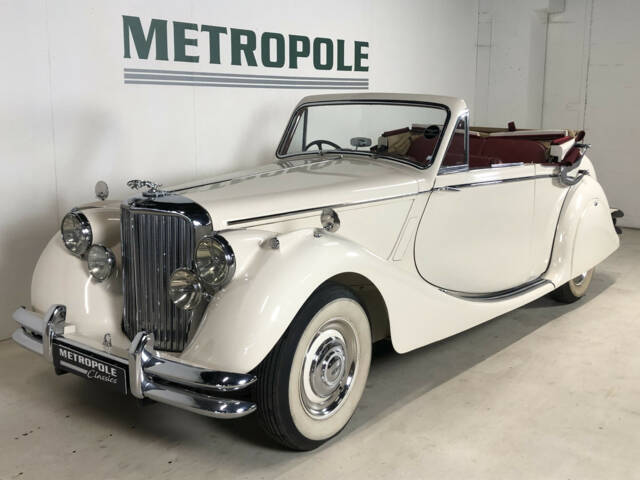
1950 | Jaguar Mk V 3.5 Litre
Jaguar MK V 3.5L DHC M0920

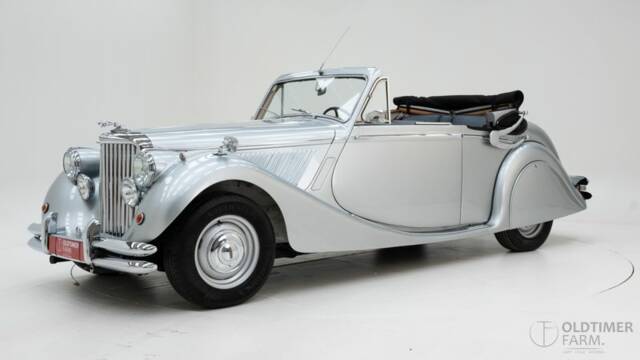
1949 | Jaguar Mk V 3.5 Litre
1949 Jaguar MK V 3.5 DHC '49
Jaguar Mk V Classic Cars: Prices & Market Values
History of the Jaguar Mk V
Jaguar produced the Mk V from 1948 to 1951 in Coventry, targeting buyers who wanted sophisticated engineering paired with traditional luxury. Introduced at the 1948 London Motor Show alongside the XK120, it followed the SS Jaguar Mark IV and was designed as a modern step forward while retaining proven mechanicals such as the overhead valve straight-six engines. The Mk V marked several 'firsts' for Jaguar: it featured independent front suspension, full hydraulic brakes, and was engineered for both right- and left-hand-drive markets to expand global appeal. With a pressed steel body, spats over the rear wheels, and flush-fitting headlights integrated into the front wings, the Mk V visually departed from its predecessors. Jaguar built 10,499 Mk V units in total, comprising both saloon and drophead coupé body styles. The model’s production ended in 1951, succeeded by the more streamlined Jaguar Mark VII.
Model History
The Mk V replaced the SS Jaguar Mark IV, carrying over its predecessor's 2.7-litre (2 ½ Litre) and 3.5-litre (3 ½ Litre) inline-six engines, but introduced a host of new chassis and comfort features. The Mk V’s successor was the Mark VII, released in 1950 with even more aerodynamic bodywork and a modernized approach. Contrary to its designation, there were no earlier official 'Mark I–IV' Jaguars—the Mk V name referred to internal prototype development and a naming practice that was later continued for generations. The Mk V ran in parallel production with the XK120, but Jaguar produced twice as many Mk Vs as XK120s. The Mk V was marketed as both a luxury saloon and a rarer drophead coupé.
Highlights of the Jaguar Mk V
The Mk V boasts several engineering milestones for Jaguar: first use of hydraulic brakes for improved stopping power, and the first with independent front suspension that contributed to comfort and handling. The model offered practical innovations such as spats (wheel covers) over the rear wheels, disc-centre 16" wheels with balloon tyres, and optional sealed headlamps with flashing indicators to meet American regulations. The interior specification included full leather trim and extensive real wood detailing. The Drophead Coupé added functional Landau bars—a technical and visual feature. Model identification was proudly displayed on the bonnet. Total worldwide production was 10,499 across all variants, with only 714 Drophead Coupé examples built (577 in left-hand drive with the larger engine). The Mk V's share of supply and demand in the Classic Trader database is 100% within its model group, clearly showing focused interest among classic Jaguar buyers.
Technical Data
Special Editions and Collectible Models
Notable for their scarcity, 714 Drophead Coupés left the factory, 577 of them in left-hand drive with the 3.5-litre engine. Only 108 right-hand drive Drophead Coupés with the larger engine were built, mainly for export markets, making these highly unusual on the classic car scene. Another rarity is the 2 ½ Litre Saloon in right-hand drive: only 1,481 produced during the run. All Mk Vs originally came with a comprehensive tool kit, now a valued part of complete cars.
Engine and Performance, Transmission and Handling
The Mk V maintained the robust pushrod six-cylinder engines from earlier models, but added new driving refinement. Its unique double wishbone front suspension with torsion bars was a Jaguar first and laid the foundation for future chassis designs. Hydraulic shocks supported the car's considerable weight, delivering a balanced and predictable ride. A 4-speed manual gearbox directed power to the rear wheels, with performance peaks at 146 km/h and a 0–100 km/h sprint in just over 20 seconds (for the 3.5-litre). The Mk V’s handling is praised for composure at speed and a soft ride over long distances. The 3 ½ Litre saloon was by far the most prevalent, with 7,828 units produced, offering 125 bhp at 4,500 rpm and 244 Nm at 2,300 rpm. The 2 ½ Litre saloon accounted for 1,674 units, while the Drophead Coupé (mostly 3.5-litre) numbered just 714.
Interior, Comfort, Exterior and Design
The Mk V presents hallmark postwar British styling: a long, sweeping bonnet tipped by the leaping Jaguar mascot atop the iconic grille, flush-fit headlights, and integrated rear-wheel spats. Interiors were fitted with hand-stitched leather seats and polished wood fascia, setting a tone of understated luxury. Cars shipped with onboard tool kits as standard. Exterior distinctions included prominent bonnet badging marking engine size, chrome accents, and the practical yet decorative Landau bars of the Drophead Coupé. Period-correct original documentation and manuals are often still with well-cared-for examples. Bodywork was entirely pressed steel, delivering both strength and a subtle, rounded appearance unusual for the late 1940s. Specialist factory paint colours were available, but all visuals retained Jaguar's instantly recognisable lines.
Other Features
The Mk V included rare details for its era, such as sealed beam headlights and flashing indicators in export variants. Multi-lingual documentation and left-hand drive made the Mk V an early export success outside the UK. The inclusion of high-quality original toolkits remains a hallmark amongst the best surviving examples.
Summary
The Jaguar Mk V stands as a turning point in postwar British saloon car design: it combined proven mechanicals and elegant styling with breakthrough features such as independent front suspension, hydraulic brakes, and dual-market appeal. Its production run of 10,499 units, across both popular saloons and rarer Drophead Coupés, marks it as a significant classic. Especially notable are its strong supply and demand ratios within dedicated classic car markets—data from Classic Trader confirms the Mk V's unique position within Jaguar's postwar heritage.