Jaguar Mk VII Classic Car for Sale
The Jaguar Mk VII stands for British engineering from the early 1950s, uniting luxurious comfort, innovative XK-technology and an unmistakable silhouette. With a powerful 3.4-litre six-cylinder engine and detailed interior craftsmanship, the Mk VII is a sought-after four-door saloon, both with motoring historians and in the rally scene.
Search results
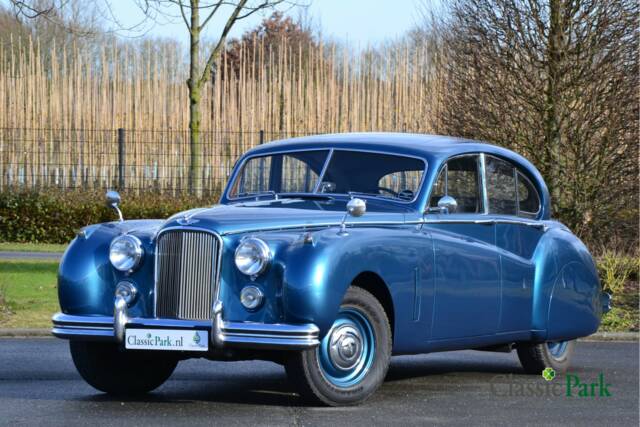
1951 | Jaguar Mk VII
Jaguar Mk VII 3.5 Litre Saloon


Auctions ending soon

Loading…
Loading…
Loading…
Loading…
Jaguar Mk VII listing references from Classic Trader
Below you will find listings related to your search that are no longer available on Classic Trader. Use this information to gain insight into availability, value trends, and current pricing for a "Jaguar Mk VII" to make a more informed purchasing decision.
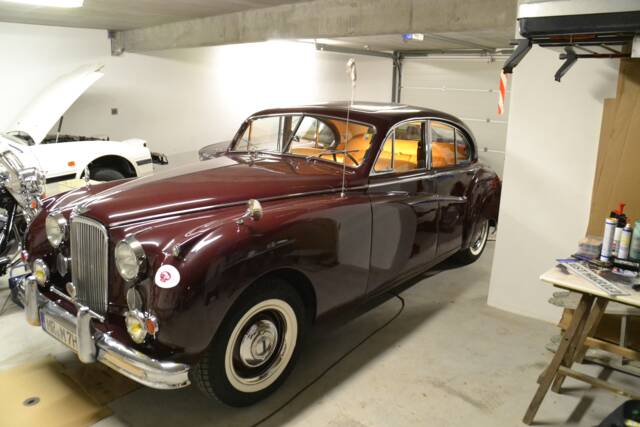
1955 | Jaguar Mk VII M
Linkslenker, Schalter mit Overdrive, Servolenkung, 190 PS

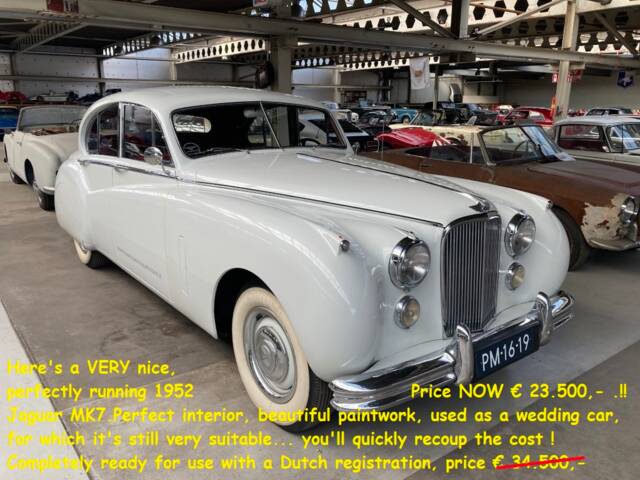
1952 | Jaguar Mk VII
Jaguar-MK7 no. 734506
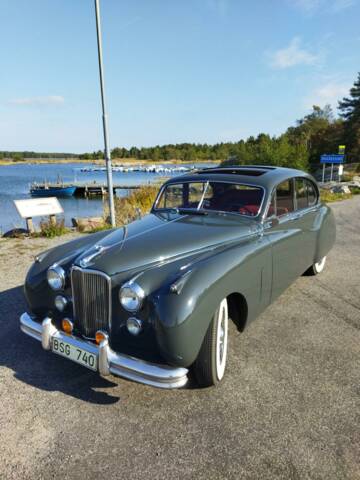
1954 | Jaguar Mk VII
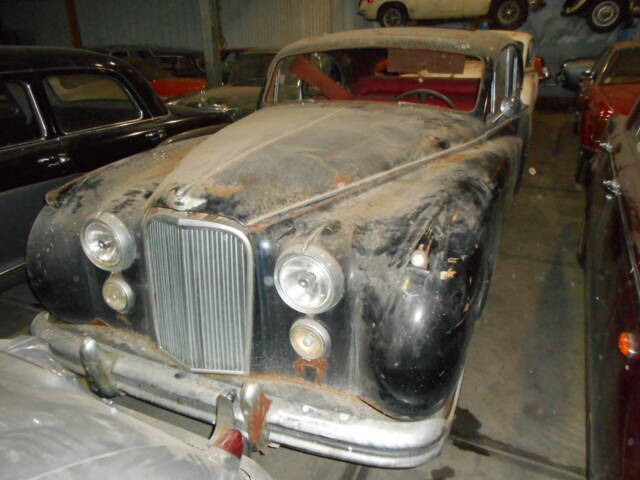
1955 | Jaguar Mk VII M
Jaguar-MK7 to restore
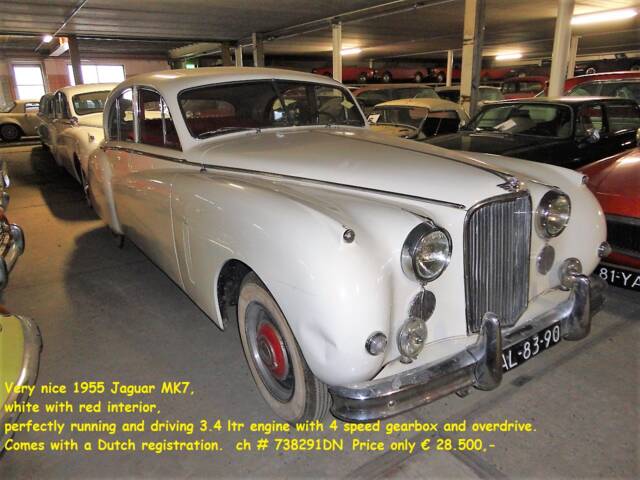
1955 | Jaguar Mk VII
Jaguar-MK7 very good
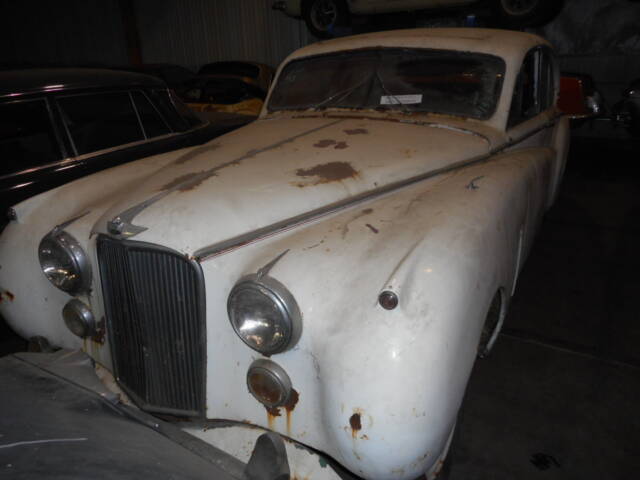
1952 | Jaguar Mk VII
Jaguar-MK7 to restore
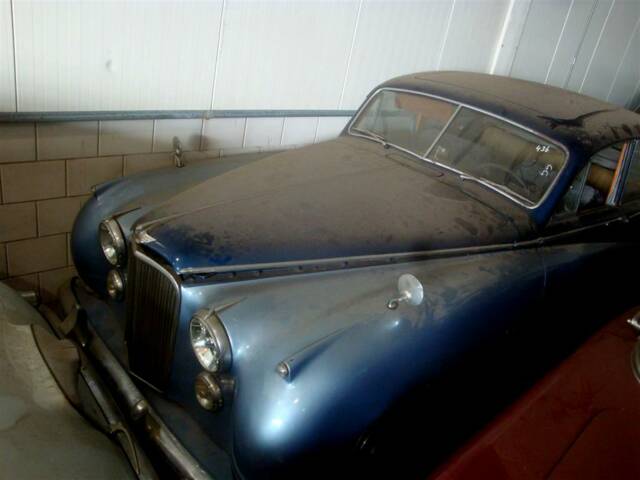
1955 | Jaguar Mk VII M
Jaguar-MK7 - sedan
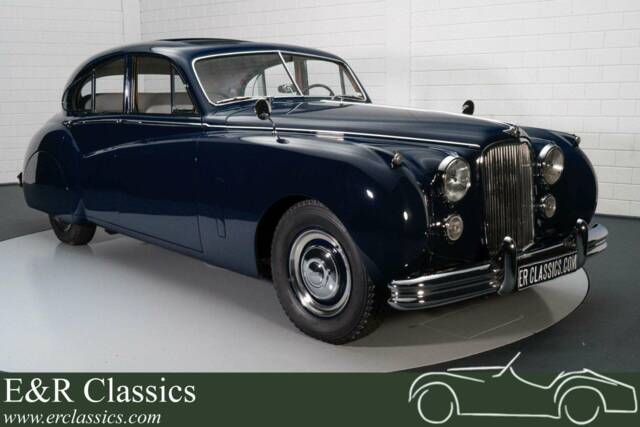
1955 | Jaguar Mk VII M
Jaguar MK7 | Gerestaureerd| Schuifdak | Links gestuurd |
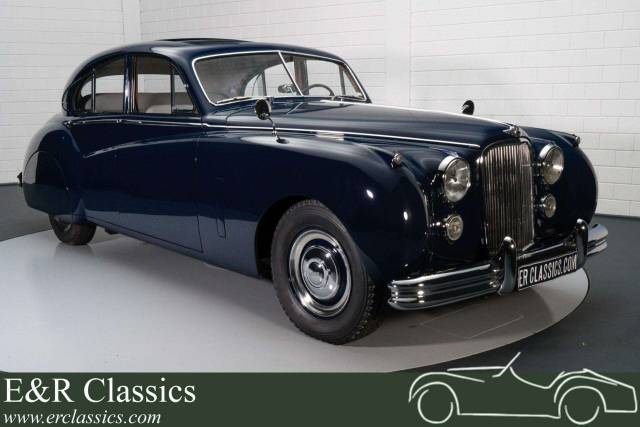
1955 | Jaguar Mk VII M
Jaguar MK7 | Gerestaureerd | Schuifdak| Links gestuurd |
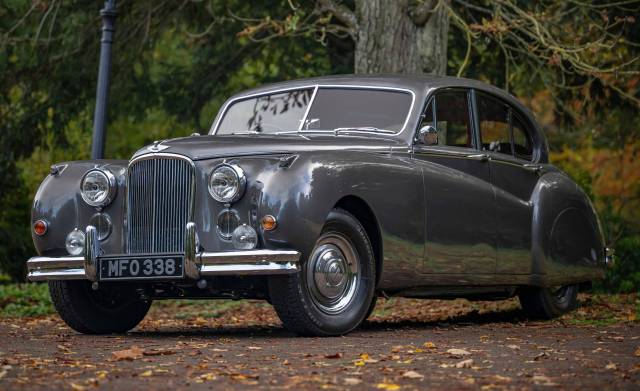
1955 | Jaguar Mk VII M
Astonishing Restoration - No Expense Spared
Jaguar Mk VII Classic Cars: Prices & Market Values
History of the Jaguar Mk VII
Presented at the 1950 British International Motor Show as the direct successor to the Jaguar Mark V, the Mk VII marked a turning point for Jaguar’s luxury saloon range. The model shared its chassis with its predecessor but featured thoroughly redesigned bodywork, including fully faired-in headlights and covered rear wheel arches. The body evolved from the more angular Mark V to a streamlined design, giving the car more road presence. Jaguar produced the Mk VII from 1951 through 1956, selling 20,937 examples up to 1954, before introducing the Mk VII M. The Mk VII also built Jaguar’s reputation in motorsport, taking part in high-profile rallies such as the Mille Miglia and Monte Carlo, driven by renowned motorsport figures like Sir Stirling Moss.
Model Series Evolution
The Mk VII followed the Mark V (1948–1951) and preceded the Mark VIII (introduced in 1956). The earlier Mark VII saloon was followed in late 1954 by the Mark VII M, which refined the formula with upgraded trim, higher performance, and minor bodywork modifications, such as modified front indicators and larger rear lights. Production ended in 1956 as Jaguar turned its focus to the Mark VIII, amidst changes in market demands and the aftermath of the Suez Crisis. Noteworthy: the Mk VII series, including the M variant, had models exported to North America, Europe, Africa and Australasia, often in rare left-hand-drive form.
Highlights of the Jaguar Mk VII
The Jaguar Mk VII was the first large saloon to feature the legendary XK straight-six engine, inherited directly from the sporting XK120. Output started at 160 bhp, with up to 190 bhp in the Mk VII M, offering a top speed up to 170 km/h (approx. 105 mph). Features included an opulent wood and leather interior, sunroof, large boot, ‘black light’ illuminated instruments, and four-speed Moss manual gearbox (or optional three-speed automatic/overdrive). Innovations like double overhead camshaft technology were unique in this segment at the time. Its rally success at events such as the Mille Miglia contributed to its lasting appeal, and matching-numbers examples are especially prized. Left-hand-drive models remain particularly rare, especially within continental Europe.
Technical Data
Special Editions and Collectible Models
The Mk VII M, introduced in late 1954, stands out as a special model, featuring increased power (190 bhp), modified trim, upgraded lighting and the availability of both automatic and manual gearboxes with optional overdrive. Notably, left-hand-drive models built for export are rare and especially valuable among collectors. The Mk VII’s participation in historic races (Mille Miglia, Monte Carlo Rally) also enhances the desirability of specific, well-documented examples, especially those with matching numbers and period race pedigree.
Weak Spots and Common Issues
Buyers should pay attention to the condition of the original drum brakes, which can be less effective by modern standards, and verify the condition of the robust XK engine for regular maintenance history and possible overheating or oil leaks. Bodywork rust, particularly around the sills and wheel arches, as well as the integrity of the wood and leather interior, should be checked. Parts availability is generally very good, as many mechanical components are shared with other Jaguar XK models. Cars with documented maintenance, matching numbers, and Heritage certificates are most sought after.
Engine and Performance, Transmission and Handling
The Mk VII’s 3.4-litre XK engine delivers a blend of power and smoothness uncommon among its 1950s saloon contemporaries. Early models were capable of 165 km/h, with the Mk VII M pushing the boundary to 170 km/h and 0–100 km/h acceleration in around 13.7 seconds. The four-speed Moss manual gearbox, with precise mid-mounted shifter, was standard. Later models offered three-speed automatic or overdrive. The car’s driving dynamics were solid and predictable, supported by leaf springs and hydraulic drum brakes, but later upgrades to the braking system are popular for more reliable stopping power. - Jaguar Mk VII: 3.4L XK inline-six, 160 bhp, 4-speed manual, 165 km/h top speed
- Jaguar Mk VII M: 3.4L XK inline-six, 190 bhp, optional overdrive/automatic, 170 km/h top speed Both models distinguished themselves in historic competitions, notably the Mille Miglia and Monte Carlo Rally.
Interior, Comfort, Exterior and Design
The Mk VII features a coach-built steel body with flowing lines, integrated headlights and covered rear wheels for a sleek appearance. The interior is characterized by high-quality Connolly leather upholstery, usually in red or brown, extensive wood trim including the dashboard and door cappings, and thick carpeting. Standard features included a sunroof, large boot lid, and instrument panels illuminated with period-correct ‘black light.’ Early models had a split windscreen, which was updated in later versions. Export versions were delivered with left-hand drive, and original paint schemes ranged from ivory to steel grey, often paired with distinctive interior colour combinations. Accessories such as original toolkits in the front doors and dealer-fitted options add authenticity and appeal.
Other Features and Notable Details
Heritage certification and matching numbers (original engine, gearbox, chassis) have a significant impact on collectibility and market value. Successful competition history, especially in the Mille Miglia or Monte Carlo, increases both visibility and desirability. The Mark VII’s slogan at launch, 'Grace, space and pace,' summarises its essential characteristics, but it's the technical innovation – especially the use of a dual overhead cam XK engine in a luxury saloon – that sets it apart in its period. Strong parts support and club presence make maintenance and ownership accessible for dedicated enthusiasts.
Summary
The Jaguar Mk VII offers post-war British luxury, technical progress and motorsport pedigree in a substantial four-door package. With its advanced XK engine, solid chassis, elegant interior, and a record of rally success, this model remains a pivotal chapter in Jaguar’s history and is a notable entry for collectors and historic motorsport participants alike.