Jaguar 420 G classic cars for sale
The Jaguar 420 G stands out as a luxurious British saloon from the late 1960s, combining distinguished presence, a roomy interior packed with wood and leather, and advanced engineering for its time, including independent rear suspension and power steering. If you’re interested in a large, comfortable four-door luxury classic, the 420 G effortlessly blends elegance and technical sophistication.
Search results
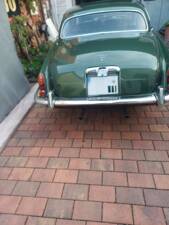
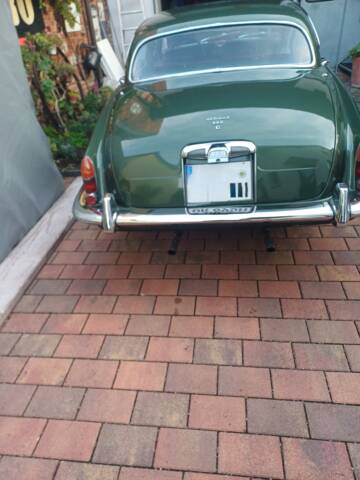
1968 | Jaguar 420 G
Jaguar 420g Automatic

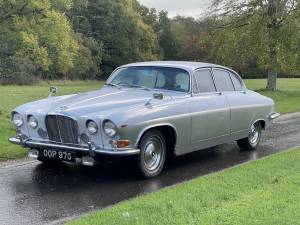
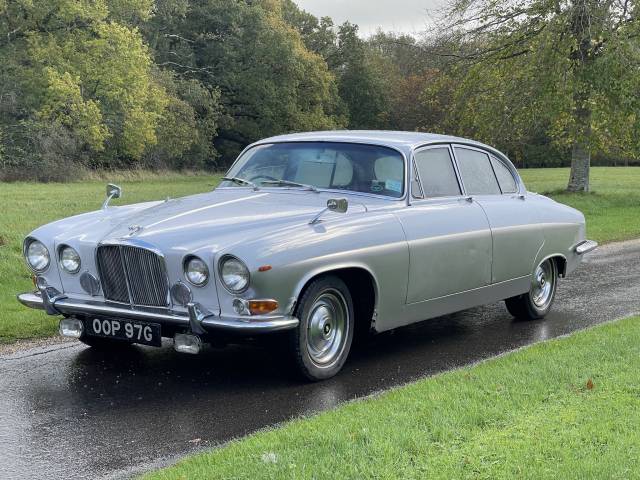
1968 | Jaguar 420 G
Jaguar 420G

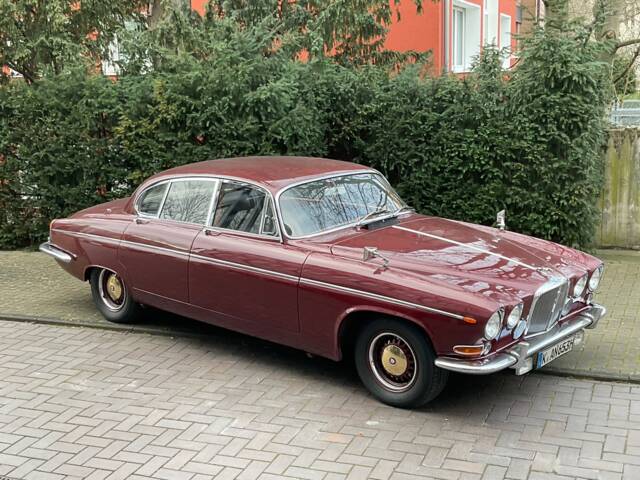
1968 | Jaguar 420 G
Excelent and rare manual, LHD 420 G Saloon
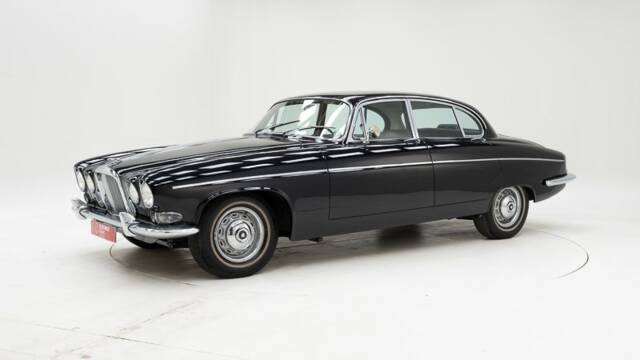
1969 | Jaguar 420 G
1969 Jaguar 420 G '69

Newsletter
The best Jaguar listings, straight to your inbox
Get hand-picked Jaguar listings, plus the best of cars, motorbikes, and auctions on Classic Trader — all in one place.
Jaguar 420 G listing references from Classic Trader
Below you will find listings related to your search that are no longer available on Classic Trader. Use this information to gain insight into availability, value trends, and current pricing for a "Jaguar 420 G" to make a more informed purchasing decision.
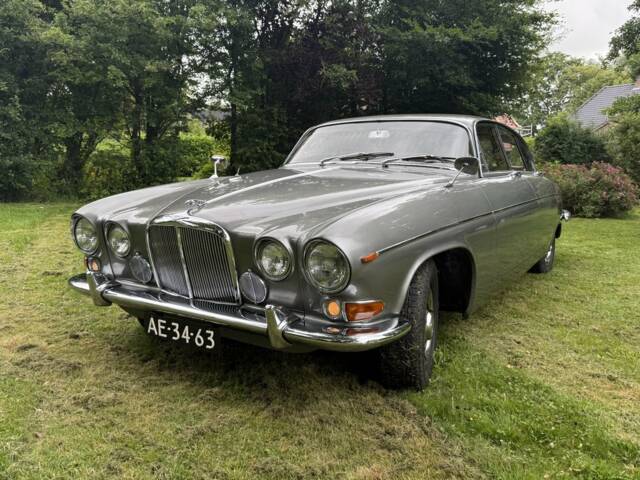
1968 | Jaguar 420 G
Jaguar 420G | 1968 | Route 66 Auctions - For sale by auction. Estimate 3600 EUR

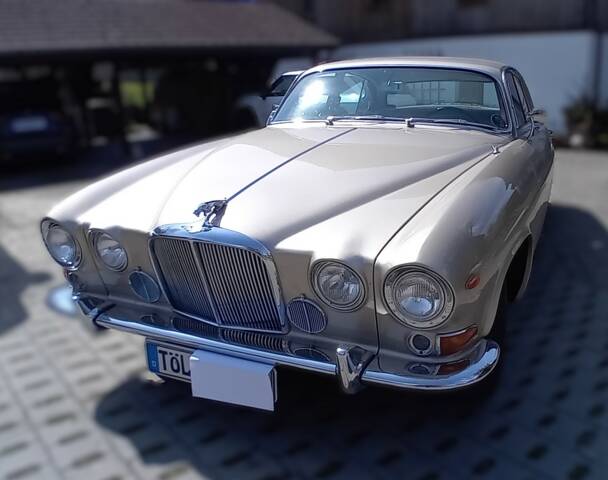
1967 | Jaguar 420 G
Big Jag
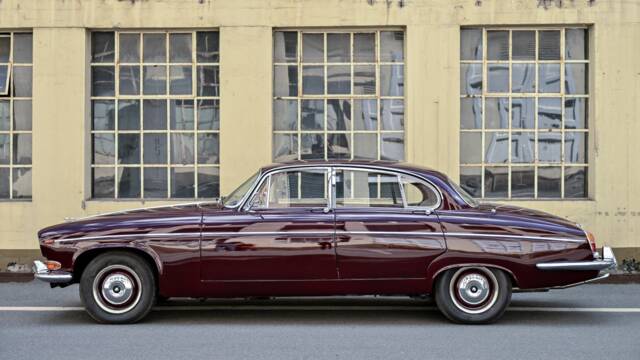
1969 | Jaguar 420 G
A “Big Jag” like no other!
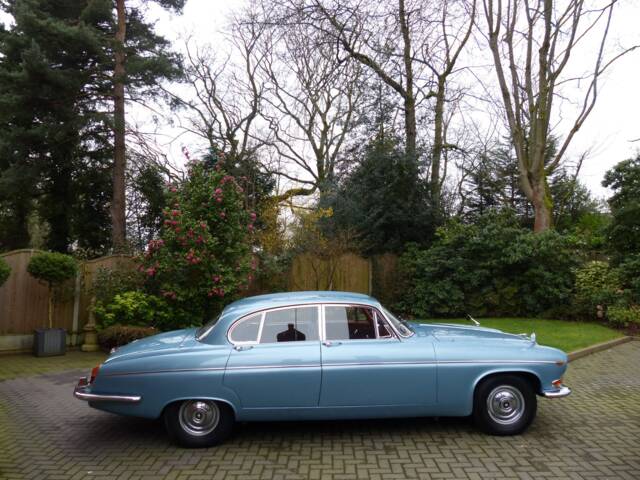
1969 | Jaguar 420 G
420G MANUAL O/D
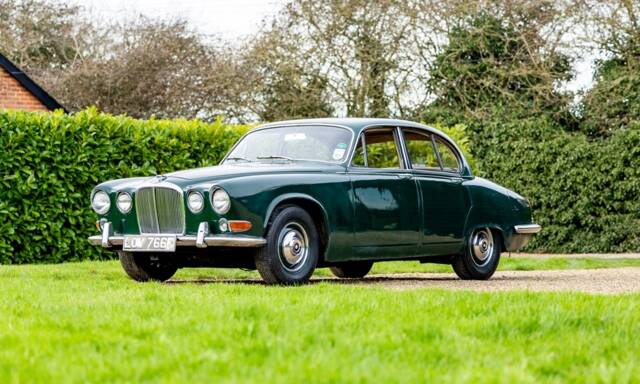
1968 | Jaguar 420 G
1968 Jaguar 420G
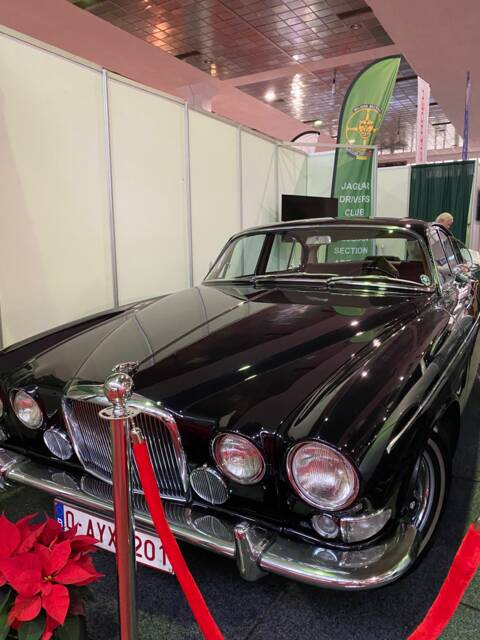
1969 | Jaguar 420 G
volledig gerestaureerd
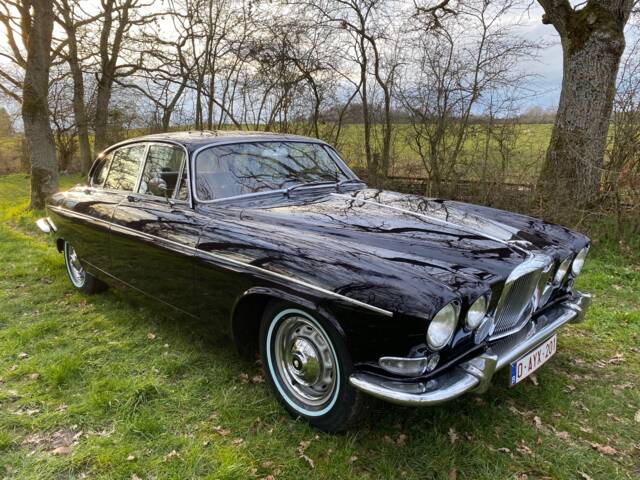
1969 | Jaguar 420 G
Volledig gerestaureerd
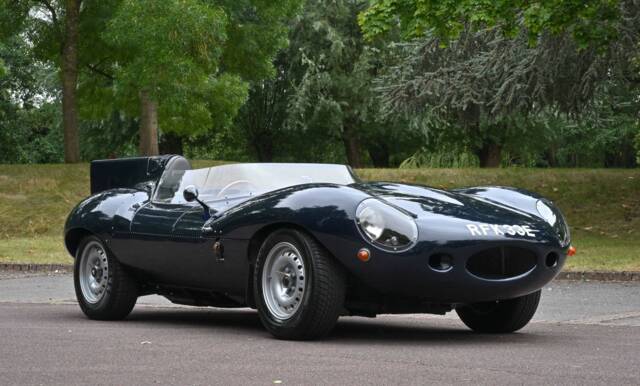
1967 | Jaguar 420 G
Jaguar 4.2 Engine - Faithful Recreation
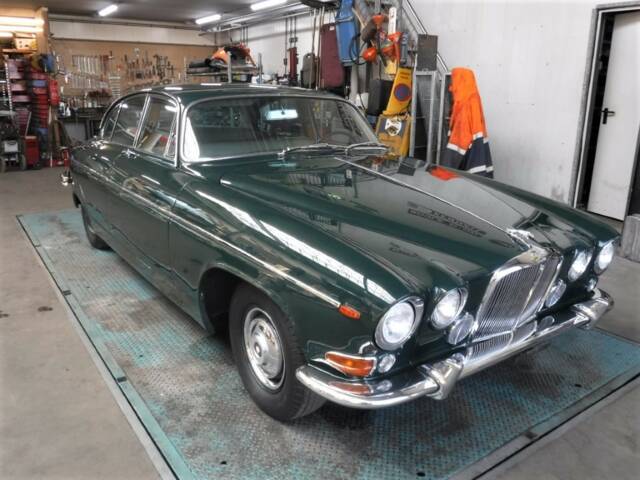
1968 | Jaguar 420 G
Jaguar-420G Saloon no. 7776
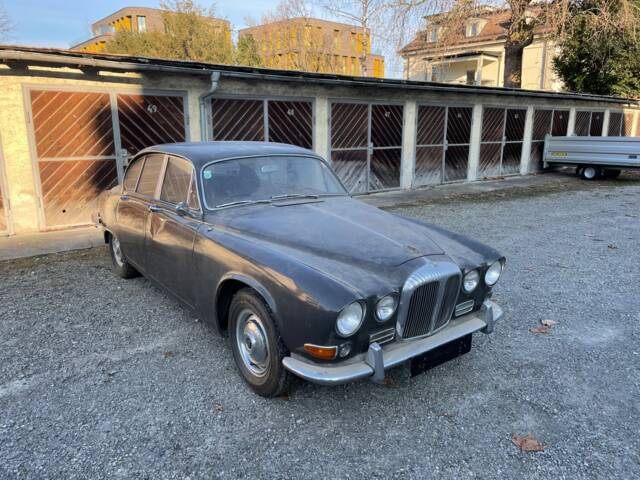
1969 | Jaguar 420 G
Daimler Sovereign

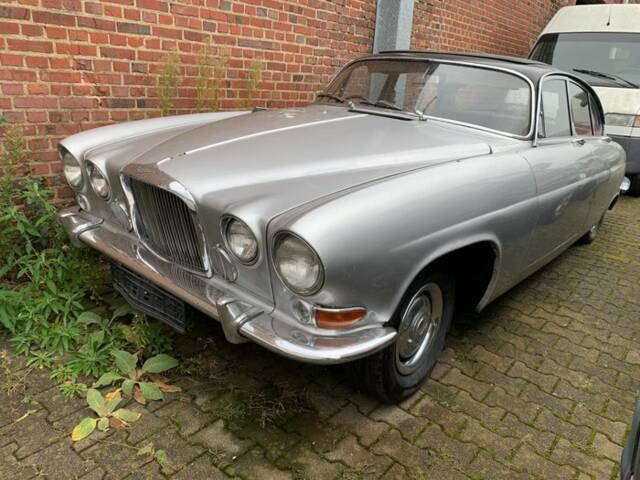
1969 | Jaguar 420 G
Jaguar - 420 G - 1969
Jaguar 420 G Classic Cars: Prices & Market Values
History of the Jaguar 420 G
The Jaguar 420 G made its debut in 1966, stepping in as the top-tier saloon in Jaguar’s range. Initially evolved from the Mark X (Mk. X), the model was renamed to 420 G as part of a repositioning to bridge the gap between the Jaguar S-Type and the flagship Mark X. Focusing on an upscale clientele—particularly in the US—the 420 G featured the codename 'Zenith' and was one of Jaguar’s first saloons to utilise a unitary body construction, setting a modern tone for its time. The platform was so robust and versatile that it continued to see use beyond its own production period. The 420 G quickly earned a reputation for exceptional comfort and a highly refined interior, making it a favourite among both successful executives and the London underworld during the 1960s.
Model History
The model journey of the 420 G starts with the Jaguar Mark X, introduced just prior, featuring similar bodywork and the same luxurious approach, but with a smaller engine. In October 1964, the engine was enlarged from 3781cc to 4235cc—giving the car both enhanced performance and refined cruising ability. Positioned between the S-Type and the outgoing Mark X, the 420 G served not only as a final development of the Mark X chassis but also laid the groundwork for later Jaguar saloons, especially with its independent rear suspension and technical innovations. Production ended in the early 1970s, but the bodyshell and many components continued to influence subsequent models.
Highlights
As Jaguar’s flagship saloon of its era, the 420 G brings together substantial road presence and comfort. The cabin is rich in factory-installed woodwork—dashboard, window frames, and fold-out picnic tables included—accompanied by full leather trim. Notably, it was the last Jaguar saloon to feature extensive use of walnut and polished wood across the interior. Power steering was standard and improved over time, disc brakes were fitted at all four corners, and an automatic or manual gearbox could be selected. Electrically operated windows and color-insulated glass were fitted from the factory.
In the context of supply and demand, the 420 G accounts for 100% of both Jaguar listings and views for this specific manufacturer code on Classic Trader, showing its unique standing among classic Jaguars in the database.
Technical Data
Special Editions and Collectible Models
No evidence of strictly limited or factory special editions, but vehicles with original documentation, authentic accessory packs (such as original radio, complete with purchase receipts, toolkits, or rare colour schemes like 'sable' or British Racing Green) are particularly sought-after among enthusiasts. Well-preserved examples with original interior and extensive period documentation tend to attract added collector value.
Weak Spots and Common Issues
No specific weak spots are documented in the current information provided. Like many complex, large luxury saloons of the era, regular maintenance is crucial, especially regarding the XK engine, leather and wood trim, and hydraulic systems. As with all classic Jaguars, ensuring availability of original components (wood veneers, power steering hardware, upholstery) supports long-term ownership satisfaction.
Engine, Performance, Transmission and Handling
Under the bonnet, the 420 G features Jaguar’s renowned XK engine in 4.2-litre form, producing excellent torque and allowing the large saloon to reach nearly 200 km/h—a figure not matched by many luxury competitors of its day. Power delivery is smooth, abetted by twin carburettors, and braking is handled by four-wheel discs assisted by a booster. The introduction of independent rear suspension gave the 420 G an impressively composed and comfortable ride. Both manual and automatic gearboxes were available, making the car versatile for driver preferences. Electrical power windows and insulation glass enhance daily usability. With a capacious boot and seating for five in comfort, the 420 G was designed for comfortable long-distance journeys as much as city prestige. The 420 G itself is a single, highly defined model. Vehicles retaining their original XK engines, period colours, and documented factory-fitted accessories—such as leather picnic tables and the original mono radio—are particularly highlighted among enthusiasts.
Interior, Comfort, Exterior and Design
The 420 G’s design exudes British opulence. The unitary bodywork, codename 'Zenith,' allows for elegant, sweeping lines without separation between body and chassis. In the interior, lavish use of wood (dashboard, window frames, picnic tables), factory-fitted leather, and unique roof and door lining materials define the ambience. Exterior trim includes extensive chrome accents, classic Jaguar paint codes (notably 'sable' and British Racing Green), and bold details such as sweeping shoulder lines. Accessories range from electrically operated windows to proper climate insulation and integrated picnic tables for rear passengers. The right-hand-drive layout is typical of British market cars, while special attention is given to period-correct documentation and original toolkits.
Other Details
The 420 G’s spacious interior, vast luggage compartment (complete with spare wheel and toolkit), and robust mechanicals made it popular among business owners and select circles in London during the 60s—not least the criminal underground. Surviving vehicles often come with detailed historical records, adding to their value as historical artefacts as much as vehicles. Owners should ensure such documentation is preserved with the car.
Summary
The Jaguar 420 G represents the peak of 1960s British saloon luxury, combining modern engineering such as independent suspension and power steering with an interior unmatched for its era in wood and leather. With its singular place in Jaguar’s classic range—backed by figures showing it as the only entry of its type in our records—it appeals to buyers seeking largest, most authentic expression of Jaguar’s "grace, space and pace" mantra, paired with technical sophistication and presence.