Search results
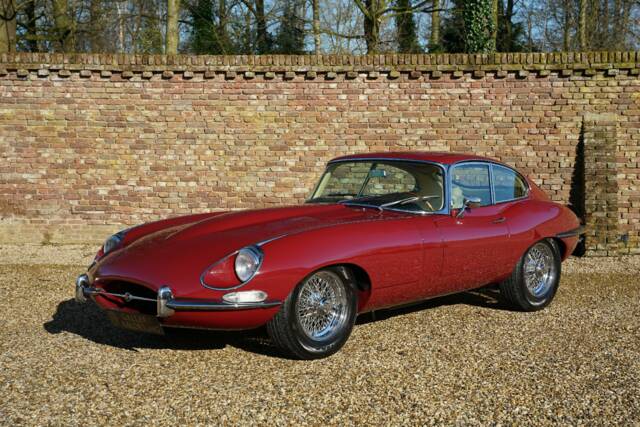
1968 | Jaguar E-Type
Jaguar E-Type 4.2 Litre Coupe Series 1.5 "Jaguar Heritage Certificated" PRICE REDUCTION! A bare-metal restoration from 2009 to 2015 – Fully documented with invoices and lots of photos, More than €150.000 invested over a 6-year period restoration, "Matching numbers and colors", Equipped with an "updated" air conditioning system, Well-documented and transparent history—"We’ve known the Jag and its previous owners for quite some time",


Auctions ending soon

Loading…
Loading…
Loading…
Loading…
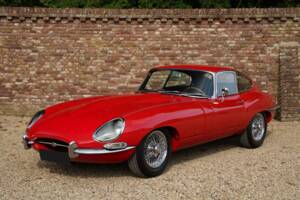
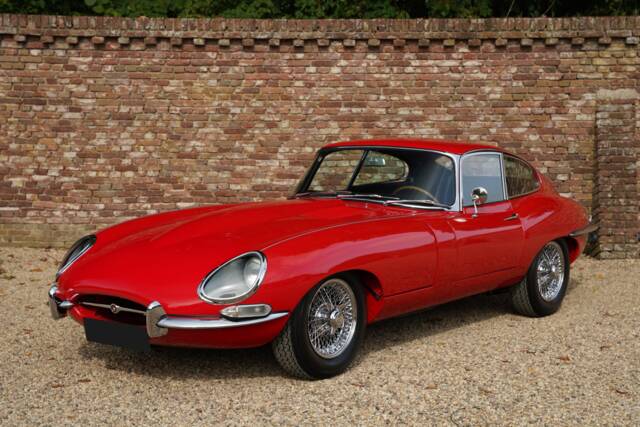
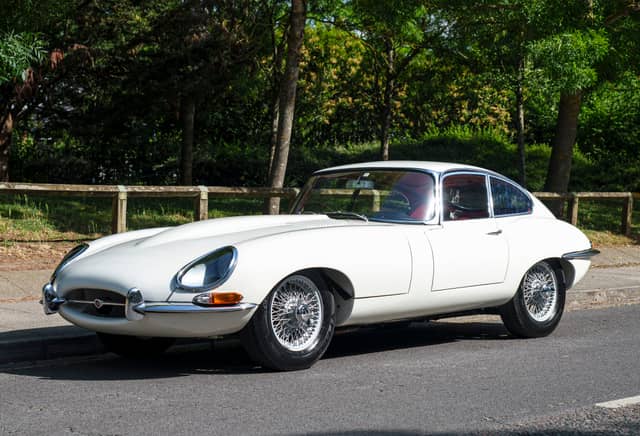
1963 | Jaguar E-Type 3.8
Jaguar E-Type 3.8 Litre Series 1 Coupe PRICE REDUCTION! "Matching numbers and restored" The "nut and bolt restoration" has been modestly documented in photographs, Restored and rebuilt in the mid-1990s, Offered with the Heritage certificate and the board map with booklets, Carmen Red over black leather interior, From a California car museum where it was displayed as "a showpiece", Manufactured in 1962 - Registered in 1963,
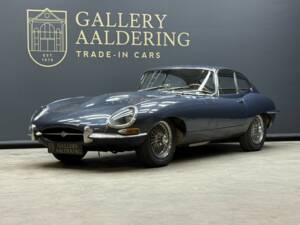
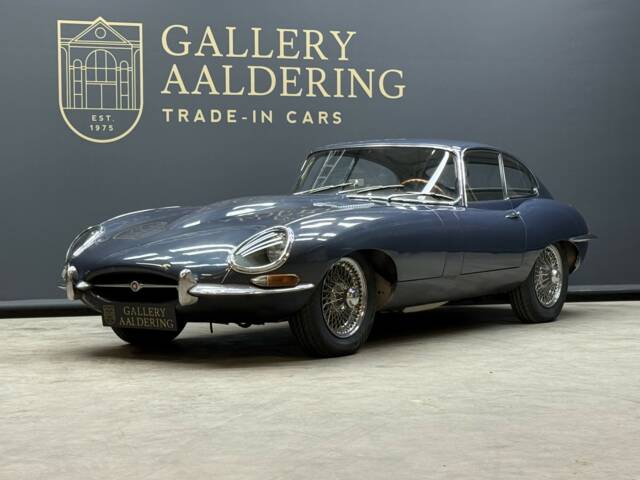
1963 | Jaguar E-Type 3.8
Jaguar E-Type 3.8 Litre Coupe Series 1 PRICE REDUCTION! "From the first owner, first paint" TOP original! From the first Swiss owner who bought the Jaguar new, only 57.000 km from new! Remarkably well preserved and original, Newly delivered in Switzerland - Lucerne, First owner traded in his XK150 for this E-Type, All booklets - Purchase invoice and Abgaswartung accompanying the car and showable,
Newsletter
The best Jaguar listings, straight to your inbox
Get hand-picked Jaguar listings, plus the best of cars, motorbikes, and auctions on Classic Trader — all in one place.
1963 | Jaguar E-Type 3.8
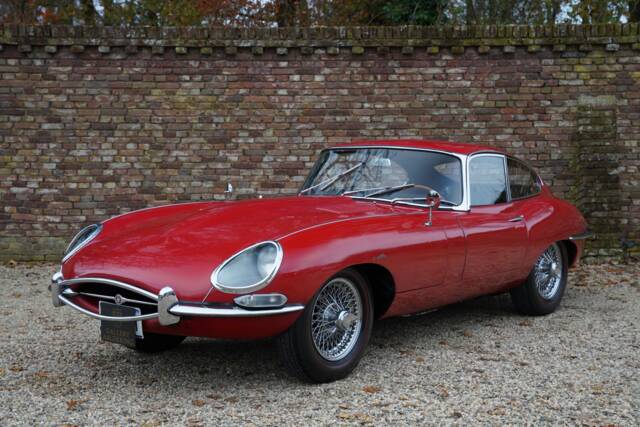
Jaguar E-Type 3.8 Litre Series 1 Coupe "A driving survivor" PRICE REDUCTION! Fully "matching" numbers, Very original example, Never restored but well preserved by owner, We had it measured: at least 80% first lacquer, Early "Unknown" E-Type in the market, "Second year" manufactured - on April 10-1962, Accompanied with Jaguar Heritage Certificate and original board folder -incl Periodic Maintenance Vouchers
1964 | Jaguar E-Type 3.8
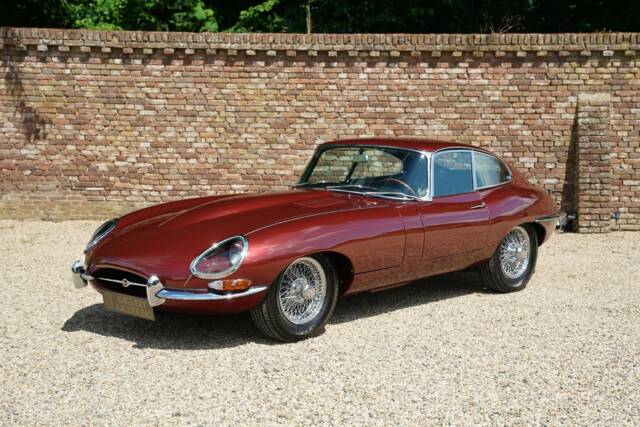
Jaguar E-type 3.8 Series 1 Coupe "Matching Numbers" PRICE REDUCTION! Extensive restoration and completely rebuilt, "Matching Numbers and colors" - to the original factory specifications, Jaguar Heritage certificate available, Opalescent Maroon with black leather, Restored and overhauled in Europe, One of the best on the market, Left the Coventry-factory in August 1963
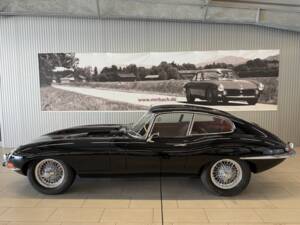
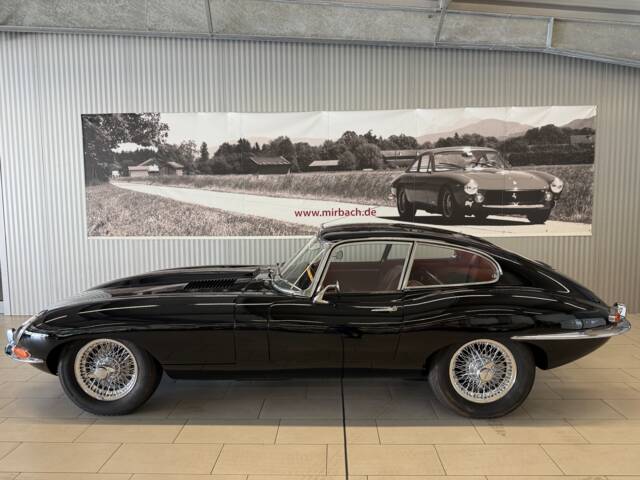
1966 | Jaguar E-Type 4.2
E-Type SI Coupe 4.2

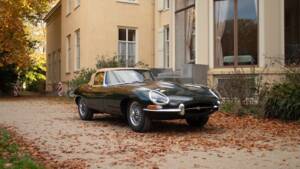
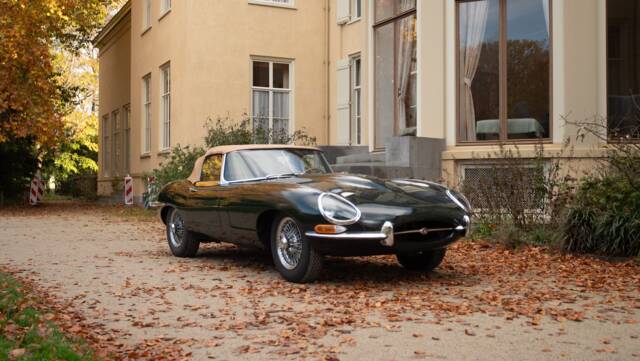
1962 | Jaguar E-Type 3.8
Jaguar E-Type – California Import – Racing Green – Highly Original and Characterful Example
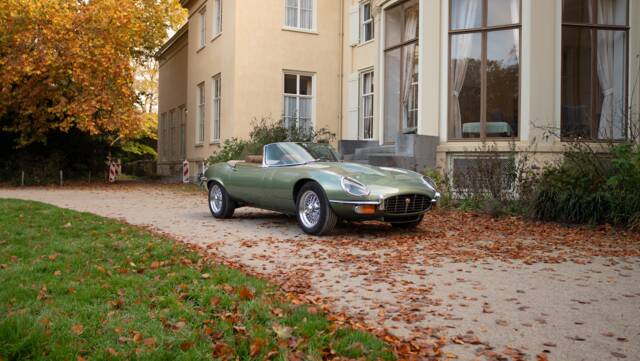
1973 | Jaguar E-Type V12
Roadster V12 Series 3
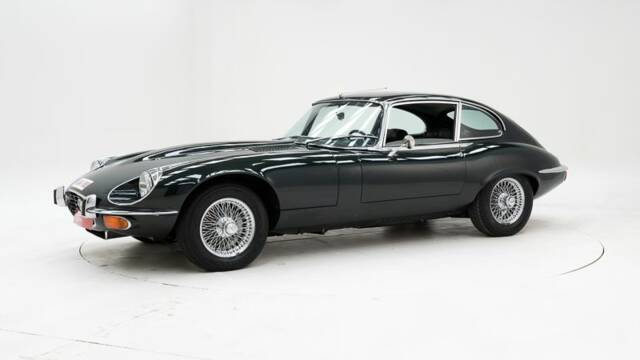
1973 | Jaguar E-Type V12 (2+2)
1973 Jaguar E-TYPE Series 3 V12 '73

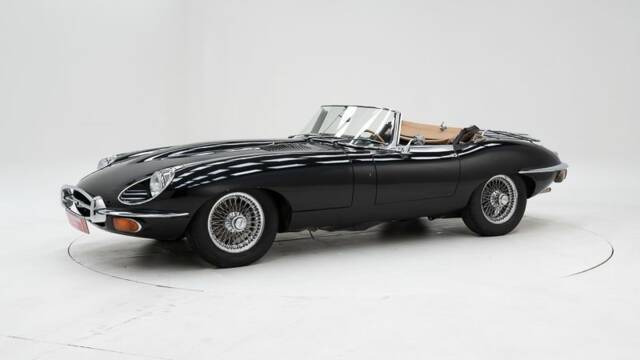
1969 | Jaguar E-Type
1969 Jaguar E-type Series 2 4.2 '69
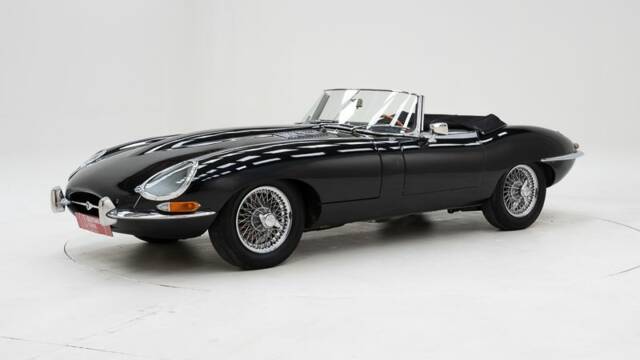
1966 | Jaguar E-Type 4.2
1966 Jaguar E-type Series 1 4.2 '66
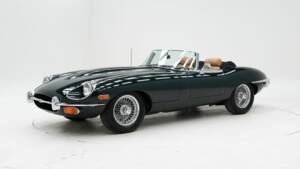
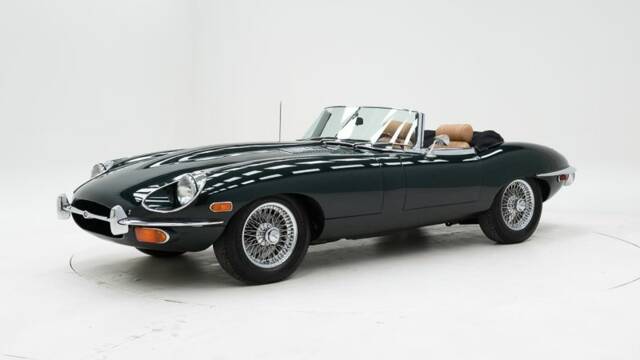
1970 | Jaguar E-Type
1970 Jaguar E-Type 4.2 S2 '70
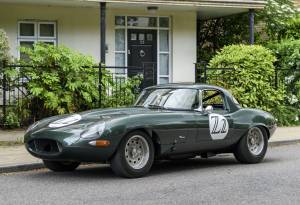
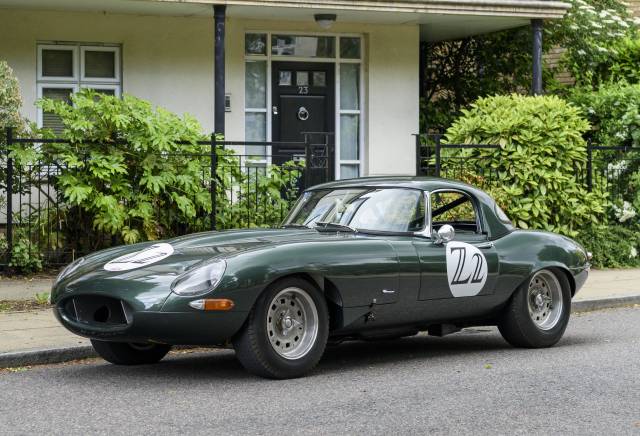
1963 | Jaguar E-Type "Lightweight"
Jaguar E-Type Semi Lightweight (RHD)
FAQs about Jaguar E-Type Classic Cars
Why are Jaguar E-Type classic cars so popular?
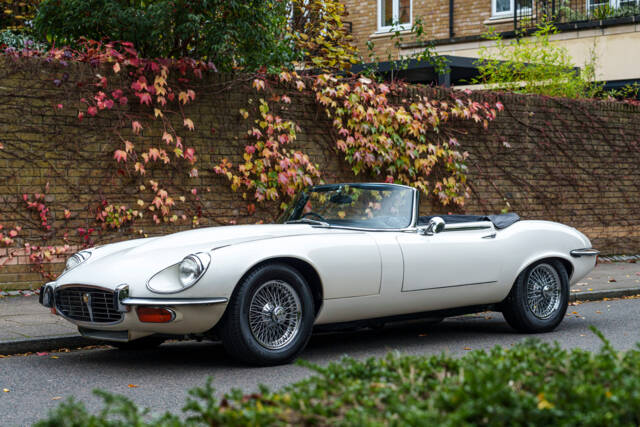
The Jaguar E-Type classic car captivates with its timeless design and powerful performance. It is regarded as a symbol of British engineering and is considered a true collector's item. Legend has it that Enzo Ferrari called the E-Type "the most beautiful car ever made," which inspired him to create the GT/L 'Lusso'. The combination of its aerodynamic shape, performance, and luxury makes the E-Type a highly sought-after collector's vehicle.
How can I find spare parts for the Jaguar E-Type classic car?
Spare parts for the Jaguar E-Type classic car can be found through specialized suppliers, classic car clubs, and auctions. The availability of parts is particularly good for the 4.2-liter models. Notably, Jaguar Classic even offers reproductions of certain parts, making the restoration and maintenance of these classics easier.
What should be considered when purchasing a classic Jaguar E-Type?
When considering a classic Jaguar E-Type, pay close attention to rust, especially in the frame, sills, and wheel arches, as these areas are particularly vulnerable. Ensure that the vehicle has been regularly maintained and retains as much originality as possible. A comprehensive history of the car is crucial for potential buyers. The originality of the vehicle, including the engine, transmission, and interior, significantly affects its value and authenticity. Additionally, thoroughly check the condition of the electrical system and cooling system, as these can often present issues in older vehicles. Verifying the chassis number is essential for confirming the authenticity of the car.