Jaguar 3.4 Litre Classic Car for Sale
The Jaguar 3.4 Litre is regarded as a pioneer among British sports saloons, developed in two main generations between 1957 and 1967. Famed for its straight-six engine, luxurious wood and leather interior, and its presence in both daily life and motorsport, the 3.4 Litre stands for performance and craftsmanship from Coventry’s finest era.
Search results
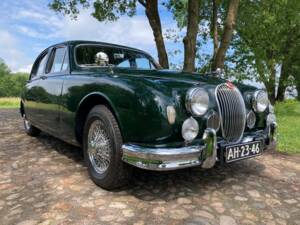
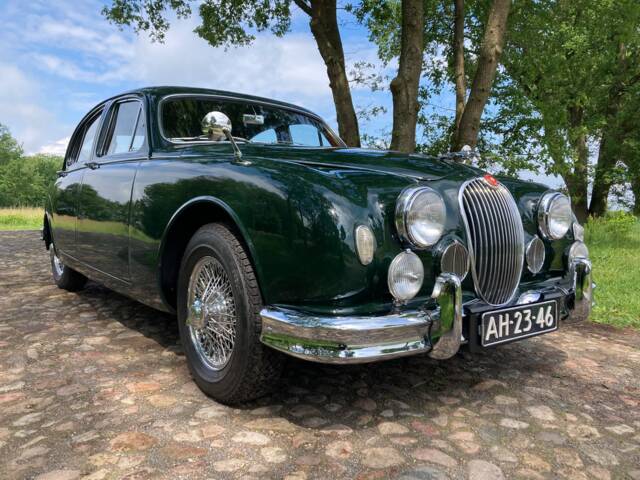
1957 | Jaguar 3.4 Litre
1957 Jaguar 3.4 Litre – Grace, Prestige and British Motoring Excellence

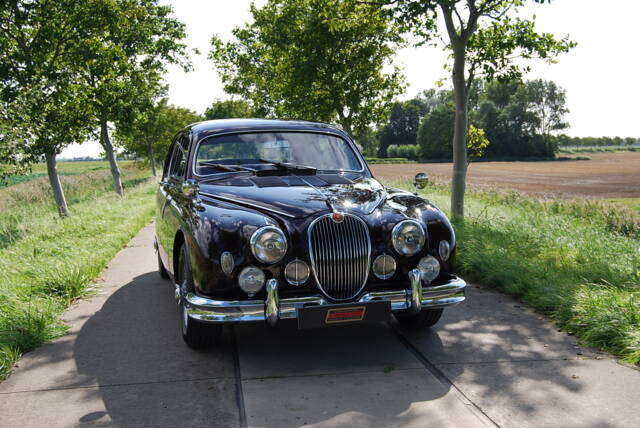
1957 | Jaguar 3.4 Litre
4.2 Litre Engine - Concours Condition
Auctions ending soon

Loading…
Loading…
Loading…
Loading…
Jaguar 3.4 Litre listing references from Classic Trader
Below you will find listings related to your search that are no longer available on Classic Trader. Use this information to gain insight into availability, value trends, and current pricing for a "Jaguar 3.4 Litre" to make a more informed purchasing decision.
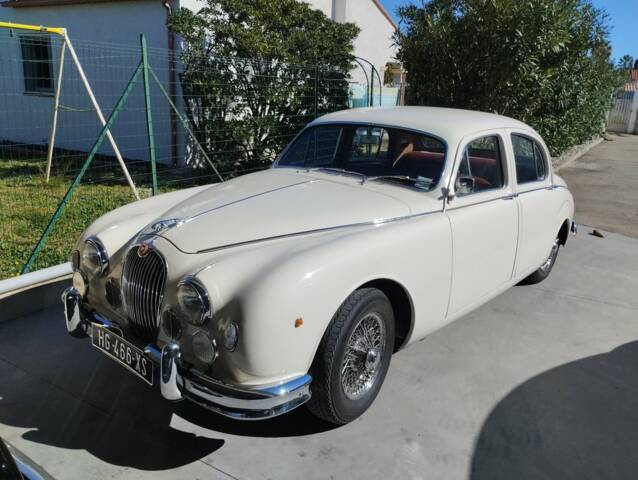
1959 | Jaguar 3.4 Litre
Jaguar Mark 1 3.4 Litre | 1959 | Route 66 Auctions - For sale by auction. Estimate 15600 EUR
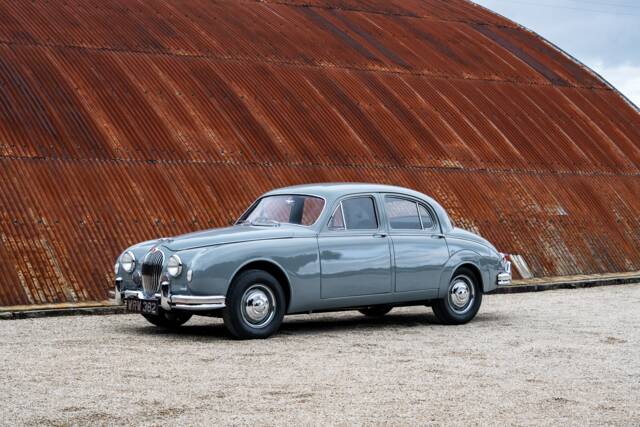
1958 | Jaguar 3.4 Litre
Rare MK1 Restored

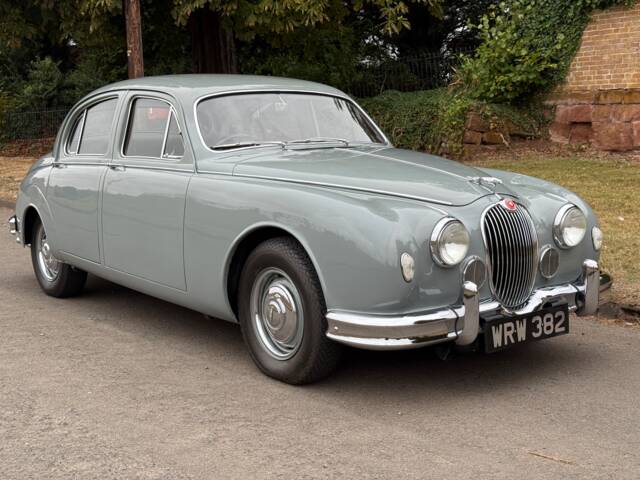
1958 | Jaguar 3.4 Litre
Jaguar MK1 recent restoration - stunning !
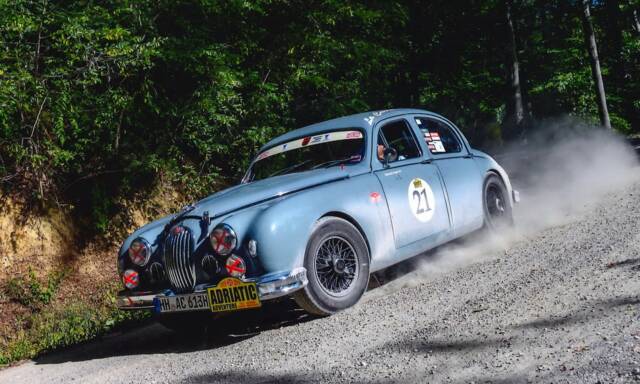
1958 | Jaguar 3.4 Litre
MK I -Rallyefahrzeug-

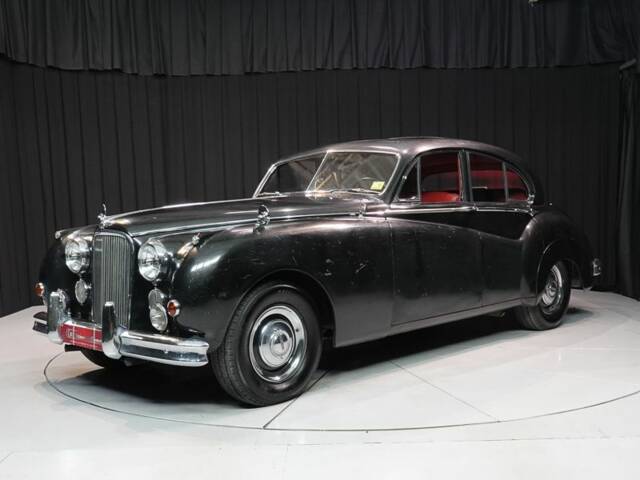
1956 | Jaguar 3.4 Litre
1956 Jaguar MK VII 3.4 '56

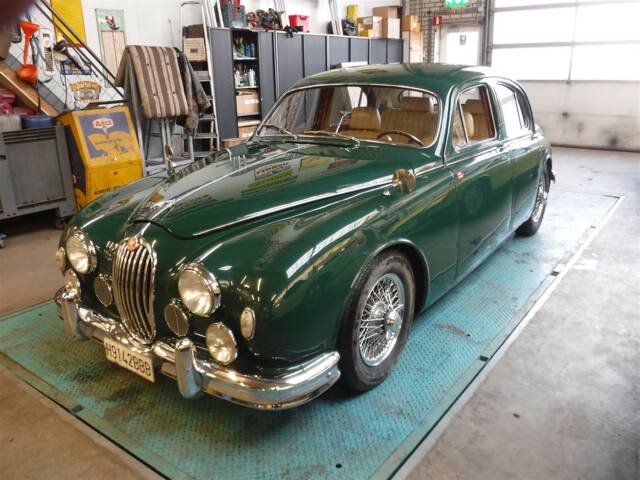
1956 | Jaguar 3.4 Litre
Jaguar-MK1
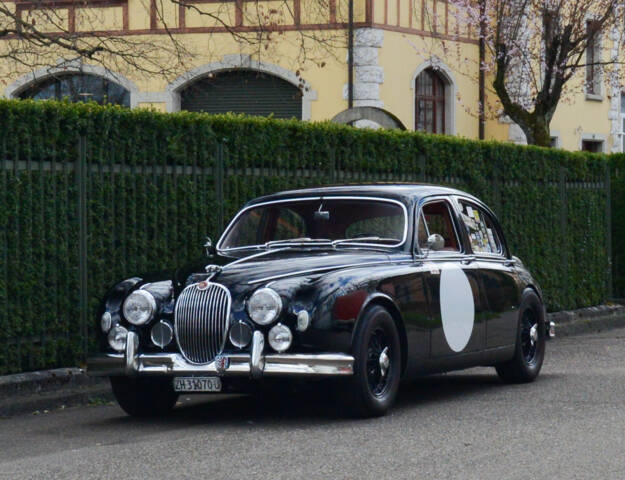
1957 | Jaguar 3.4 Litre
Grob modifizierte Sportlimousine mit komplett neu aufgebauter Mechanik

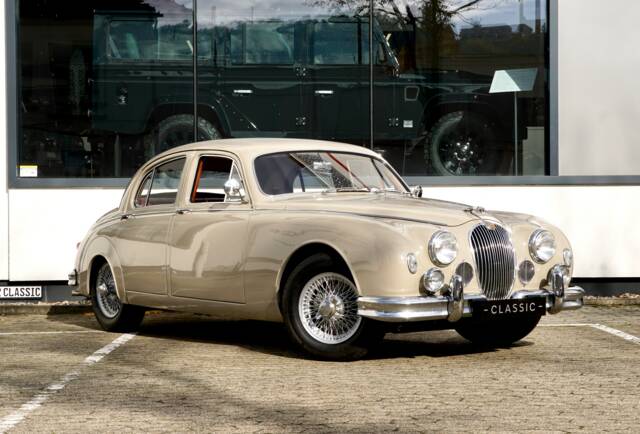
1958 | Jaguar 3.4 Litre
MK I Saloon 3.4 ltr. Overdrive
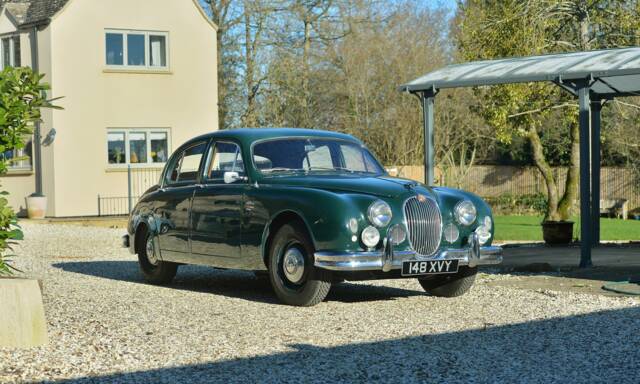
1958 | Jaguar 3.4 Litre
1958 Jaguar Mk. I (3.4 litre)
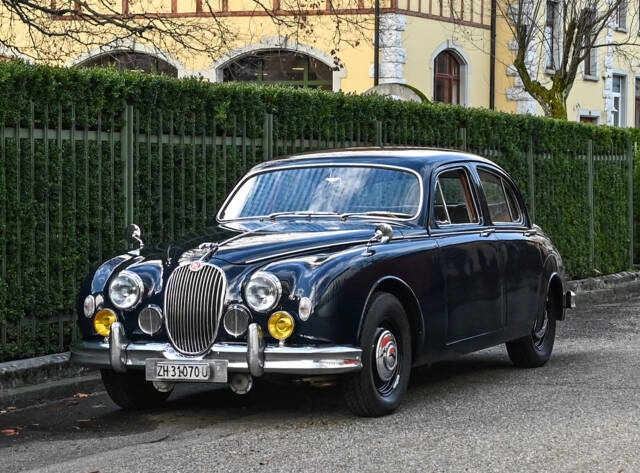
1959 | Jaguar 3.4 Litre
Sehr seltenes und originales Fahrzeug, frisch ab Service, Heritage Zertifikat, matching numbers
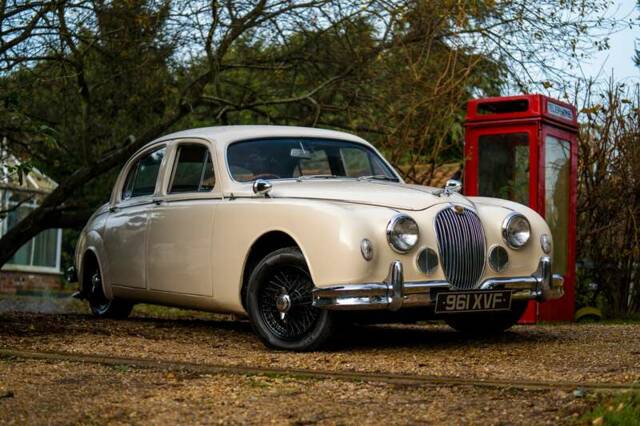
1958 | Jaguar 3.4 Litre
1958 Jaguar MK I
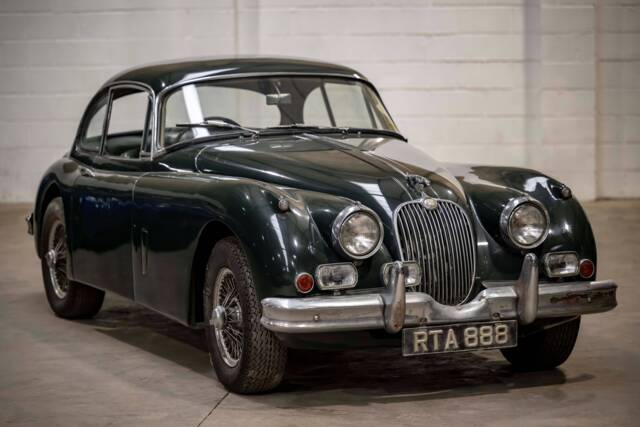
1959 | Jaguar 3.4 Litre
Bought by the seller in 1965 and used until 1982 (and never since).
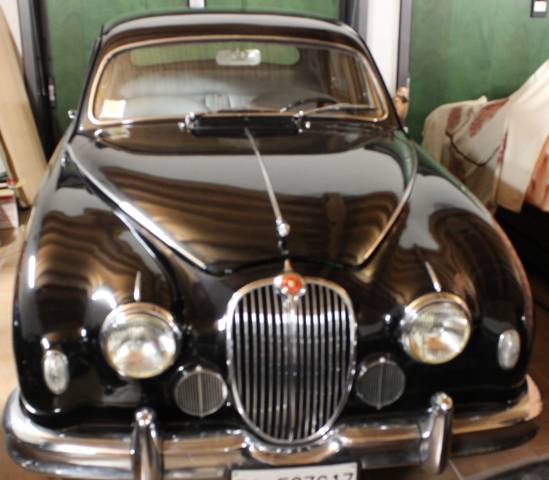
1957 | Jaguar 3.4 Litre

Jaguar 3.4 Litre Classic Cars: Prices & Market Values
History of the Jaguar 3.4 Litre
The Jaguar 3.4 Litre debuted in 1957, expanding on the Mark 1 platform which first appeared in 1955. It was conceived as a more powerful alternative to the entry 2.4-litre version, responding directly to the demand for brisker acceleration and higher top speeds in mid-sized British saloons. Built at Jaguar’s Browns Lane factory, the 3.4 Litre was distinguished by its new 3442cc straight-six – a true development of the XK engine lineage – and was intended not only for the discerning British market but also for export, notably the US. In 1959, the 3.4 Litre was carried forward into the Mark 2, further refining what Jaguar meant by a ‘sports saloon’. Motorsport exploits and successes on circuits such as Goodwood cemented its reputation.
Model Series History
First introduced as part of the Jaguar Mark 1 range, the 3.4 Litre appeared nearly 18 months after the 2.4. It was the first Jaguar saloon to adopt a unibody chassis, ensuring better rigidity and handling than earlier, separate frame models. In 1959, the model evolved into the Mark 2 series, once again offering the 3.4 engine alongside visual and technical refinements. The Mark 2 continued production until 1967, becoming synonymous with British high-performance saloons. The 3.4 Litre succeeded the Mark 1 and preceded the 420/Type S and ultimately the XJ6 in the late 1960s.
Highlights of the Jaguar 3.4 Litre
What set the 3.4 Litre apart was its blend of performance, comfort, and innovation. Its twin SU carburettor 3.4-litre XK engine delivered between 160–190 PS, depending on configuration, with a factory-quoted top speed of 120 mph. Optional disc brakes on all four corners, advanced for its time, and superb steering gave it a strong presence on road and track. Marked by real wood veneers, Connolly leather upholstery, a full array of Smiths instruments, and a choice of high-quality paints – from Old English White to British Racing Green – it exuded post-war luxury with uncompromising sporting intent.
Technical Data
Special Editions and Collectible Models
No officially designated limited or special editions surfaced as part of the production run; however, individual cars equipped with rare factory options (e.g. full disc brakes, original wire wheels, rare paint or interior combinations) are especially sought after. Motorsport-prepared examples or ones with period competition history, particularly from events like Goodwood Revival, can be considered notable in provenance.
Weak Spots and Common Issues
Owners should pay close attention to corrosion, particularly in the sills, floorpans, wheel arches, and the lower portions of the unibody shell – as pioneering as the structure was, it is vulnerable to rot. The XK straight-six requires diligent servicing (oil, coolant, valve clearances) to ensure longevity. Original drum brakes may feel inadequate by modern standards, making cars with factory disc brakes or upgrades preferable for regular driving. Electricals, if unrestored, can be troublesome, especially Smiths instruments and Lucas electrics. Non-genuine interior trim and dashboard veneers sometimes appear in lower quality restorations.
Engine and Performance, Transmission and Handling
The core of the 3.4 Litre is its 3.4-litre XK engine, producing up to 190 PS (depending on carburetion and market). Acceleration was class-leading, with 0-60 mph achieved in roughly 9 seconds. Jaguar’s manual with optional overdrive or Borg-Warner automatic provided flexibility, but the manual setup, especially with overdrive, is the keen driver’s choice. Front independent suspension and a well-tuned steering rack led to surprisingly agile handling for a saloon of this era. The brakes, especially with discs, were cited as a strong suit by contemporary motoring journals. Popular configurations include the four-speed manual with overdrive, disc brakes all round, and wire wheels. Cars in British Racing Green with tan leather represent a classic specification while those with rare colours and original interior command attention.
Interior, Comfort, Exterior and Design
The 3.4 Litre’s design marks a watershed for post-war British saloons. First with unibody construction, its exterior combines rounded arches, slim roof pillars, and subtly flared wings. Paint colours reflect British taste, with options such as Cotswold Blue, Old English White, and Cornish Grey. The use of robust real wood throughout the dash and doors, complemented by Connolly leather, lent the car both warmth and exclusivity. Accessories such as wire wheels, optional fog lamps, and period radios further raised its standing. Factory-fitted tinted glass and elaborate Smiths instrumentation catered directly to the era’s demand for driver comfort and information.
Other relevant features
Most 3.4 Litre cars were available in both right- and left-hand drive to satisfy major export markets. The model achieved success in motorsport, notably in historic racing and events like Goodwood Revival – a testament to its dynamic strengths. Factory brochures from the period highlighted the saloon’s ability to blend everyday refinement with real-world competition prowess.
Summary
The Jaguar 3.4 Litre is defined by its straight-six power, lavish British craftsmanship, and innovative construction. Produced across two generations, it remains celebrated for its dynamic character, high specification, and enduring appeal among enthusiasts seeking a genuine British sports saloon experience.