Jaguar 240 Classic Cars for Sale
The Jaguar 240 offers an authentic British saloon driving experience, combining the refinement of walnut wood, detailed instrumentation, chrome accents, and the movement of a classic straight-six engine. Often finished in traditional exterior colours and equipped with options such as manual overdrive or automatic transmission, the Jaguar 240 is a direct path into the classic world of Jaguar ownership.
Search results
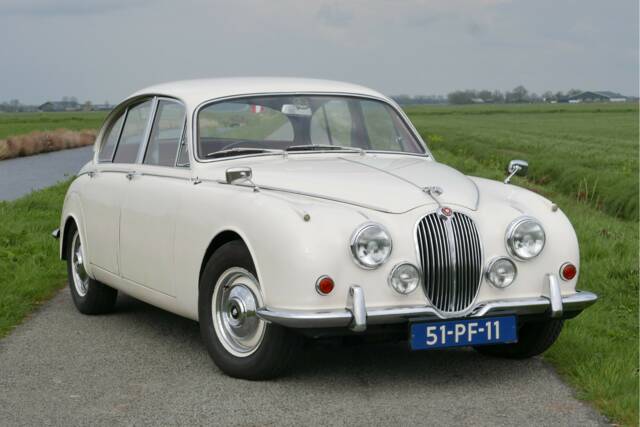
1968 | Jaguar 240
Jaguar 240 Overdrive

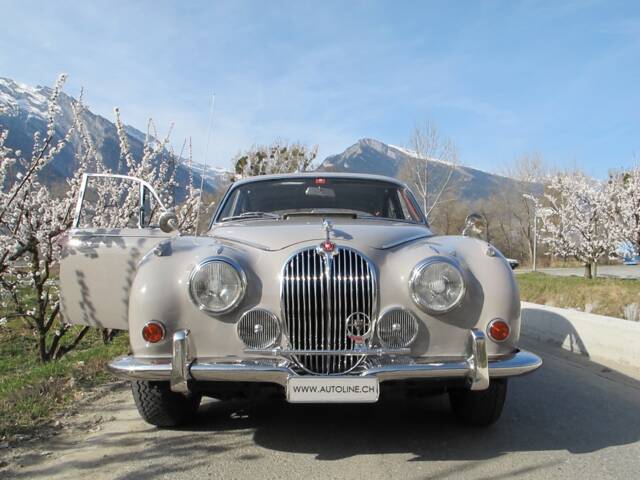
1968 | Jaguar 240
Moins de 4500 exemplaires produits

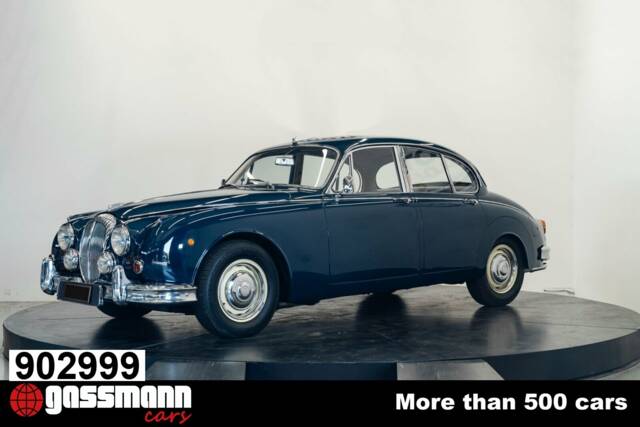
1969 | Jaguar 240
Daimler MKII 250 V8 Limousine - RHD

Jaguar 240 listing references from Classic Trader
Below you will find listings related to your search that are no longer available on Classic Trader. Use this information to gain insight into availability, value trends, and current pricing for a "Jaguar 240" to make a more informed purchasing decision.
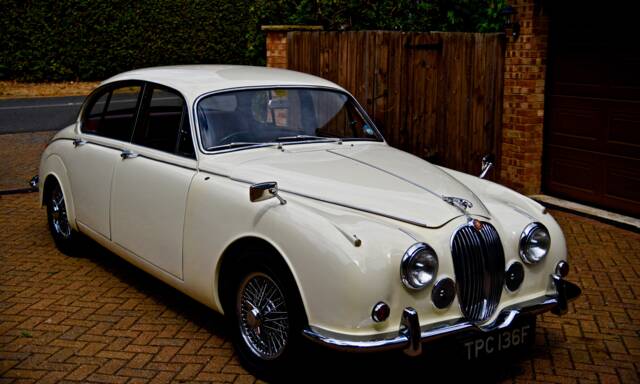
1968 | Jaguar 240
1968 Jaguar Mk. II 240

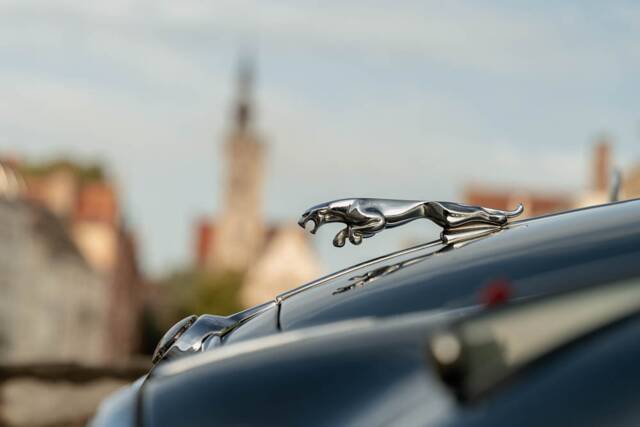
1968 | Jaguar 240
Exceptional 1968 Jaguar 240. Only 3 owners. Original documentation and history.

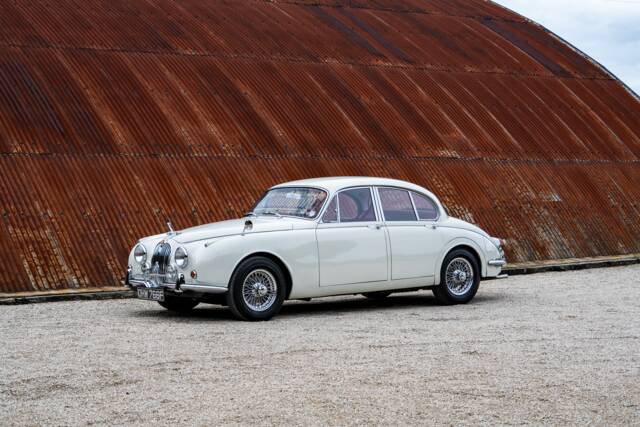
1968 | Jaguar 240
1968 Jaguar 240 MkII Saloon
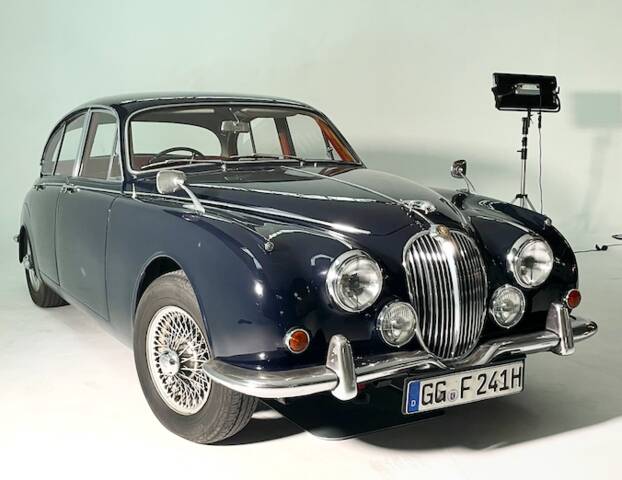
1968 | Jaguar 240
Deutsche Zulassung > TÜV 11/2026 > Reinsetzen und Losfahren!
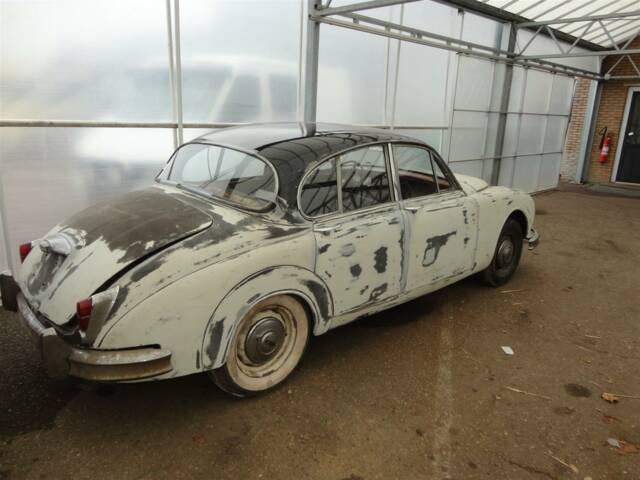
1968 | Jaguar 240
Jaguar-MK2 ''68
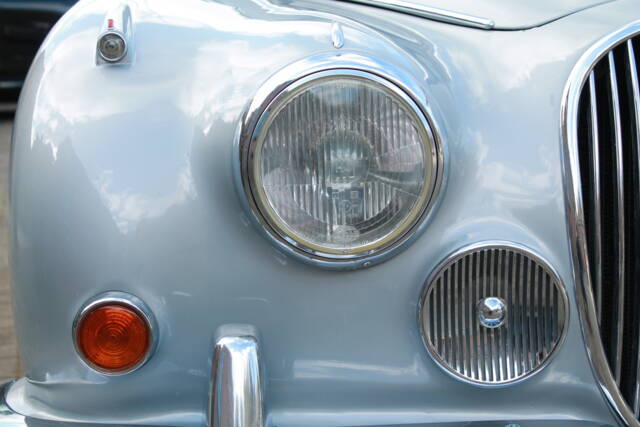
1968 | Jaguar 240
Schalter, Overdrive, Servo, LHD, Leder
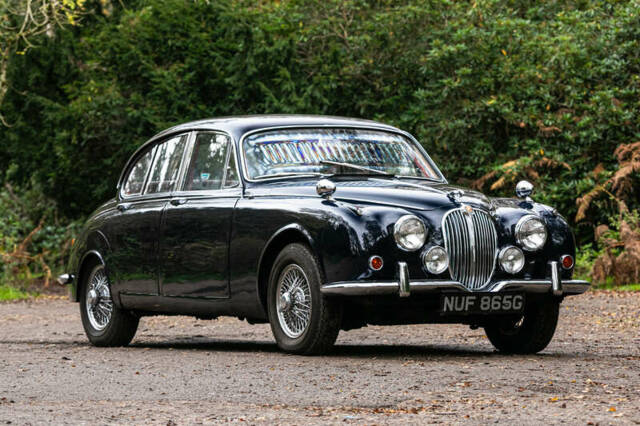
1968 | Jaguar 240
1968 Jaguar 240 Saloon
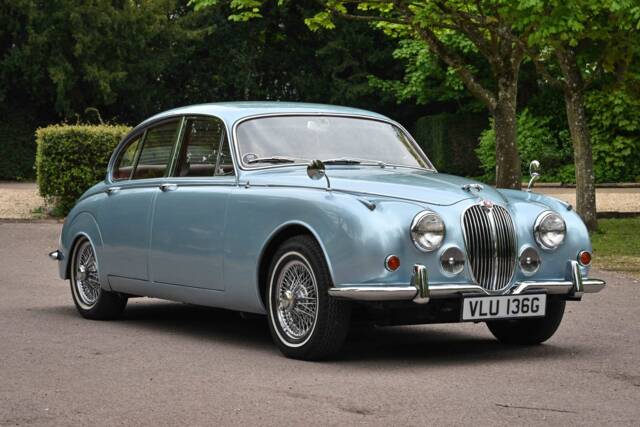
1967 | Jaguar 240
Cracking Looking MK2 - Previously Restored
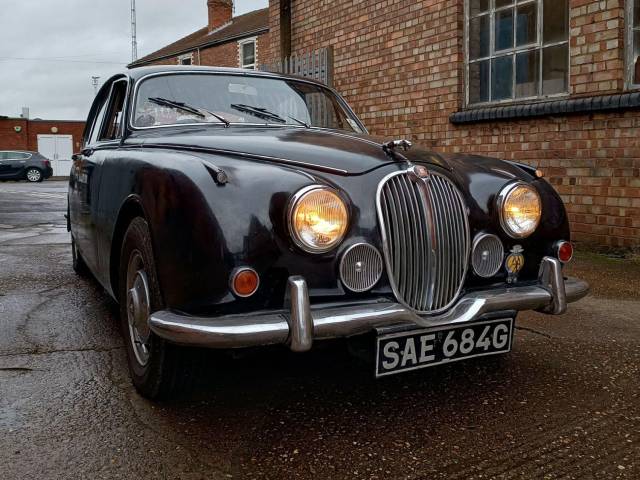
1969 | Jaguar 240
JAGUAR MARK II
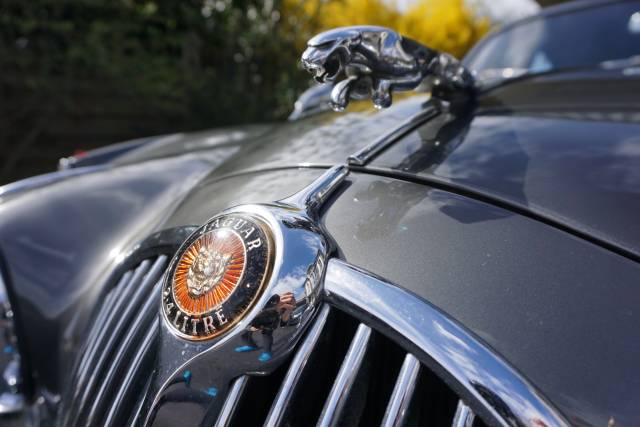
1968 | Jaguar 240
Top Jaguar240/ MKII, Speichenräder, RHD
1965 | Jaguar 240
Jaguar 240
Jaguar 240 Classic Cars: Prices & Market Values
History of the Jaguar 240
The Jaguar 240, part of the Mark II series, reflects the evolution of the Coventry-built sport saloon lineage. Production of the Mark II began in 1959, taking over from the Mark I and continuing with updates until 1967. From then on, Jaguar marketed the final versions as the 240 and 340, with the 240 remaining available until 1969. The shift to the 240 introduced refinements and subtle design tweaks, targeted towards broader appeal and cost-conscious buyers while maintaining Jaguar’s signature blend of sporting capabilities and comfortable motoring.
Model History
The Mark I Jaguar saloon set the precedent from 1955 to 1959, succeeded by the improved Mark II. The Mark II offered a range of engines, but as the range matured, it evolved into the 240 and 340. The Jaguar 240 was produced from 1967 to 1969, featuring improvements such as a more powerful 133 hp 'Straight Port' cylinder head borrowed from the E-Type, as well as aesthetic changes like slimmer bumpers and an increase in glass area. The 240 is seen as the most accessible entry to the Mark II family, retaining classic rear-wheel drive saloon proportions. It was succeeded by the Jaguar XJ6.
Highlights of the Jaguar 240
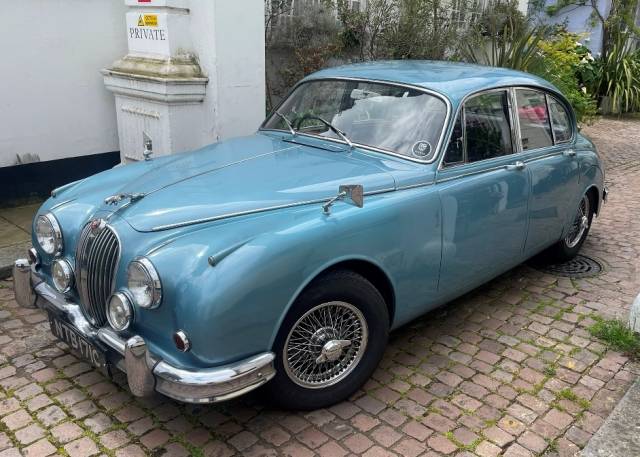
The Jaguar 240 combines classic saloon proportions with distinctive British craftsmanship. Its walnut dashboard, chrome wire wheels, split bumpers, and typical 'D-shape' glass profile are standout features. The use of Ambla faux leather as standard upholstery on later models, larger window surfaces for better visibility, and the inclusion of four disc brakes from factory make the 240 notable within its era. Optional automatic transmission, overdrive, and power steering broadened its appeal. Many cars available feature original tool kits and owner's manuals; fog lamps were optional in the UK, replaced by front ventilation slots. Interior ergonomics, extensive analog instruments, and the characteristic smell of leather, oil and wood complete the experience.
Technical Data
Special Editions and Collectible Models
Special versions of the Jaguar 240 included cars equipped from factory with options such as the Laycock de Normanville electric overdrive, Webasto sunroofs or special sport steering wheels like Nardi. Some survivors feature rare original accessories, and many enthusiasts prefer cars with full toolkits and complete documentation, which add to collectability; however, no official factory limited editions existed.
Weak Spots and Common Issues
Although the Jaguar 240 is mechanically robust when maintained properly, buyers should inspect for wear on Ambla upholstery in later cars, check for potential electrical faults typical of 1960s British saloons, and assess the condition of the suspension and braking system due to possible age-related degradation. Undercarriage and chassis should be examined for rust. Engine vibration dampers and exhaust systems may require attention, and sourcing high-quality stainless steel replacements has become a popular modification. Spare parts are generally available, and documentation is good.
Engine, Performance, Transmission and Handling
The 2.4-litre straight-six offers impressive smoothness and the exhaust note is considered a defining aspect of the model. Later engines with the E-Type Straight Port head modestly increased power output, making for an engaging drive. Standard four-speed gearboxes with optional overdrive allow relaxed cruising, while the optional automatic suits city use and comfort-oriented drivers. Four-wheel disc brakes deliver reassuring stopping power, and power steering noticeably reduces effort in urban conditions. The broader rear track over its predecessor improves stability. Jaguar 240s are described as comfortable even today, striking a notable balance between responsive handling and refined ride quality. • Jaguar 240 (1967–1969) – 2.4-litre, Straight Port head, 133 hp, four-speed manual, overdrive optional. • Jaguar 240 Automatic – Same specifications, Borg-Warner automatic gearbox. • Cars with overdrive and sunroof are especially desirable due to enhanced practicality and driver involvement.
Interior, Comfort, Exterior and Design
The Jaguar 240’s appearance is unmistakable—rounded saloon lines, a substantial use of chrome, and the distinctive split bumper design set it apart. In the cabin, walnut wood trims and either Ambla (later models) or leather seats (early cars) set the tone, complemented by period-unique toggle switches, classic Smiths gauges, and a large array of analog dials and clocks. The increased glass area in the later models further aids visibility and light, while rear-seat space and comfort are competitive for the era. Original features such as the wood-rim steering wheel, optional sport steering wheels and Webasto sliding sunroof add lasting appeal. Accessories like stainless steel exhausts, upgraded coil packs, and original toolkits are frequent among well-preserved cars.
Other Considerations
Many Jaguar 240s currently on the market have benefited from extensive restoration and come with detailed histories. The 240 is eligible for historic registration ('H-Zulassung' in Germany and similar schemes in other countries), which can increase its usability. It’s a practical introduction to classic Jaguar motoring, typically more accessible than the larger Mark II models, and many examples include extensive owner documentation and heritage certificates. The availability of replacement parts and expertise remains strong due to the model’s enthusiastic following.
Summary
Spanning 1967 to 1969, the Jaguar 240 embodies quintessential British saloon tradition with its blend of sporting six-cylinder performance, elegant design, and usable comfort. Typical features include manual or automatic transmission, four-wheel disc brakes, and comprehensive instrumentation. Interior appointments run from Ambla to full leather, always framed by walnut veneer. Owning a Jaguar 240 delivers not only dynamic driving but authentic craftsmanship, with strong parts support and a vibrant collector scene ensuring longevity and enjoyment for enthusiasts.