Horch 8 classic cars for sale
Horch 8 models represent extraordinary German engineering from the late 1920s to the mid-1930s. These vehicles combined technical innovation, advanced engine concepts and hand-crafted luxury, marking Horch as a pioneer in upper-class automobile construction. Distinguished by refined inline-eight engines, exclusive body styles and scarce production numbers, each remaining Horch 8 is a statement of historic achievement.
Search results
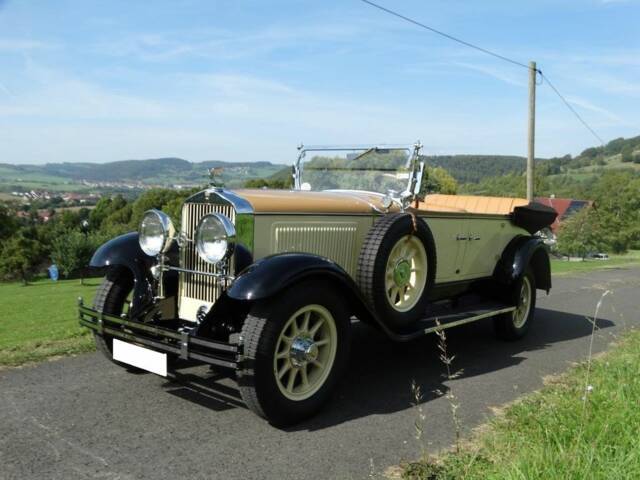
1928 | Horch 8 350 (16/80 PS)
Rare Horch Tourer with a body by Hornig

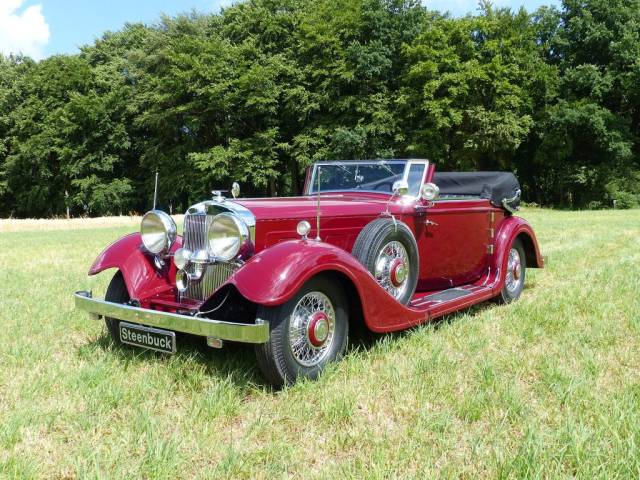
1932 | Horch 780 Sport-Cabriolet
A rare luxury classic
Auctions ending soon

Loading…
Loading…
Loading…
Loading…
Horch 8 listing references from Classic Trader
Below you will find listings related to your search that are no longer available on Classic Trader. Use this information to gain insight into availability, value trends, and current pricing for a "Horch 8" to make a more informed purchasing decision.
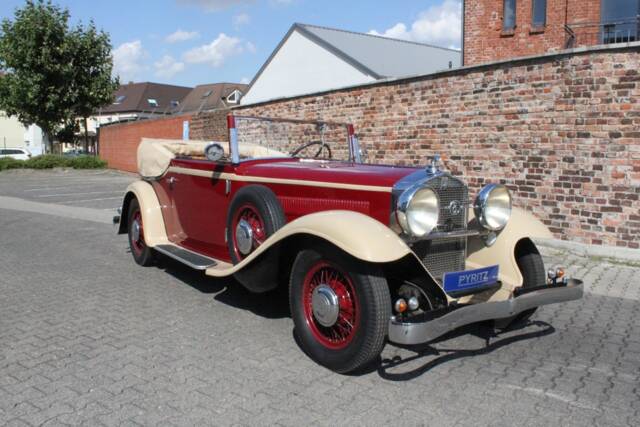
1930 | Horch 8 470 - 4.5 Litre
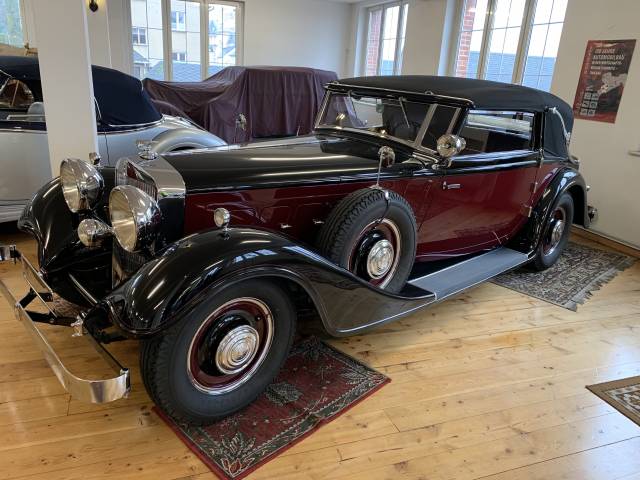
1932 | Horch 780 Sport-Cabriolet
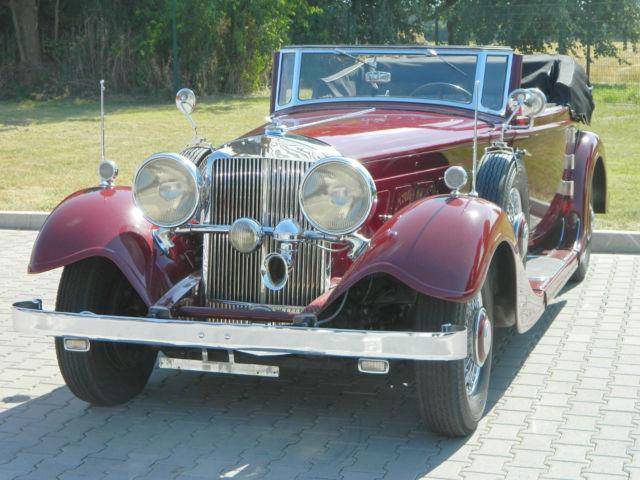
1932 | Horch 780 Sport-Cabriolet
Sonstige Sonstige Andere Horch 780 Sport-Cabriolet
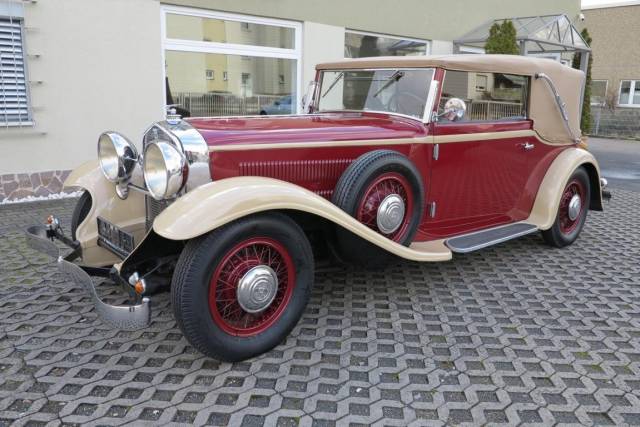
1931 | Horch 8 470 - 4.5 Litre
VERHANDLUNGSBASIS / NEGOTIABLE
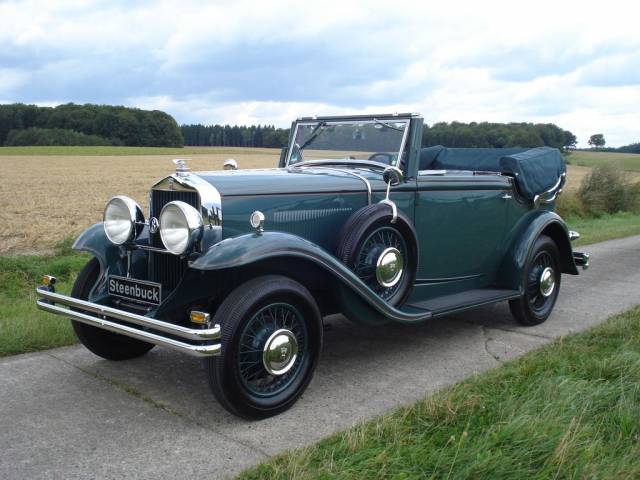
1930 | Horch 8 400 (16/80 PS)
Eine bemerkenswerte Schöpfung der 20iger Jahre
Horch 8 Classic Cars: Prices & Market Values
History and Development of the Horch 8
Horch launched the 8 model range in 1926, setting a benchmark for advanced luxury vehicles in Germany. Born from the expertise of chief engineer Paul Daimler, the Horch 8 introduced a 3.2-litre straight-eight engine with twin overhead camshafts – a configuration almost unheard of at the time in Europe. With continuous development, later engines reached displacements of 3.4 to 5.0 litres and incorporated features such as coupled cylinders and robust crankshaft bearings for superior smoothness.
The initial Horch 303 replaced the Horch 10 as a larger, more powerful luxury vehicle and was available as a touring car, Pullman saloon and Pullman convertible. Successive variants, such as the 305, 306, 400, 500, and later the Horch 780, expanded the technical and luxurious capabilities of the series. Production of Horch 8 models spanned until 1935, after which the line was succeeded by models including the 830, 930, 850 and 951. Their notoriety was solidified by the merger of Horch into Auto Union A.G. in the 1930s, which would shape German automotive history.
Model History
The Horch 8 family started with the Type 303, a direct evolution from the Horch 10. Key advancements included the move away from six-cylinder engines toward the technologically ambitious inline-eight. The series rapidly diversified – the 305 and 306 delivered more power and refinement; the 304 introduced a cabriolet version with a shorter wheelbase. The Horch 400, revealed at the 1930 Paris Auto Show, showcased a 4-litre DOHC engine. The 500 established a new high point with a 5-litre engine producing 100 hp, setting standards at the luxury end of the market.
By 1932, the Horch 780 arrived with further improved engine technology under the guidance of Fritz Fiedler – later a major figure at BMW. This last development in the model’s lineage was produced in limited numbers, symbolising Horch’s pursuit of innovation until the merger into Auto Union led to new model generations.
Highlights and Distinguishing Features
The Horch 8 models stood apart through their advanced engineering – particularly the straight-eight engine with twin overhead camshafts, unusual for the time. Their construction boasted spacious, luxurious interiors with bespoke coachwork. Many 8 models were built as exclusive Pullman saloons and elegant cabriolets, often featuring distinctive three-part panoramic windscreens. The custom bodies established Horch’s reputation for craftsmanship and technical confidence.
Horch 8 cars remain extremely rare: for example, only about 250–300 units of the final Type 780 were made, and just 16 are known to survive worldwide. Their prestigious aura is matched by their regular presence and success at concours events and their appeal to connoisseurs of 1930s German automotive technology.
Technical Data
Special Editions and Collectible Models
Among the rarest variants is the Horch 780 Sport Cabriolet, with its bodywork crafted by Hermann Ahrens, also known for the Mercedes-Benz 540 K Roadster. Three-part panoramic windscreens and bespoke luxury details further enhance the exclusivity of this edition. Limited production numbers and distinct bodywork contribute to exceptionally high collector value for numerous Horch 8 variants.
Engine and Performance, Transmission and Handling
The Horch 8 engines delivered notably high output for their period. The smooth-running inline-eight, reinforced by sophisticated crankshaft design, provided a cultured driving experience. Four-speed transmissions channeled power reliably, suited to both touring and formal limousine applications. The 780, top of the range, topped out at 125 km/h – an achievement for the early 1930s. Responsive chassis engineering and robust axles offered a ride praised for both comfort and composure, with each evolution further refining handling dynamics. - Horch 780: 4.9–5.0 litre engine, 100 hp, approx. 125 km/h, body by Hermann Ahrens
- Horch 400/500: 4.0–5.0 litre engines, powerful saloons and convertibles
- Horch 305/306: Mid-series models, blending classic luxury with robust six-seater configurations
Interior, Comfort, Exterior and Design
Horch 8 vehicles featured generously proportioned cabins, hand-furnished with period-correct materials such as fine leathers and wood. Notable examples included three-part panoramic windscreens and elaborate body shapes which often featured advanced coachbuilt design by leading craftsmen of the time. Pullman saloons and cabriolets exemplified both comfort and representative elegance. Details like chromed trim, custom dashboards, and tailored upholstery distinguished many cars. Accessories and optional extras were tailored to owner preference, often including custom luggage and exclusive paint finishes.
Summary
Every Horch 8 model blends period engineering with innovative design and scarcity. From pioneering engine layouts and advanced coachwork to extremely limited production runs, the Horch 8 series stands apart as a signal achievement in German prestige car history, remaining the core focus for Horch collectors and classic car enthusiasts today.