Horch 12 Classic Cars for Sale
The Horch 12 stands as a testament to pre-war German luxury and engineering, powered by an advanced 12-cylinder V engine and produced in extremely limited numbers between 1931 and 1934. Its technical finesse, rarity, and elegant bodywork make it a highlight among classic automobiles of its era.
Search results
Currently, there are no matching listings for your search.
Create search alert
Let yourself be notified as soon as a listing is published that matches your search filters.
Create listing
Do you have a Horch 12 that you want to sell? Then create a listing now.
Create listingHorch 12 listing references from Classic Trader
Below you will find listings related to your search that are no longer available on Classic Trader. Use this information to gain insight into availability, value trends, and current pricing for a "Horch 12" to make a more informed purchasing decision.
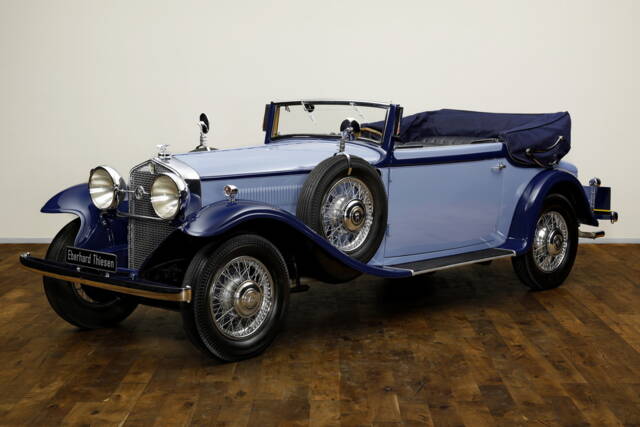
1931 | Horch 12 670

Create search alert
Let yourself be notified as soon as a listing is published that matches your search filters.
Create listing
Do you have a Horch 12 that you want to sell? Then create a listing now.
Create listingHorch 12 Classic Cars: Prices & Market Values
Introduction and History of the Horch 12
The Horch 12 debuted at the 1931 Paris Motor Show as the Type 670—a two-door cabriolet with a sprawling 3.45-metre wheelbase. It marked a technological leap, as the first German car with hydraulic tappets, liberating owners from frequent valve adjustment. In 1932, Horch expanded the lineup with the Horch 600, produced only until 1933, and available as either a limousine or a four-door Pullman cabriolet. The Horch 12 was designed to compete directly with the Mercedes-Benz 770 and the Maybach Zeppelin DS 8, yet it undercut both on price, winning over many buyers in the luxury segment. Production was strictly limited, with only 28 units of the 600 and 53 of the 670 manufactured in total.
Model History
The Horch 12 encompasses two main types: the Type 670, produced from 1931 to 1934, and the heavier, more imposing Type 600, built just from 1932 to 1933. While no direct successor followed, the Horch 12 series distinguished itself as a pinnacle of luxury and engineering in the brand's pre-war portfolio. Despite limited numbers, the 12-cylinder layout and unique technical solutions ensured a lasting legacy for both models.
Highlights of the Horch 12
Powered by a 6-litre, 12-cylinder V engine delivering up to 120 hp, the Horch 12 featured a 60-degree bank angle and a seven-bearing crankshaft—state-of-the-art for the period. The innovative ZF Friedrichshafen four-speed manual gearbox, with centrally mounted shifter and synchronized gears two through four, made for a sophisticated driving experience. Body options ranged from sporty cabriolets to stately limousines, showcasing versatility in design. Competition with renowned brands, except at a lower price, underlined the shrewd market approach by Horch.
Technical Data
Special Editions and Collectible Models
All Horch 12 models, due to their extremely limited production numbers—just 53 units of the 670 and 28 units of the 600—can be considered rare collectibles. The combination of unique body styles and limited production ensures each surviving vehicle's uniqueness and value. Special bodywork, such as Pullman cabriolets and custom limousines, adds an additional layer of exclusivity.
Engine, Performance, Transmission and Handling
The Horch 12’s 60-degree V12 produced 120 hp, enabling the Type 670 to reach 140 km/h. Its seven-bearing crankshaft provided smoothness and durability rarely seen at the time. Synchronised upper gears meant that shifting was exceptionally smooth for the era, eliminating double-clutching for most inputs. The transmission’s layout contributed to balanced handling and ease of control, while chassis strength accommodated the weight and size of these high-end models. • Horch Type 670: 6.0-litre V12, 120 hp, max speed 140 km/h, four-speed manual with synchronised upper gears. • Horch Type 600: Heavier body, similar drivetrain, 130 km/h top speed.
Interior, Comfort, Exterior and Design
The Horch 12 offered bodywork styled for luxury and distinction. The extended wheelbase permitted generous interior dimensions, with custom finishes and opulent cabin materials. Pullman cabriolets boasted elegant lines and convertible comfort, while limousines featured elaborate trim. Details such as the centrally mounted gear lever, finely crafted dashboard, and custom upholstery exemplified Horch’s commitment to tailoring each car to the highest standards available in Germany at the time. Paintwork often featured deep, multi-coat finishes, adding visual drama to the elongated bonnets and stately grilles.
Other Features
Hydraulic tappets represented a major innovation on the Horch 12, reducing the need for routine engine adjustment and contributing to lower maintenance overheads compared to contemporaries.
Summary
The Horch 12 made waves as a highly advanced and rare luxury car, equipped with a unique 12-cylinder powerplant and an array of technical innovations. Built in painstakingly small numbers between 1931 and 1934, it remains a peak example of pre-war German automotive engineering—with every detail, from mechanics to interior finishes, reflecting the ambitions of an era focused on luxury and performance.