FIAT 126 Classic Car for Sale
The FIAT 126 is a compact city car that left its mark on European streets from 1972 to 2000. Renowned for its rear-engined, small-displacement design, the 126 became especially popular in Italy and Poland, with various series including air-cooled and water-cooled types, as well as rare cabrio and offroad versions. This model is a favourite for those seeking ultracompact, analogue motoring and approachable mechanics.
Search results
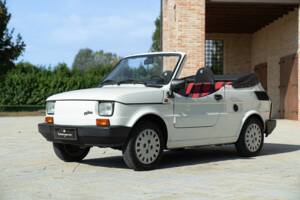
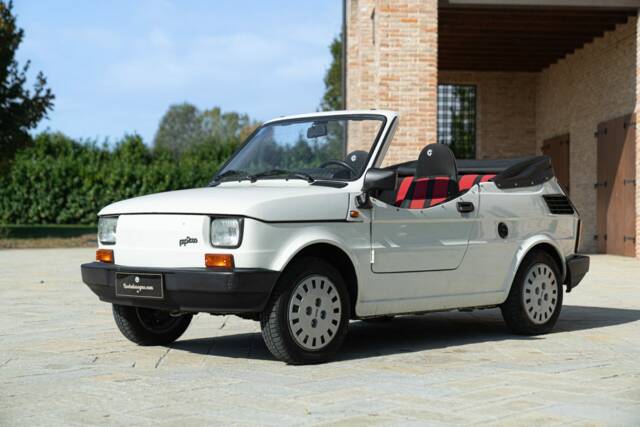
1992 | FIAT 126 Pop 2000
Fiat 126 POP 2000 CABRIOLET

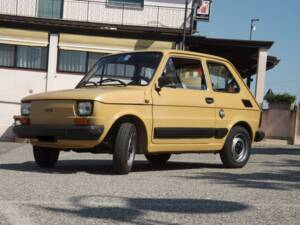
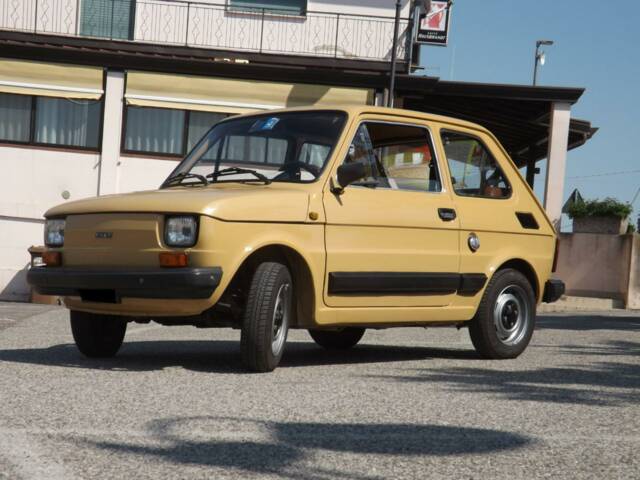
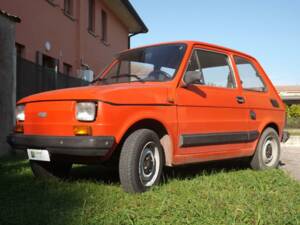
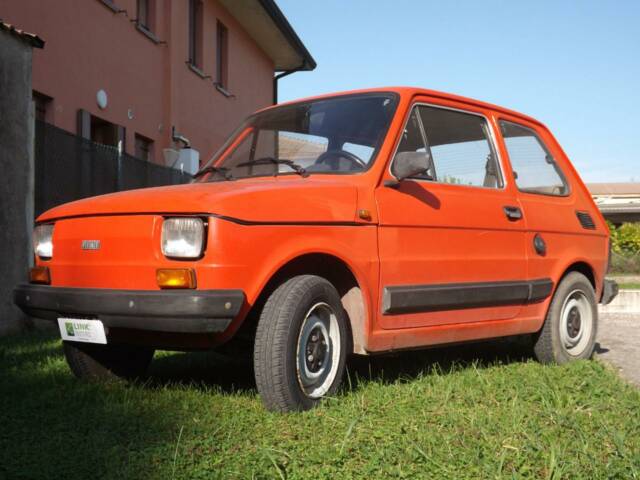
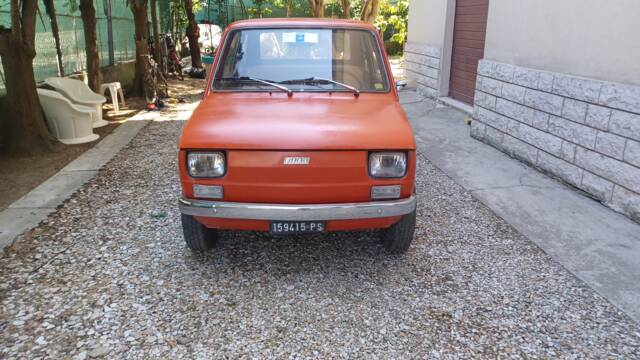
1975 | FIAT 126
One owner
Newsletter
The best FIAT listings, straight to your inbox
Get hand-picked FIAT listings, plus the best of cars, motorbikes, and auctions on Classic Trader — all in one place.
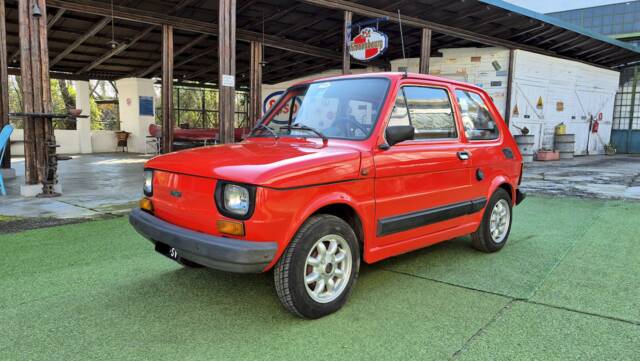
1981 | FIAT 126 bambino
SUMMER PRICE 2026 @ CITY MOTORS
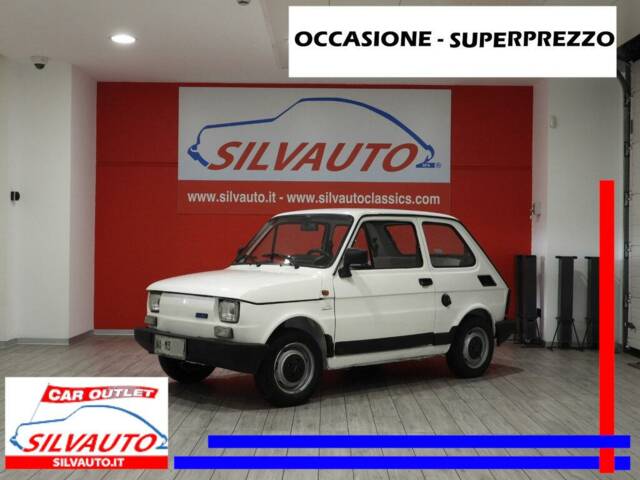
1983 | FIAT 126
FIAT 126 A1 MADE BY FSM (1983) - SUPERPREZZO
FIAT 126 listing references from Classic Trader
Below you will find listings related to your search that are no longer available on Classic Trader. Use this information to gain insight into availability, value trends, and current pricing for a "FIAT 126" to make a more informed purchasing decision.
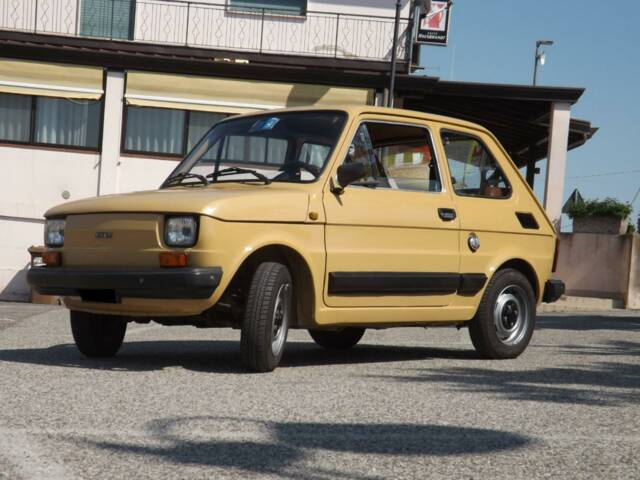
1980 | FIAT 126
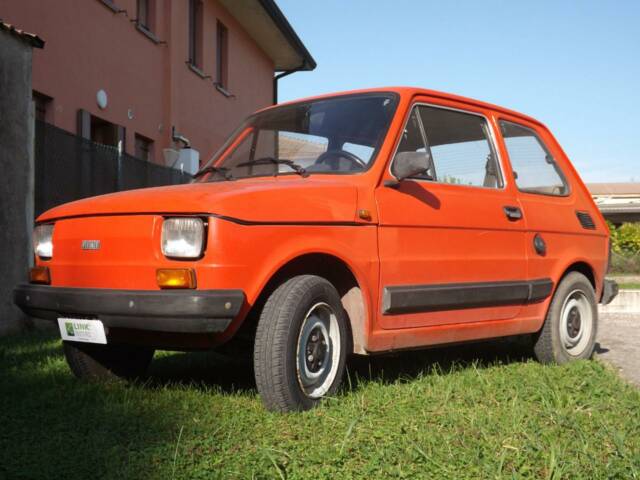
1981 | FIAT 126
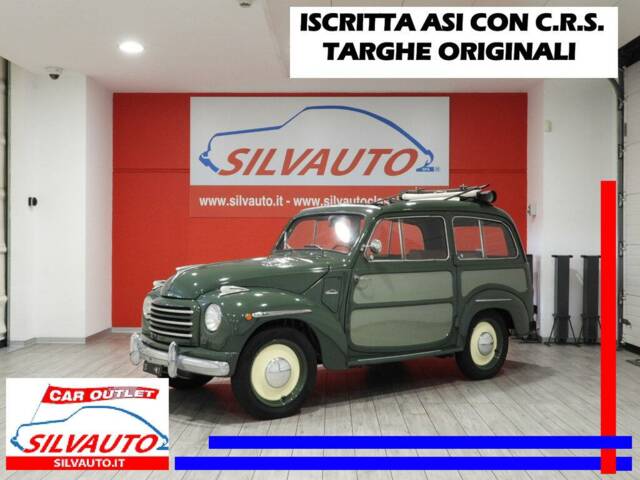
1953 | FIAT 126
FIAT 500C BELVEDERE GIARDINIERA FAMILIARE METALLICA (1953) ISCRITTA ASI CON C.R.S. – TARGHE ORIGINALI – SUPERCONDIZIONI
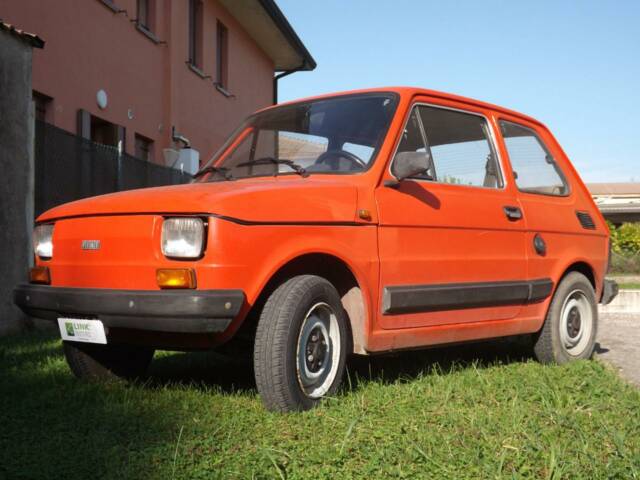
1981 | FIAT 126
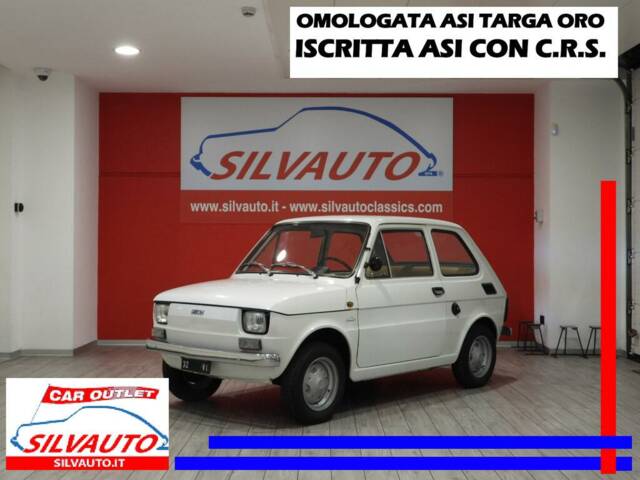
1975 | FIAT 126
FIAT 126 A BERLINA (1975) 1^SERIE – ISCRITTA ASI CON C.R.S. – OMOLOGATA ASI TARGA ORO – SUPERCONDIZIONI
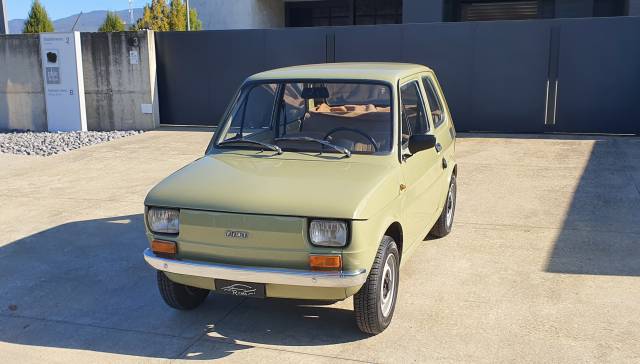
1973 | FIAT 126
Year 1983 !!
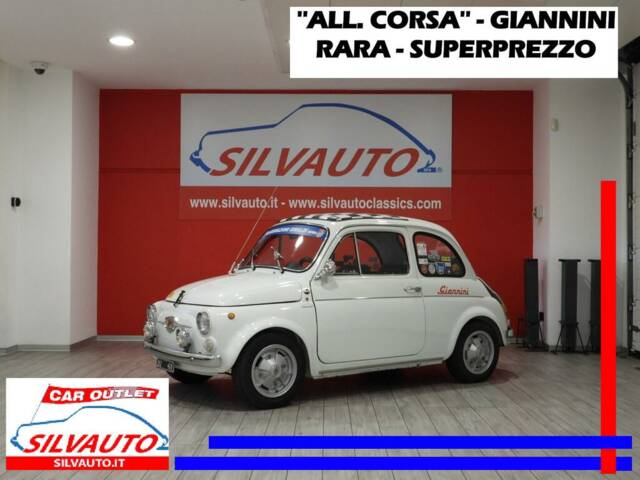
1969 | FIAT 126
FIAT GIANNINI 590 GT “ALL. CORSA” (1969) RARISSIMA – RESTAURO MANIACALE – SUPERCONDIZIONI – SUPERPREZZO
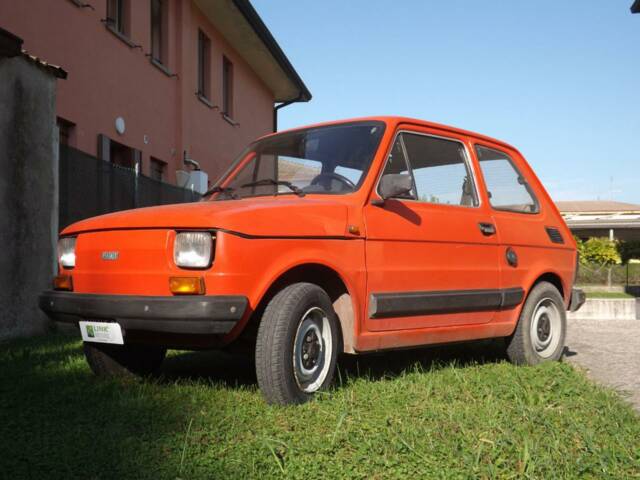
1981 | FIAT 126
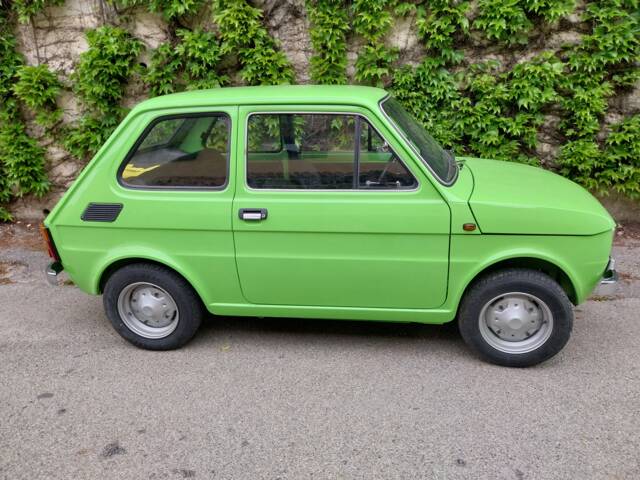
1976 | FIAT 126
Made in Italy
FIAT 126 Classic Cars: Prices & Market Values
The market value of FIAT 126 classic cars is primarily determined by technical condition, originality and mileage, as well as rarity, history and documentation. A well-maintained, largely original vehicle with low, verifiable mileage and complete history including appraisals and documentation typically achieves significantly higher prices than a comparable vehicle with deferred maintenance, many modifications or unclear provenance.
FIAT 126: Market Prices & Value Trends
Based on sales data from the Classic Trader marketplace, the FIAT 126 market in Europe has been broadly stable with a mild upward bias over the period from early 2021 to January 2026. Most activity sits in Italy, with additional supply from France, Germany, the Netherlands and occasional UK cars, and prices are primarily condition-led rather than driven by rapid speculation. Across the dataset, everyday FIAT 126 models from the mid-1970s to late-1980s (typically 23–26 hp) most often cluster around €3,000–€6,500, suggesting a realistic current market range for usable, standard examples. Cheaper cars around €1,500–€2,500 appear, but these are likely projects or lower-grade offerings, while stronger cars in the €6,500–€8,500 bracket tend to be better-presented or more desirable years. Specialist variants (for example the Moretti Minimaxi) sit noticeably higher and should not be used to price a regular 126. For buyers, this means a relatively liquid entry-level classic segment; for sellers, originality, rust-free bodywork and tidy interiors remain the key factors supporting gradual appreciation.
History of the FIAT 126
Launched in August 1972 as the successor to the FIAT 500, the FIAT 126 was developed to carry the compact spirit forward, blending affordable transportation with practical design. Initially produced in Turin, manufacturing soon expanded to Poland, where it earned the nickname "Maluch" and became a symbol of mobility for generations. With its unmistakably boxy silhouette and rear-engine setup, the FIAT 126 stood out among European small cars. Across almost three decades, well over 4.6 million units left the factories, a testament to its utility and enduring presence in everyday life across Italy, Poland, and beyond.
Model History
The 126 succeeded the iconic FIAT 500, adopting a slightly more squared-off style and marginally larger body. Over the years, the model saw numerous updates. Early versions (1972–1987) featured robust air-cooled engines, while the seminal update came in 1987 with the FIAT 126 BIS, equipped with a 704cc water-cooled engine and hatchback body. Variants like the Personal 4, Savio Jungla (an off-road light utility), Malubats Cabriolet, and Polski FIAT 126p reflected regional tastes and legislative demands, with production in Poland continuing until 2000.
Highlights and Special Features
Distinctive for its compact dimensions, the FIAT 126 delivers rear-engine charm and surprising practicality. Its chassis, typically less than 3.10 metres long, offers great manoeuvrability for city use, paired with featherweight construction around 600 kg. The model was offered both with air-cooled and water-cooled two-cylinder engines (594–704cc), most producing 24–26 PS, leading to practical but humble performance. Factory features included foldable front seats, heater, various exterior colours, and minimalist dashboard layouts, while some rare specials brought soft-top or offroad capability.
Technical Data
Special Editions and Collectible Models
Among special releases, the 126 BIS (1987–1991) featured a hatchback body and water-cooled engine. The Savio Jungla, crafted by Carrozzeria Savio, was an open offroad adaptation produced in small numbers. Cabriolet conversions like the Malubats remain highly uncommon, and the 126p (Polski Fiat, FSM) became a mainstay in Eastern Europe. Some factory and aftermarket models feature sportier alloy wheels or enhanced interiors, while the rarest versions include unique paint colours or custom coachworks.
Weak Spots and Common Issues
The biggest concern is body rust—pay attention to sills, jacking points, floors, wheel arches, doors, and the windshield area, especially on later models with lower-quality steel. BIS engines are vulnerable to blown head gaskets and cooling issues due to their pump-free thermosyphon system, while earlier air-cooled units are more robust but can leak oil at axle boots and pushrod tubes. Gearboxes on older models are often unsynchronised and can be awkward, with typical oil leaks. Driveshafts, suspension arms, and kingpins are prone to wear and rust. Electrical systems and trim are fragile, with heaters often underperforming. For Polish imports, registration and emissions retrofits may be a challenge.
Engine, Transmission, and Handling
FIAT 126 models are nimble due to their short wheelbase and rear-engine layout, making city driving and tight parking straightforward. Engines, whether 594–652cc air-cooled or 704cc water-cooled, provide modest power output (24–26 PS), with some tuned cars reaching 40 PS. Early cars’ unsynchronised gearboxes require careful double-declutching; later cars are more forgiving. The sensation is pure: minimal insulation, rear-driven agility, and direct steering—perfect for those seeking analog feedback. Drum brakes keep the stopping distances long by modern standards, while the light chassis adds to responsiveness. - FIAT 126 air-cooled (1972–1987): 594/652cc engine
- FIAT 126 BIS (1987–1991): 704cc water-cooled, hatchback tailgate
- Savio Jungla: Offroad, open body
- Malubats Cabriolet: Rare convertible
- Polski Fiat 126p (FSM): Produced until 2000 in Poland
Interior, Comfort, and Design
The 126’s simple, functional design features a boxy silhouette, rear engine bay, and front luggage space. Interiors were typically adorned with either vinyl or fabric trim, minimalist dashboards with essential instruments, and sparse comfort features—including basic heating and four seats with folding backs. Factory body colours included bold shades like Meadow Green, Coral Red, Broom Yellow, and others. Cabriolet and Jungla versions offered exposed metal and open-air driving, while special-edition alloys or wider wheels could be found on select variants. Accessories such as underbody protection, heating, fold-flat seats, and rudimentary radios were optional or retrofitted on many examples.
Other Notable Features
Some supply original tools and breakdown kits. Replacement parts remain widely available, and the 126 remains a popular entry-level classic in continental Europe, blending low running costs and DIY-friendly engineering. Recognised historic status in Italy (ASI) and potentially eligible for international classic car registries enhances its appeal among classic small-car enthusiasts.
Summary
The FIAT 126 defined affordable motoring for millions, especially in Italy and Poland. Its small footprint and simple mechanics make it uniquely approachable for restoration, daily vintage use, or collection. The variety of models—from standard city commuters to rare convertibles and offroaders—ensures a wide spectrum of interest, supported by active parts supply and a knowledgeable enthusiast scene. Prospective owners should pay close attention to corrosion and mechanical condition, but a well-maintained 126 provides an authentic, engaging classic car experience.