FIAT 508 Classic Cars for Sale
The FIAT 508, known as the Balilla, represents the turning point of mass motorisation in Italy during the 1930s. Praised for its robust engineering, versatility in body styles, and accessible price, the 508 enabled many families and professionals to enter the automotive world for the first time. Its technical innovations and racing heritage continue to attract enthusiasts and collectors today.
Search results
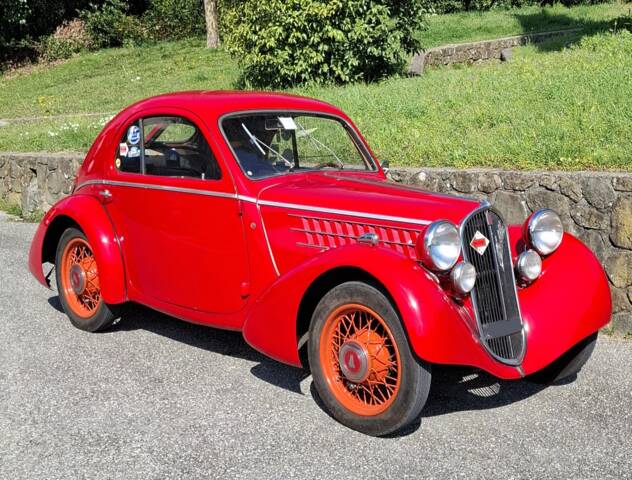
1936 | FIAT 508 S Balilla Sport
FIAT 508 S Balilla Sport

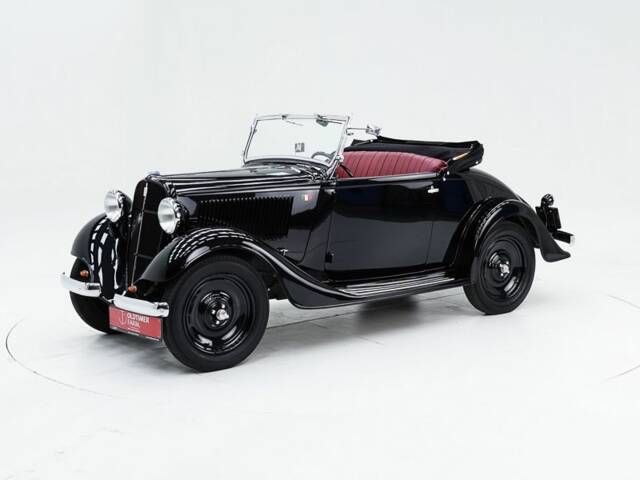
1935 | FIAT 508 Balilla Series 2
1935 Fiat 508 B Balilla Spider '35

Auctions ending soon

Loading…
Loading…
Loading…
Loading…
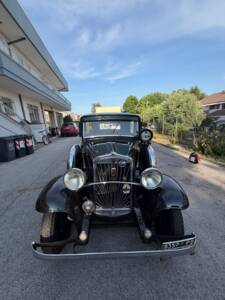
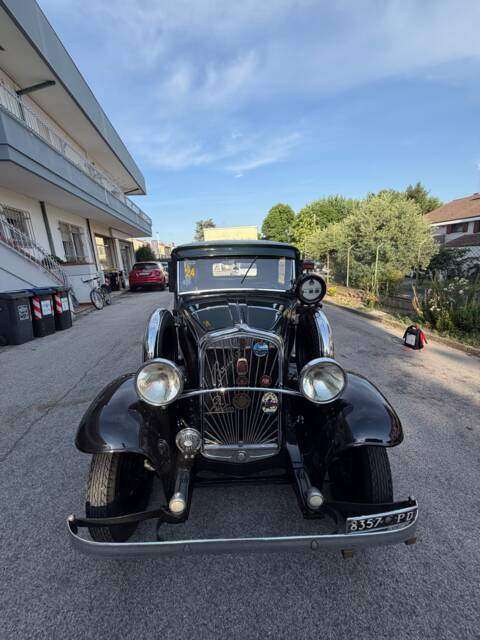
1933 | FIAT 508 Balilla Series 1
Fiat 508 Balilla 3M Luxury Taxi
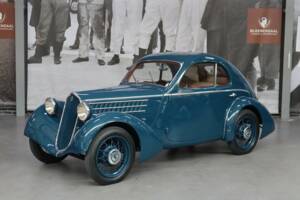
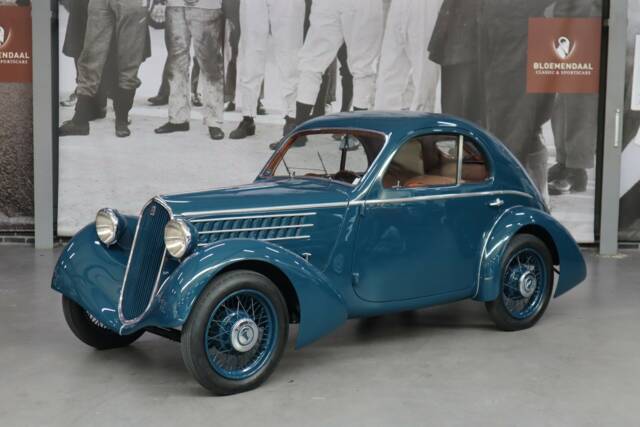
1935 | FIAT 508 Balilla Series 2
Mille Miglia eligible

Newsletter
The best FIAT listings, straight to your inbox
Get hand-picked FIAT listings, plus the best of cars, motorbikes, and auctions on Classic Trader — all in one place.
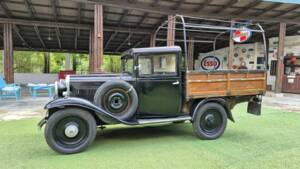
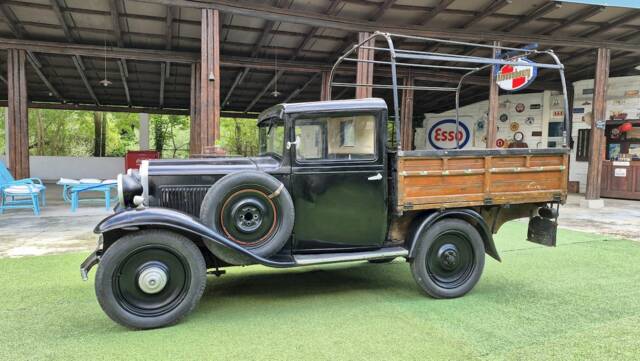
1933 | FIAT 508 Balilla Camioncino
SUMMER PRICE 2026 @ CITY MOTORS
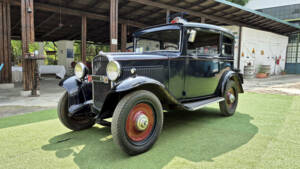
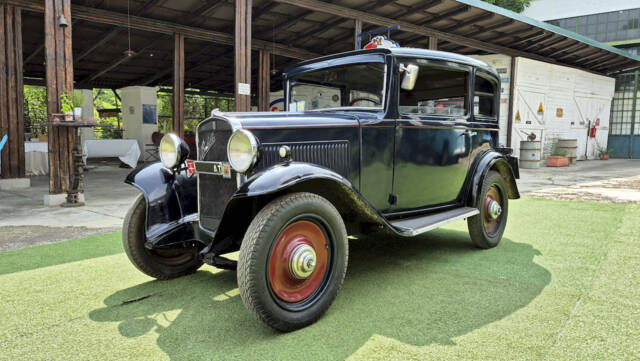
1933 | FIAT 508 Balilla Series 1
SUMMER PRICE 2026 @ CITY MOTORS
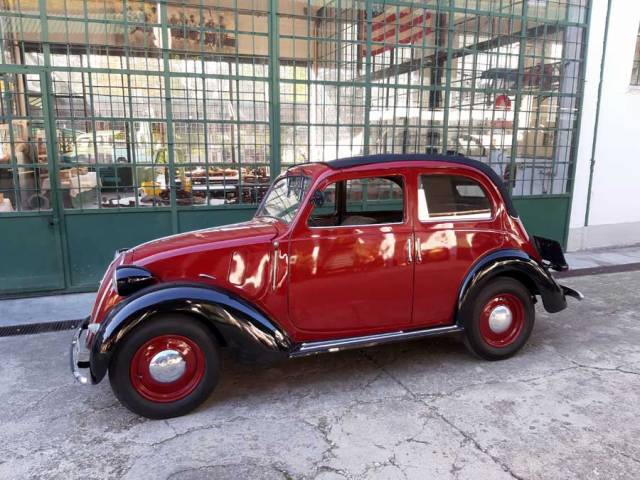
1939 | FIAT 508 C
SUMMER PRICE 2026 @ CITY MOTORS
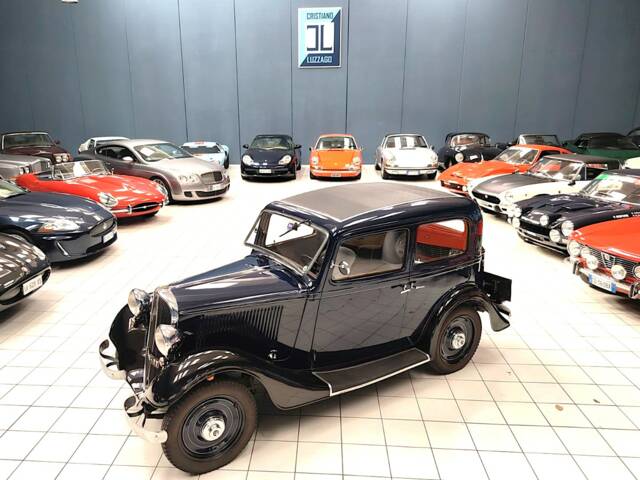
1934 | FIAT 508 Balilla Series 2
FIAT 508 BALILLA BERLINA 4 PORTE – 1934

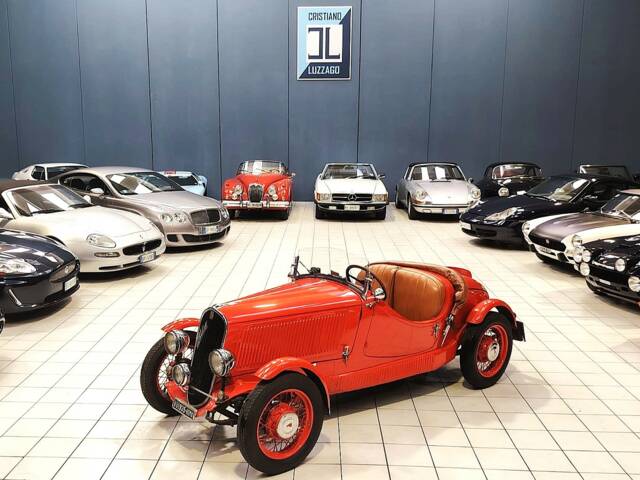
1935 | FIAT 508 S Balilla Sport
Sport Body Rebuilt in the 1970s –
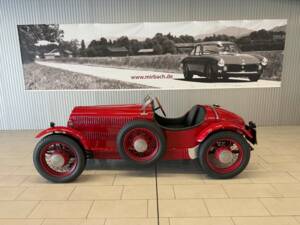
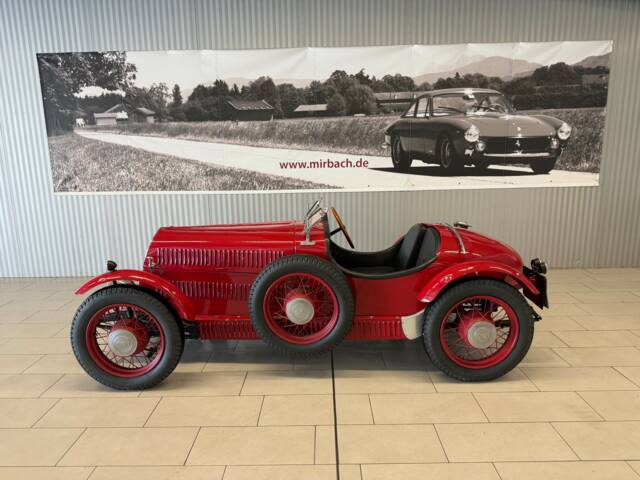
1934 | FIAT 508 Balilla Series 1
Balilla Spider - FIVA-Pass, deutsche Straßenzulassung

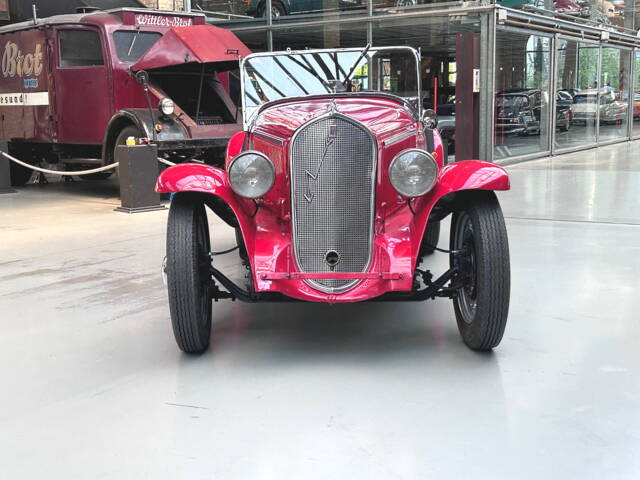
1936 | FIAT 508 S Balilla Sport
German first registration from 2nd owner!
FIAT 508 listing references from Classic Trader
Below you will find listings related to your search that are no longer available on Classic Trader. Use this information to gain insight into availability, value trends, and current pricing for a "FIAT 508" to make a more informed purchasing decision.
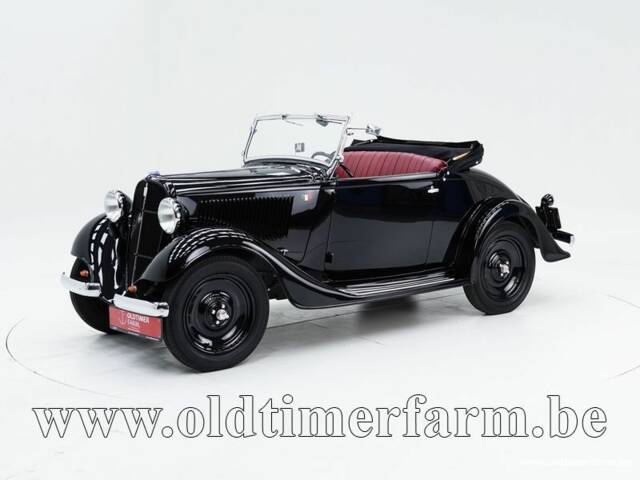
1935 | FIAT 508 Balilla Series 2
1935 Fiat 508 B Balilla Spider '35
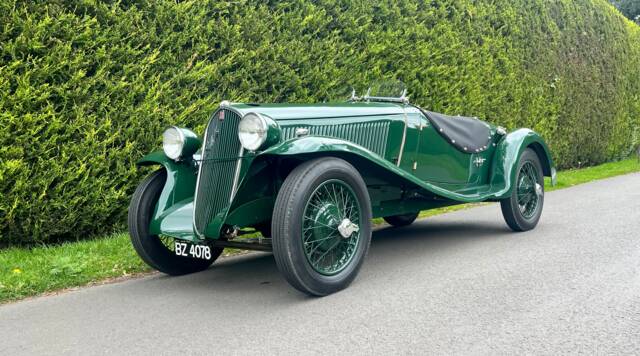
1936 | FIAT 508 S Balilla Sport
exceptional one of 4 fiat 508S Balilla's delivered to Ireland

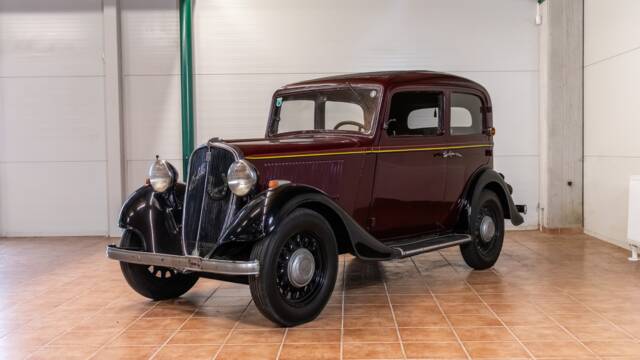
1934 | FIAT 508 Balilla Series 2
Former Italian Volkswagen

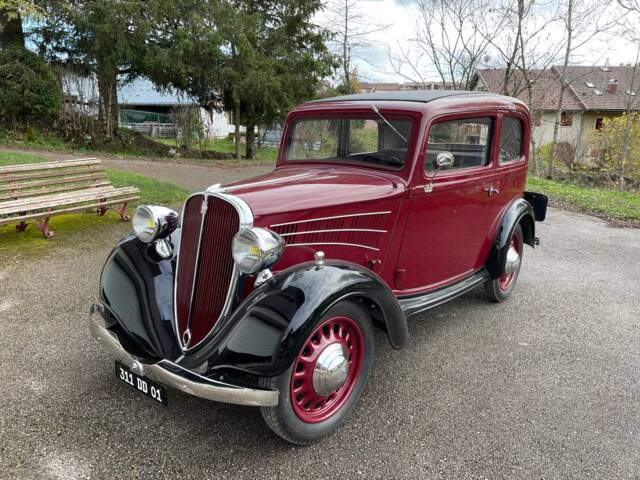
1934 | FIAT 508 Balilla Series 1
Simca Fiat

FIAT 508 Classic Cars: Prices & Market Values
The market value of FIAT 508 classic cars is primarily determined by the specific manufacturer code and variant, as well as technical condition, originality and mileage. Additional factors include rarity, history and documentation. A well-maintained, largely original vehicle with low, verifiable mileage and complete history including appraisals and documentation typically achieves significantly higher prices than a comparable vehicle with deferred maintenance, many modifications or unclear provenance.
FIAT 508: Market Prices & Value Trends
Based on Classic Trader marketplace sales data from March 2021 to January 2026, the FIAT 508 market in Europe looks broadly stable, with most asking prices clustering in a predictable band despite a few headline-grabbing extremes. The core of current demand sits with the 1932–1937 FIAT 508 Balilla (Series 1 and Series 2), which most commonly appears around €15,000–€30,000, with tidy, well-presented cars often nearer €20,000–€25,000. At the lower end there are occasional project-priced entries, but single very low figures should not be taken as representative. Above this, rarer derivatives can lift the ceiling: 508 C and 508 C Balilla 1100 examples frequently sit in the roughly €35,000–€60,000 bracket, reflecting greater performance and scarcity. Sports-focused 508 S Balilla Sport listings show much wider dispersion, with some very high prices that appear outlier-driven; realistically, many examples still transact far below those peaks. Overall, today’s market rewards provenance, originality and quality restoration, while average Balilla values appear to be holding rather than rapidly rising.
History of the FIAT 508 (Balilla)
The FIAT 508 was launched in 1932 at the Milan Motor Show, marking a new chapter for Italian automotive accessibility. Its design was led by a team including Dante Giacosa and Tranquillo Zerbi, with the goal of offering an affordable yet technically sophisticated small car to a broader public. Named 'Balilla' after a popular national figure, the 508 instantly struck a chord with the social and political mood of 1930s Italy. Across its production run, ending in 1937, more than 112,000 units rolled off the lines, symbolising Italy's economic and social transformation through motorisation.
Model History and Evolution
The 508 replaced the FIAT 509 and was succeeded by the FIAT 1100. Initially launched as a two- or four-door Berlina (saloon) featuring a 3-speed gearbox and a side-valve, 995cc four-cylinder engine, subsequent versions improved comfort and performance. In 1933, the introduction of the 508B brought a more aerodynamic body and a four-speed gearbox. A wide array of variants emerged: Spider (convertible), Spider Sport, Torpedo, Berlinetta Aerodinamica, and even militarised and commercial versions, reflecting the model’s adaptability. Several special-bodied cars were created by renowned coachbuilders like Ghia, Viotti, and Kelsch, making each series a showcase of international collaboration and technical development.
Highlights and Special Features of the FIAT 508
A standout feature of the FIAT 508 was its innovative engineering for the era: hydraulic brakes on all four wheels, a sturdy X-braced chassis, and a remarkably low entry price for its class. Versatility defined the model, with engine power ranging from 20 PS in early versions up to 46 PS in the 508S racing derivatives. Its sporting pedigree was proven by successful entries in events such as the Mille Miglia and partnership with Scuderia Ferrari in the mid-1930s. The 508’s robust mechanics and straightforward technology provided a blend of durability and user-friendly maintenance, while its body styles accommodated luxury, sport, and utility requirements. According to our listings, 1.0% of all FIAT ads are for the 508 series, and listings of the 508 account for 6% of the total viewership for FIAT classic cars. This demonstrates notable sustained interest from the collector community.
Technical Data
Special Editions and Collectible Models
Numerous special versions underline the diversity of the 508 series. The 508S Spider Sport featured Siata-tuned OHV engines up to 46 PS, pronounced wings, and lightweight sport bodies, often with Ghia or other coachbuilt designs. The Berlinetta Aerodinamica stood out for its streamlined fastback profile. There were also limited military versions, including Coloniale and Officina, and rare bodies tailored for racing or commercial use. Many of these special or competition-tailored editions are rarities today.
Weak Spots and Common Issues
While the FIAT 508 is respected for its straightforward mechanics and robust build, potential owners should be aware of the following: brake hydraulics can suffer from seal leakage with infrequent use, and rusty chassis sections are not uncommon due to the car's age and original materials. Sheet metal and lower body sills often require attention. Electrical systems (originally 6V) may need thorough refurbishment, especially in early models. Despite these points, parts availability is good owing to high production numbers.
Engine, Performance, and Handling
The original 995cc engines deliver 20PS and a top speed of 80km/h, sufficient for 1930s roads and well-suited to leisurely drives today. Later models with 24PS and 4-speed gearboxes offered improved drivability, while the Spider Sport and racing Berlinettas benefitted from higher output and lighter bodies, exceeding 100km/h. Handling is predictable, with rigid axles and leaf springs delivering a characteristically firm period ride. Hydraulic brakes, progressive for this class and era, offered decent stopping ability compared to cable-operated systems of some rivals. - 508 Berlina: Baseline 2/4-door, simple 20–24 PS
- 508S Spider Sport: 30–36 PS, Siata tuning, Ghia/Viotti/Kelsch bodies, race pedigree
- 508C: More powerful (1089cc), basis for postwar Fiat 1100
Design, Interior, and Accessories
Design of the FIAT 508 is a blend of sober 1920s lines and forward-looking 1930s details. Distinctively upright grilles, separate mudguards, and chrome elements mark early models; the 508B and C adopted more aerodynamic forms, including raked grilles and rounded bodies. Interiors were typically cloth in standard saloons, with leather or imitation finishes in Lusso and sport models. Notable features include manually crank-operated windows, mechanical signalling ('wig-wag' indicators), and optional folding or opening windscreens. Some variants featured bespoke coachwork—especially from Bertone, Savio, Ghia—with exclusive colors, upholstery, and custom dashboards. Accessories such as additional spare wheel mounts and chromed fixtures were commonly specified.
Other Notable Features
Production took place not only in Turin, but also in Germany (NSU-Fiat), France (Simca-Fiat), Poland (Polski Fiat), and Czechoslovakia, with local modifications for market needs. For example, Polish versions had reinforced bodies and suspension to handle local roads. Many vehicles today retain their original or historic Italian registration documents, and several enjoy a place in private collections or museums. The good parts supply ensures ongoing viability for restoration enthusiasts.
Summary
The FIAT 508 stands as a landmark in affordable pre-war European motoring, unmatched in its blend of technological innovation, variety of body styles, and accessibility. Appreciated for its tech-forward approach to chassis, brakes, and body configurations, the 508 is a central figure for collectors seeking both historical value and driving engagement in a classic Italian car.