Ferrari 275 Classic Cars for Sale
The Ferrari 275, produced between 1964 and 1968, stands out as a high-performance grand tourer featuring cutting-edge technology for its time—such as independent rear suspension and a rear-mounted transaxle. Both closed coupé (GTB) and open spider (GTS) bodies were available, powered by the legendary 3.3-litre Colombo V12. The introduction of the four-cam GTB/4 model marked a technological step forward and is highly regarded among serious collectors.
Search results
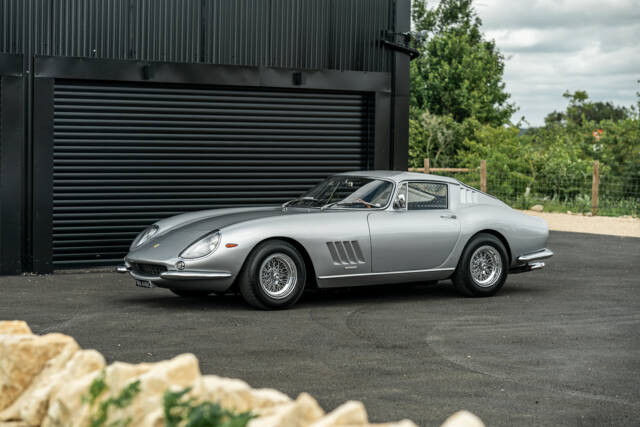
1965 | Ferrari 275 GTB
Alloy bodied restored example with Classiche Certification

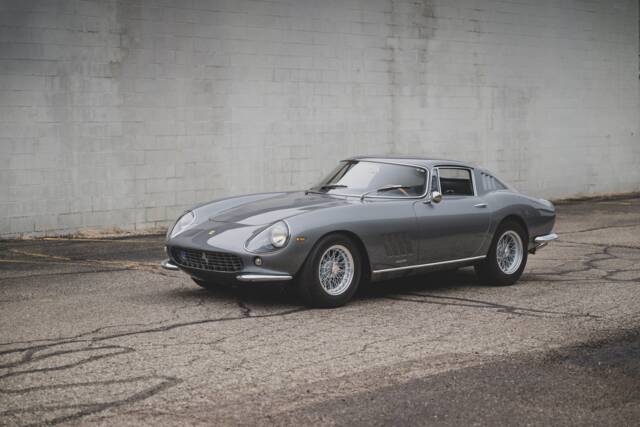



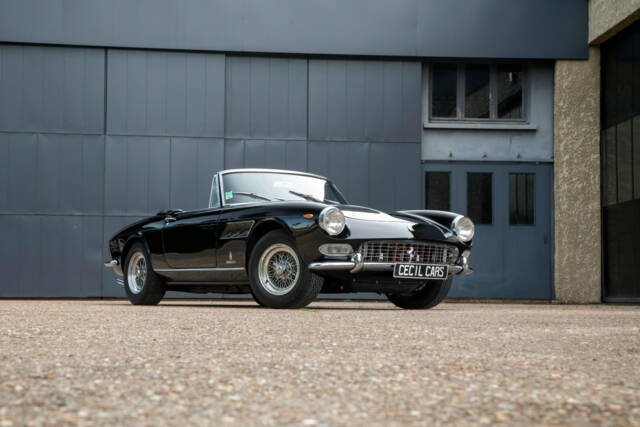
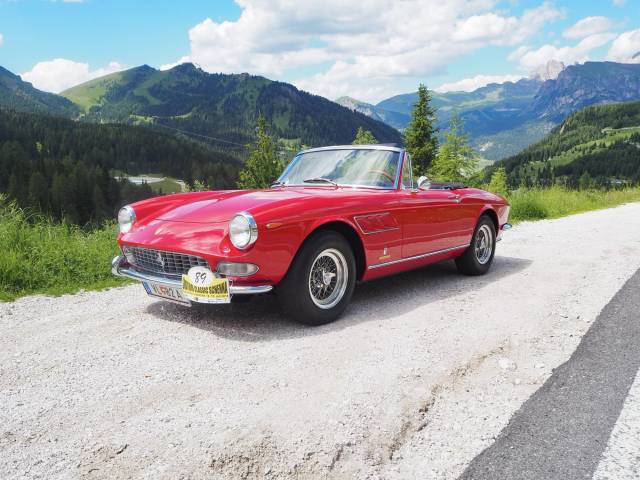
1965 | Ferrari 275 GTS
Ferrari 275 GTS

Newsletter
The best Ferrari listings, straight to your inbox
Get hand-picked Ferrari listings, plus the best of cars, motorbikes, and auctions on Classic Trader — all in one place.
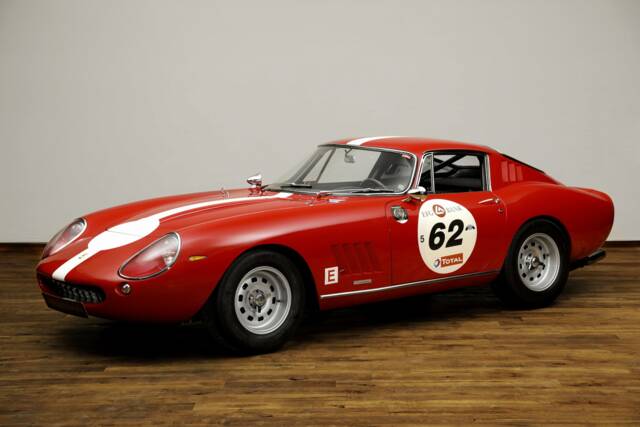
1967 | Ferrari 275 GTB/4
Ferrari Classiche & Massini Report

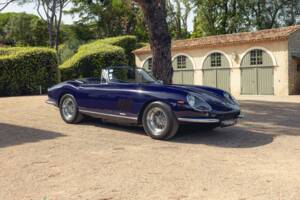
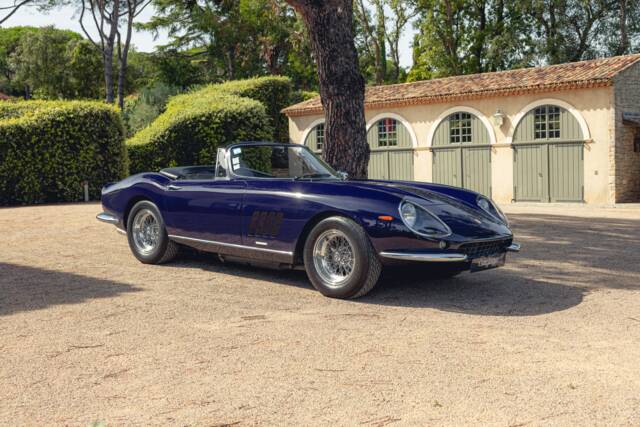
1967 | Ferrari 275 GTB/4 Spider NART
Ferrari 275 GTB/4 Spider NART (R)

Ferrari 275 listing references from Classic Trader
Below you will find listings related to your search that are no longer available on Classic Trader. Use this information to gain insight into availability, value trends, and current pricing for a "Ferrari 275" to make a more informed purchasing decision.
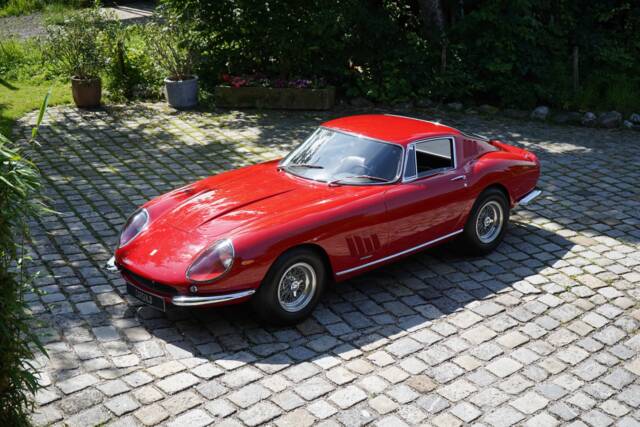
1968 | Ferrari 275 GTB/4
An absolute rarity from the golden age of motorsport!
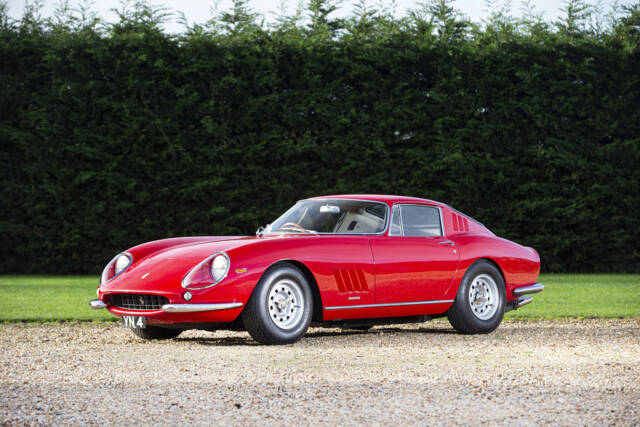
1966 | Ferrari 275 GTB
1966 Ferrari 275 GTB
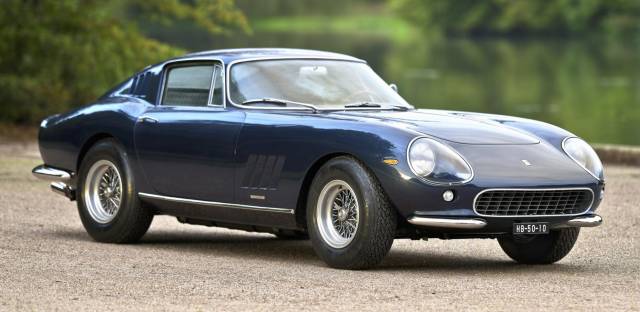
1965 | Ferrari 275 GTB
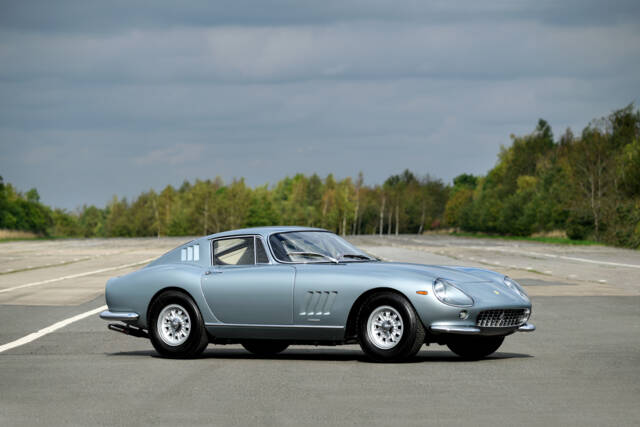
1965 | Ferrari 275 GTB
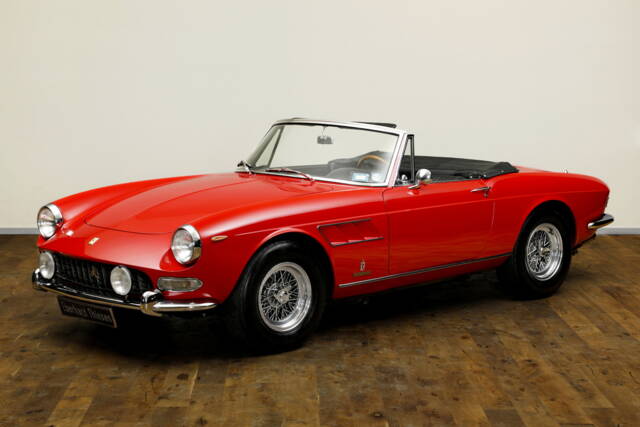
1965 | Ferrari 275 GTS
Spider Pininfarina
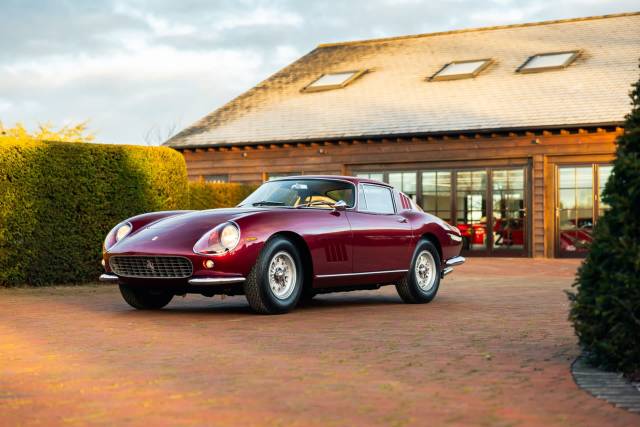
1965 | Ferrari 275 GTB
Short Nose | Matching Numbers
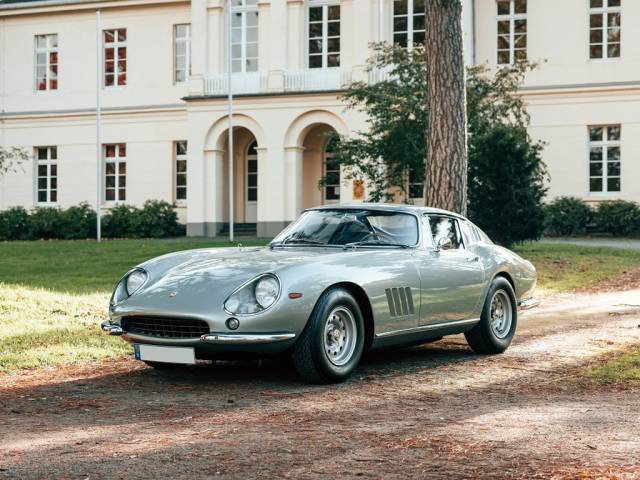
1966 | Ferrari 275 GTB/6C Alloy
1966 Ferrari 275 GTB/6C Alloy by Scaglietti
Ferrari 275 Classic Cars: Prices & Market Values
The market value of Ferrari 275 classic cars is primarily determined by the specific manufacturer code and variant, as well as technical condition, originality and mileage. Additional factors include rarity, history and documentation. A well-maintained, largely original vehicle with low, verifiable mileage and complete history including appraisals and documentation typically achieves significantly higher prices than a comparable vehicle with deferred maintenance, many modifications or unclear provenance.
Ferrari 275: Market Prices & Value Trends
Based on Classic Trader marketplace sales data from May 2023 to December 2025, the Ferrari 275 market in Europe appears broadly stable at a very high level, with values largely clustering rather than trending sharply up or down. Most observed prices sit in a realistic band of roughly £1.45m to £2.40m, covering the more common 275 GTS (1965–1966, 260 hp) and 275 GTB (1965–1966, 280 hp) examples seen in France, the Netherlands and Germany. A small number of higher-priced cars stretch beyond this, with a 275 GTB/4 (1968, 300 hp) around £2.38m and one 275 GTB reaching £2.75m; these appear to reflect rarer specifications, standout provenance or top-tier condition, so they should not be treated as the everyday benchmark. For today’s buyers and sellers, this suggests a firm, liquidity-limited market where the model’s blue-chip reputation, low production numbers and continued demand for period V12 Ferraris are supporting prices and encouraging gradual stabilisation rather than volatility.
History of the Ferrari 275
Developed as the direct successor to the Ferrari 250 GT series, the Ferrari 275 made its debut at the 1964 Paris Motor Show. While the earlier 250 GT set the bar, the 275 took it further with a transaxle layout and an independent rear suspension, engineered for balanced handling. The body, designed by Pininfarina, presented modern lines and proportions reminiscent of the 250 GTO and 250 GT Lusso. As the first road-going Ferrari to implement such mechanical advances, the 275 built Ferrari’s reputation in the grand touring segment. In addition to its engineering milestones, the car found early praise for its precise road behaviour and striking design language.
Model History: From GTB to GTB/4 and GTS
The initial 275 GTB ('Gran Turismo Berlinetta') was available as a coupé, its chassis constructed by Scaglietti. Just a year later, Ferrari revised the front end for better aerodynamics, leading to the 'Long Nose' series. The rare 'Short Nose' versions are sought after for their purity. The 1965 introduction of the open 275 GTS—crafted by Pininfarina in Grugliasco—featured mechanical parallels to the GTB, but with distinct styling cues. The 275 GTB/4, launched in 1966, unveiled a four-cam V12 producing 300 hp and reaching at least 255 km/h. In total, Ferrari built an estimated 455 GTB (split between short and long nose), roughly 200 GTS, and around 280 GTB/4 units. The series concluded in 1968, succeeded by the 365 GTB/4 Daytona.
Highlights and Unique Features of the Ferrari 275
The Ferrari 275 line is packed with technical and design landmarks: the debut of a rear-mount five-speed transaxle, fully independent suspension, and four-wheel disc brakes. Long-nose bodywork improved stability at speed, and customers valued the mix of classic styling with cutting-edge mechanics. Versions with six-carburettor setups, lightweight aluminium panels, or specialised racing modifications such as the GTB/C expanded the variety. Each car could be tailored—right down to bespoke paints and interiors. Racing pedigree was secured by notable results at Le Mans. The GTB/4's four-cam V12 made it the final word in front-engined V12 Ferraris with a classic grand touring character.
Technical Data
Special Editions and Collector’s Models
Among the rarest Ferrari 275s are the GTB/C (Competizione)—lighter, with thin alloy panels, magnesium components, and increased power output for private racing. The GTB/4 NART Spider, commissioned by Luigi Chinetti, numbered just 10 cars. GTS models with full aluminium bodies exist but are extremely scarce. Bespoke fuel tanks, exterior filler caps, and hardtop roof options also distinguish some unique builds.
Engine, Performance, Gearbox and Handling
The 275’s Colombo V12 is known for its flexibility across revs, with the six-carburettor and four-cam GTB/4 models delivering the highest performance and a distinct soundtrack. Mated to a rear-mounted five-speed manual, the car displays near-perfect weight distribution—novel for mid-1960s grand tourers. Road behaviour is consistently praised for precision and high-speed stability, especially in long-nose and GTB/4 variants. The 280 PS of the standard GTB/4 is paired with a potential top speed of 255 km/h. Race-oriented GTB/C versions push the envelope further with lightweight construction and competition-specific details. - Ferrari 275 GTB (short and long nose): Purest styling, strong demand among purists.
- Ferrari 275 GTS: Cabriolet configuration, identical mechanics to the GTB, only about 200 made.
- Ferrari 275 GTB/4: Four-cam V12, stronger chassis, major leap in Ferrari road car technology.
- Ferrari 275 GTB/C: Stripped and reinforced for motorsport, aluminium and magnesium components, high value for historic racing.
Interior, Comfort, Exterior and Design Details
Pininfarina stamped the 275 with proportions that blend elegance and aggression: a long bonnet, short tail, and recessed headlamps (GTB variants). The GTS, meanwhile, wears open headlights and a fabric soft top. Bonnet, boot, and doors are typically aluminium. Interior materials are rich: leather-clad dashboards, door panels and seats—many cars tailored to individual customer wishes. Gauges by Veglia Borletti, wooden steering wheels, and chrome Borrani wire wheels were common. Some cars left the factory with unique colour combinations or equipment, such as competition fuel tanks, Plexiglas windows, or painted-to-order finishes.
Other relevant features
The 275’s race pedigree is significant, notably with GTB/C cars finishing strongly in endurance events, including multiple class wins at Le Mans 24 Hours in the mid-1960s. Importers like Luigi Chinetti played a central role in US-market supply, sometimes commissioning unique models like the NART Spider. These cars remain eligible for major historical racing and concours events globally, enhancing their value and visibility.
Summary
The Ferrari 275 series fused performance, progressive engineering, and bespoke style, setting benchmarks among 1960s grand tourers. With market supply and collector demand consistently strong—especially for GTB/4 and GTS variants—these front-engined V12s remain a reference point for Ferrari’s approach to grand touring craftsmanship and technological evolution.