Daimler Fifteen classic cars for sale
The Daimler Fifteen captures a unique position in British automotive history, representing the transition to more modern engineering with its conventional poppet-valve 6-cylinder engine and distinctive semi-automatic transmission. Designed in the 1930s, it appeals to enthusiasts looking for genuine pre-war character and advanced period technology.
Search results
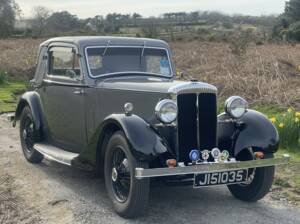
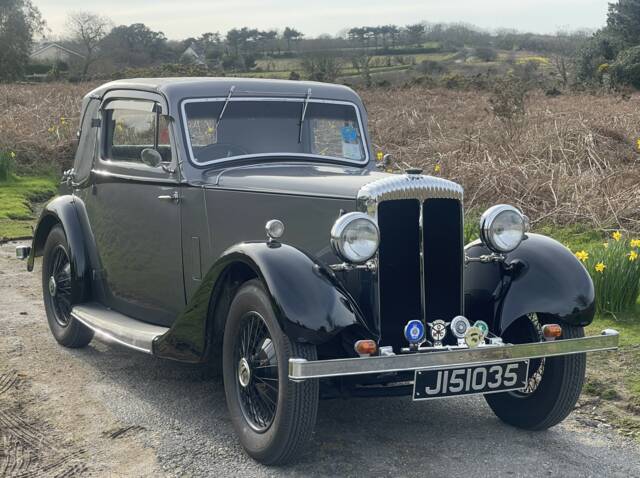
1935 | Daimler Fifteen Mulliner
2-door Sports Coupe

Daimler Fifteen listing references from Classic Trader
Below you will find listings related to your search that are no longer available on Classic Trader. Use this information to gain insight into availability, value trends, and current pricing for a "Daimler Fifteen" to make a more informed purchasing decision.
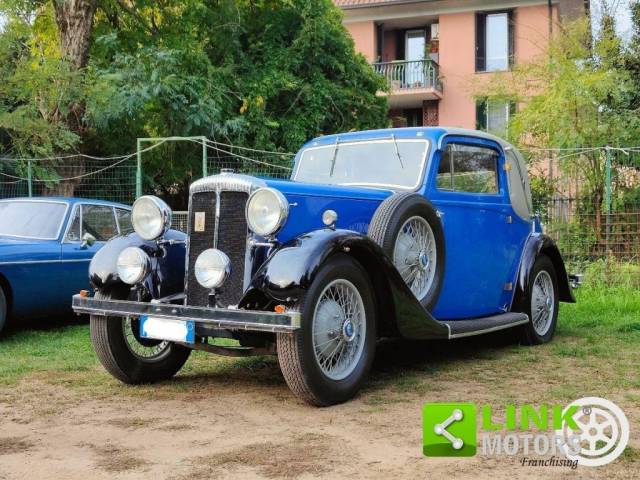
1935 | Daimler Fifteen Mulliner
OLDTIMER Daimler Dropped 15

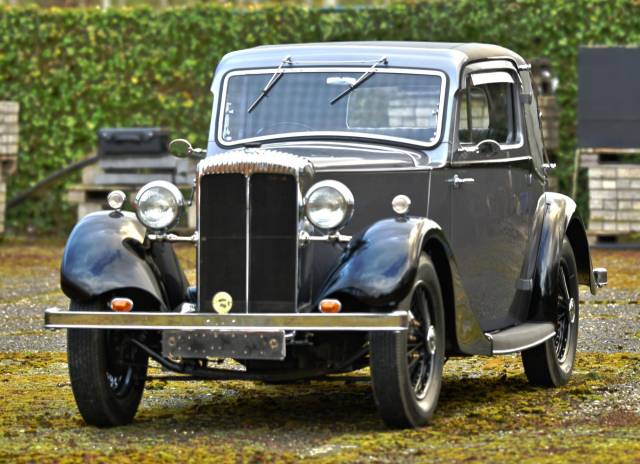
1935 | Daimler Fifteen Mulliner
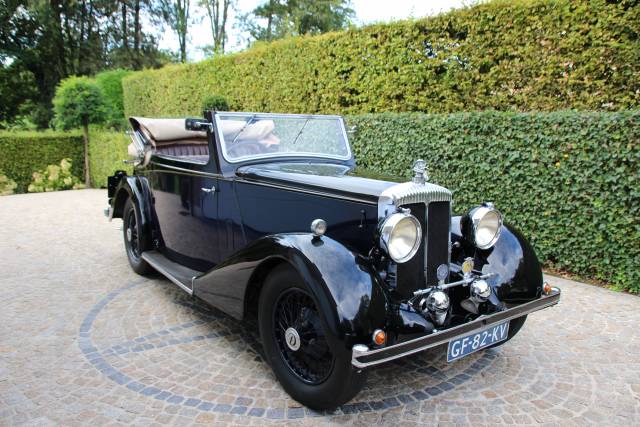
1935 | Daimler Fifteen Mulliner
Drop Head Coupe - One of 3 built

Daimler Fifteen Classic Cars: Prices & Market Values
History of the Daimler Fifteen
The Daimler Fifteen debuted in 1932 as Daimler's response to changing engineering trends and customer needs. After years of using the sleeve-valve engines that had defined the brand’s smoothness and silence, Daimler chose the Fifteen to introduce the poppet-valve system that was becoming standard in the industry, reflecting significant technical progress. The model took its name from its 15 hp tax rating. The Fifteen’s architecture borrowed from Lanchester influences, particularly the 1.2-litre Lanchester Ten, but reimagined in a larger chassis suitable for a refined mid-size saloon. Manufactured until 1937, the Fifteen is often recognised for its role in the evolution of Daimler’s engineering identity, and as the brand’s first foray into mass-market modernity since the early 20th century.
Model History
The Daimler Fifteen was produced between 1932 and 1937 and sat at the lower end of Daimler’s range. Its predecessor was not so much a single car, but rather a shift in Daimler’s technology, as the brand moved away from sleeve-valve engines and towards the more robust and reliable poppet-valve design. The Fifteen shared its chassis and much of its mechanical architecture with the Lanchester Ten, but with greater emphasis on comfort and a more mature, six-cylinder powertrain. After the Fifteen, Daimler continued this technical trajectory, eventually offering even larger and more luxurious vehicles, sharpening their status as the Royal Family’s chosen supplier.
Highlights and Unique Features
One of the Daimler Fifteen’s standout technical features was its 6-cylinder 1.8-litre engine, a notable departure from Daimler's sleeve-valve tradition, delivering improved reliability and easier maintenance. The car was equipped with a semi-automatic Wilson preselector gearbox, which allowed drivers to change gears using a lever mounted on the steering column—a significant user innovation at the time. Luxury features included original leather seats, a highly finished interior, and full documentation with many surviving examples. Notably, the rare Drop Head Coupé version, bodied by Mullinger of Birmingham, offered true seasonal flexibility with its combination of fixed roof, sliding roof, or full convertible setup. With only three examples known to be built, this variant is particularly rare. Only 1 model listing exists for the Fifteen on Classic Trader, and all Daimler model series listings currently consist only of Fifteens (100% share). In terms of demand, listing view shares for the Daimler Fifteen are also at 100%, an indicator of focused interest in this model when compared to other Daimler vehicles.
Technical Data
Special Editions and Collectible Models
The most exclusive version of the Daimler Fifteen was the Drop Head Coupé bodied by Mullinger of Birmingham. With only three units built, this rare open-top version instantly stands out among pre-war British classics. It featured flexibility for every season—closed coupe, sliding roof, or full cabriolet—and is recognisable from original 1935 sales brochures.
Weak Spots and Common Issues
Contemporary sources and enthusiasts appreciate the Fifteen’s relative mechanical simplicity compared to earlier Daimler sleeve-valve models, but, as with many pre-war vehicles, expect to check for wear in the transmission, especially the Wilson preselector unit, and for traditional age-related issues in the chassis and bodywork. It is common that original documentation and service books are available with surviving cars, aiding in proper restoration and maintenance.
Engine and Performance, Transmission and Handling
The Fifteen’s 6-cylinder engine provided adequate power by the standards of the early 1930s, excelling in refinement thanks to its conventional poppet-valve design. The Wilson preselector gearbox, a Daimler hallmark of the era, offered smooth and easy gear changes, making the saloon surprisingly user-friendly and accessible to less experienced drivers at the time. The combination of the engine and semi-automatic transmission shaped the Fifteen’s reputation as a comfortable, sophisticated cruiser rather than a thoroughbred performer. Suspension and steering were tuned for comfort on the less-than-perfect roads of the 1930s, prioritising smoothness over agility. Particularly the Drop Head Coupé version, with its Mullinger coachwork, stands out for its extreme rarity (only three built) and technical execution. Most saloon variants include the sought-after original leather seats and matched engine and chassis numbers.
Interior, Comfort, Exterior and Design
The Daimler Fifteen drew on understated British elegance rather than ostentatious trends. Its saloon body showcased balanced proportions and a focus on passenger comfort. The interior typically offers original leather upholstery, robust materials, and refined detailing, with a layout designed for four adults. Accessories like original handbooks and toolkits are common among surviving examples. The Drop Head Coupé is particularly notable for its multifaceted roof design, enabling transitions between closed, open, and sliding-roof configurations. These features provide enduring practicality as well as character for collectors who value authentic period craftsmanship.
Other Noteworthy Features
The Daimler Fifteen is often accompanied by extensive documentation, including factory handbooks and comprehensive service records. Matching numbers between engine and chassis are a further point of authenticity appreciated by connoisseurs. Daimler’s reputation as purveyor to the British royal family and their long tradition of Coventry-based manufacturing underline the brand’s prestige during the Fifteen’s era.
Summary
The Daimler Fifteen embodies a crucial chapter in the marque’s development, marrying emerging engineering trends of the 1930s with their established commitment to comfort and quality. As the sole focal point for Daimler listings on the market today, interest and preservation of these rare saloons and their even rarer Drop Head Coupé siblings remain high in enthusiast circles.