- Car
- Aston Martin
- Aston Martin Mark II (2 offers)
Aston Martin Mark II classic cars for sale
Produced between 1934 and 1936 in extremely limited numbers, the Aston Martin Mark II exemplifies British engineering from the Bertelli era. Its lightweight construction, 1.5-litre OHC four-cylinder engine, and distinct chassis variants provide both driving pleasure and rarity, making it a focal point for enthusiasts and collectors. Explore models, historical details, and variants below.
Search results
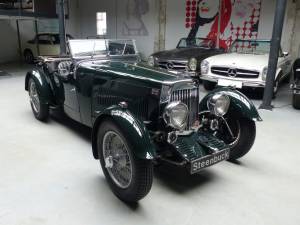
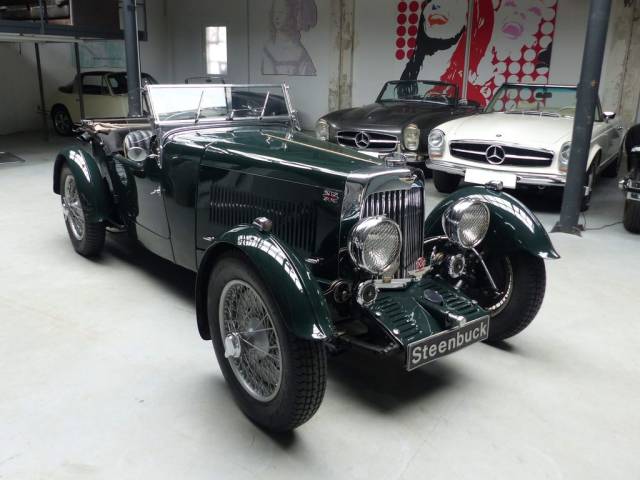
1934 | Aston Martin Mk II
Excellent pre-war tourer

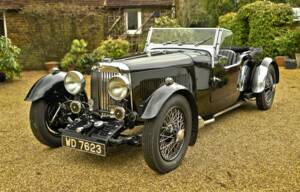
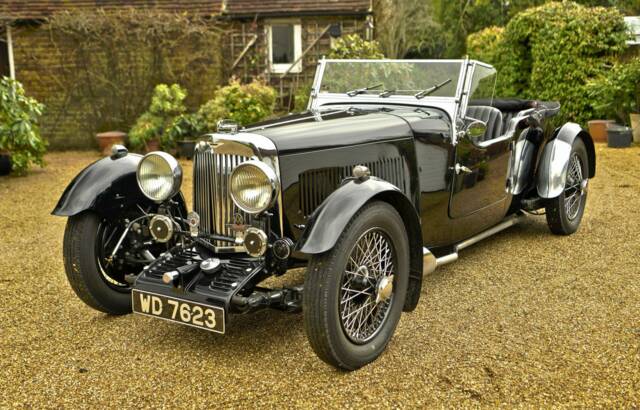

Aston Martin Mark II listing references from Classic Trader
Below you will find listings related to your search that are no longer available on Classic Trader. Use this information to gain insight into availability, value trends, and current pricing for a "Aston Martin Mark II" to make a more informed purchasing decision.
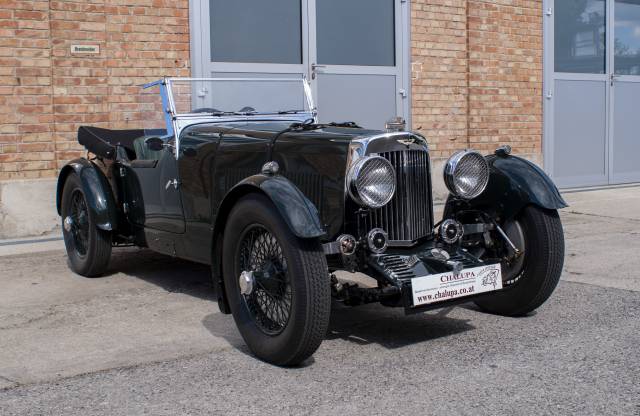
1934 | Aston Martin Mk II
Aston Martin MK II 1,5L Short Chassis by Bertelli

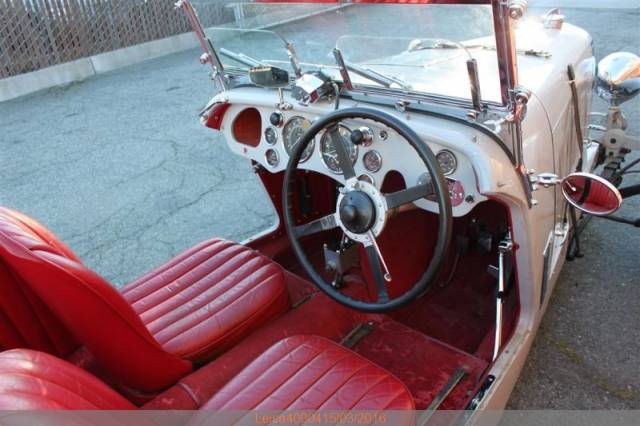
1935 | Aston Martin Mk II
1 ½ Liter Mk II Third Series
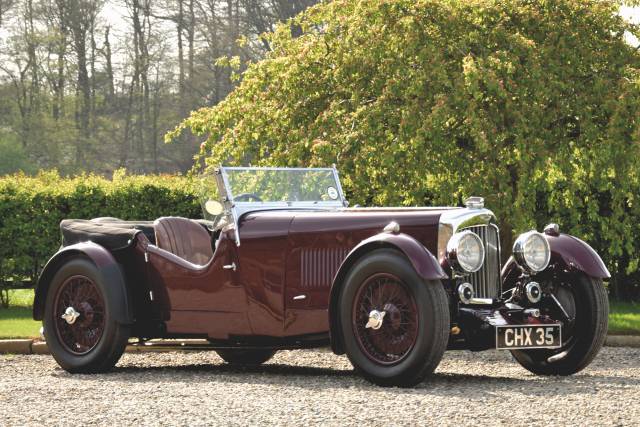
1935 | Aston Martin Mk II
Aston Martin Mark II Classic Cars: Prices & Market Values
History of the Aston Martin Mark II
The Aston Martin Mark II debuted in 1934 as a direct evolution of the previous Le Mans models, under the creative and technical leadership of Augustus 'Bert' Bertelli. Marking a peak of the so-called Bertelli era, the Mark II blended the innovative lightweight engineering of 1930s British sports cars with finely-tuned driving dynamics. Aston Martin, founded in 1913 and named after the famous Aston Clinton hill climb, had undergone major restructuring by Bertelli and John Renwick through the late 1920s. The Mark II quickly established itself as a reference point among refined sporting automobiles of its era. With production lasting until 1936 and a total run of just 166 vehicles, each Mark II left the Feltham works embodying the blend of exclusivity, advanced design, and a clear sense of motorsport purpose. Its competition legacy is substantial; Mark IIs were entered in historic motorsport events including the Tourist Trophy, Le Mans, and the Mille Miglia, where they cemented their reputation for robust engineering and agile handling.
Model History
Preceded by the Aston Martin Le Mans, the Mark II built on that platform with crucial advancements in chassis design, braking, and driving comfort. Designed to answer the needs of both fast road use and competition, the Mark II was made available in both short-wheelbase (particularly rare and nimble, with less than 61 units) and long-wheelbase variants. Body styles included two- and four-seater convertibles (open Tourers), as well as elegant Saloons, making the Mark II adaptable to individual taste and requirements. Its successor would pave the way toward even more sophisticated Aston Martin models, but the Mark II remains integral as the blueprint for much of the brand’s style and substance through the 1930s.
Highlights and Special Features
Aston Martin Mark II models stand out for their meticulous fabrication, use of advanced technology for the period, and characterful design. Distinctive technical features include an overhead-cam (OHC) inline-four, robust Alfin drum brakes, and signature helmet wings over the wheels. The Mark II offered a surprisingly high-quality driving experience for its day: balanced chassis, responsive handling, and consistent performance both on the road and in motorsport settings. Period features such as soft tops, side screens, and tonneau covers often remain with surviving cars, often accompanied by extensive documentation—something collectors value highly.
Technical Data
Special Editions and Collectible Models
The Mark II’s short-wheelbase variants are especially scarce, with production ranging from 48 to 61 units, and prized for their agility. Aside from open Tourer and Saloon forms, various coachbuilders produced bespoke bodies, meaning each surviving car particularly in original configuration holds unique collector value. Some Mark II examples participated in major motorsport events, further enhancing their appeal to enthusiasts.
Weak Spots and Common Issues
No known model-specific common faults provided, but due to their age, close inspection of chassis integrity and service history is crucial. Documentation and original British papers are often available, adding confidence for buyers. As with any pre-war sports car, mechanicals require specialist knowledge to properly maintain or restore.
Engine, Performance, Transmission and Handling
The Mark II's robust four-cylinder delivers brisk period acceleration coupled with a notably light chassis, aiding lively handling both on public roads and in period racing events. Flexible gearing and well-proportioned weight distribution lend confidence in both sharp bends and long-distance motoring. Drum brakes on all wheels provided best-in-class safety for the 1930s, while the choice of short- or long-wheelbase versions offered tailored handling balance and ride comfort. - Aston Martin Mark II Short Wheelbase: approximately 70–73 hp, under 950 kg, famed for agility and trackwork.
- Aston Martin Mark II Long Wheelbase: the preferred choice for longer journeys, with the same powerplant but greater cabin comfort.
Interior, Comfort, Exterior and Design
The Mark II’s characteristic helmet wings, slim front grille and perfectly contoured fenders typify refined 1930s British sports car lines. Interiors featured period-correct instrumentation, carefully upholstered seats and options such as folding roof, side screens and tonneau covers for open variants. Materials and finishes, even on surviving cars, demonstrate meticulous handwork. Coachbuilt bodies—often bespoke—range from understated to extravagantly detailed, and original paint schemes and period accessories further elevate each example’s distinctiveness.
Other Noteworthy Details
Motorsport history is unusually prominent for the Mark II, including appearances at the Tourist Trophy, Craigantlet Hill Climb, Spa, Le Mans and Mille Miglia. Many surviving vehicles retain original documentation, provenance and race memorabilia, distinguishing them further in the collector car world.
Summary
The Aston Martin Mark II is a cornerstone of pre-war British sports car culture, blending advanced engineering of its epoch with limited-production exclusivity. Its production numbers, competition pedigree and surviving documentation make it a centrepiece not just for Aston Martin enthusiasts but also for those interested in the broader evolution of sports car design and technology. Mark II ownership is about experiencing a vehicle where every detail—from chassis dynamics to hand-finished trim—reflects an era of ambitious automotive progress.