Volvo PV 544 classic cars for sale
The Volvo PV 544, produced between 1958 and 1965, combines Scandinavian engineering with standout practicality. Known for its robust construction and distinctive curved roofline, this two-door saloon remains a favourite among enthusiasts keen to experience daily usability in a vintage package.
Search results
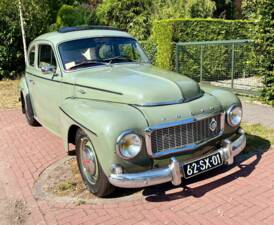
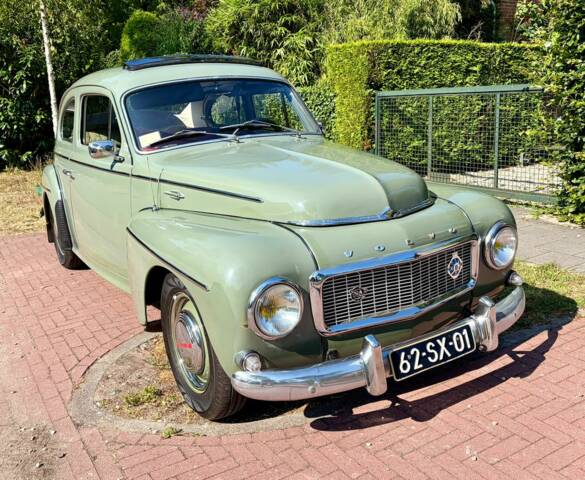
1960 | Volvo PV 544
Volvo PV544 | 1960 | Route 66 Auctions - For sale by auction. Estimate 7500 EUR

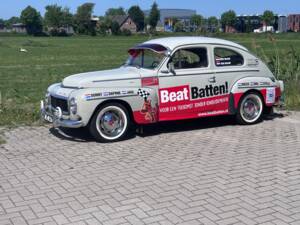
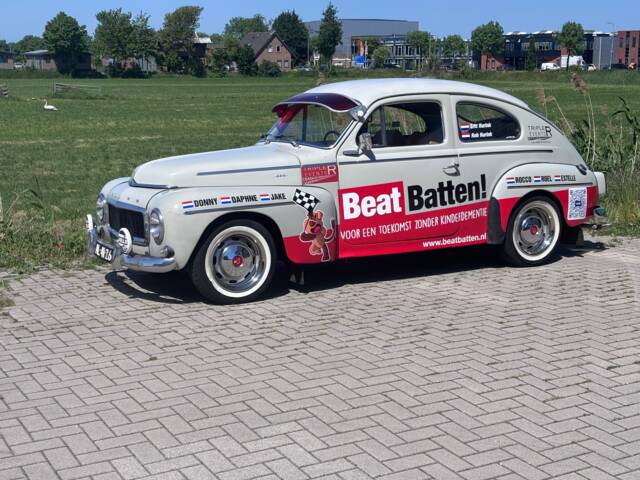
1962 | Volvo PV 544 Sport
Snelle pv544
Auctions ending soon

Loading…
Loading…
Loading…
Loading…
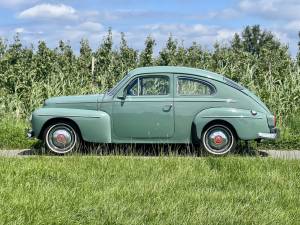
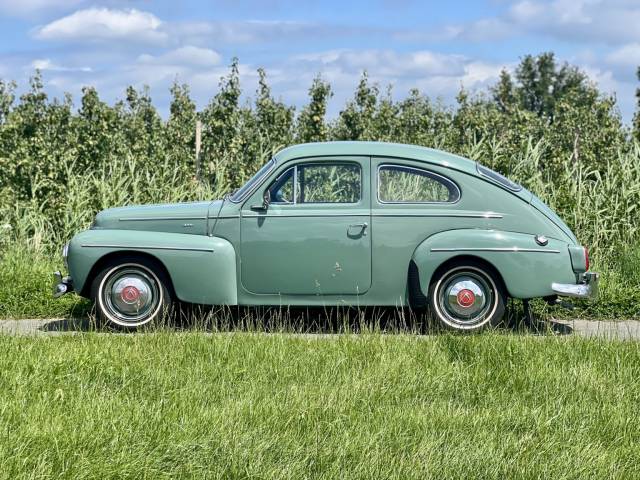
1963 | Volvo PV 544
This is an original Dutch-delivered car from 1963.
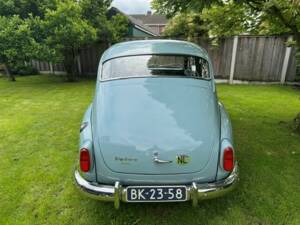
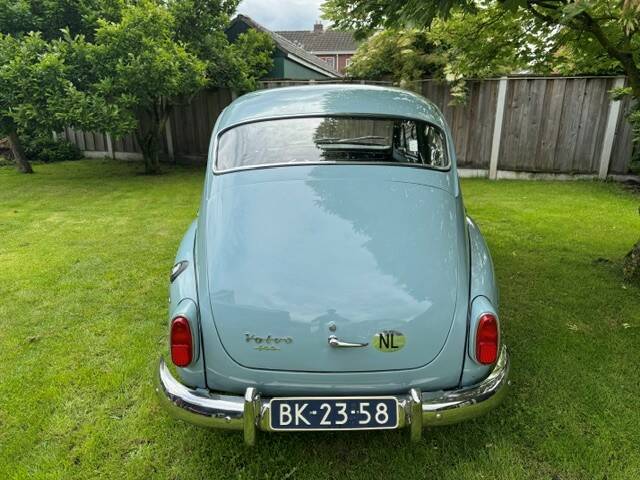
1960 | Volvo PV 544
Volvo Katterug
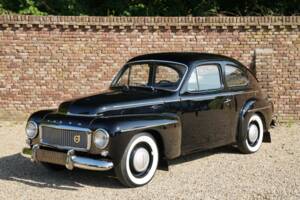
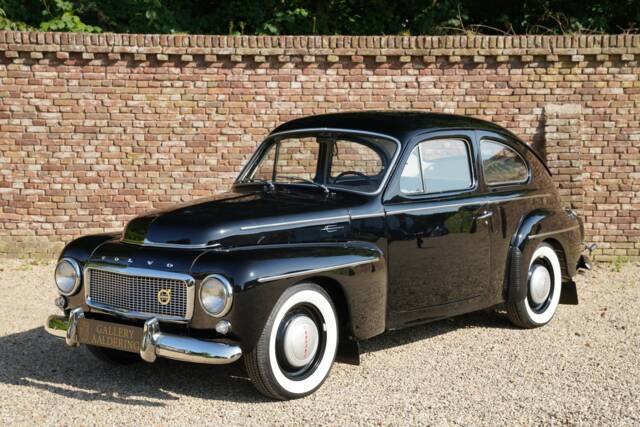
1960 | Volvo PV 544
Volvo PV544 "High-quality restoration" Restored and rebuilt to factory originality and authenticity, Owned by a true Volvo enthusiast, "Karakteristiskt svart på grått" - Black over Grey,A complete rebuild of the engine, One of the most successful rally cars in the beginning of the 1960s, Particularly close attention to the bodywork during restoration,
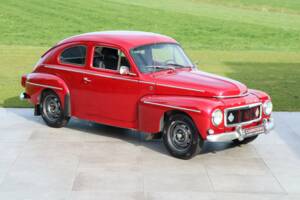
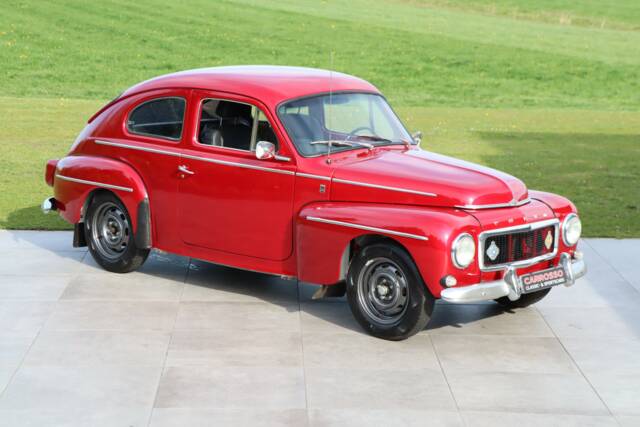
1965 | Volvo PV 544 Sport
Volvo PV 544 Sport - Recently Restored
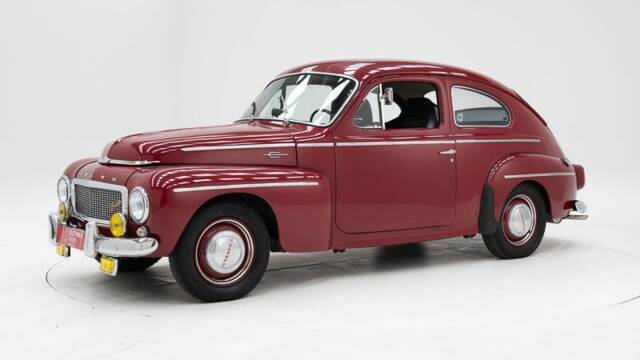
1961 | Volvo PV 544
1961 Volvo PV 544 B18 '61

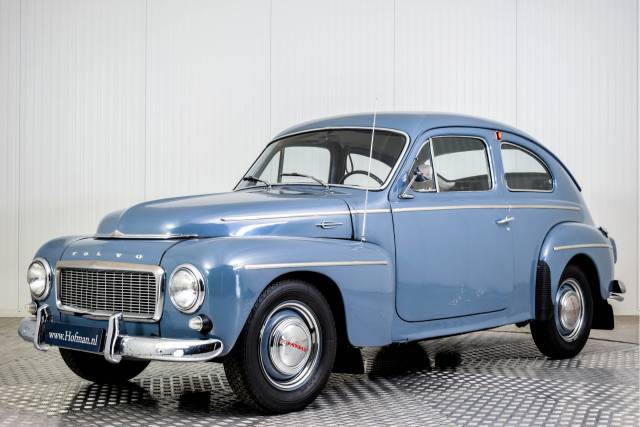
1959 | Volvo PV 544
Volvo PV544 Katterug
Volvo PV 544 listing references from Classic Trader
Below you will find listings related to your search that are no longer available on Classic Trader. Use this information to gain insight into availability, value trends, and current pricing for a "Volvo PV 544" to make a more informed purchasing decision.
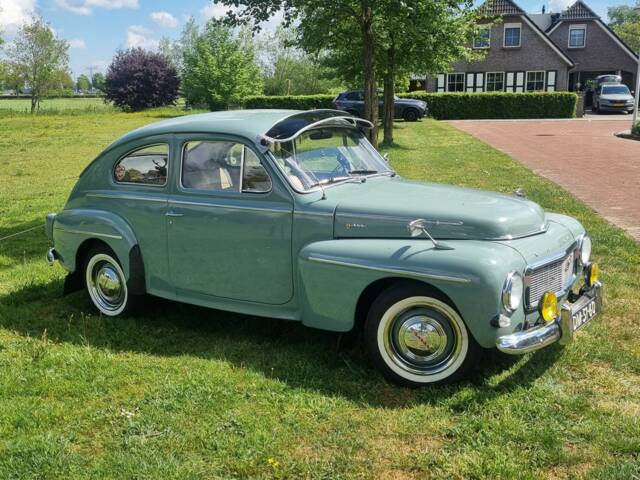
1961 | Volvo PV 544
Volvo PV 544 C | 1961 | Route 66 Auctions - For sale by auction. Estimate 7500 EUR
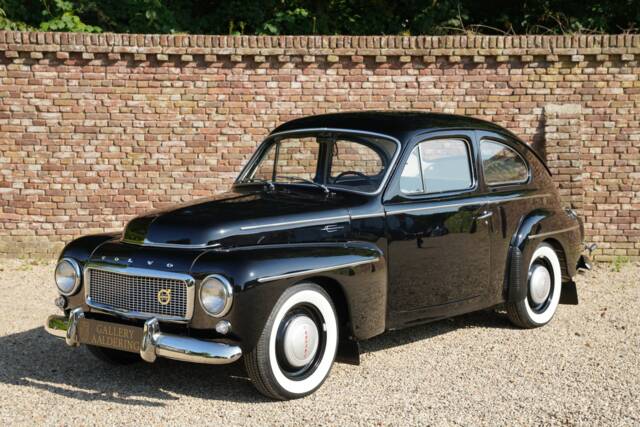
1960 | Volvo PV 544
Volvo PV544 B16 "Restored and rebuilt in recent years" Restored and rebuilt to factory originality and authenticity, Owned by a Volvo enthusiast, "Karakteristiskt svart på grått" - Black over Grey,A preventive and complete rebuild of the engine, One of the most successful rally cars in the beginning of the 1960s, Minimalist - functional - and "safety design" - That’s Sweden,
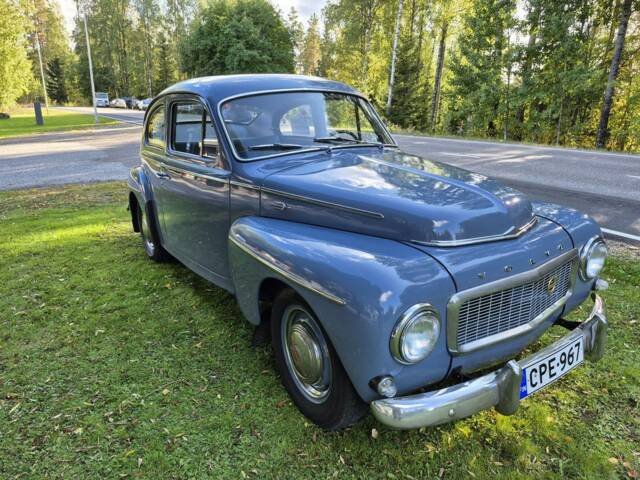
1960 | Volvo PV 544
Volvo PV544 | 1960 | Route 66 Auctions - For sale by auction. Estimate 6500 EUR
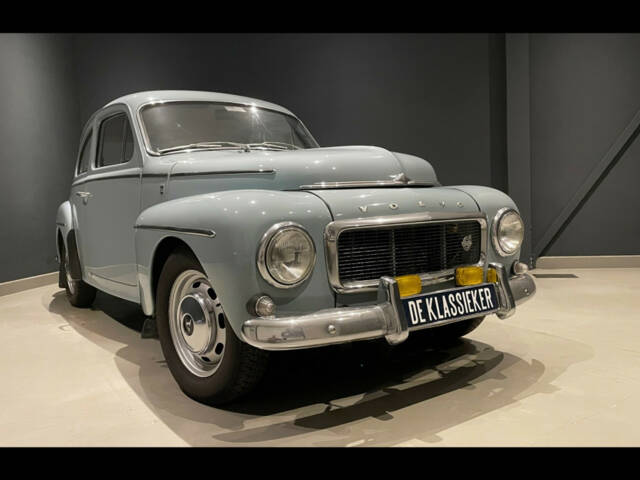
1965 | Volvo PV 544
Coupe
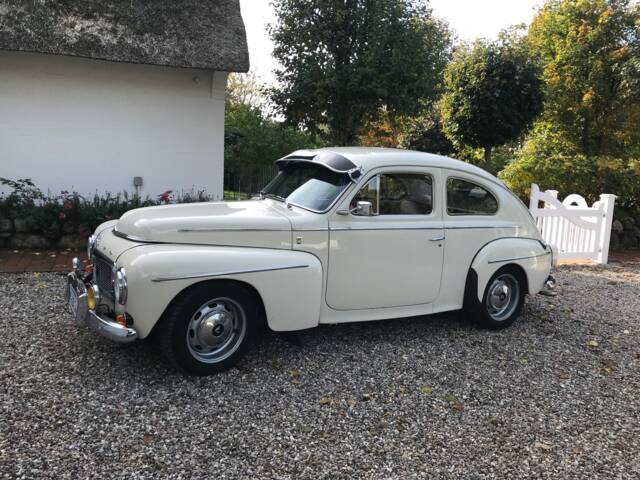
1966 | Volvo PV 544
Gepflegter Oldtimer aus Familienbesitz

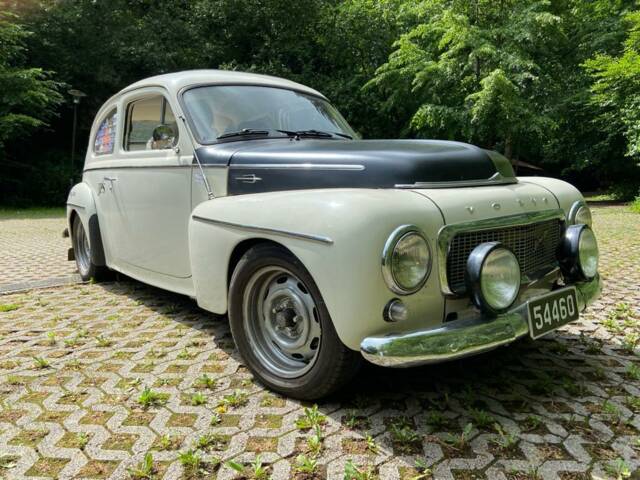
1960 | Volvo PV 544 Sport
Volvo PV544 | 1960 - For sale by auction. Estimate 15950 EUR
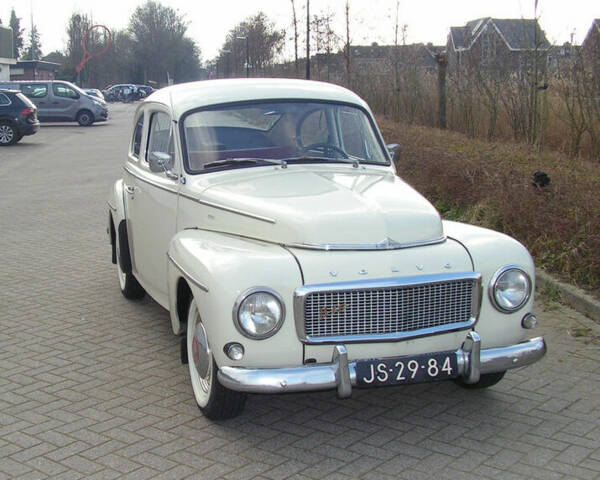
1964 | Volvo PV 544
Volvo PV544 | 1964 - For sale by auction. Estimate 10950 EUR
Volvo PV 544 Classic Cars: Prices & Market Values
The market value of Volvo PV 544 classic cars is primarily determined by the specific manufacturer code and variant, as well as technical condition, originality and mileage. Additional factors include rarity, history and documentation. A well-maintained, largely original vehicle with low, verifiable mileage and complete history including appraisals and documentation typically achieves significantly higher prices than a comparable vehicle with deferred maintenance, many modifications or unclear provenance.
Volvo PV 544: Market Prices & Value Trends
Based on sales data from the Classic Trader marketplace, the Volvo PV 544 market in Europe appears broadly stable to slightly firmer over the period from March 2021 to December 2025, with regular demand for usable classics and well-presented “Sport” variants. Prices in the dataset span a wide range, from around £2,000–£6,000 for projects or cars with clear needs, up to the low-to-mid £20,000s for standout examples (including higher-priced Sport cars and well-finished late models). Excluding these extremes, most PV 544s advertised in recent years cluster in a realistic £9,000–£17,000 band, with many cars in the Netherlands, Germany and Belgium sitting towards the middle of that range. For buyers, this suggests a relatively liquid enthusiast market where condition and specification matter more than small year-to-year changes: later cars (early-to-mid 1960s) and PV 544 Sport models tend to command a premium thanks to stronger performance, rally heritage, and the model’s reputation for robust engineering and everyday classic usability.
History of the Volvo PV 544
The Volvo PV 544 is more than just a successor to the PV444; it reflects Volvo’s approach to practical, reliable motoring shaped by the demands of post-war Europe. Launched in 1958, the PV 544 updated the ageing PV444 platform with modern touches: a larger, curved windscreen, broader rear window, and new safety features such as a partially padded dashboard. The car’s structural strength and rear-wheel drive layout made it popular for both family use and rally competitions. Volvo’s commitment to safety is evident in the introduction of three-point seat belts on the PV 544, an innovation shared with the contemporary Amazon model. Volvo produced the car alongside the Amazon, enabling rapid trickle-down of technical updates across both lines.
Model Evolution and Series Development
Volvo’s PV series started with the PV444 in the late 1940s, responding to the need for a smaller, more fuel-efficient car due to wartime shortages. By the mid-1950s, the PV444’s design was looking dated, prompting a comprehensive revision. The PV 544 debuted at the end of the '50s, keeping the proven two-door saloon form but featuring modernised interior ergonomics, improved seating (including a wider rear bench for three), and updated lighting. Engine upgrades during the 1960s saw the move from the B16 to the more powerful B18 series, further increasing performance and reliability. The series included distinct trim levels—such as Favorit, Special, and Sport—culminating production in 1965. Estate and utility variants, known as the Duett, offered additional versatility and longevity in the marketplace.
Highlights and Distinguishing Features
The PV 544 stands out with its gently sloping roofline and 'buckel' (humpback) silhouette—earning it nicknames like 'Katterug' and 'Buckelvolvo' throughout Europe. Safety took a notable leap forward with the standardisation of the three-point seatbelt. Practicality is enhanced by a spacious interior, thin front seat backs to maximise rear space, and a large boot compared to its peers. The mechanical layout is simple yet rugged, with three- or four-speed manual transmissions linked to robust B series engines. The car’s strong chassis and reliability made it a rally favourite in Scandinavia—and a successful competitor in events like the 1965 Safari Rally.
From a market perspective, the PV 544 dominates Volvo's classic listings, particularly in supply: manufacturer codes C-G, A-B, and C-F account for 47.5%, 32.2%, and 16.1% of available PV 544s respectively. In demand (listing views), these codes draw 37.3%, 35.1%, and 21.5%—underscoring serious continued interest among collectors and buyers seeking classic Volvos compared to other historic Volvo offerings.
Technical Data
Special Editions and Collectible Models
- PV 544 Sport: Higher performance, dual SU carburettors, up to 100 bhp. Popular among rally drivers for strong engine and chassis combination.
- PV 544 Favorit, Special: Varying levels of trim and interior appointments, marking different stages in model evolution.
- Accessories: Two-tone paint, chromed trims, radios from Becker and Blaupunkt, original steel bumpers, ‘Minilite’ wheels, and period spotlamps were all available as extras. The Duett estate (P445, P210) is technically related but not considered a direct member of the PV 544 saloon range.
Weak Spots and Common Issues
Prospective buyers should inspect for corrosion, especially at the sills, wheel arches, doors, and underbody. While the PV 544 has a reputation for durability, attention should be paid to the condition of the suspension, brakes, and electrical system—particularly if the 6-volt components haven’t been upgraded or maintained. The mechanical simplicity contributes to generally good parts availability today, but thorough documentation and service history are highly recommended.
Engine, Performance, Transmission, and Handling
All PV 544s use rear-wheel drive for predictable and engaging road manners. The B16 engine offers solid torque, while the later B18 (especially in Sport trim) delivers noticeably stronger acceleration and higher top speeds. Gearboxes are typically robust, with the full-synchro four-speed improving long-distance cruising. Handling is characterised by long suspension travel and a durable build, making the car well-suited to poor roads and rally stages. Drum brakes are standard, but many have been retrofitted with front discs for better stopping power. - PV 544 Sport: B18 motor, up to 100 bhp, dual SU carburettors, often seen with performance upgrades.
- PV 544 with M40 gearbox: sought after for comfortable high-speed touring.
Interior, Comfort, Exterior and Design
The PV 544’s body is instantly recognisable for its rounded 'humpback' profile and single-piece curved windscreen. The dashboard features a padded upper section and a ribbon-style ('thermometer') speedometer, making it stand out among 1950s-1960s saloons. Expanded glass areas improve visibility, while the smart boot and rear seat arrangement boost family credentials. Interiors typically feature classic Scandinavian mixes of coloured vinyls and textile fabrics, commonly seen in red, blue, or grey. Special options included two-tone paint, high-quality radios, original steel bumpers, whitewall tyres, sun visors, and auxiliary lamps. The PV 544 is as much a design statement as a reliable companion.
Other Noteworthy Features
The PV 544 earned global nicknames that reference its distinctive roofline, testifying to the impact of its visual design across different cultures. It remains a well-supported classic thanks to strong parts supply and a robust club network. Papers and restoration records are common and sought after when evaluating cars today.
Summary
The Volvo PV 544 offers a tangible connection to post-war Scandinavian engineering—reliable, spacious, and simple, with a dash of sports saloon flair in the Sport versions. High supply and strong buyer attention in classic markets highlight both the model’s availability and continued appeal.