Triumph TR 4 – Classic Car Marketplace
The Triumph TR4 stands out as a distinctive British roadster from the early 1960s, known for its sharp Michelotti design and sporting driving dynamics. Its combination of precise engineering and robust styling continues to attract enthusiasts to this day.
Search results
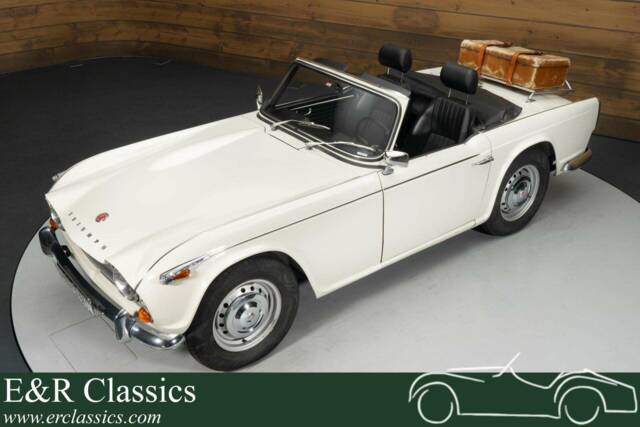
1966 | Triumph TR 4A IRS
Triumph

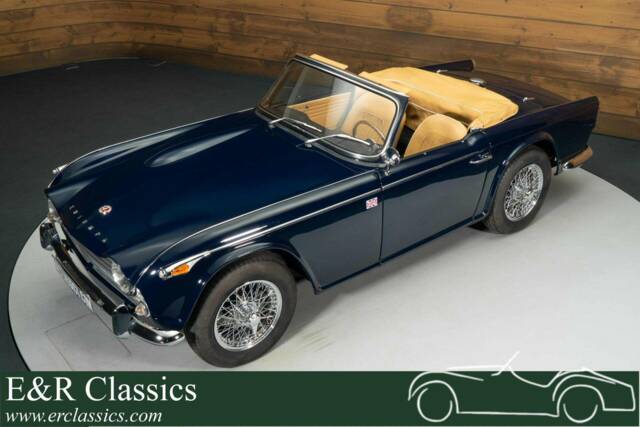
1967 | Triumph TR 4A
Triumph TR4
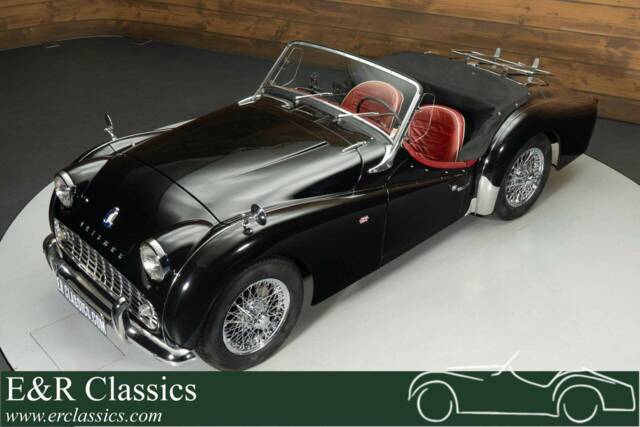
1961 | Triumph TR 4
Triumph
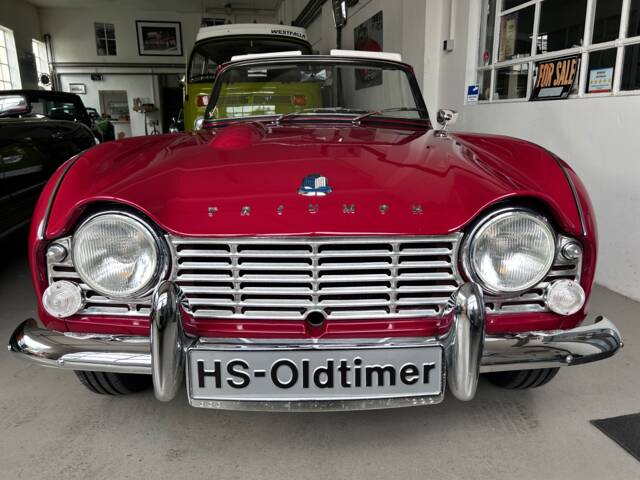
1965 | Triumph TR 4
Triumph TR4 "Vor 13 Jahren sehr aufwendig restauriert"

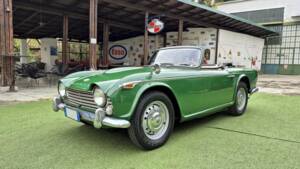
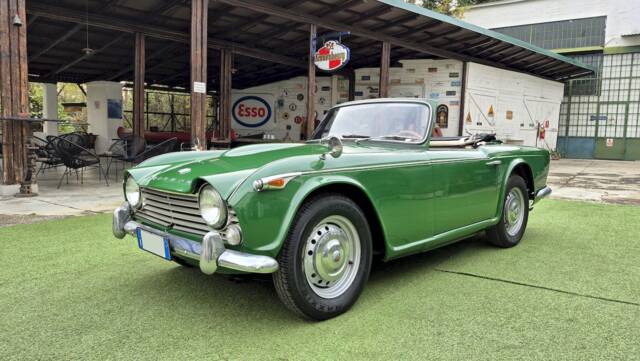
1966 | Triumph TR 4A IRS
SUMMER PRICE 2026 @ CITY MOTORS

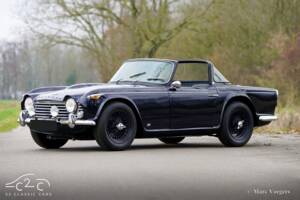
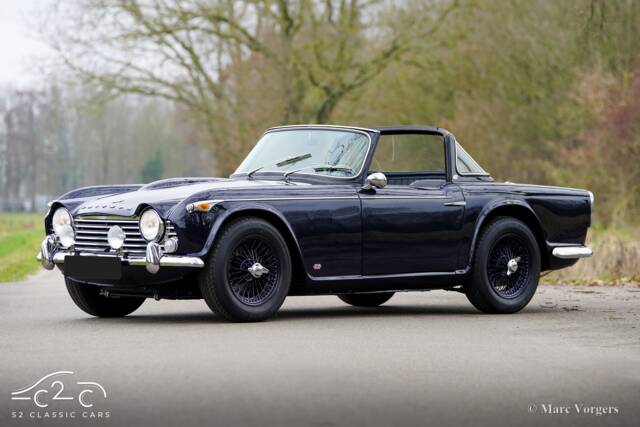
1966 | Triumph TR 4A
In top condition, Matching numbers and matching colours, British Heritage Certificate present, Fully restored over the past few years and made historic rally-ready, Original Surrey top present
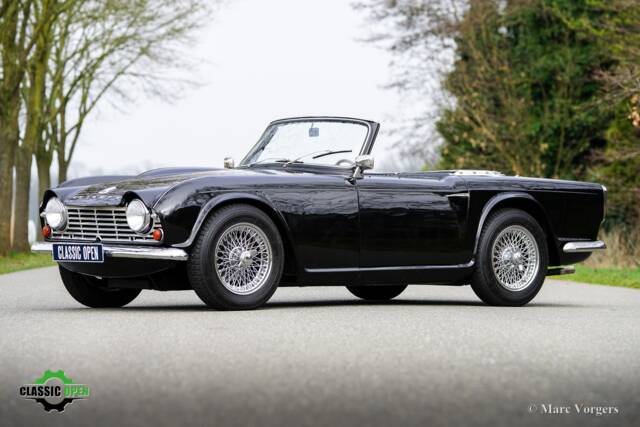
1965 | Triumph TR 4
Overdrive
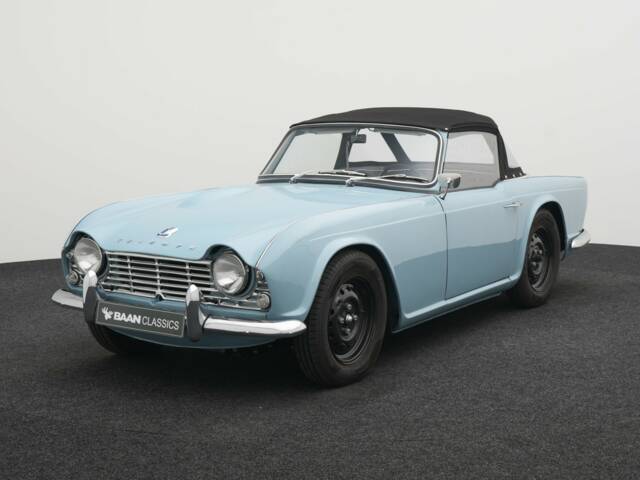
1965 | Triumph TR 4A
Triumph TR4
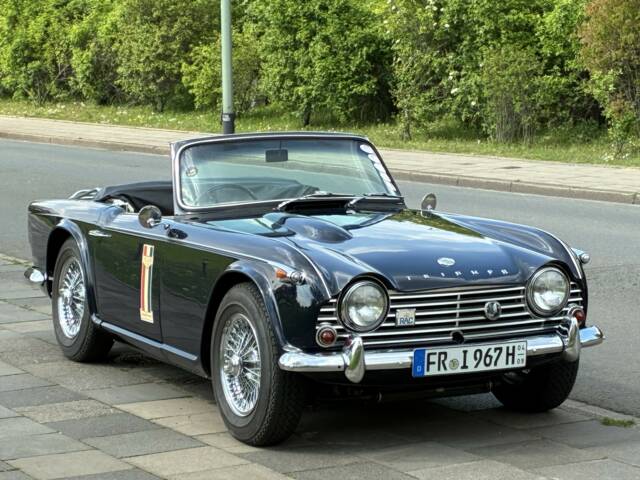
1967 | Triumph TR 4A IRS
Powerful roadster (RHD) with lovely colours


1966 | Triumph TR 4A
TRIUMPH TR4 - OMOLOGATA ASI – SUPERPREZZO (1966)
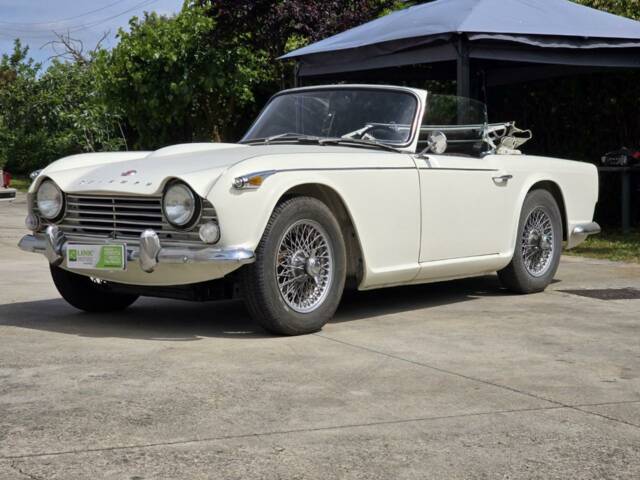
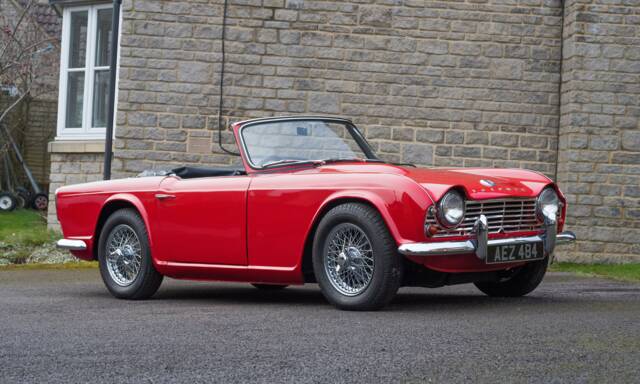
1961 | Triumph TR 4
1961 Triumph TR4

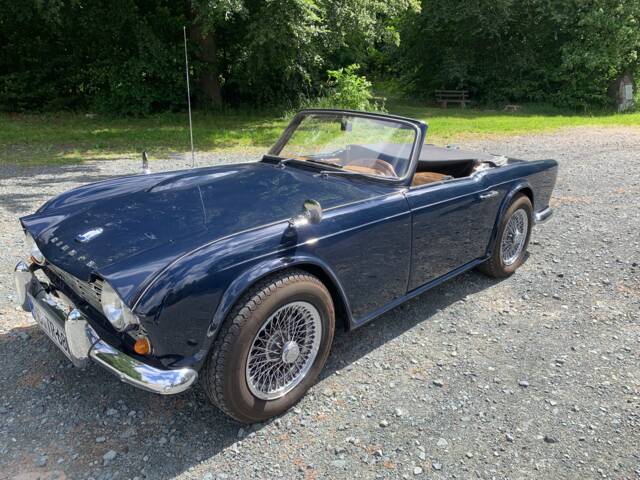
1962 | Triumph TR 4
TR4…so wie er sein sollte
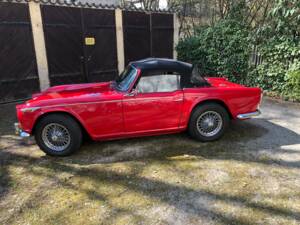
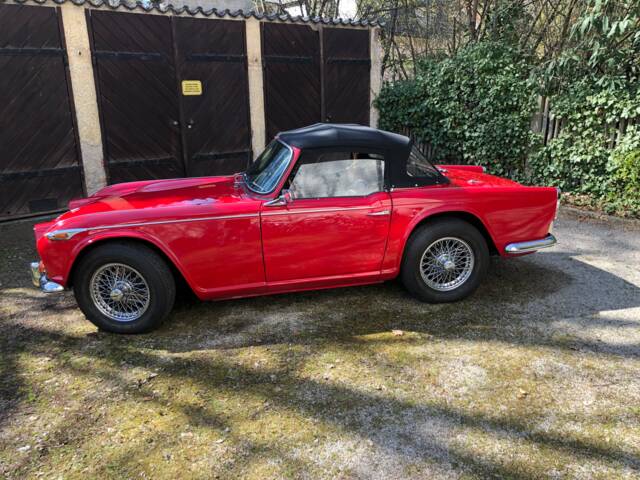
1967 | Triumph TR 4A IRS
Wunderschöner u gepflegter TR4 sucht ein neues Zuhause
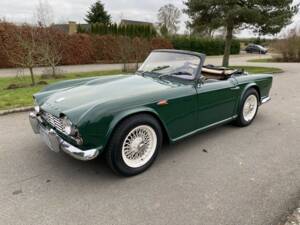
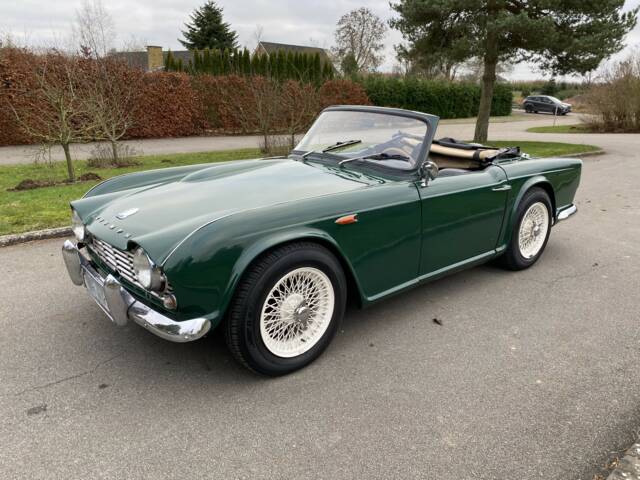
1964 | Triumph TR 4
Excellent Condition, Long-Term Ownership

Triumph TR 4 Classic Cars: Prices & Market Values
The market value of Triumph TR 4 classic cars is primarily determined by technical condition, originality and mileage, as well as rarity, history and documentation. A well-maintained, largely original vehicle with low, verifiable mileage and complete history including appraisals and documentation typically achieves significantly higher prices than a comparable vehicle with deferred maintenance, many modifications or unclear provenance.
Triumph TR 4: Market Prices & Value Trends
Based on sales data from the Classic Trader marketplace, the Triumph TR4 and TR4A (mainly 1961–1967 cars, including TR4A IRS) show a broadly stable market over the period from January 2021 to January 2026, with firm pricing for well-presented examples and only modest movement at the top end. Across Europe, most asking prices cluster in the mid-market rather than at extremes: realistic transaction-guiding levels typically sit around €25,000 to €40,000, with many 1962–1965 TR4s and 1965–1967 TR4A/IRS models advertised in that band. A small number of very low-priced entries (project cars) and high figures above €50,000 appear in the dataset, but these look like outliers and should not be taken as representative of the wider TR4 market. Current conditions suggest steady demand for usable, classic British roadsters, where originality, documented restoration work and desirable specifications (such as IRS on later TR4A) help values hold and, in the best cases, gently appreciate.
Introduction and History of the Triumph TR4
The Triumph TR4, produced from 1961 to 1965 by the Triumph Motor Company, was developed as the successor to the TR3A. Designed by renowned Italian stylist Giovanni Michelotti, the TR4 marked a shift from the rounded forms of earlier Triumphs to a bold, angular appearance. The roadster was built for both European and American markets, gaining recognition for its advanced features at the time, such as adjustable ventilation and wind-up side windows. Production commenced in Coventry, with the majority of vehicles exported to the US. Motorsport played a significant role in the TR4’s reputation, with competitive outings at classic events like Le Mans and Sebring. After the TR4, the range evolved into the TR4A, and then the TR5.
Model History
Following in the footsteps of the TR2 and TR3, the Triumph TR4 was introduced as a modern update while retaining the core mechanical layout of its predecessors. The TR4A emerged in 1965, distinguished by the adoption of an independent rear suspension (IRS), enhancing ride and handling characteristics. Changes included subtle styling revisions to meet US regulations, most notably the repositioned indicators and a newly engineered chassis. A rare variant, the Dové GTR4 Coupé, was produced by Thomas Harrington Coach Builders, converting about 50 TR4/TR4A examples into fastback coupés. In total, approximately 68,700 TR4 and TR4A units were manufactured before the TR5 succeeded the model in 1967.
Highlights of the Triumph TR4
Uniqueness characterises the Triumph TR4. It was the first TR with wind-up windows and face-level ventilation. The optional 'Surrey Top' (a modular hardtop system) predated similar ideas later applied by other brands. The TR4 offered a large boot, practical for a roadster of its era, while its robust 2.1-litre engine provided reliable performance for both daily drives and motorsport. Interior finishes often featured leather or vinyl sports seats, a wood dash, and period Smiths instrumentation. Overdrive transmission and wire wheels were popular options among enthusiasts.
Technical Data
Special Editions and Collectible Models
Several rare variants stand out. Notably, a small number were converted into Dové GTR4 Coupés by Thomas Harrington, featuring a fastback body and improved practicality. The Le Mans racing editions, specifically prepared for endurance events, and the very early 'Surrey Top' models with aluminium roof panels are also sought after today. Factory options such as overdrive, wire wheels, and Moto-Lita steering wheels further distinguish certain examples.
Weak Spots and Common Issues
Common issues typical for the Triumph TR4 include corrosion in the chassis and body panels (particularly sills and floorboards), worn suspension bushings, and oil leaks from the engine or gearbox. Electrical systems at this age can develop faults, especially in cars not regularly used. Overdrives and carburettors may require periodic adjustment. Restoration is well supported due to strong club and parts support, but buyers should check documentation and originality, as many cars have been modified over the decades.
Engine and Performance, Transmission and Handling
Early TR4s featured a robust inline-four engine, rated at 100–104 hp, delivering lively acceleration for its time. The introduction of overdrive allowed longer gearing, reducing engine stress during motorway cruising. TR4A models switched to independent rear suspension, markedly improving handling and comfort, reducing the tendency to 'hop'over bumps compared with earlier leaf-sprung cars. Motorsport history is a highlight, with IRS-equipped TR4As placing strongly at endurance events such as the 12 Hours of Sebring in 1966. In practice, the TR4's driving experience is defined by communicative steering, a mechanical gearshift feel, and a sporting exhaust note. - Triumph TR4: 2,138 cc, 100 hp, front double wishbone suspension, rear live axle (1961–65)
- Triumph TR4A IRS: 2,138 cc, 104 hp, independent rear suspension, improved handling (1965–67)
- Dové GTR4 Coupé: Fastback conversion, limited production for increased practicality
Interior, Comfort, Exterior and Design
Michelotti's crisp lines, prominent front grille and integrated wings give the TR4 a recognisable profile among 1960s sports cars. Interiors commonly feature two-tone seats in leather or vinyl, matching carpets and a walnut veneer dash packed with Smiths instruments. Adjustable ventilation and wind-up windows were novelties for Triumph at the time. Exteriors were available in a wide colour palette – red, white, blue and green being common – and buyers often fitted wire wheels, chrome luggage racks, or Lucas fog lamps. The innovative 'Surrey Top' system combined the advantages of an open car with coupé practicality, anticipating later targa roof models.
Other Relevant Features
Comprehensive documentation, including Heritage Certificates, is available for many examples. TR Registers and specialist clubs support restoration and maintenance with expertise and parts supply. Spares availability remains strong, making the TR4 a practical classic for regular use or concours restoration.
Summary
The Triumph TR4 carved out its place among British sports cars with sharp Michelotti styling, progressive driving technology, and solid mechanicals. Supported by a strong network of specialists and parts supply, it is valued by drivers seeking a genuine 1960s roadster experience combined with British engineering and Italian flair.