Rover Metro classic cars for sale
The Rover Metro, originally introduced as the Austin Mini Metro in 1980, established itself as a quintessential British supermini. Its compact dimensions, front-wheel drive and agile handling made it a practical solution for urban driving, while a succession of updates kept it relevant through nearly two decades of production.
Search results
Currently, there are no matching listings for your search.
Create search alert
Let yourself be notified as soon as a listing is published that matches your search filters.
Create listing
Do you have a Rover Metro that you want to sell? Then create a listing now.
Create listingRover Metro listing references from Classic Trader
Below you will find listings related to your search that are no longer available on Classic Trader. Use this information to gain insight into availability, value trends, and current pricing for a "Rover Metro" to make a more informed purchasing decision.
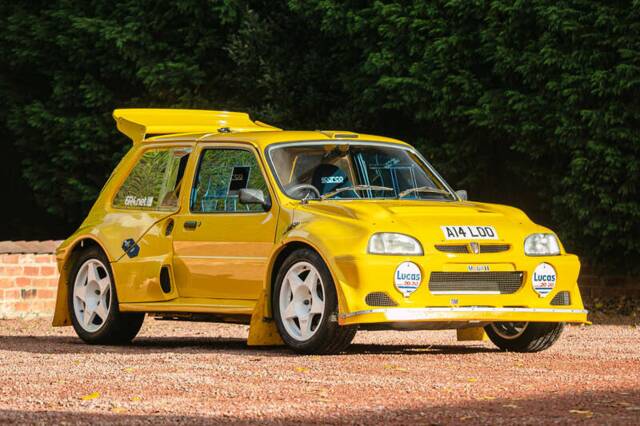
1987 | Rover DAM4100 GTi
1987 DAM 4100 Metro 6R4

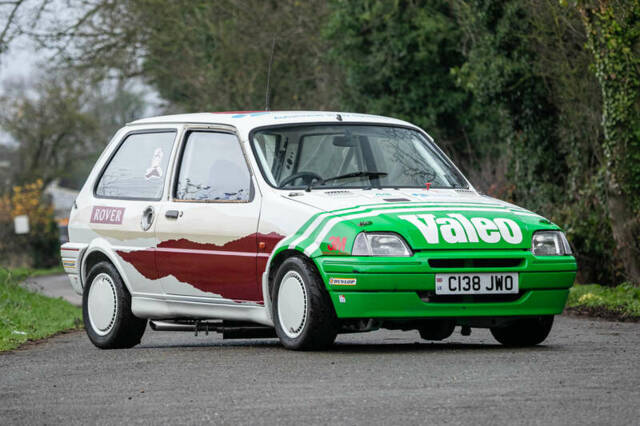
1989 | Rover Metro GTi 16v
1989 MG Metro GTi 'Project Pride' Speed Record Car
Create search alert
Let yourself be notified as soon as a listing is published that matches your search filters.
Create listing
Do you have a Rover Metro that you want to sell? Then create a listing now.
Create listingRover Metro Classic Cars: Prices & Market Values
History of the Rover Metro
Launched in 1980 as the Austin Mini Metro by British Leyland, this small hatchback aimed to replace the original Mini with contemporary style and improved space efficiency. Throughout the 1980s, the Metro underwent several updates and rebrandings, eventually adopting the Rover name in the early 90s. Produced until 1998, the Metro was central to the British compact car scene, experiencing continuous mechanical and cosmetic improvements throughout its life.
Model History
The Metro began its journey as a more modern alternative to the classic Mini, utilising a hatchback format and a transverse-mount drivetrain layout. Following the dissolution of the Austin brand, the car was marketed as the Rover Metro, then later as the Rover 100. Over its lifespan, the platform adapted to accommodate a range of engines, from utilitarian 1.0-litre A-series units to more advanced K-series options in later years. Production ended in 1998, succeeded by the Rover 200 series for the small car segment.
Highlights of the Rover Metro
A defining feature of the Metro is its efficient packaging, offering notable interior space for its class. Its Hydragas suspension (on many versions) delivered comfort atypical for a supermini, especially on uneven city roads. Lightness and compactness made it highly manoeuvrable. In Classic Trader’s current inventory, Metros represent 100% of Rover listings, and they also account for 100% of listing interest, underlining their status among enthusiasts focused on this marque.
Technical Data
Special Editions and Collectible Models
Special Metro versions included the Turbo and GTi models, both equipped for improved performance with upgraded suspension and a sportier interior. The limited-edition Metro Turbo, in particular, stands out for its Garrett turbocharged 1.3-litre engine and was one of the fastest small hatchbacks of its era. Some factory and dealer special editions offered unique colour schemes, badges, and optional equipment combinations. These special runs have become the most sought-after by collectors and Metro specialists.
Weak Spots and Common Issues
The Metro, like many superminis of its era, is susceptible to rust, particularly around the sills, subframes, and wheel arches. Early A-series engined cars may require attention to cooling and oil leaks. Suspension components, especially on Hydragas-equipped models, can be prone to wear and may need periodic refurbishment to maintain ride quality. Interior trim and switchgear are famously spartan and sometimes fragile, particularly on budget versions.
Engine, Performance, Gearbox, Handling
Across its lifespan, the Metro offered sprightly performance in urban environments due to its light weight and compact proportions. The Turbo and GTi variants deliver noticeably sharper acceleration, with the Turbo capable of sub-9 second 0–60 mph times. Steering is direct, making the car particularly nimble in tight quarters, while Hydragas suspension on select models maintains consistent ride quality on British backroads as well as in the city. The 1.3 Turbo and the 1.4 GTi remain the standout Metros for driving enthusiasts, offering a rare blend of period charm and genuine pace. Earlier versions tend to prioritise economy and simplicity, while K-series cars from later years introduce smoother running and modernised safety features.
Interior, Comfort, Exterior and Design
The Metro’s design was quintessentially British: functional, upright, and maximising use of interior space. Early models feature minimalist dashboards with robust (if basic) seat fabrics and trim. Later Rovers added more modern instrumentation, revised bumpers and grille, and improved soundproofing. Select editions came with special upholstery, two-tone paintwork, alloy wheels, and even body-coloured bumpers. Notable for its large glasshouse, the Metro offers excellent visibility. Special editions often feature unique decals or interior accents.
Other Noteworthy Aspects
The Metro played a vital role in keeping British Leyland and, later, the Rover Group competitive in the supermini class. Due to its broad production run, reliability and specification can range widely, so close inspection and detailed knowledge are key for buyers when assessing individual cars. Club support for the Metro remains strong in the UK, ensuring a healthy supply of parts and advice for long-term maintenance.
Summary
The Rover Metro is frequently cited as a significant chapter in British automotive history, combining compact dimensions, accessible engineering and class-leading ride comfort within its segment. Classic Trader’s current marketplace underscores its enduring appeal, with every classic Rover listing belonging to the Metro. Whether sought after for nostalgia, practicality or their rare performance variants, Metros offer a distinctive entry into the world of classic British hatchbacks.