Jaguar SS classic cars for sale
The Jaguar SS series encompasses some of the rarest and most technically innovative sports cars of the pre-war era. Built from 1936 to 1940, the Jaguar SS 100 set new standards for speed and elegance, introducing the ambitious engineering and styling that would come to define Jaguar. Its true exclusivity, low production numbers, and motorsport pedigree continue to attract enthusiasts looking for authentic British classic sports cars.
Résultats de la recherche
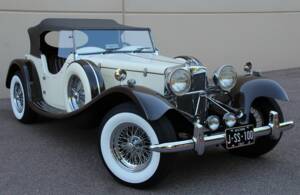
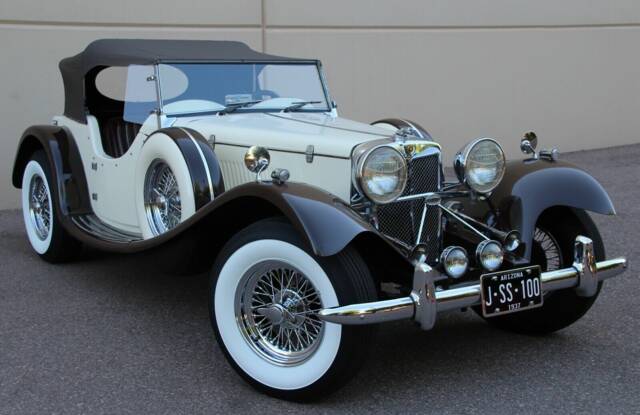
1959 | Jaguar SS 100
Jaguar SS 100 Replica | 1959 | Route 66 Auctions - For sale by auction. Estimate 16500 EUR
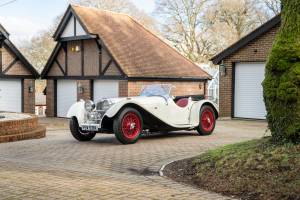
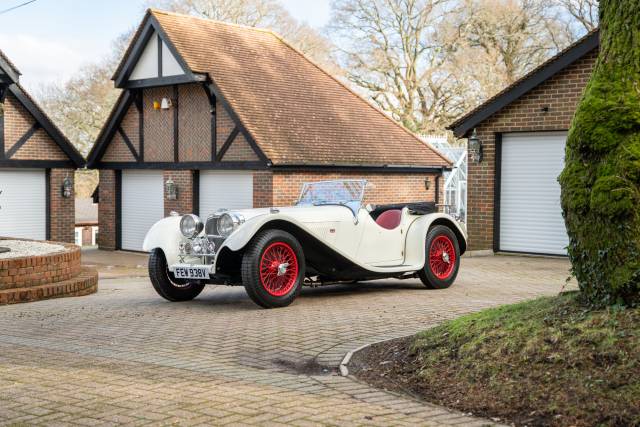
1979 | Jaguar SS 100
1979 Jaguar SS100 Replica
Auctions ending soon

Loading…
Loading…
Loading…
Loading…
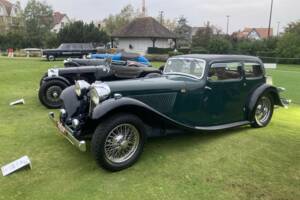
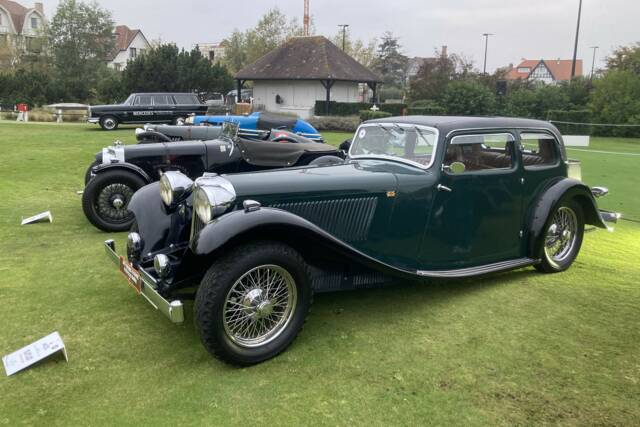
1934 | Jaguar SS 1
One of the most stylish prewar sportscars.
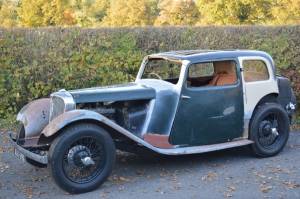
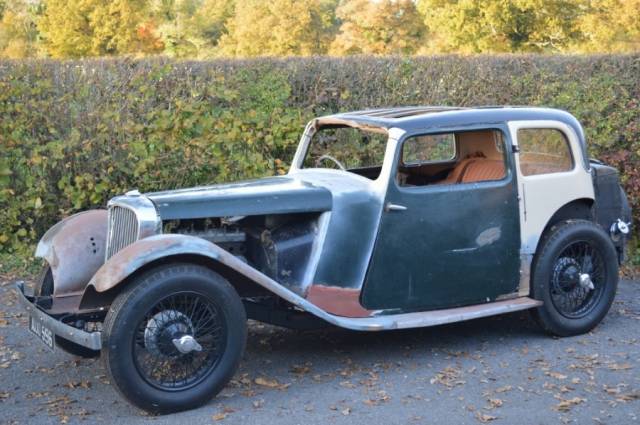
1935 | Jaguar SS 2
Original - ready for restoration completion


1937 | Jaguar SS 100
SS100 2.5L Roadster, Standard Swallow - RHD
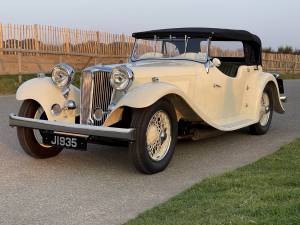
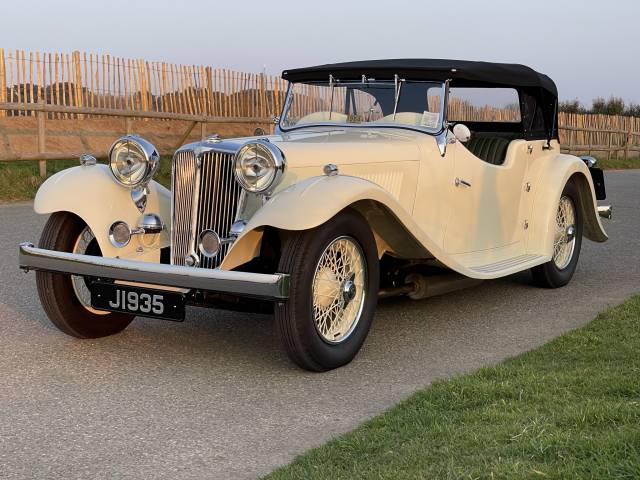
1935 | Jaguar SS 1
SS1 20hp Tourer
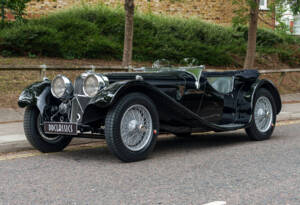
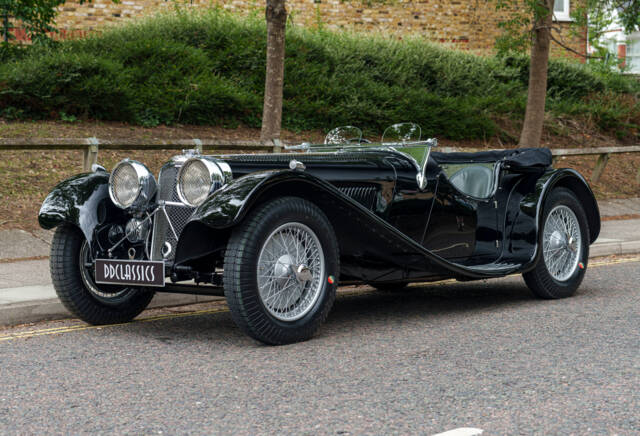
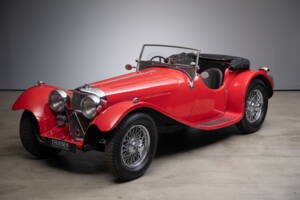
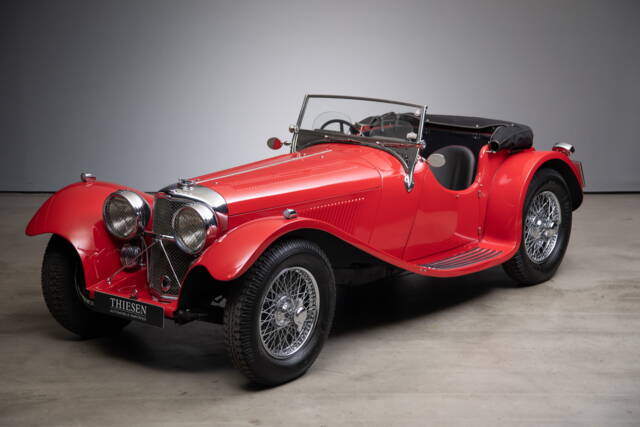
1937 | Jaguar SS 100 2.5 Litre
SS 100 2,5 ltr. OTS
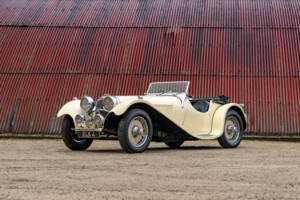
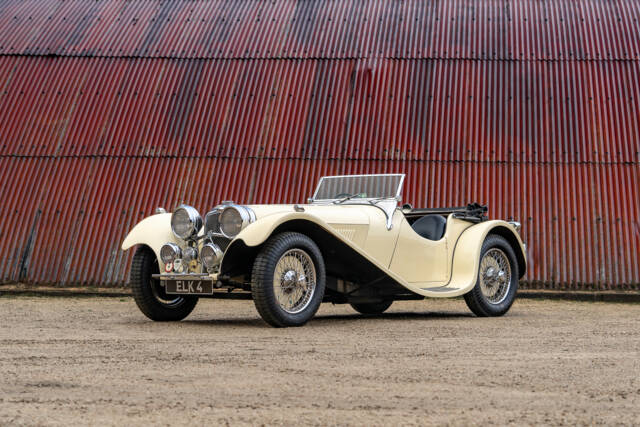
1937 | Jaguar SS 100 2.5 Litre
SS Jaguar 100 1937
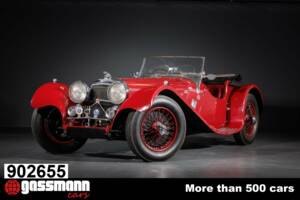
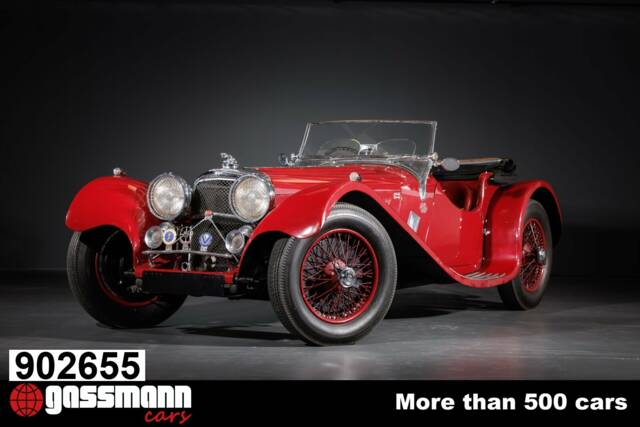
1936 | Jaguar SS 100
SS100 2.5L Roadster, Standard Swallow - RHD
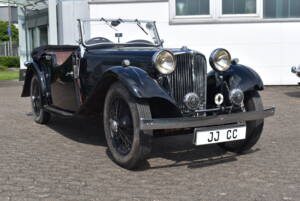
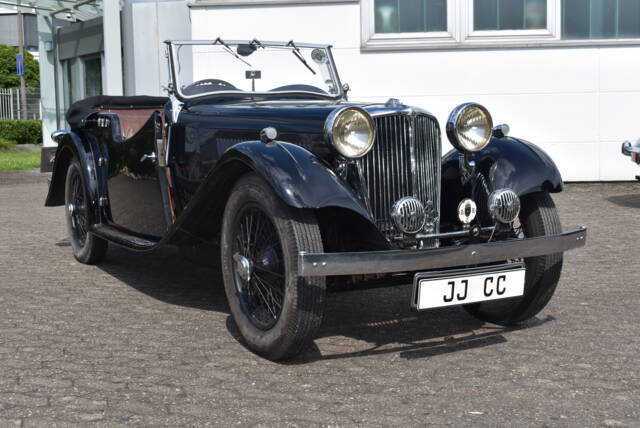
1935 | Jaguar SS 2
Series II Open Four Seater
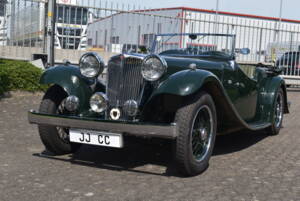
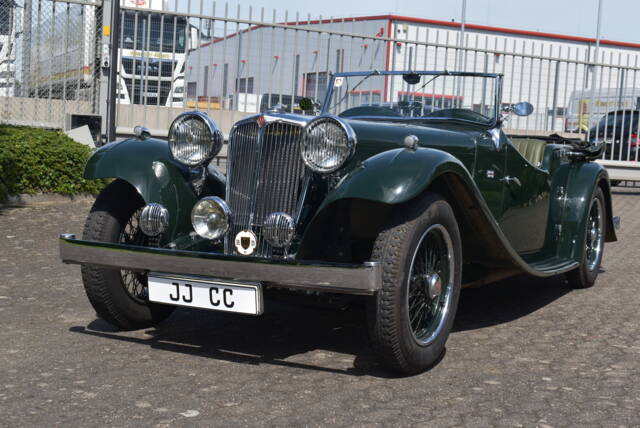
1935 | Jaguar SS 1
SS 1 Open Tourer Series III, completely restored
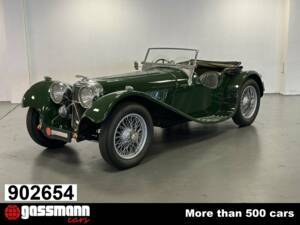
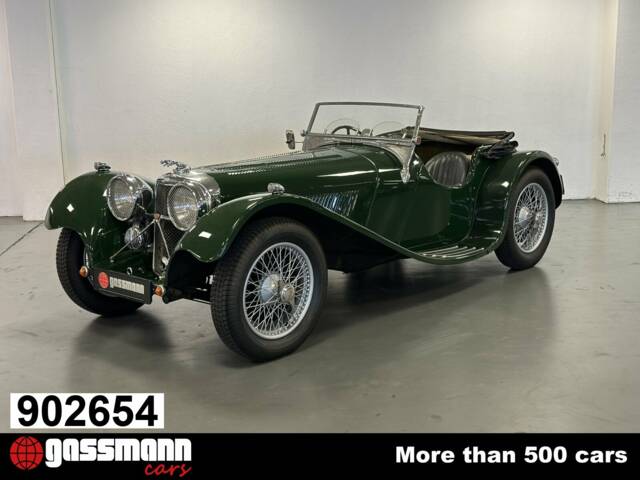
1937 | Jaguar SS 100 2.5 Litre
SS100 2.5L Roadster, Standard Swallow - RHD
History of the Jaguar SS Series
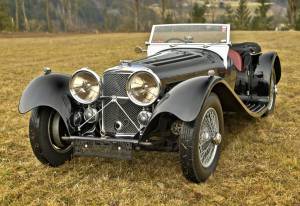
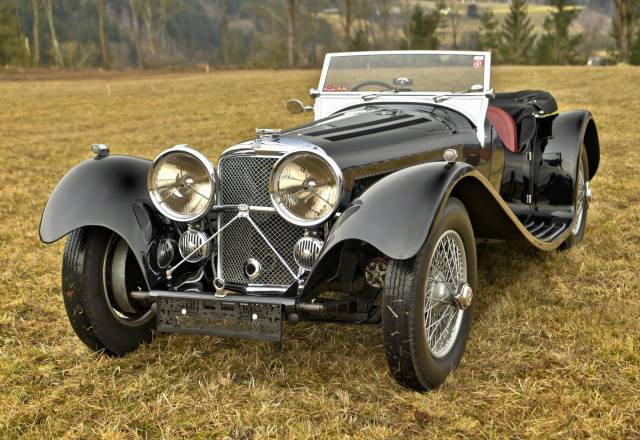
The story of the Jaguar SS series begins with S.S. Cars Ltd, later renamed Jaguar after World War II. The SS 100 was developed as a sporting evolution of the SS 90, debuting in 1936 as a compact, agile two-seat roadster. Notably, the '100' in its name references its 100 mph top speed, a remarkable figure at the time. The SS 100 was the first vehicle to bear the Jaguar name and featured the distinctive leaping Jaguar mascot. The model quickly garnered acclaim in motorsport, with successes in major rallies like the Alpine Trials and RAC Rally, cementing Jaguar's reputation for performance and style. Production ended in 1940, with only about 310 examples built.
Model History: Jaguar SS and Successors
The SS 100 evolved directly from its predecessor, the SS 90, inheriting and refining its engineering and design. Two main engine variants were available: the early 2.5-litre six-cylinder (producing approximately 75–102 hp) and the later, more powerful 3.5-litre version (around 125 hp). All were right-hand drive, with numbers split between roughly 190–198 of the 2.5-litre and just 118 of the 3.5-litre. As production ceased due to the outbreak of war, the series passed the torch to the Jaguar XK 120 after 1945, a model that continued its sporting DNA.
Highlights of the Jaguar SS Series
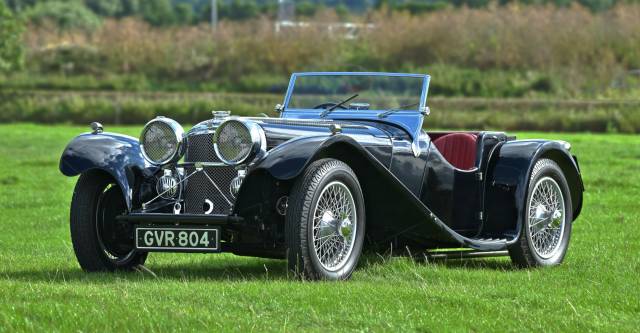
The unique engineering of the SS 100 included a lightweight steel chassis, overhead-valve straight-six engines, and a four-speed manual transmission. The ride was lively yet manageable, with the agile chassis rewarding keen drivers. Notable details include spoked wheels, fold-down windscreens, an abundance of chrome accents, and thoughtfully crafted interiors. In motorsport, SS 100s finished strongly in pre-war competitions, reinforcing the series' credentials. Rarity is another hallmark: just over 300 real SS 100s were ever made, and demand remains extremely strong due to the combination of engineering prowess and historical relevance.
Technical Data
Special Editions and Notable Replicas
Officially, there were few 'special editions,' but several technical evolutions occurred within the SS 100's production: in 1937, the more potent 3.5-litre engine arrived, along with a modernised, stronger chassis and larger doors for increased practicality. A closed-roof coupe prototype was also exhibited but never reached production. In recent decades, some high-quality replicas by makers like Suffolk, Birchfield, and Proteus have emerged, often using contemporary Jaguar mechanics while retaining period-correct details—appealing to enthusiasts seeking the look and charm of the original with improved reliability.
Engine, Performance, Transmission, and Road Behaviour
The SS 100’s six-cylinder engines—whether 2.5 or 3.5 litres—offered impressive torque and free-revving performance. Mechanical simplicity contributed to reliability, and the car's low curb weight made for responsive, nimble handling. Four-speed manual transmissions were standard, with later upgrades sometimes adding overdrive or even five-speed boxes in replicas. Suspension employed semi-elliptical leaf springs, creating a firm yet compliant ride by the standards of the 1930s. Most cars feature mechanical improvements and frame-off restorations; some replicas utilise modern brakes and power steering for greater drivability. - 2.5-litre SS 100: 75–102 hp, ca. 190–198 produced
- 3.5-litre SS 100: 125 hp, ca. 118 produced, 0–60 mph in 10.4 sec
- Suffolk SS100 Replica: Modern Jaguar XK mechanics, overdrive gearbox, detailed period presentation
Interior, Comfort, Exterior, and Design
The SS 100 is celebrated for its sensuous, elegantly contoured bodywork—a departure from the more upright designs of its era. Spearheaded by William Lyons, the design fused long, sweeping lines with practical elements such as a fold-down windscreen, functional luggage rack, and beautifully detailed chromed components. Interiors typically feature leather upholstery (often in custom-matched hues), instrument clusters with classic dials, and deep carpets. Extras included side screens, mohair hoods, tonneau covers, Moto-Lita steering wheels, and even heated seats in higher-end replicas. Alloy finishes, large headlamps, and the unmistakable Jaguar mascot complete the car's unique effect.
Other Noteworthy Aspects
Original SS cars generally included a comprehensive tool kit, jack, and period-appropriate accessories. Some featured additional spotlights for night rallying. Thanks to their simple mechanics and wide enthusiast support, parts are available for both originals and replicas. Many SS 100s, including replicas, have been restored with great attention to detail, and upgrades may include electronic ignition, enhanced brakes, or safety improvements—all designed to retain character while improving usability.
Summary of Jaguar SS Series
The Jaguar SS series, and specifically the SS 100, stands as a monument to pre-war British sports car engineering. With signature styling, significant motorsport credentials, and enduring rarity, it continues to capture the imagination of classic car collectors and drivers. The combination of robust yet accessible technology and unmistakable visual appeal makes it a definitive expression of Jaguar's early philosophy.