Chrysler New Yorker Classic Cars for Sale
The Chrysler New Yorker stands as a benchmark in American automaking, spanning almost 60 years and 14 generations. With a wide range of body styles, from grand Coupés to lavish Wagons, and an evolution from straight-eight to powerful Hemi V8 and V6 engines, the New Yorker typifies American luxury and size. Upholstered in premium materials and often fitted with advanced features for their era, these vehicles bring classic road presence and comfort to every journey.
Search results
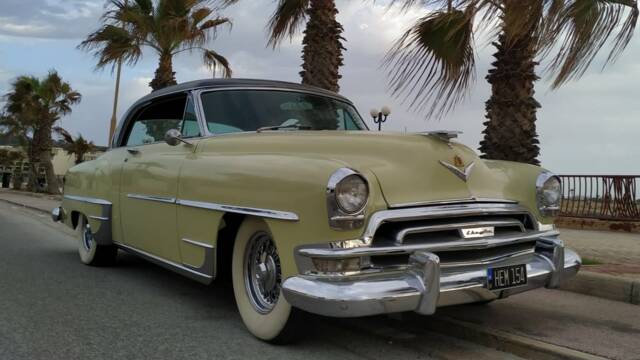
1954 | Chrysler New Yorker
Chrysler New Yorker Deluxe | 1954 | Route 66 Auctions - For sale by auction. Estimate 13500 EUR


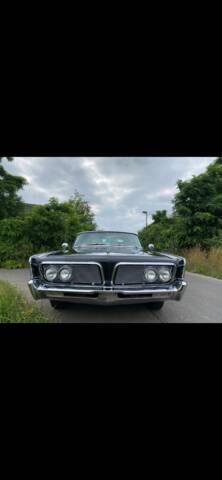
1964 | Chrysler New Yorker 2-Door Hardtop
Chrysler Imperial Crown Coupe

Auctions ending soon

Loading…
Loading…
Loading…
Loading…
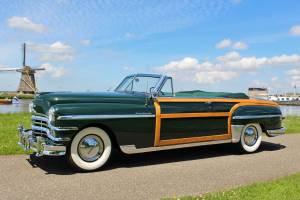
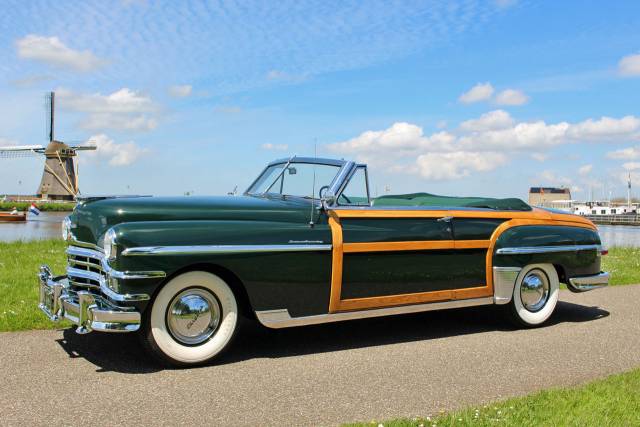
1949 | Chrysler New Yorker
Town & Country Convertible - Highist quality restored!
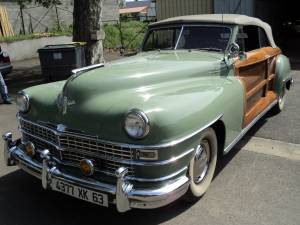
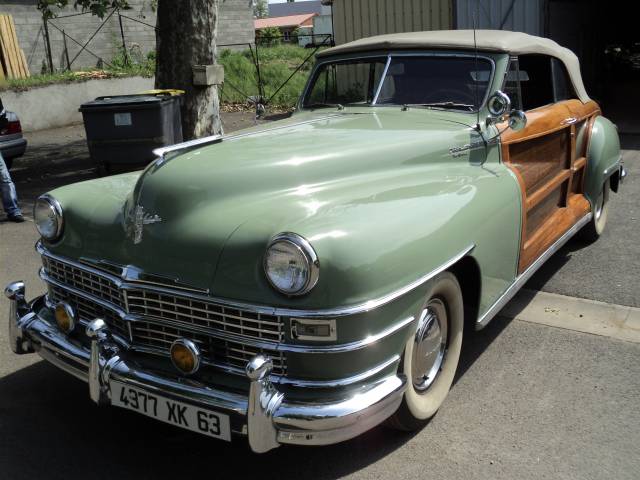
1948 | Chrysler New Yorker
CHRYSLER TOWN AND COUNTRY CONVERTIBLE

Chrysler New Yorker listing references from Classic Trader
Below you will find listings related to your search that are no longer available on Classic Trader. Use this information to gain insight into availability, value trends, and current pricing for a "Chrysler New Yorker" to make a more informed purchasing decision.
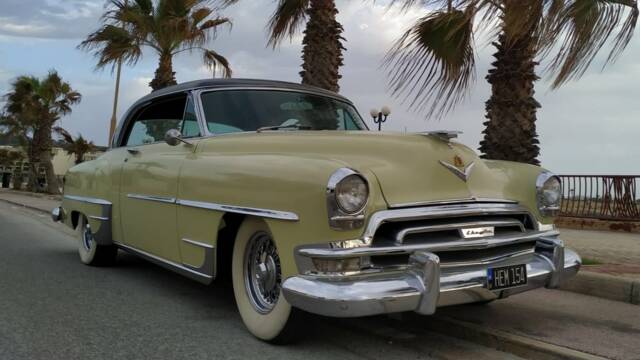
1954 | Chrysler New Yorker
Chrysler New Yorker Deluxe | 1954 | Route 66 Auctions - For sale by auction. Estimate 13500 EUR
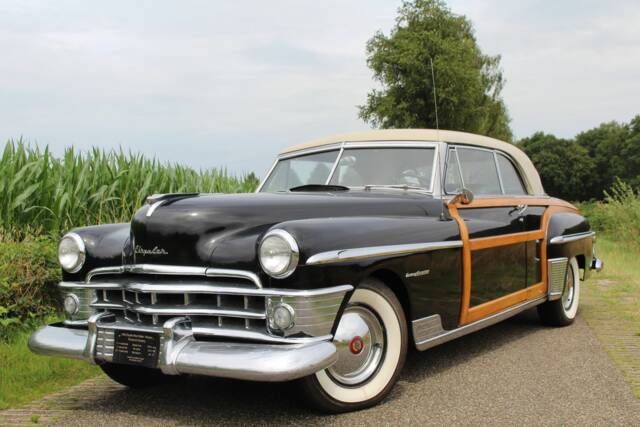
1950 | Chrysler New Yorker
Chrysler New Yorker Town & Country Newport | 1950 | Route 66 Auctions - For sale by auction. Estimate 17500 EUR
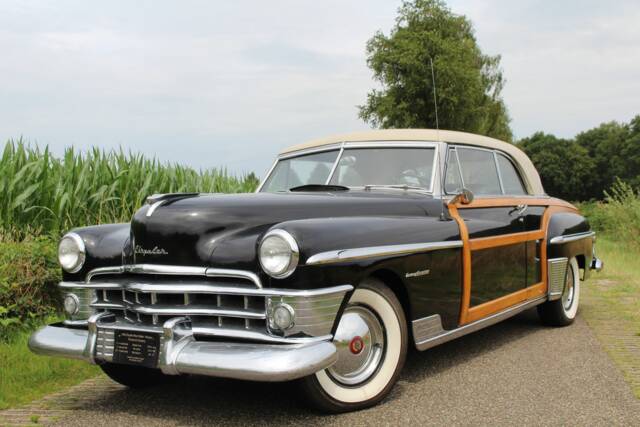
1950 | Chrysler New Yorker Club Coupe
Chrysler New Yorker Town & Country Newport | 1950 | Route 66 Auctions - For sale by auction. Estimate 17500 EUR
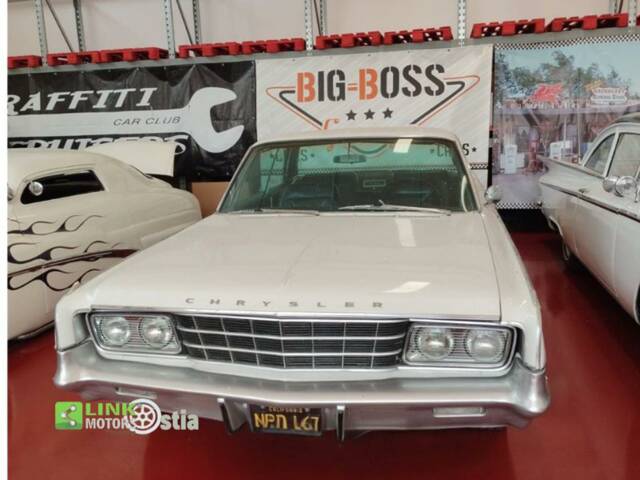
1965 | Chrysler New Yorker
CHRYSLER New Yorker New Yorker

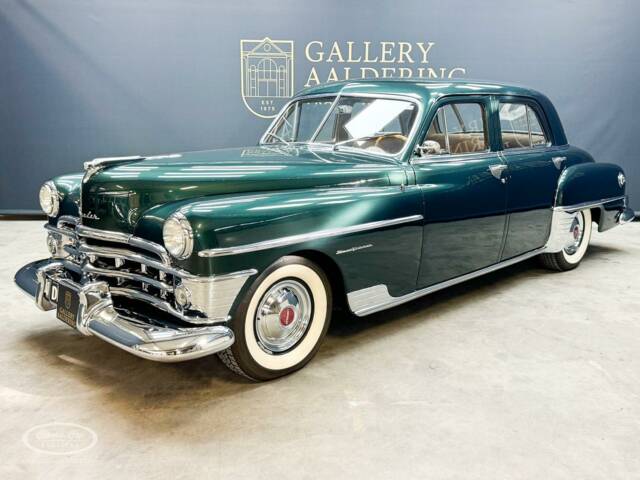
1950 | Chrysler New Yorker
Chrysler New Yorker Sedan Completely “Body off” restored (with pictures), Well documented with many invoices from past years, Nearly 2 decades in one ownership, From a “modest” collection of USA car connoisseur in the Netherlands, Accompanied by original and periodically correct brochures
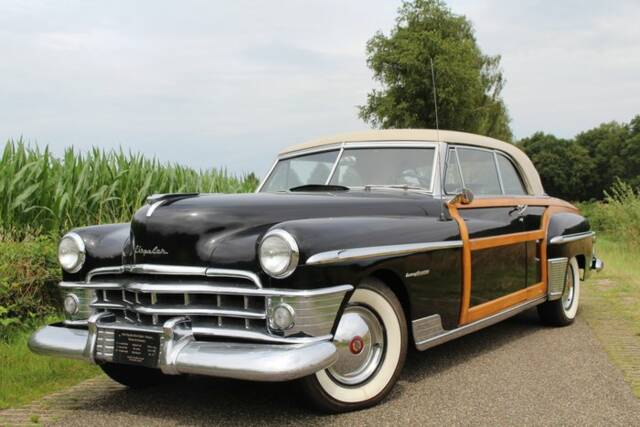
1950 | Chrysler New Yorker
Chrysler - New Yorker Town & Country - 1950
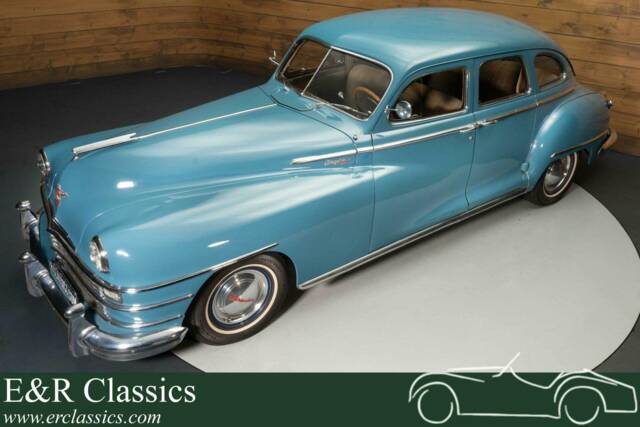
1948 | Chrysler New Yorker
Chrysler New Yorker | Goede staat | 1948
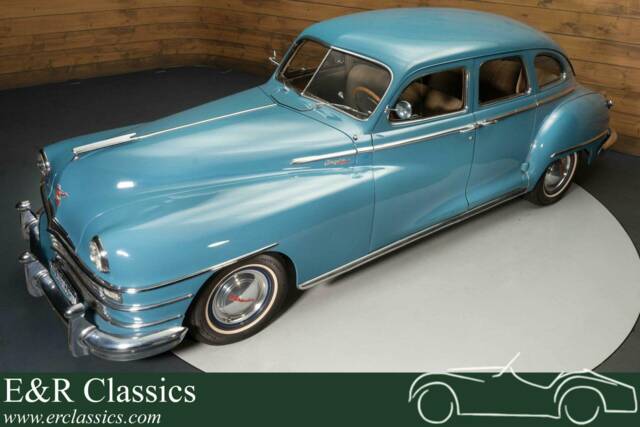
1948 | Chrysler New Yorker
Chrysler New Yorker Goede staat | 1948
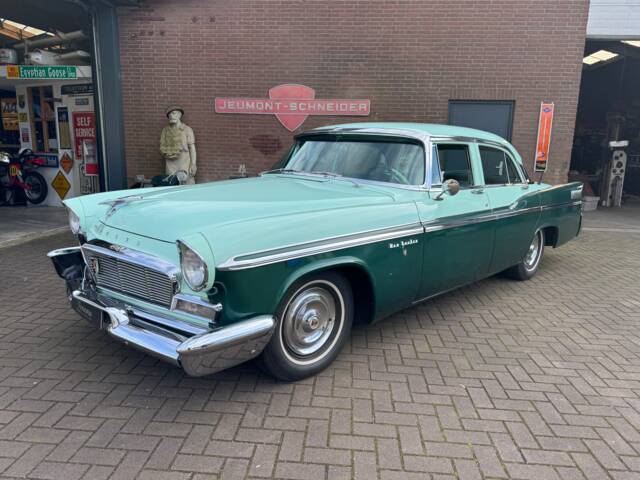
1956 | Chrysler New Yorker
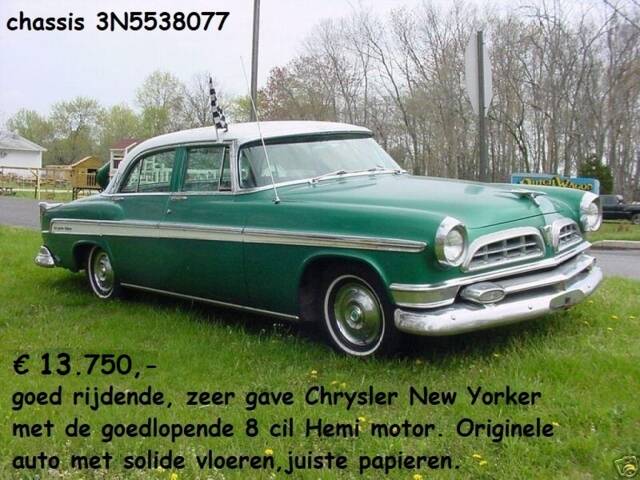
1955 | Chrysler New Yorker
Chrysler-New Yorker de Luxe green
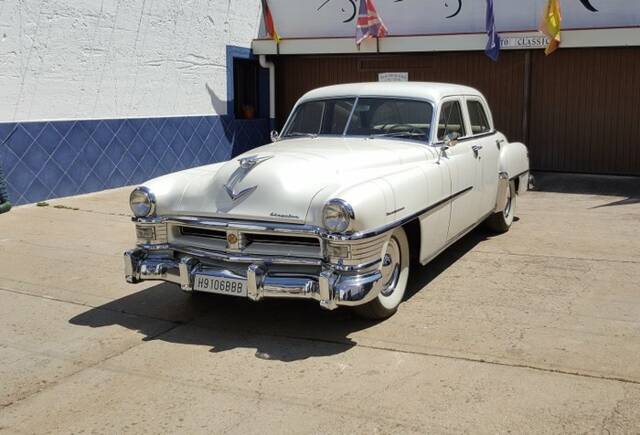
1951 | Chrysler New Yorker
Chrysler - New Yorker 5.4 V8 Fire-Power - 1951
Chrysler New Yorker Classic Cars: Prices & Market Values
The market value of Chrysler New Yorker classic cars is primarily determined by the specific manufacturer code and variant, as well as technical condition, originality and mileage. Additional factors include rarity, history and documentation. A well-maintained, largely original vehicle with low, verifiable mileage and complete history including appraisals and documentation typically achieves significantly higher prices than a comparable vehicle with deferred maintenance, many modifications or unclear provenance.
Chrysler New Yorker: Market Prices & Value Trends
Based on Classic Trader marketplace sales and asking-price data from January 2021 to December 2025, the Chrysler New Yorker market in Europe looks broadly stable, but highly segmented by era. Most mid-market examples cluster in the teens to low-£30,000s, while a small number of early post-war cars push the top end much higher. Across recent Dutch, German, French and Italian entries, a realistic mainstream price range is typically around £13,000–£32,000 for running, presentable cars, with late-1970s and 1980s New Yorkers often sitting at the more affordable end. In contrast, standout 1946–1950 cars (including a 1946 New Yorker Highlander and several 1948–1949 examples) appear at £60,000–£110,000+, which should be treated as condition- and provenance-led outliers rather than the norm. For buyers, this means the best value often lies in 1960s–1970s V8 saloons, while premium pricing is reserved for rarer early models, strong restorations and top-tier originality.
History of the Chrysler New Yorker
The Chrysler New Yorker began its story in 1939, evolving from its predecessor, the New York Special, itself a subseries of the Imperial. Early models featured innovative touches such as headlamps integrated into the front fenders and a bold waterfall grille design. Available as both coupé and four-door saloon, this was Chrysler's response to the demand for large, high-end American vehicles.
After production resumed post-WWII, the New Yorker quickly became the brand’s flagship. In 1951, Chrysler introduced the first production power steering, positioning the New Yorker as a technological leader. Design legend Virgil Exner shaped the car's profile in the 1950s, while names like 'Forward Look' marked bold design eras. The New Yorker maintained its top-class reputation all the way to its final production year in 1996.
Model History
Initially, the New Yorker shared much of its structure with the Imperial and Saratoga models. Successive generations saw the model range diversify—post-war versions expanded to include coupés, saloons, convertibles, and particularly rare and luxurious Wagons, notably the Town & Country 'Woodie'.
The 1950s and 1960s brought major changes: chassis lengthened, V8 Hemi engines debuted, and by 1960, the New Yorker switched to unitized body construction for improved comfort and rigidity. The oil crisis in the 1970s led to smaller, lighter versions, with notable returns to larger builds in the 1980s. By the final 14th generation in the early 1990s, front-wheel drive, V6 engines, and a suite of electronic comforts defined the range until production ended in 1996.
Highlights and Unique Features
With up to six full-size seats swathed in premium upholstery—options ranged from leather and vinyl to intricate cloth—the New Yorker provided luxury inside and out. Equipment highlights included the first mass-market power steering (1951), standard power windows, power front bench, climate control, early ABS, cruise control, and remote entry in later models. Certain years, such as the 1965 with its unique taillight design or the 1976 with hideaway headlights, are especially sought after for their rare details.
Luxurious interiors were complemented by elaborate dashboards, wood accents (both real and faux), and a vast array of optional extras such as tinted glass and electric roof antennas. Station Wagons boasted gigantic load spaces, and models from the 1946–1948 convertible series and the 1953 Town & Country remain especially rare.
Technical Data
Special Editions and Collectible Models
Several New Yorker editions are celebrated for their exclusivity and distinctive attributes:
- Town & Country (1940s–1950s): The pinnacle of wood-bodied American design, especially prized in convertible and wagon forms with limited production numbers (e.g., only 1,400 Town & Country Wagons in 1953; around 8,368 Convertibles from 1946–1948).
- 1961 Two-Door Hardtop: Production limited to just 2,541 units.
- 1965 Model Year: Sought for its unique taillight design.
- Late 1980s–1990s Fifth Avenue Trims: Top-spec models with leather interiors, Spiralcast alloys, and expanded electronic equipment.
Engine, Performance, Transmission and Handling
The New Yorker's reputation rides on its smooth, powerful engines and stately handling. Early models utilized straight-eight engines, progressing to FirePower Hemi V8s with ample torque and top-end power—later generations featured muscle-V8s (up to 364 hp) and, in the 1990s, efficient V6 units. Automatic transmissions evolved with the car, from two-speed PowerFlite to push-button and column-select TorqueFlite gearboxes. The comfort-focused chassis, long wheelbases, and robust axles worked together with advanced suspension (including rear stabilizers and High-Jackers) to provide a signature 'land yacht' driving experience. Even by contemporary standards, the ride quality and noise insulation remain notable for the segment. - Town & Country Wagon/Convertible: Notable for their craftsmanship and luxury features.
- 5th Generation (1951–1954): Introduced Hemi V8 and power steering.
- Late 1980s Fifth Avenue: Front-wheel drive, 3.3L V6, integrated ABS, driver airbag.
Interior, Comfort, Exterior, and Design
Design input from visionaries like Virgil Exner resulted in defining lines, prominent grilles, extensive chrome trim, and memorable colour schemes—including rare tri-tone finishes in the mid-1950s. The use of real wood in earlier Town & Country models and later faux finishes reflect American luxury tastes.
Inside, the New Yorker stands out with ornate controls, wood or wood-effect dash details, and premium seat upholstery in a range of textures and patterns. Equipment such as factory radios, CD players (retrofit in later classics), fully functional A/C, and adjustable driver conveniences were often standard or available for upgrade. Emphasis on comfort—through wide seating, lavish materials, and large cargo/luggage areas—created an unrivalled space for long-distance cruising. The details, from intricate switchgear to electric roof antennas and rare external mirror adjustments, show the level of attention given to the model.
Other Relevant Features
Many New Yorkers remain exceptionally original or are meticulously restored, often retaining documentation such as factory invoices and build sheets. Several examples appear in film or museum collections. The New Yorker’s mechanicals, when maintained, are robust and surprisingly straightforward. Its generous proportions and classical looks make it a favourite for special registrations and classic car rallies.
Summary
The Chrysler New Yorker captures the essence of mid-20th century American luxury motoring: imposing dimensions, advanced engineering, and a rich equipment list, offered across 14 generations. It leads Chrysler’s lineup both by supply and demand in the classic market, reflecting enduring appeal. Whether finished as a lavish Wagon, stately Sedan, or one of the rare convertibles, the New Yorker remains a significant reference in American automotive history, recognised for its unique blend of comfort, craftsmanship, and unmistakable style.