Chrysler Imperial Classic Cars for Sale
The Chrysler Imperial stands as the pinnacle of American luxury motoring from the early 20th century, combining prestigious design, state-of-the-art technology of its era, and remarkable engineering. Models like the Series CG and CL from the early 1930s, with their innovative straight eight engines and lavish interiors, continue to captivate collectors and enthusiasts. Discover the distinctiveness and technical excellence of the Chrysler Imperial range.
Search results
Currently, there are no matching listings for your search.
Create search alert
Let yourself be notified as soon as a listing is published that matches your search filters.
Create listing
Do you have a Chrysler Imperial that you want to sell? Then create a listing now.
Create listingChrysler Imperial listing references from Classic Trader
Below you will find listings related to your search that are no longer available on Classic Trader. Use this information to gain insight into availability, value trends, and current pricing for a "Chrysler Imperial" to make a more informed purchasing decision.
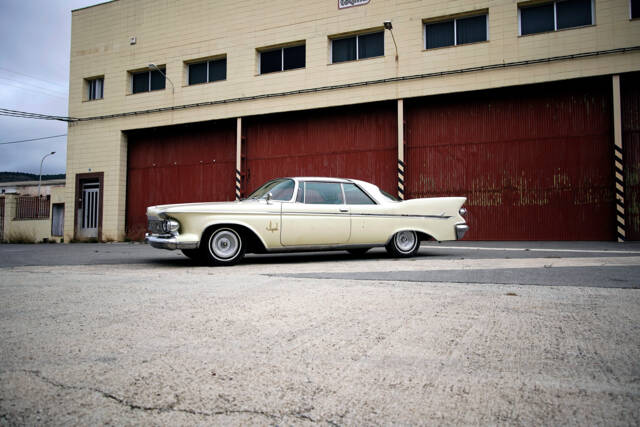
1961 | Chrysler Imperial Coupe
Coupé Hardtop

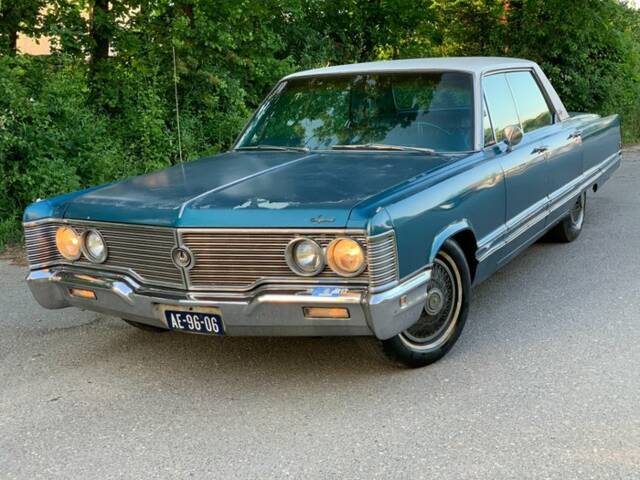
1968 | Chrysler Imperial Coupe
Chrysler - Imperial LeBaron 7.2 V8 - 1968

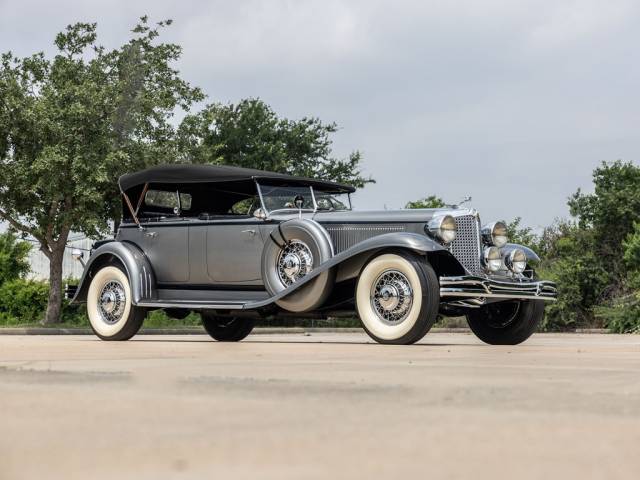
1931 | Chrysler Imperial CG
1931 Chrysler CG Imperial Dual-Cowl Phaeton by LeBaron

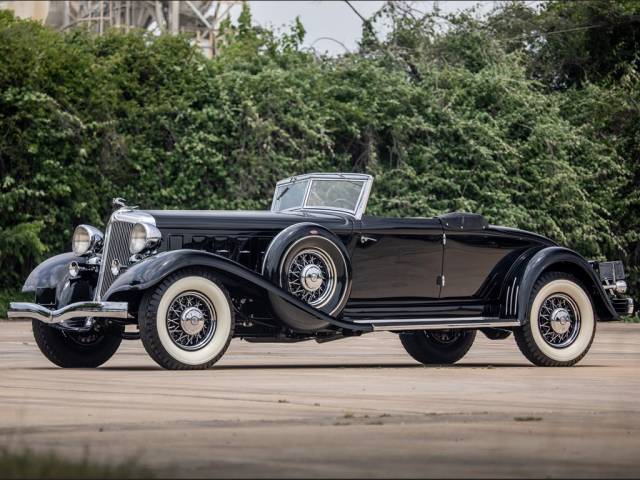
1933 | Chrysler Imperial CL Roadster Convertible
1933 Chrysler CL Imperial Convertible Roadster by LeBaron
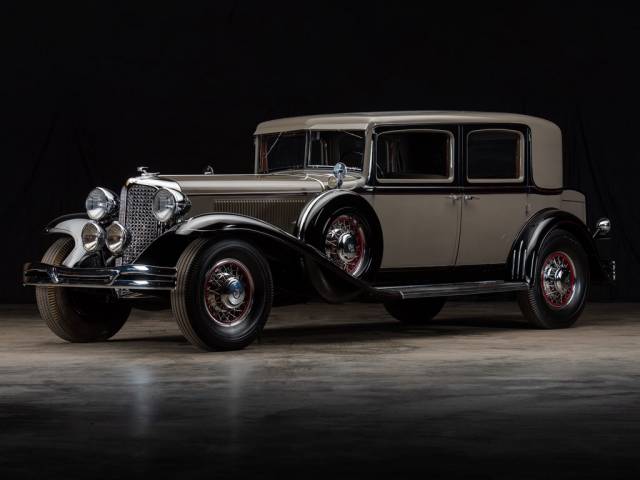
1931 | Chrysler Imperial CG
1931 Chrysler CG Imperial Close-Coupled Sedan
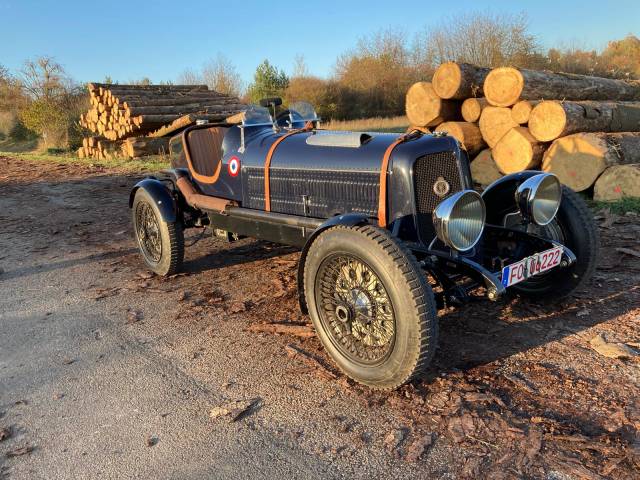
1932 | Chrysler Imperial CP
Racer

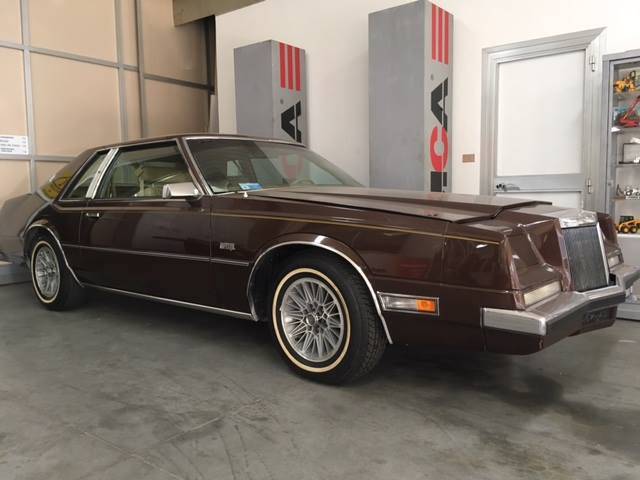
1981 | Chrysler Imperial 5.2 EFi
CHRYSLER DODGE IMPERIAL IMMATRICOLAZIONE ITALIANA Targa oro ASI

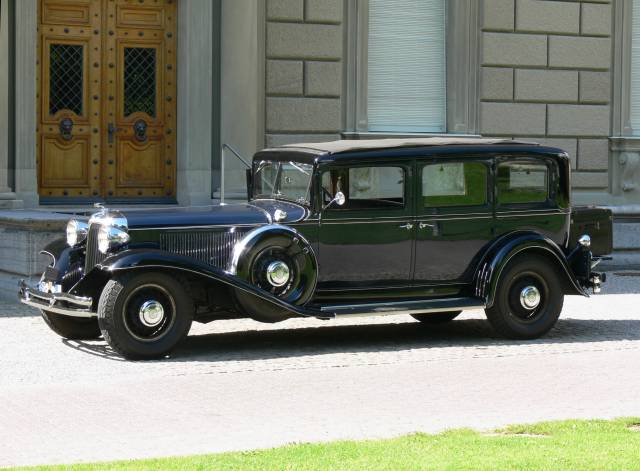
1931 | Chrysler Imperial CG
Original "Sedan-Limousine"

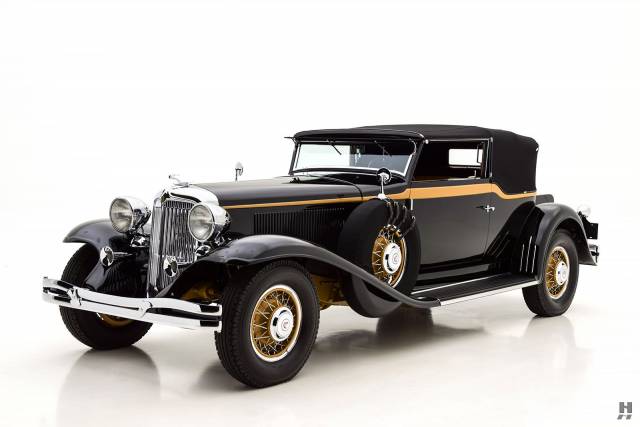
1931 | Chrysler Imperial CG
Chrysler CG Imperial Waterhouse Victoria
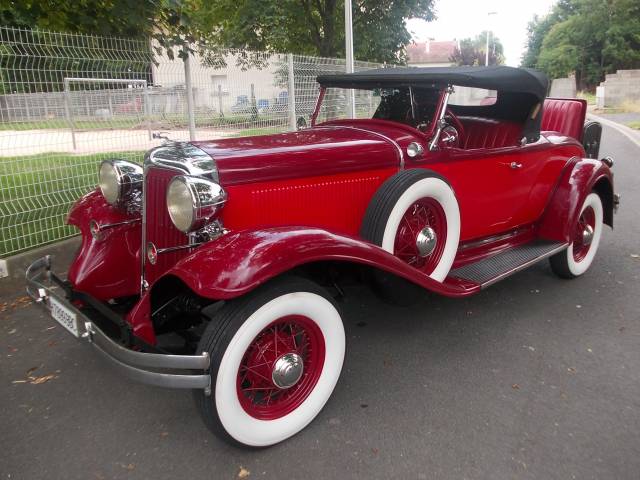
1932 | Chrysler Imperial CH
Roadster 8 cyl. avec spider, freins hydrauliques

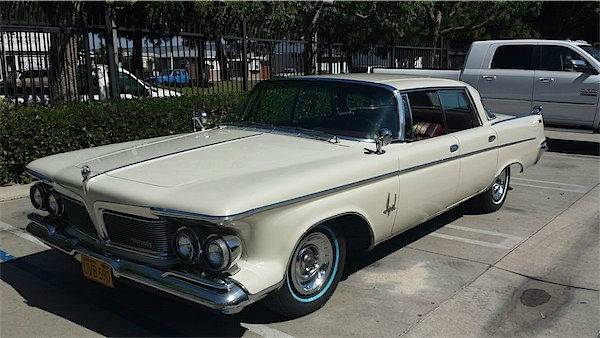
1962 | Chrysler Imperial Coupe
Chrysler Imperial
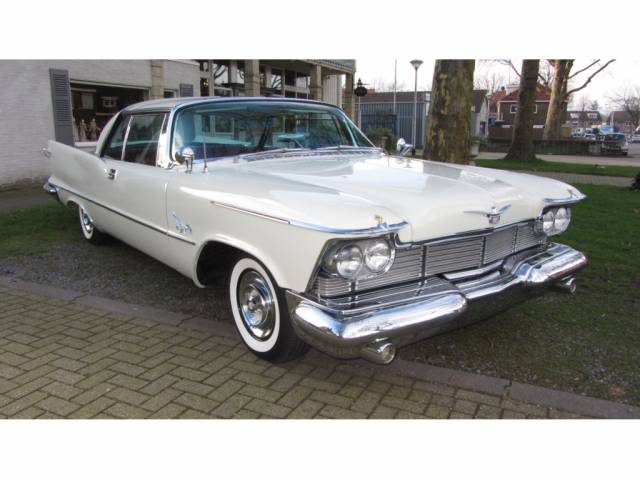
1958 | Chrysler Imperial Coupe
Chrysler Imperial Hardtop coupe
Create search alert
Let yourself be notified as soon as a listing is published that matches your search filters.
Create listing
Do you have a Chrysler Imperial that you want to sell? Then create a listing now.
Create listingChrysler Imperial Classic Cars: Prices & Market Values
History of the Chrysler Imperial
The Chrysler Imperial was introduced in 1926 as Chrysler's highest-priced, most technologically advanced vehicle, engineered to compete directly with the likes of Cadillac and Lincoln. Its evolution reflects the ambition of the brand: after a short hiatus during WWII, production resumed and was then transformed in 1955 into its own marque to further enhance its status in the luxury car market. Throughout its run, the Imperial was always the flagship, boasting the most refined engineering, advanced features, and a range of bespoke coachbuilt bodies. Notably, 1931 marked a significant leap with the Series CG, a model that drew from the aesthetic inspiration of the Cord L-29 and boasted a uniquely low, sweeping profile. The Imperial continued to innovate through the early '70s, with a final brief revival between 1990 and 1993 as a derivative of the New Yorker. Always differentiated by exceptional craftsmanship and formidable mechanicals, the Imperial’s legacy is cemented in American luxury car history.
Model History and Series Development
The Imperial's model lineage is complex. Early examples (1926–1942) were based on but distinct from standard Chrysler models, with multiple body styles such as phaetons, roadsters, coupés, and limousines available. The 1931 CG Imperial—built on a 145-inch wheelbase—became a collector's hallmark with just 339 produced across variants, only 99 of which were delivered to external coachbuilders like Waterhouse and LeBaron. Series CH and CL models followed, each increasing in technical and aesthetic sophistication. Post-war models (1951’s C53, C54, C58, C59) refined the V8 engine architecture and further modernized styling. With the 1955 reintroduction as a standalone make, unique platforms and trim levels including Custom, Crown, and LeBaron were established. Later generations (1957–1975) reflected the changing American design language—from bold curves to a more rectilinear approach, before the Imperial nameplate was re-integrated into Chrysler’s portfolio. The name experienced a final run with the 1990-93 Imperial, though this last version adopted more mainstream engineering.
Highlights and Special Features
The Chrysler Imperial is defined by its engineering prowess and exclusive features. The 1931 Series CG, for example, featured a 385-cubic-inch straight-eight engine delivering 125 hp, advanced for its era. Hydraulically actuated brakes on all four wheels, adjustable seats and steering columns, and luxurious interiors were standard. Attention to detail was evident in both visible elements—like side-mounted spare wheels, chromed or painted wheel covers, and silhouette-defining long rear side windows—and in less obvious touches such as 'courtesy lights' for rear passengers in Waterhouse-bodied cars. Unique coachbuilt variants, distinctive custom paintwork, and the use of fine materials (caramel-coloured leathers, elegant wood trim) underscored the model’s exclusivity and craftsmanship.
Technical Data
Special Editions and Collectible Models
A standout among the range is the 1931 LeBaron Dual Cowl Phaeton, with only 85 units built—today among the most coveted collector’s cars from the Imperial line. Waterhouse-bodied Convertible Victorias are another highlight, integrating both American and European design sensibilities. Custom bodies by renowned builders such as LeBaron or Drauz are rare, each uniquely configured to original owner specification. Several Imperial models have won prestigious awards at Concours d’Elegance due to their provenance, rarity, and restoration quality.
Engine and Performance, Transmission and Handling
The mechanical reputation of the Imperial—particularly 1930s series—rests on advanced straight eight engines painted in porcelain-black and renowned for durability and power delivery. Hydraulically assisted brakes provided strong stopping power, while the ride was notable for its comfort and handling, supported by a robust chassis and suspension geometry. Adjustable steering and seating improved the driving experience. Open versions like the Phaeton and Roadster offered both style and dynamic pleasure, with cruising speeds up to 100 mph reliably achievable. - 1931 CG Imperial (Straight Eight, 125 hp, advanced chassis, custom coachwork)
- Series CH, CL, CP, and C14—each with unique engineering and aesthetic features
- LeBaron and Waterhouse coupes/convertibles, rare custom builds
Interior, Comfort, Exterior and Design
Imperials are celebrated for their customisable bodies and attention to interior detail. Waterhouse-bodied cars, in particular, are defined by refined caramel-coloured leathers, high-quality wood panelling, and minimalist but elegant instrument layouts. Among signature features: dual sidemounted spares with painted or chromed covers, Firestone blackwall tyres (on Waterhouse examples), and panoramic rear side windows. Courtesy lights illuminate the rear passenger compartment—a distinguishing trait of high-end builds. Exteriors exploited sleek, low lines (notably CG) and long wheelbases, often with two-tone paintwork and lavish materials specified per owner. Design was both functional—adjustable seating and steering, easy-access controls—and imbued with luxury, positioning the Imperial as a visual and practical standout in its era.
Other Features and Details
Imperials were assembled on dedicated chassis platforms at Chrysler’s Jefferson Avenue plant in Detroit. The range’s status is reinforced by events and recognition within the classic car community: many models are classified as CCCA Full Classics, making them eligible for prestigious club tours and rallies (so-called CARavans). Original sale prices were substantial, reflecting the car’s engineering substance and market position. Survivors are few, particularly among open-body designs and coachbuilt specials, with numbers dwindling to single digits for rarer variants after over 90 years.
Summary
The Chrysler Imperial sets benchmarks in the American luxury classic segment for both technical innovation and bespoke craftsmanship. With a distinctive silhouette, powerful engines, and luxury-oriented interiors, Imperials—especially coachbuilt examples and rare open models like the CG and LeBaron Phaetons—remain focal points for collectors seeking an unapologetically grand expression of interwar and early postwar American engineering.