Chrysler G-70 classic cars for sale
The Chrysler G-70 stands out among early American six-cylinder vehicles, embodying technical refinement and competitive ambitions from the late 1920s. With a background of motorsport presence and advanced straight-six engines, the G-70 is a unique representative of Chrysler’s formative years.
Search results
Currently, there are no matching listings for your search.
Create search alert
Let yourself be notified as soon as a listing is published that matches your search filters.
Create listing
Do you have a Chrysler G-70 that you want to sell? Then create a listing now.
Create listingChrysler G-70 listing references from Classic Trader
Below you will find listings related to your search that are no longer available on Classic Trader. Use this information to gain insight into availability, value trends, and current pricing for a "Chrysler G-70" to make a more informed purchasing decision.
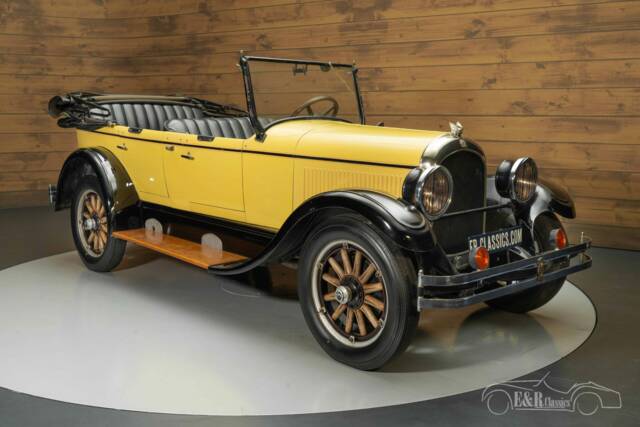
1926 | Chrysler G-70 Phaeton
Chrysler G70 Phaeton | 1926 | Route 66 Auctions - For sale by auction. Estimate 13500 EUR

Create search alert
Let yourself be notified as soon as a listing is published that matches your search filters.
Create listing
Do you have a Chrysler G-70 that you want to sell? Then create a listing now.
Create listingChrysler G-70 Classic Cars: Prices & Market Values
Introduction and History of Chrysler G-70
The Chrysler G-70 marks a crucial step in Chrysler’s development of refined six-cylinder automobiles. Emerging after Chrysler took over the Maxwell and Chalmers companies, the G-70 became one of the key models in the growing Chrysler Six range. In the mid-1920s, Chrysler’s focus was on innovative engineering, with the G-70 series explicitly reflecting the company's capabilities in engine technology and reliability. These cars gained further distinction by participating multiple times in the 24 Hours of Le Mans, a testament to their durability and aspiration on international racing circuits.
Model History
The Chrysler G-70 belongs to the legacy of the Chrysler Six, a vehicle series launched after the acquisition of Maxwell (1924) and Chalmers (1926). The series nomenclature initially represented the top speed each model could sustain, a practice reflecting the era’s emphasis on verified performance. With each year, series numbers were updated, and a variety of body styles became available, illustrating Chrysler's strategy of broadening appeal and showing advanced technical maturity for its time.
Highlights of the Chrysler G-70
The Chrysler G-70 introduced numerous technical innovations compared to its contemporaries. Not only did it feature the robust straight-six engine, but it also made an impression on the motorsport scene by entering the 24 Hours of Le Mans on three occasions during the 1920s. The combination of technical advancement, consistent updates, and flexible body styles set the G-70 apart within the brand's early product range.
Technical Data
Special Editions and Collectible Models
There is currently no evidence of factory-produced special editions of the G-70, though a variety of period-specific body styles—including tourers and sedans—were offered to suit different customer preferences during the era.
Engine and Performance, Transmission and Handling
The straight-six engine powering the G-70 was regarded as technically advanced in its era, delivering steady and reliable performance—qualities that underpinned Chrysler’s focus on durability and smoothness. The model’s consistent top speed capacity (reflected in its '70' denomination) earned it a reputation among 1920s enthusiasts for blending touring comfort with credible long-distance capability. Period transmissions were manual and required skilled handling, particularly by modern standards. Entry in endurance motorsport events signalled robust chassis engineering and solid mechanical reliability. The G-70 itself is the primary representative of its type within the classic market, as reflected by current supply data.
Interior, Comfort, Exterior and Design
The design of the G-70 followed the classic proportions of late-1920s American sedan and tourer styles. Interiors prioritised comfortable seating and robust finishes, with a focus on craftsmanship rather than ornate luxury. Exteriors featured practical, upright styling with period chrome details and wide, pronounced fenders. Special attention was placed on the dashboard ergonomics and visibility, providing a rational and practical driving environment. Accessories and optional extras were largely limited by today’s standards, though choices in bodywork and trim confirmed Chrysler’s engagement with contemporary customer tastes.
Summary
The Chrysler G-70 is a distinct classic vehicle, embodying the development and ambitions of Chrysler in the 1920s. With a technical foundation in the straight-six engine and a history punctuated by endurance racing appearances, the G-70 appeals to enthusiasts who prize early American engineering and motorsport heritage. As the only visible example in its model series on the market, it remains a rare opportunity for dedicated collectors and historically interested drivers.