BMW 3 Series Classic Cars for Sale
The BMW 3 Series stands for driving precision and technical diversity, spanning over four decades and offering everything from four-cylinder saloons to high-performance M3 coupés. It covers compact driving pleasure for everyday use and rare collectors’ editions with plenty of scope for individuality.
Search results
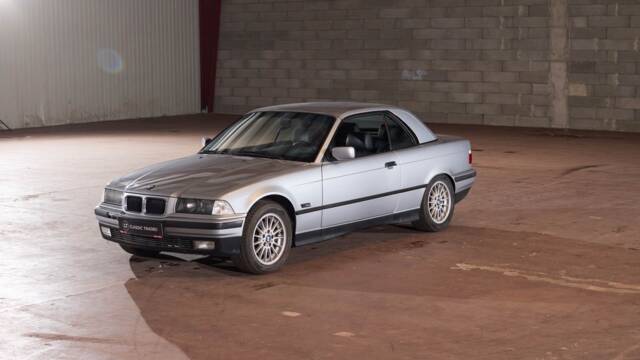
1995 | BMW 328i
1995 BMW 328i Convertible in Arctic Silver, 193-hp inline-six, black leather and original hardtop

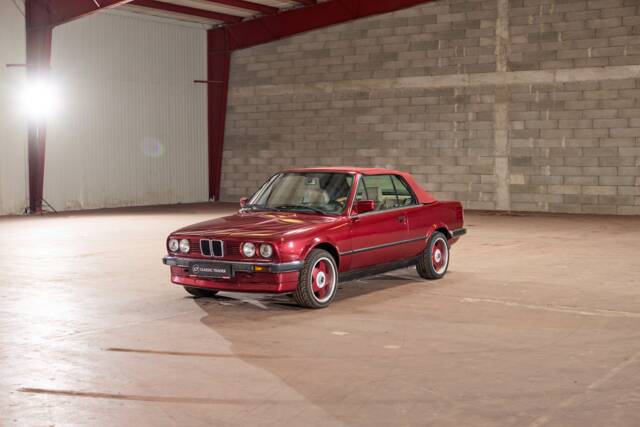
1990 | BMW 320i
1990 BMW 320i E30 Cabriolet, 170,219 km, in collector ownership since 2011 and with original Austrian type certificate
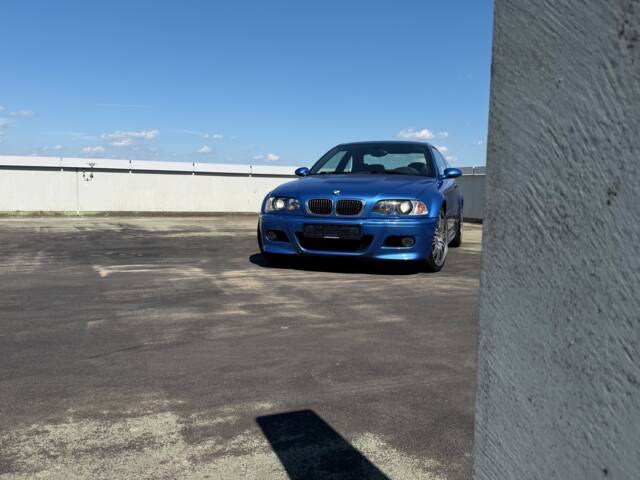
2003 | BMW M3
*Leasing/Finanzierung*Note1*Originalzustand*Deutsch*Individual*Historie*

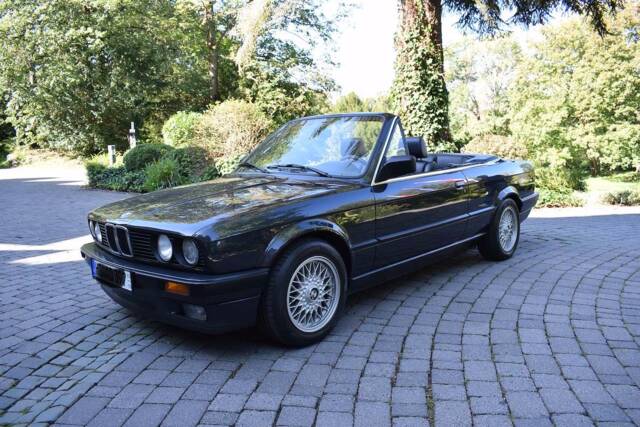
1993 | BMW 318i
TOP Original-Zustand
Newsletter
The best BMW listings, straight to your inbox
Get hand-picked BMW listings, plus the best of cars, motorbikes, and auctions on Classic Trader — all in one place.
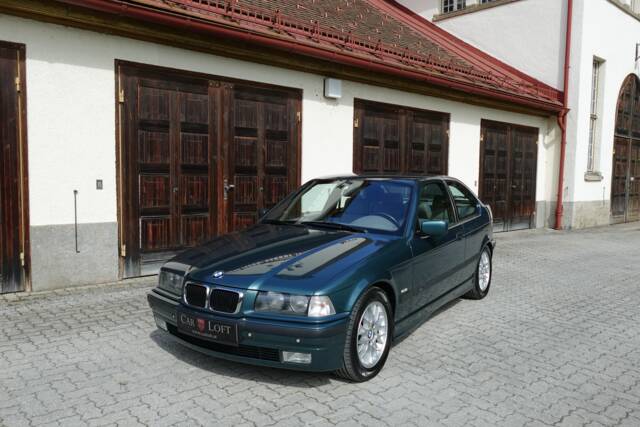
1999 | BMW 323ti Compact
323ti Compact im Erstlack mit 24.400 km!
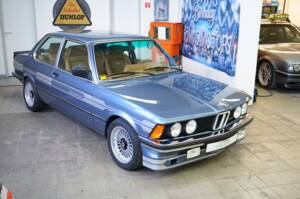
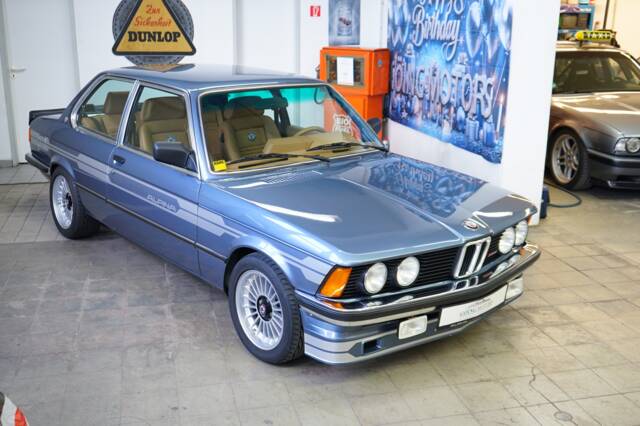
1980 | BMW 323i
BMW E21 323i in Alpina C1 2,3 / B6 2,8 design
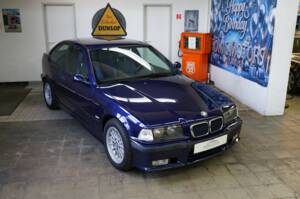
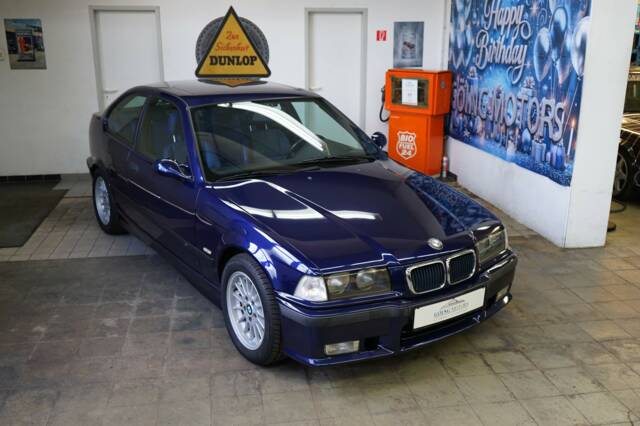
1999 | BMW 323ti Compact
With air conditioning and manual transmission
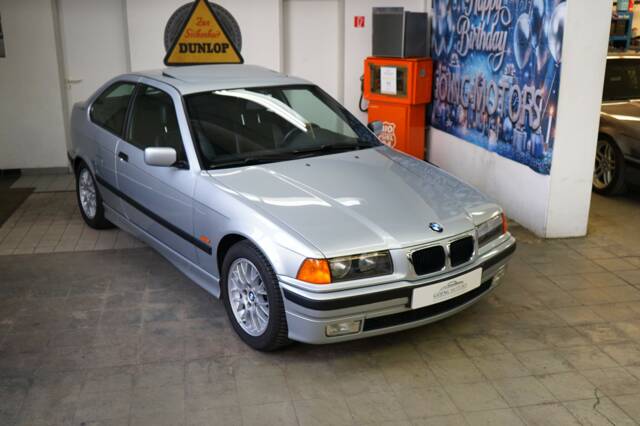
1998 | BMW 323ti Compact
One owner from new, in original condition with 48.900km
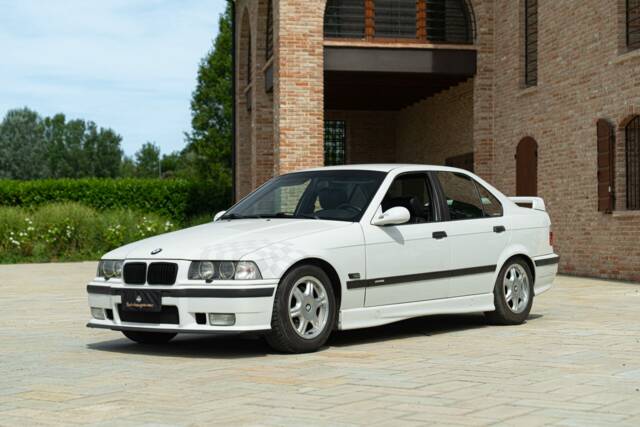
1994 | BMW 318is "Class II"
Bmw 318 IS MOTORSPORT LIMITED EDITION

2001 | BMW 320Ci
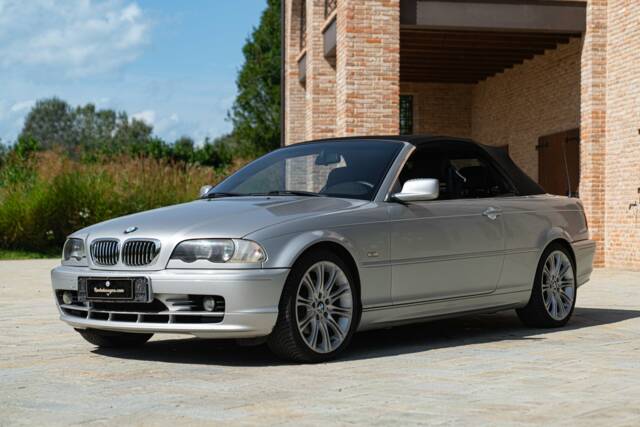
Bmw 320 CI
1989 | BMW 320i
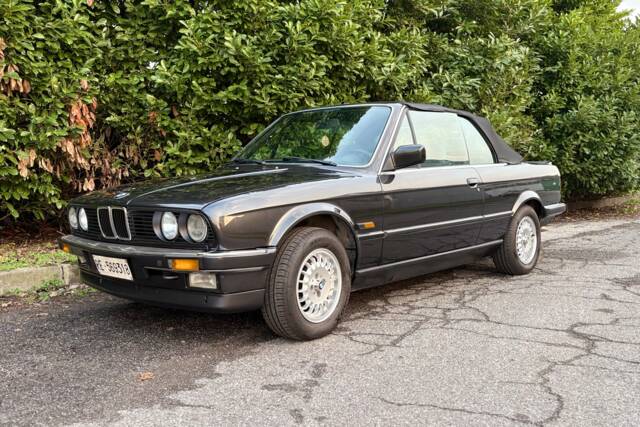
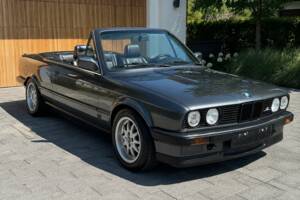
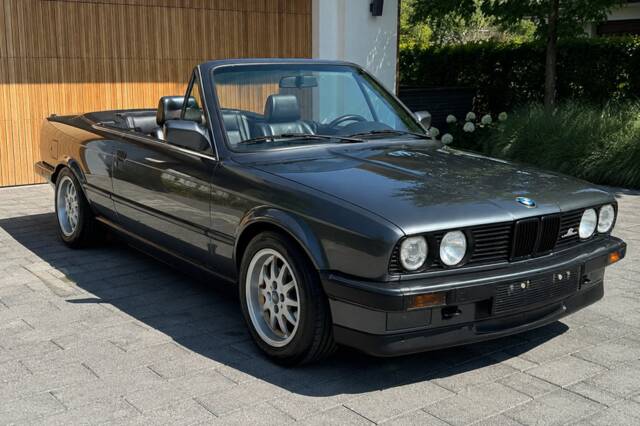
BMW 320i Cabriolet | 1989 | Route 66 Auctions - For sale by auction. Estimate 8500 EUR

1982 | BMW 318i
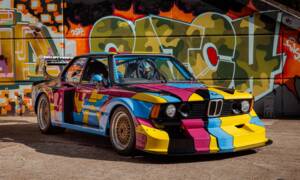
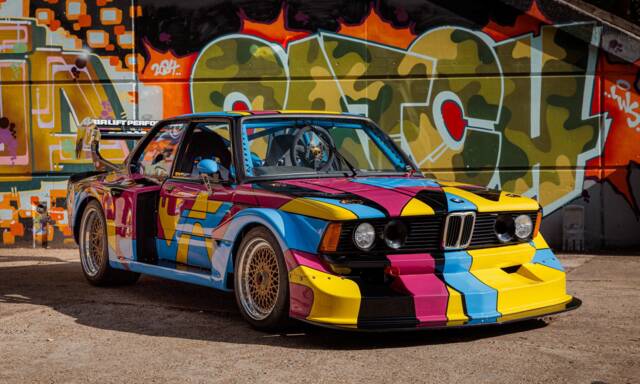
BMW E21 Group 5 Artcar-M62 V8, six-speed manual and Air Lift suspension

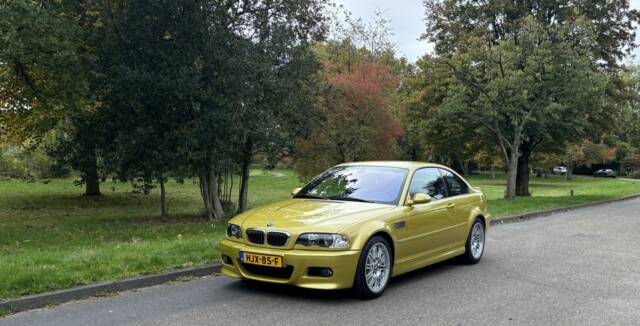
2004 | BMW M3
BMW M3 SMG II Facelift-vollständige Servicehistorie. Nur 47,284 km.
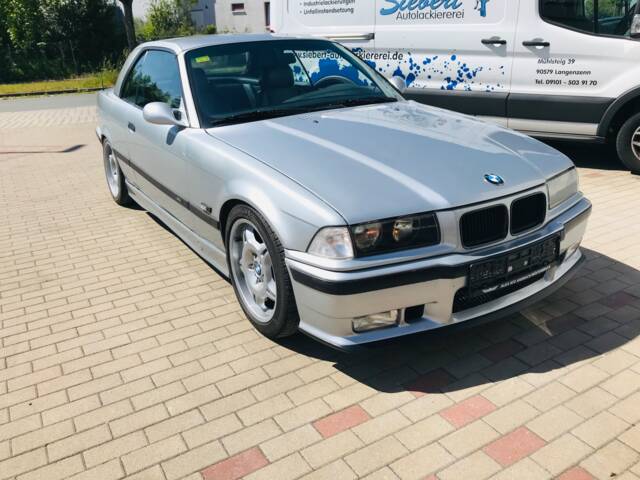
1994 | BMW M3
3.0 Cabriolet *Leasing/Finanzierung*Teilrestauriert*Neuwertig*H Abnahme*
BMW 3 Series Classic Cars: Prices & Market Values
The market value of BMW 3 Series classic cars is primarily determined by the specific manufacturer code and variant, as well as technical condition, originality and mileage. Additional factors include rarity, history and documentation. A well-maintained, largely original vehicle with low, verifiable mileage and complete history including appraisals and documentation typically achieves significantly higher prices than a comparable vehicle with deferred maintenance, many modifications or unclear provenance.
BMW 3 Series: Market Prices & Value Trends
Based on sales data from the Classic Trader marketplace, the BMW 3 Series classic market in Europe has remained broadly firm over the period from 2021 to January 2026, with the clearest strength at the performance end of the range. Regular E30/E36 cars such as 316i, 318i and 320i typically sit in the lower-to-mid price band, while sought-after models like the E30 M3, E36 M3 (1994–1995), E46 M3 (2001–2006) and limited-run specials (notably the M3 CSL and M3 GTS) carry a substantial premium. Looking past one-off anomalies (for example very low project-priced adverts or highly modified cars), most “everyday” 3 Series classics cluster around roughly €8,000–€30,000 depending on condition, history and specification, with well-presented six-cylinder cars often towards the upper end. By contrast, collector-grade M cars commonly trade around €40,000–€110,000, and rare homologation or limited editions can extend into the €150,000–€200,000+ bracket. For buyers, this points to a stable mainstream market and continued appreciation potential for original, well-documented M variants with desirable provenance.
History of the BMW 3 Series
The BMW 3 Series was introduced in 1975 as the successor to the BMW 02 Series, marking BMW’s entry into the premium compact segment. The E21 set a new standard with a sporty rear-wheel drive layout and precision chassis, available initially as a two-door saloon, followed by a broad assortment of engines including the M10 and later the M20 six-cylinder.
BMW consistently evolved the 3 Series across subsequent generations: the E30 (1982–1994) introduced four-door, Touring, and Convertible variants, expanded to include diesel engines and the motorsport-inspired M3. The E36 (1990–2000) modernised suspension with the multi-link rear axle, offered coupe, convertible, Compact, and estate options, and further refined the car’s handling dynamics. Each iteration has moved the 3 Series forward, adopting technological upgrades and diversifying the body styles and drivetrain choices.
From the early angular E21 and E30 to the rounded E46, and into the modern digital cockpit era starting with the F30, the 3 Series has secured BMW’s reputation as a leader in dynamic, everyday cars with sporty credentials.
Model History
Every generation of the BMW 3 Series brought notable changes:
- E21 (1975–1983): Debuted the 3 Series badge, replacing the 02 Series. Only available as a 2-door, established the fundamentals for compact BMW saloons.
- E30 (1982–1994): Broadened the range to four-door, Touring estate, Convertible, and the first M3. Launched all-wheel-drive 325ix and popularised BMW’s Baur TopCabrio.
- E36 (1990–2000): Introduced the Compact and modernised interior/exterior styling, improved chassis with multi-link rear axle.
- E46 (1998–2006): Offered the broadest selection of bodystyles to date (Saloon, Touring, Coupe, Convertible, Compact), and performance upgrades throughout the range.
- E90/E91/E92/E93 (2005–2013): Further evolution in body styles and engines, including efficient diesels and advanced petrols.
- F30–F36 (2011–2019): Arrived with turbocharged engines, digital interfaces, and new Grand Touring body shapes.
- G20–G21 (from 2018): Current series, highlights electrification and connectivity, maintaining the classic rear-drive DNA with extensive model diversity.
The M3, as the high-performance variant, sits apart in every generation, featuring considerable technical and visual differences aimed at motorsport homologation.
Highlights and Features
The BMW 3 Series is synonymous with dynamic handling, rear-wheel drive, and a driver-oriented cockpit. Key recognisable features: Hofmeister kink in the C-pillar, shark-nose styling in classic versions, and a broad engine palette from robust four-cylinders to the naturally aspirated or turbocharged six-cylinders and even a high-revving V8 in the E90 M3. Technological firsts have marked almost every generation, such as the introduction of ABS, ASC+T, and dynamic stability control (DSC) in various models.
Technical Data
Special Editions and Collectible Models
M3 variants (E30, E36, E46, E92, F80, and G80) represent the 3 Series pinnacle. Homologation specials such as the E30 M3 Evolution, Cecotto, Sport Evolution, and Convertible are highly regarded due to their motorsport pedigree and limited production. Other rare editions include the E36 and E46 CSL, various Alpina-tuned models, and the E30 325ix as a 4WD classic. Collectors particularly look for well-equipped or unique colour combinations, as well as Motorsport packages and early Baur convertibles.
Maintenance and Common Issues
Careful scrutiny is essential when considering any classic 3 Series. Across all generations, scrutiny for rust (wheel arches, sills, floors) is necessary, particularly with E21 and E30 due to minimal corrosion protection. Typical mechanical weak spots include perished suspension bushings, failing electronics (often in E36 onwards), potential overheating, VANOS camshaft timing issues, and cracked cylinder heads or block issues on neglected engines. Check service records, look for cold start performance, inspect underneath for oil leaks, and verify full documentation—especially for M3 and special editions. High miles and incomplete history, especially with diesel variants, are best avoided.
Engine, Performance, Transmission, Handling
The enduring appeal of the 3 Series lies in its driving dynamics: rear-wheel drive as standard, precise steering, capable independent suspensions, and a broad performance range from modest saloons to uncompromising M3 variants. Gearboxes evolved from robust Getrag and ZF manuals to SMG, DCT, and modern automatics. Classic M models (E30 M3, E36 M3, E46 M3) are celebrated for their naturally aspirated high-rev engines and razor-sharp handling, while six-cylinder models (E30 325i, E36/46 328i/330i, E46 330d) offer a balance of usability and power. - E21 323i: Early six-cylinder punch, raw driving experience.
- E30 325i Touring: Versatility and performance in a classic package.
- E30 M3: Motorsport roots, unique bodywork, homologation history.
- E36/46 328i/330i: Renowned for reliability and everyday usability coupled with strong straight six performance.
- M3 CSL/CS: Lightweight, track-bred, and rare.
Design, Interior and Accessories
Distinctive design touches on every 3 Series: the Hofmeister kink, pronounced ‘shark nose’ on E21/E30, and progressively wider, sleeker silhouettes in later generations. Interiors evolved from purposeful, driver-focused instrument clusters with mechanical controls to digital interfaces and luxury trimmings. Options and accessories are wide-ranging: sports seats, leather, climate control, factory sunroofs, rare exterior colours, and original alloy wheel designs. In M and high-trim models: unique sports interiors, thicker bolsters, M steering wheels, and individual trims. Baur cabriolets, Alpina or rare paint finishes (e.g., Laguna Seca Blue, Imola Red) are particularly sought after by enthusiasts for visual authenticity and exclusivity.
Further Information
The availability of genuine parts and documentation is crucial and increasingly difficult for rare or unique variants, especially early M3s or Baur cabriolets. Youngtimer and oldtimer status has brought insurance and tax benefits in some countries, subject to originality and condition. Comprehensive service records, limited previous owners, and original features (toolkit, booklets, matching numbers) add value. Manual gearboxes and non-facelift early production runs may carry collector value for certain niche buyers.
Summary
The BMW 3 Series stands as one of the most engineering-focused and enthusiast-respected compact cars of its era. From the simplicity and mechanical honesty of E21 and E30, through the refined E36 and E46, up to the digitally advanced recent generations, it is the yardstick for driving dynamics in its class. With user interest concentrated on E30 and to a lesser extent E36/E46, the 3 Series is a central pillar for BMW’s classic car scene and a rewarding entry point for classic car ownership—with condition, documentation, and history defining the best examples.