- Motorcycle
- Vincent (3 offers)
Buy Vincent Motorcycle
Discover the pinnacle of British engineering with a Vincent motorcycle. From the legendary Black Shadow to the Rapide, find rare 1,000cc V-twins and classic 500cc singles from Stevenage's most famous factory.
Search results
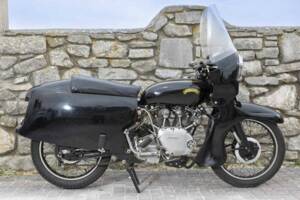
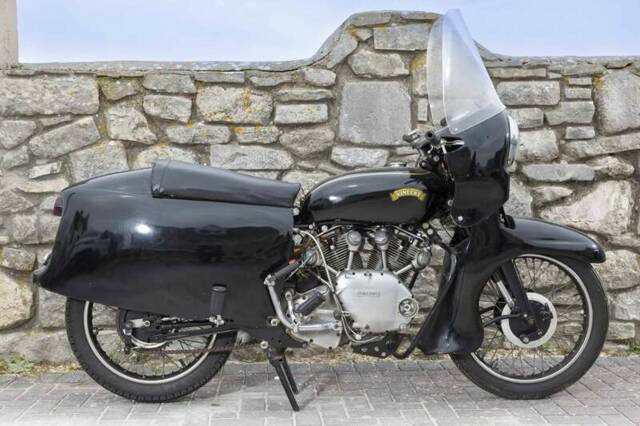
1955 | Vincent Black Knight
1955 Vincent Series D Black Knight 998cc

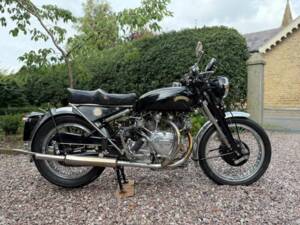
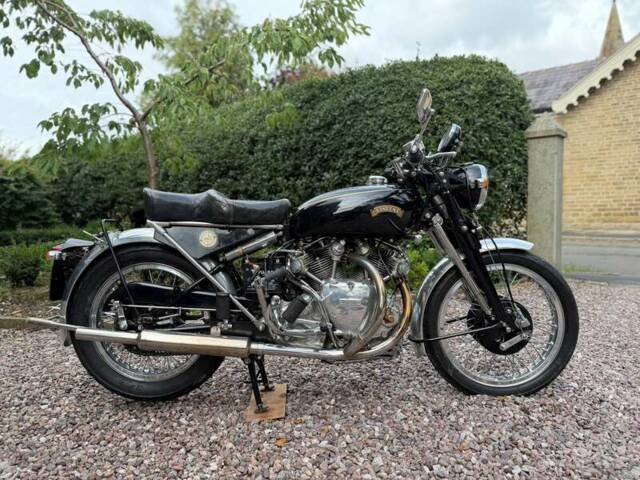
1951 | Vincent Rapide C
1951 Vincent Series C Rapide 'Ivanhoe' 998cc
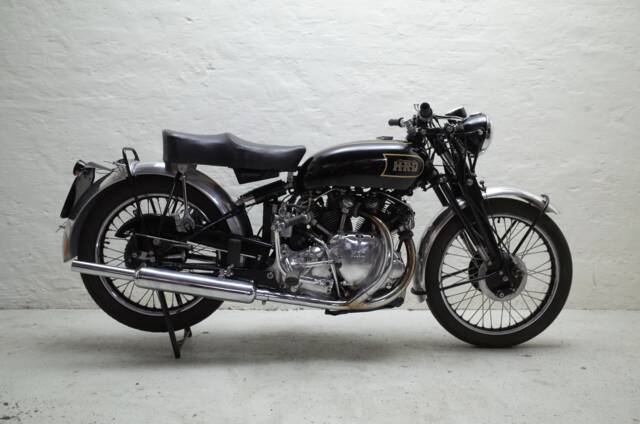
1949 | Vincent Rapide C
Rare 'interim' model

Vincent listing references from Classic Trader
Below you will find listings related to your search that are no longer available on Classic Trader. Use this information to gain insight into availability, value trends, and current pricing for a "Vincent" to make a more informed purchasing decision.
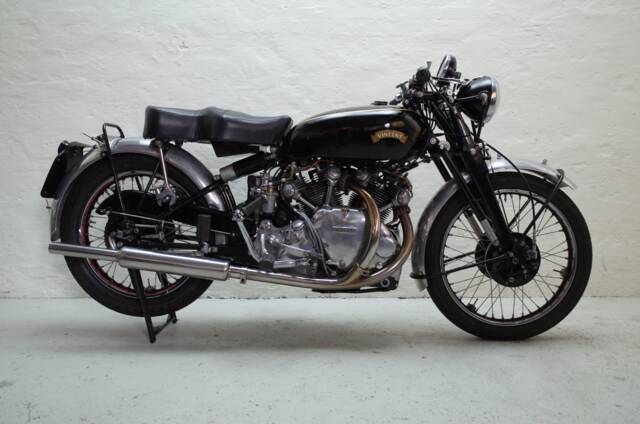
1951 | Vincent Rapide C
All matching numbers. VOC Certificate. One owner since 1962.
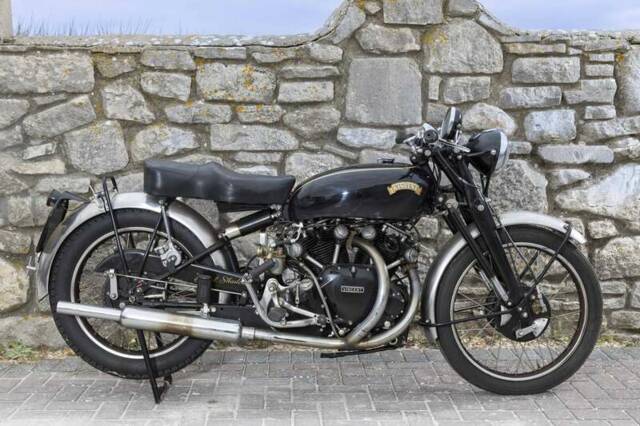
1952 | Vincent Black Shadow C
1952 Vincent Series C Black Shadow 998cc
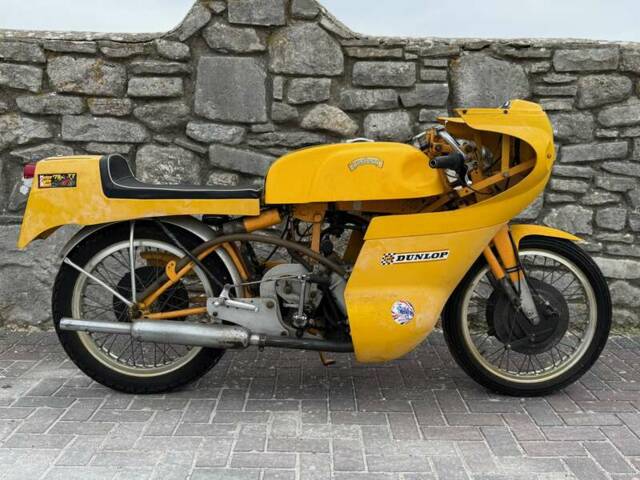
1951 | Vincent Grey Flash
1951 Vincent Series C Grey Flash Replica 499cc
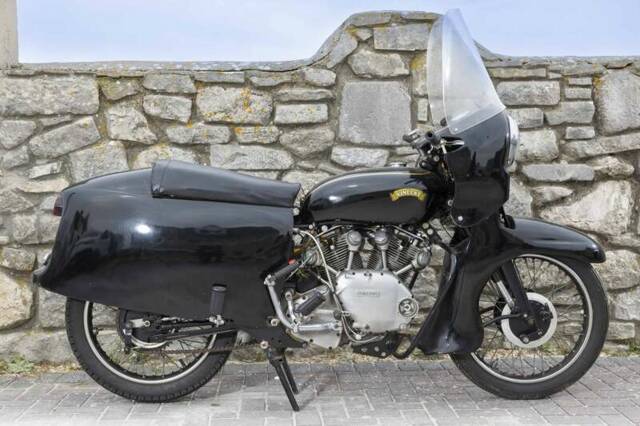
1955 | Vincent Black Knight
1955 Vincent Series D Black Knight 998cc
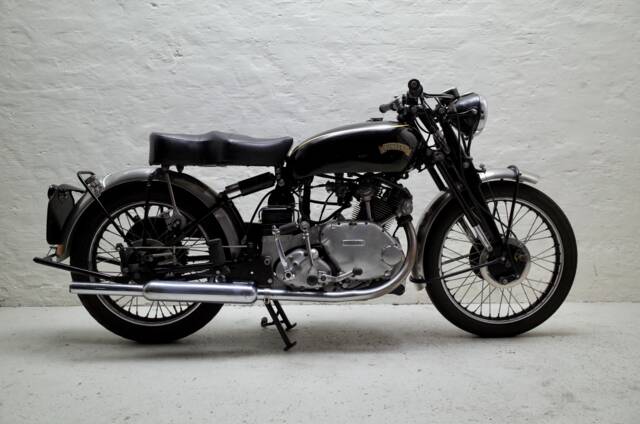
1950 | Vincent Comet
Matching numbers w. VOC Certificate. Very few owners.
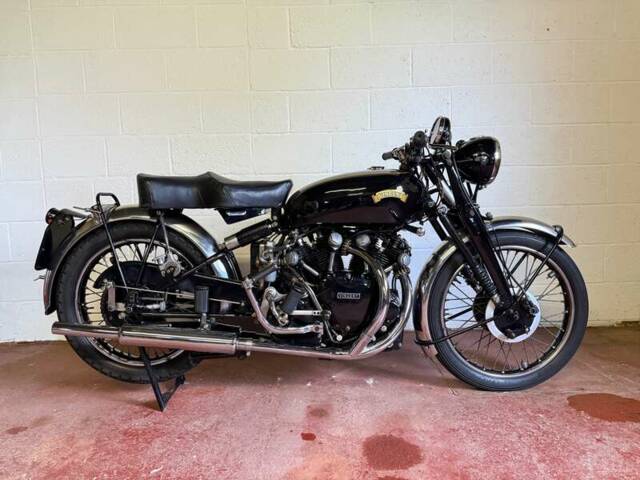
1953 | Vincent Black Shadow C
1953 Vincent Series C Black Shadow 998cc
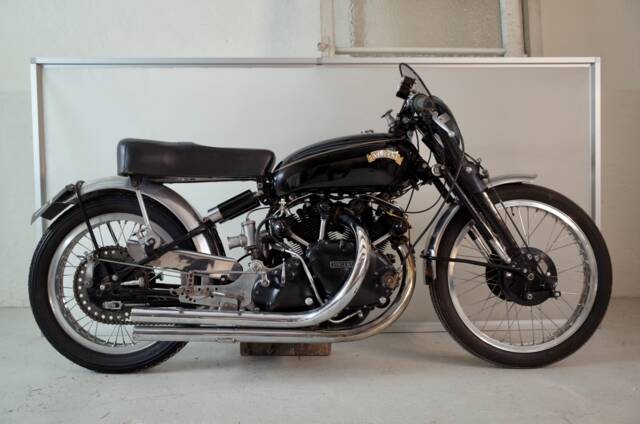
1954 | Vincent Black Lightning
Vincent Rapide to Black Lightning spec. Matching numbers.
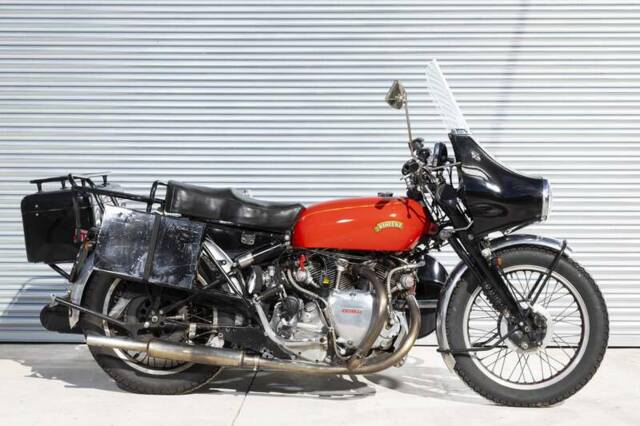
1953 | Vincent Rapide C
1953 Vincent Series C Rapide with Steib Sidecar 998cc
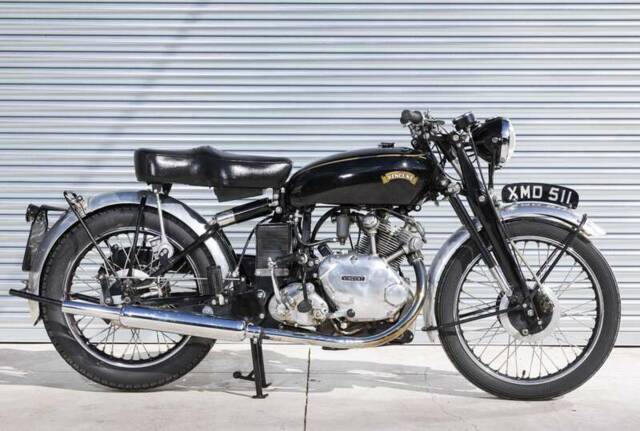
1951 | Vincent Comet
1951 Vincent Series C Comet 499cc
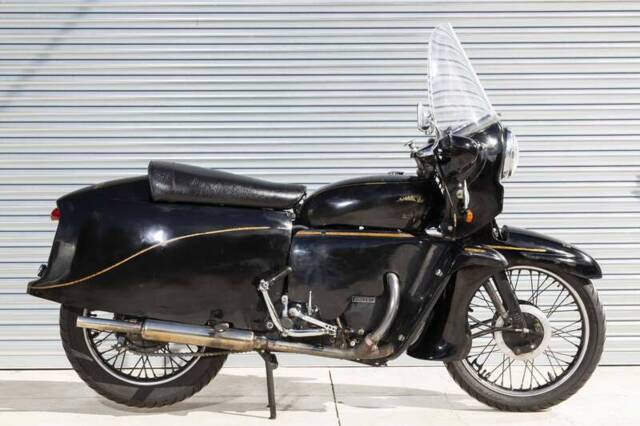
1955 | Vincent Black Prince
1955 Vincent Series D Black Prince 998cc
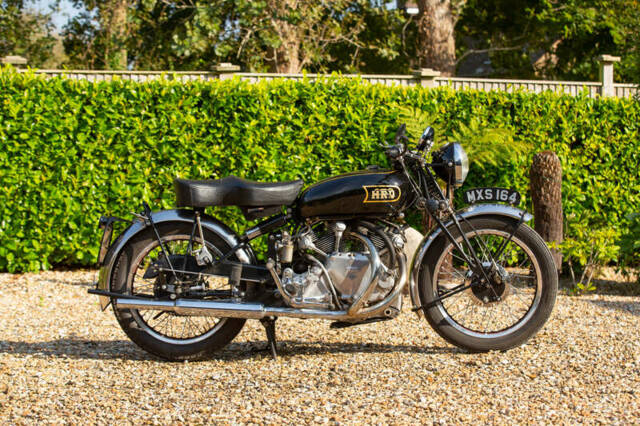
1948 | Vincent Rapide B
1948 Vincent HRD 'Series B' Rapide 998cc
History & Heritage
The story of Vincent is one of uncompromising ambition and technical brilliance that defined the "superbike" era long before the term was coined. It began in 1928 when a young Philip Vincent, an engineering student at Cambridge, purchased the remains of the HRD motorcycle company from Howard Davies for £450. Davies, a racer who had won the Isle of Man TT on his own machines, provided the pedigree, but Vincent provided the vision. Moving the operation to Stevenage, Hertfordshire, Vincent set out to build motorcycles that were not just fast, but technically superior to anything else on the road.
The early years saw Vincent using JAP and Rudge engines, but dissatisfaction with their quality led to the hiring of Australian engineer Phil Irving in 1931. This partnership changed motorcycling history. Irving first designed a high-performance 499cc single-cylinder engine, which powered the Comet and Meteor. Legend has it that in 1936, Irving noticed two drawings of the single-cylinder engine lying across each other in a V-shape. This "accidental" inspiration led to the creation of the 998cc V-twin, an engine that would become the heart of the most famous motorcycles in the world.
The Series A Rapide arrived in 1937, capable of 110 mph—a staggering speed for the time. However, it was the post-war Series B and Series C models that cemented the Vincent legend. These bikes introduced radical features: the engine was a stressed member of the frame (eliminating the traditional down-tube), they featured unique "Girdraulic" forks, and the rear suspension was a precursor to the modern monoshock.
Throughout the 1940s and 50s, Vincent's slogan, "The World's Fastest Standard Motorcycle," was not a marketing gimmick but a statement of fact. The Black Shadow and the racing Black Lightning dominated speed trials and endurance runs globally. Despite their technical superiority, the high cost of production and a shift in the post-war market toward cheaper transport led to the factory's closure in 1955. Philip Vincent famously announced the end of production at a dinner in London, stating that the company would no longer produce motorcycles that didn't meet their high standards just to save costs. Today, the Vincent Owners Club (VOC) keeps the flame alive, ensuring these "Snarling Beauties" remain on the road and in the hearts of collectors.
Highlights & Features
The Vincent lineup, though limited in number, contains some of the most iconic models in motorcycling history. Each represents a different facet of Phil Irving’s and Philip Vincent’s engineering philosophy.
The Vincent Black Shadow (Series B, C, & D)
Produced between 1948 and 1955, the Black Shadow is the definitive Vincent. It was essentially a factory-tuned Rapide, featuring a black-enameled engine and a 150-mph speedometer. With 55 bhp and a top speed of 125 mph, it was the fastest production vehicle on the planet. Its appearance was as striking as its performance, with the black finish on the engine cases intended to help dissipate heat—though it also added a menacing aesthetic that collectors still crave. Around 1,700 were built, and they remain the most sought-after road-going Vincents today.
The Vincent Rapide (Series B, C, & D)
The Rapide was the "grand tourer" of the V-twin range. While slightly less powerful than the Black Shadow at 45 bhp, it was still capable of 110 mph and offered a level of refinement and comfort that was unheard of in the late 1940s. It shared the same innovative "frameless" design and Girdraulic forks (on Series C) as the Shadow. For many enthusiasts, the Rapide represents the best balance of usability and performance, often found in traditional polished aluminium finish rather than the Shadow's black.
The Vincent Black Lightning
The Black Lightning was the ultra-rare, racing version of the Black Shadow. It was stripped of all road gear—lights, mudguards, and speedometers—and tuned to produce 70 bhp. Only about 34 were ever produced, making them the "Holy Grail" for motorcycle collectors. These bikes were responsible for numerous world records, including Rollie Free's legendary 150 mph run at Bonneville in 1948. Ownership of a genuine Black Lightning puts a collector in an elite group.
The Vincent Comet & Grey Flash
For those who preferred the lighter handling of a single, Vincent offered the 499cc Comet and its racing sibling, the Grey Flash. The Comet was a sophisticated single, capable of 90-100 mph, sharing much of the cycle parts and engineering DNA of the V-twins. The Grey Flash was a rare racing variant, famously ridden by a young John Surtees during his apprenticeship at the Vincent factory. These singles offer a more accessible entry point into the brand while still providing the unique Stevenage engineering experience.
Technical Data
Note: Technical specifications can vary significantly due to the hand-built nature of these machines and subsequent modifications by owners over the last 70 years.
Market Overview & Buying Tips
Investing in a Vincent is a significant financial undertaking. These bikes have consistently sat at the top of the classic motorcycle market, often outperforming traditional investments. The market in 2024-2025 remains strong, driven by a global community of wealthy collectors and the absolute scarcity of genuine machines.
Current Price Guide (2024-2025)
Prices in the UK vary based on provenance, originality, and condition. "Matching numbers" is the golden rule for valuation.
- Vincent Black Lightning: Extremely rare. Expect prices to start at £250,000 and reach well over £500,000 for bikes with significant racing history.
- Vincent Black Shadow (Series C): A good, usable example typically commands between £70,000 and £100,000. Exceptional, concours-level bikes can exceed £120,000.
- Vincent Rapide (Series C): More accessible but still premium. Prices generally range from £40,000 to £65,000.
- Vincent Comet: The entry point to the brand. Expect to pay between £18,000 and £30,000 for a well-sorted example.
- Projects: "Barn find" or basket-case V-twins rarely sell for less than £25,000, as the cost of parts and expert labour is substantial.
Buying Tips & Inspection
When buying a Vincent, you aren't just buying a bike; you are buying its history.
- Verify the Numbers: The Vincent Owners Club (VOC) provides an invaluable service. Always check frame, engine, and crankcase numbers against their records. "Upmated" Rapides (Rapides modified to Black Shadow specs) are common; while they ride well, they do not command the same price as an original Shadow.
- Oil Tightness: While no vintage British bike is 100% oil-tight, excessive leaks from the primary chaincase or cylinder bases can indicate warped faces or poor previous assembly.
- The Girdraulic Forks: Check for play in the numerous pivot points. Rebuilding these forks requires specialist tools and knowledge; expect to pay £1,500+ for a professional refurbishment.
- Electrics: Many owners have converted to 12V systems and electronic ignition (such as Alton alternators). While not original, these modifications greatly improve reliability and "find-ability" in modern traffic.
- The Clutch: The unique Vincent "servo" clutch can be temperamental if not set up correctly. Ensure the bike pulls away smoothly without excessive chatter or slipping.
Riding Experience & Performance
Riding a Vincent is an exercise in sensory overload. From the moment you tickle the Amal carburettors and swing on the kickstart, you are aware that this is no ordinary vintage machine. The 1,000cc V-twin fires with a deep, authoritative "thump-thump" that vibrates through the entire chassis. Unlike many of its contemporaries, a Vincent feels surprisingly "long-legged."
On the road, the torque is the most immediate sensation. You don't "rev" a Vincent in the modern sense; you ride the wave of torque from 2,000 rpm upwards. In top gear, a well-tuned Black Shadow will pull cleanly from 30 mph all the way to triple digits without hesitation. The Girdraulic forks, which look so archaic, provide a remarkably stable front end, resisting the "dive" typical of telescopic forks under braking.
However, one must remember the era. The brakes, even the twin-drum setup on the Series C, require a firm hand and plenty of anticipation. The handling is stable on fast, sweeping bends but requires physical effort to hustle through tight corners. It is a bike that rewards a deliberate, "planned" riding style. To ride a Vincent at 70 mph on a modern A-road is to realise just how far ahead of the competition Philip Vincent's team really was—the bike feels comfortable and unstressed at speeds that would leave other 1940s machines rattling themselves to pieces.
Design & Style
The design of a Vincent is a masterclass in "form following function." There is no superfluous styling; every curve of the tank and every bracket on the frame exists for a purpose. The most striking feature is the lack of a traditional frame. The engine acts as the central spine, with the seat subframe and the rear cantilever suspension bolting directly to the cylinder heads and crankcases. This "frameless" look gives the bike a lean, mechanical appearance that has aged incredibly well.
The Series C Girdraulic forks are another design highlight. Made from forged aluminium alloy, they are as much a piece of sculpture as they are a suspension component. Then there is the "Black" finish of the Shadow. In an era of chrome and bright paint, a completely black motorcycle was a radical statement. The contrast between the black engine cases and the polished cooling fins (on some models) creates a visual depth that modern designers still try to emulate.
The cockpit is dominated by the massive 5-inch Smiths speedometer. For many, this dial is the heart of the Vincent experience—a constant reminder that you are aboard a machine capable of speeds that were once considered suicidal. The overall aesthetic is one of muscular elegance; it looks fast even when it is standing still on a paddock stand.
Racing History & Records
Vincent's reputation was forged in the heat of competition and the pursuit of ultimate speed. The most famous image in motorcycling history features a Vincent: Rollie Free, lying prone on a Black Lightning at Bonneville in 1948, wearing nothing but swimming trunks to reduce wind resistance. He clocked 150.313 mph, shattering the American land speed record and making the Black Lightning an instant legend.
In the UK, Vincents were dominant in "Clubmans" racing and hill climbs. Their reliability and massive torque made them ideal for the punishing conditions of post-war circuits. George Brown, a factory tester and racer, became synonymous with the brand, campaigning the famous "Gunga Din" (a modified Rapide) to countless victories. Gunga Din served as the rolling testbed for what would eventually become the Black Shadow and Black Lightning.
Vincents also excelled in sidecar racing, where their sturdy construction and power-to-weight ratio were unmatched. Even after the factory closed, Vincents continued to set records. In the 1970s and 80s, the "Egli-Vincent" (Vincents housed in modern Fritz Egli-designed frames) proved that the 1,000cc V-twin engine was still a competitive powerhouse decades after its inception.
Summary
The Vincent is more than just a classic motorcycle; it is a monument to a specific British engineering ideal. It represents a time when a small team in Stevenage could out-think and out-perform the industrial giants of the world. Whether it is the menacing allure of the Black Shadow or the touring capability of the Rapide, a Vincent offers a riding and ownership experience that is unique in the vintage world.
While the entry costs are high and the maintenance requires dedication, the rewards are equally great. You become a custodian of a machine that once held the world in awe. In a world of mass-produced, plastic-clad motorcycles, the Vincent remains a "Snarling Beauty"—a mechanical masterpiece of steel, aluminium, and sheer speed. For the serious collector, no garage is truly complete without the presence of a Stevenage V-twin.
Why Buy a Vincent Today?
- Engineering Excellence: Features like the stressed-member engine and cantilever rear suspension were decades ahead of their time.
- Investment Potential: Vincents have a proven track record of value appreciation, making them a "blue chip" classic.
- Active Community: The Vincent Owners Club (VOC) provides world-class spares support and technical advice.
Considerations Before Purchase
- Maintenance: These are complex machines that require regular, specialist attention to remain reliable.
- Originality: The high value of these bikes means that "fakes" or incorrectly assembled machines are a risk.
- Physicality: They are heavy, powerful bikes that require a certain level of physical strength and mechanical sympathy to ride well.