- Motorcycle
- Triumph (TWN) (1 offer)
Buy Triumph (TWN) Motorcycles
While the name suggests Coventry, Triumph (TWN) represents a fascinating German chapter in motorcycling history. Based in Nuremberg, the Triumph Werke Nürnberg AG produced advanced split-single two-strokes that offer a unique alternative to their British counterparts.
Search results
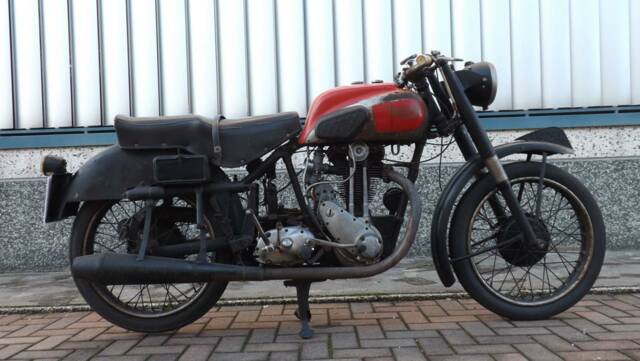

Triumph (TWN) listing references from Classic Trader
Below you will find listings related to your search that are no longer available on Classic Trader. Use this information to gain insight into availability, value trends, and current pricing for a "Triumph (TWN)" to make a more informed purchasing decision.
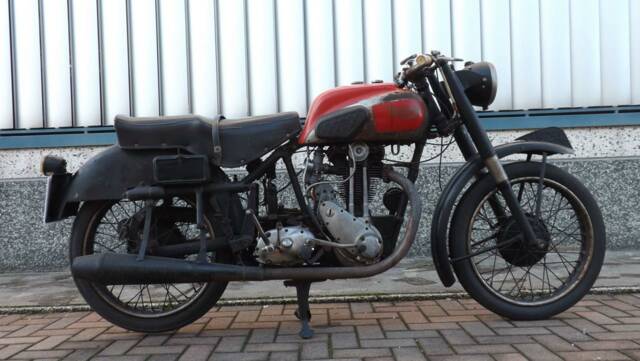
1937 | Triumph (TWN) S 350
-
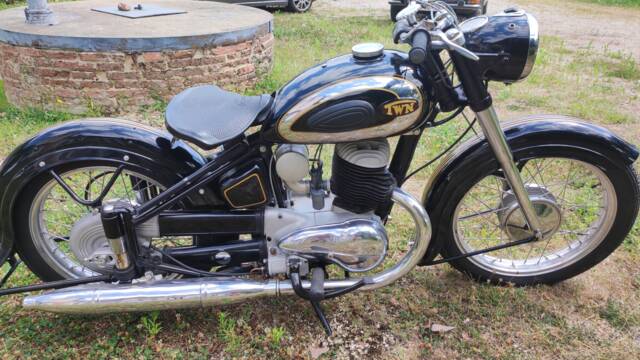
1951 | Triumph (TWN) BDG 250 H
TWN BDG 250 L – 1954 – Matching numbers – Excellent condition

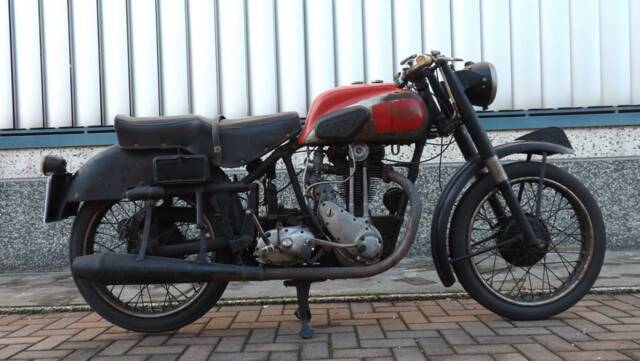
1937 | Triumph (TWN) B 350
-
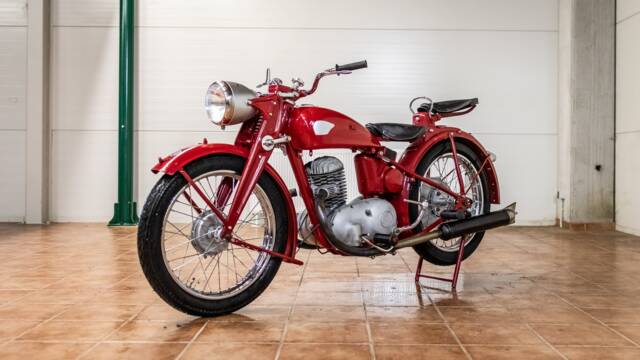
1939 | Triumph (TWN) BD 250
Characterful 250cc motorcycle from the late 1930s

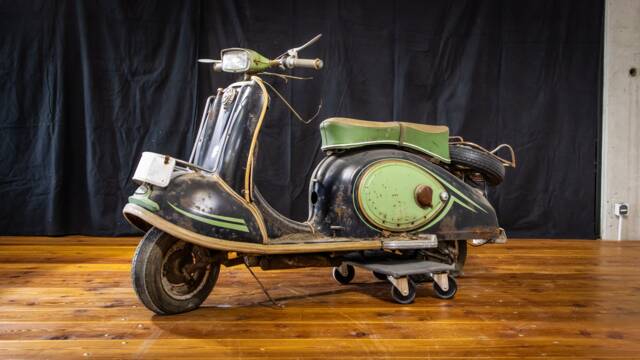
1957 | Triumph (TWN) Tessy
Elegant small scooter from the late 1950s
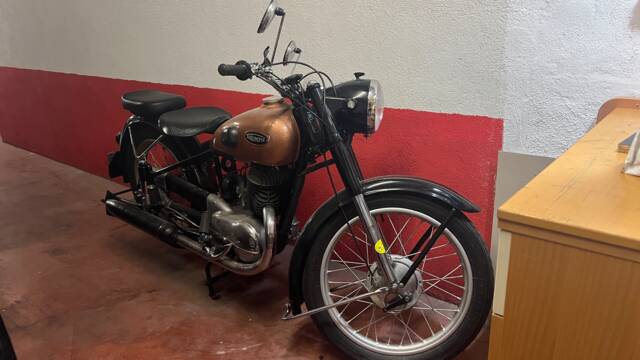
1952 | Triumph (TWN) BDG 250 H
Totally Restored

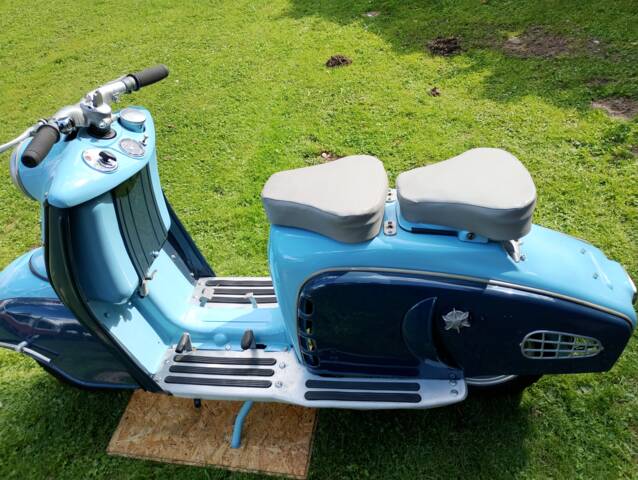
1955 | Triumph (TWN) Contessa
Triumph Contessa 1955

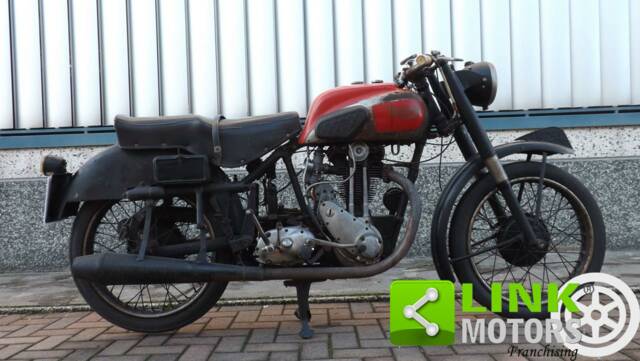
1937 | Triumph (TWN) S 350
TRIUMPH Sport 350 anno 1937 funzionante ( da restaurare )
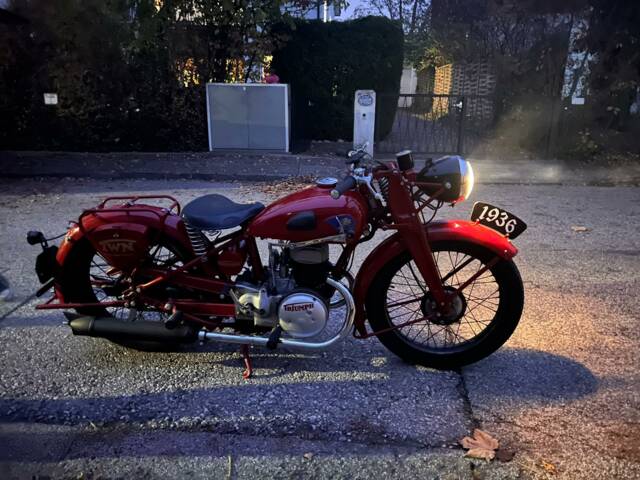
1936 | Triumph (TWN) B 204
Triumph B204 Baujahr 1936 Exklusiv & Museumsreif – Zeitzeugnis mit Seltenheit
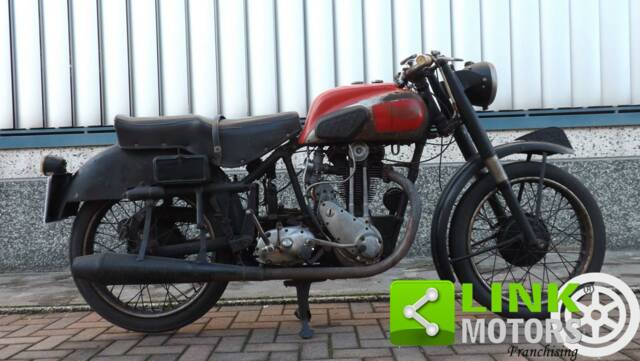
1937 | Triumph (TWN) S 350
TRIUMPH Sport 350 anno 1937 funzionante ( da restaurare )
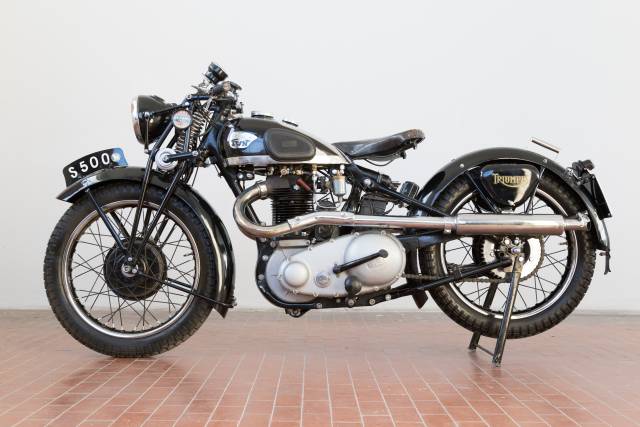
1937 | Triumph (TWN) STM 500
TRIUMPH-TWN-500-S-OHV-1937
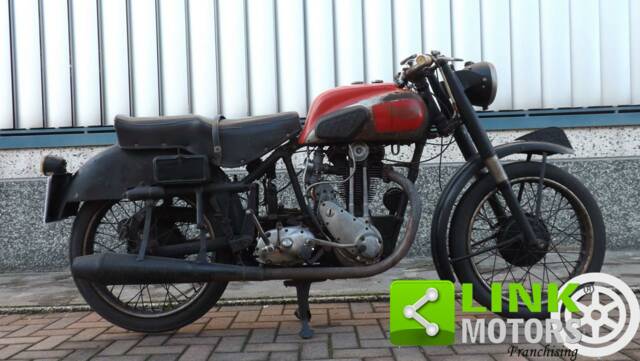
1937 | Triumph (TWN) S 350
TRIUMPH Sport 350 anno 1937 funzionante ( da restaurare )
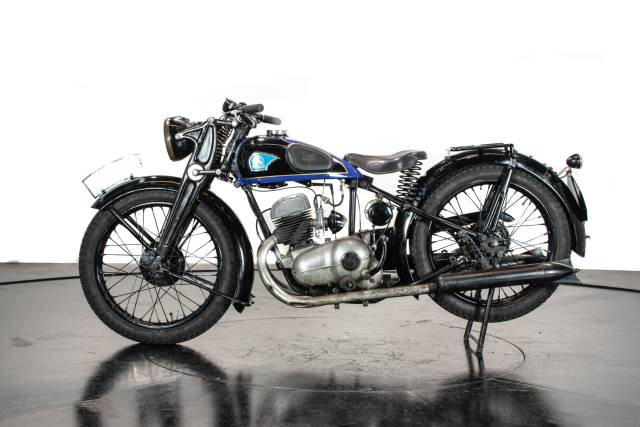
1936 | Triumph (TWN) B 204
-
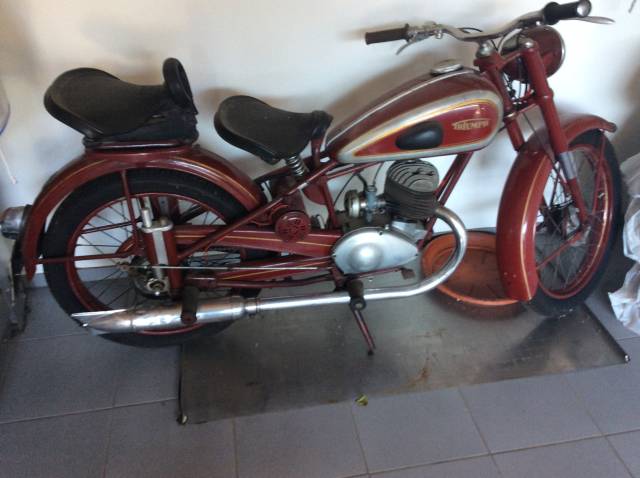
1951 | Triumph (TWN) BDG 125
History
The story of Triumph (TWN) is one of the most frequently misunderstood chapters in European motorcycling. To most British enthusiasts, the Triumph name belongs exclusively to Coventry and later Hinckley. However, the brand’s origins are deeply rooted in a cross-border connection that eventually split into two distinct, independent entities.
Siegfried Bettmann, a native of Nuremberg, moved to England in 1884 and established the Triumph Cycle Company in Coventry. By 1896, he returned to his hometown to set up a German subsidiary, the New Triumph Co. Ltd. Initially, the two factories worked in tandem, sharing designs and British-made components. The first Nuremberg-built motorcycle appeared in 1903, often utilizing engines from Fafnir or Minerva.
The Great War marked the beginning of the end for this partnership. Geopolitical tensions and economic pressures in the post-war years made a formal separation inevitable. By 1913, the German arm became legally independent as Triumph Werke Nürnberg AG (TWN). For a brief period in the 1920s, due to trademark disputes, some German models were even marketed under the name Orial before TWN secured the rights to use the Triumph name within Germany.
The defining technical era for TWN began in the 1930s with the arrival of engineer Otto Reitz from NSU. Reitz steered the company away from British-style four-strokes towards advanced two-stroke technology. His masterpiece was the split-single (Doppelkolben) engine. Unlike a standard single-cylinder engine, the split-single features two pistons sharing a common combustion chamber, connected via a forked con-rod. This design improved scavenging and cooling, offering the smoothness of a four-stroke with the simplicity of a two-stroke.
The BD 250, launched in 1939, became the flagship of this technology. Its robust nature led to its adoption by the Wehrmacht during the Second World War, though many civilian versions also showcased the brand's engineering prowess. After the devastation of the war, TWN resumed production in 1948. They refined the split-single design with models like the BDG 250 and the powerful Boss 350.
By the mid-1950s, the German motorcycle market faced a sharp decline as the public turned towards small cars. In 1956, TWN merged with the typewriter manufacturer Adler to form Triumph-Adler. Motorcycle production ceased immediately, leaving behind a legacy of high-quality, technically unconventional machines that remain a rarity on British roads today.
Highlights
Triumph (TWN) motorcycles are defined by their engineering integrity and their refusal to follow the herd. While British manufacturers stuck to traditional pushrod singles and twins, TWN perfected the two-stroke.
The Split-Single Engine is the undisputed highlight of the brand. It isn't just a technical curiosity; it provides a riding character unlike anything else. The exhaust note is a rhythmic, muffled thrum, lacking the frantic "ring-ding" of a conventional two-stroke. For the collector, this engine represents a peak of German "Wirtschaftswunder" engineering.
The BD 250 stands as a pre-war and wartime icon. It was one of the first mass-produced motorcycles to use an aluminium cylinder with a pressed-in liner, a feature that was years ahead of its time. Its durability made it a favourite in harsh conditions, and surviving examples are highly prized by military vehicle enthusiasts and classic collectors alike.
In the post-war era, the BDG 250 H introduced modern comforts like telescopic forks and plunger rear suspension. It was a sophisticated mid-range tourer that competed with the likes of the BSA C11 or the Royal Enfield Clipper but offered a much more refined mechanical experience.
The Boss 350 was the ultimate expression of the TWN philosophy. With its 350cc split-single engine, it was a heavy-duty machine capable of sidecar duty and long-distance travel. Its broad engine cases and substantial presence make it the most sought-after post-war TWN for those who value performance.
Finally, the Tessy and Contessa scooters represent TWN’s final flourish. These weren't just cheap commuters; they used the same split-single technology as the bikes, making them some of the most over-engineered and smooth-running scooters of the 1950s.
Technical Data
The technical specifications of TWN motorcycles reflect their progression from British-influenced designs to German two-stroke specialists.
The split-single layout used by TWN (and notably Puch) is technically fascinating. By using two pistons in one cylinder, the engine achieves asymmetrical port timing. This means the exhaust port can close before the transfer ports, allowing for a degree of "supercharging" effect and much better fuel efficiency than a standard piston-ported two-stroke. It also allows for a central spark plug position, which improves combustion.
Market Overview & Buying Tips
The UK market for Triumph (TWN) is small but dedicated. Because of the shared name with the British Triumph, these bikes often pop up at auctions where they are sometimes mislabelled or misunderstood. This lack of awareness can lead to opportunities for the savvy buyer, but it also means that finding parts and expertise in the UK requires a proactive approach.
Current Market Position
In the UK, TWN motorcycles are significantly rarer than their British namesakes. Most examples in the country were either imported by service personnel returning from Germany after the war or brought over by collectors in recent decades. Consequently, you won't find one at every local bike meet.
Auction results from houses like H&H Classics and Bonhams show that prices for TWN models remain relatively affordable compared to high-end British twins, yet they hold a steady premium over generic post-war lightweights. A restored BDG 250 might fetch between £3,500 and £5,500, while a rare Boss 350 in excellent condition can exceed £7,500. Scooters like the Tessy or Contessa occupy a niche within the vintage scooter scene, typically selling for £1,500 to £3,500 depending on their restoration state.
Estimated Price Ranges (2024–2025):
- BD 250 (Pre-war/Military): £3,000 – £6,500 (higher for documented military history)
- BDG 250 / 250 H: £2,500 – £5,500
- Boss 350: £4,500 – £8,500+
- Cornet / Tessy: £1,200 – £4,000
Inspection Advice
When buying a TWN, the engine condition is paramount. While the split-single design is robust, it requires specific knowledge to rebuild correctly. Listen for "piston slap" or excessive bottom-end noise. Parts like piston rings and gaskets are not available at your local motorcycle shop; you will likely need to source them from specialists in Germany or the Netherlands.
Completeness is the second most important factor. Original tinware, such as the distinctive tanks and mudguards, is extremely difficult to find if missing. Ensure the original Bing carburettor or the specific TWN-branded air filters are present, as these are often replaced with non-standard parts that can affect the bike's unique running characteristics.
For UK buyers, the registration status is a critical point. If the bike is a recent import, ensure it has the correct NOVA (Notification of Vehicle Arrivals) clearance. If it lacks a V5C, you will need to apply for an age-related plate through the DVLA. This usually requires a dating letter. Since there is no dedicated TWN owners club in the UK, the Vintage Motor Cycle Club (VMCC) or the Triumph Owners' Motor Cycle Club (TOMCC) are your best ports of call for authentication. Note that the TOMCC primarily deals with British Triumphs, but their archive services may be able to assist with machines from the Nuremberg era.
Performance
Riding a Triumph (TWN) is an exercise in mechanical refinement. If you are used to the vibration and noise of a BSA Bantam or a Villiers-powered lightweight, the TWN will come as a shock.
The split-single engine delivers power with a linear, almost electric feel. There is no sudden power band; instead, there is a surprising amount of low-end torque for a small-capacity two-stroke. This makes the BDG 250 an excellent companion for B-road touring. It will comfortably cruise at 45–55 mph, with a top speed approaching 65 mph.
The handling of the post-war models is typical of the era—stable and predictable. The BDG 250 H with its plunger rear suspension offers a much more settled ride over modern, uneven road surfaces than a rigid-framed bike. The telescopic forks are well-damped for a 1950s design.
The Boss 350 provides a more muscular experience. It feels heavier and more substantial, suited for those who want to cover longer distances or perhaps even attach a period-correct Steib sidecar. The brakes on all TWN models are adequate for their performance, but like all drum brakes of the period, they require a firm hand and plenty of foresight.
The most memorable part of the performance is the sound. It’s a deep, "puffing" noise that is remarkably quiet. At idle, the twin pistons produce a unique cadence that always draws a crowd at classic gatherings.
Design
The design language of TWN is rooted in the "New Objectivity" (Neue Sachlichkeit) of German industrial design. There is a lack of superfluous ornamentation; every line serves a purpose.
In the pre-war BD 250, the design is dominated by the teardrop tank and the clean, black-enamelled frame. The use of aluminium for the cylinder was as much a visual statement as a technical one, giving the engine a bright, modern look compared to the cast-iron blocks of its contemporaries.
The post-war BDG series evolved this look into the "Economic Miracle" era. Chrome became more prevalent, especially on the tank panels and exhaust systems. The integrated look of the engine and gearbox units, often finished in a high-quality silver or grey, gives the bikes a cohesive, engineered appearance.
The Cornet 200 was perhaps the most "modern" looking of the range, with a streamlined headlight nacelle and enclosed rear bodywork that hinted at the upcoming scooter craze. It was an attempt to make the motorcycle look more like a consumer product and less like a piece of machinery.
The Tessy scooter is a masterclass in 1950s kitsch. Its bulbous fairings and small wheels are the antithesis of the functional BDG motorcycles, yet underneath the skin, it retains the same rigorous engineering standards. For the UK collector, a TWN scooter is a fantastic "left-field" choice that stands out against the sea of Vespas and Lambrettas.
Summary
Triumph (TWN) represents a bridge between British heritage and German engineering excellence. For the UK enthusiast, owning a TWN is a way to own a "Triumph" that is genuinely different. It offers the chance to explain a forgotten piece of history every time you park up.
Whether you are drawn to the technical brilliance of the split-single engine, the rugged history of the BD 250, or the 1950s charm of the Contessa scooter, TWN offers a high-quality alternative to the more common marques. The bikes are well-built, reliable, and provide a riding experience that is far more refined than their displacement suggests.
While parts and specialist knowledge require a bit more effort to find than for a BSA or a Norton, the rewards of owning such a rare and conversation-starting machine are immense. Find your Triumph (TWN) on Classic Trader and discover the German side of a world-famous name.
Buy a piece of Nuremberg history and experience the unique charm of the split-single – discover now the range of TWN motorcycles currently available.