- Motorcycle
- SWM (2 offers)
Buy SWM Motorcycle
SWM is one of the sharpest names from Italy's off-road boom of the 1970s and early 1980s. For British buyers, the appeal is not only the world title and the rare classics, but also the deep UK link through trials culture, Isle of Man history and the still-active parts scene.
Search results
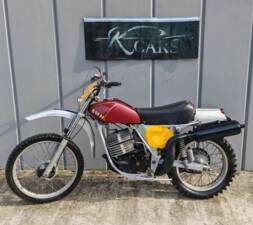
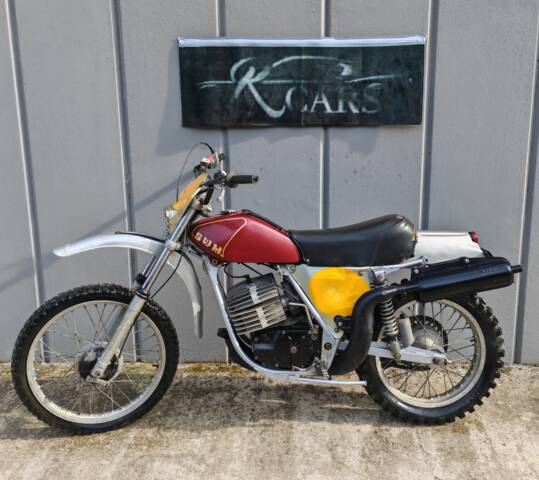
1977 | SWM RS 250 GS
SILVER VASE !!!

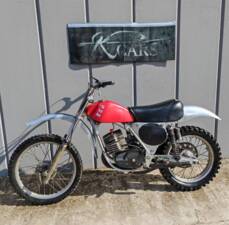
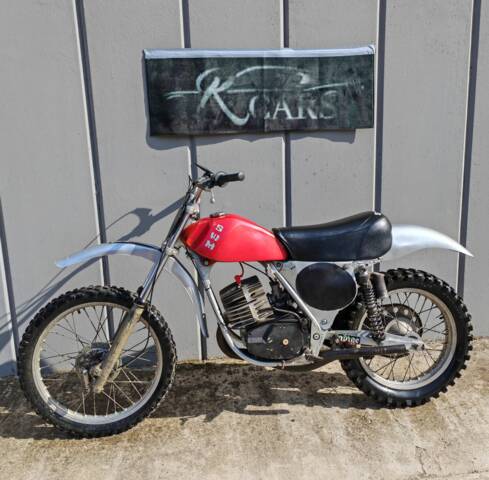
SWM listing references from Classic Trader
Below you will find listings related to your search that are no longer available on Classic Trader. Use this information to gain insight into availability, value trends, and current pricing for a "SWM" to make a more informed purchasing decision.
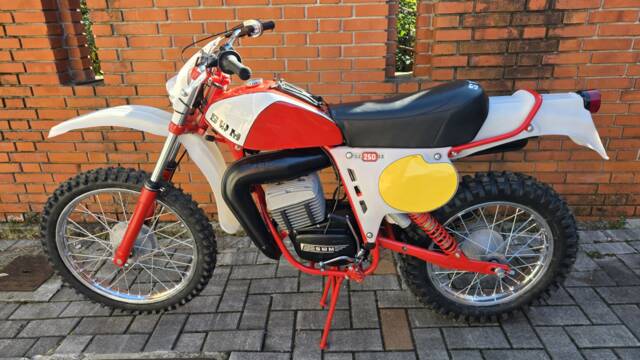
1978 | SWM RS 250 GS
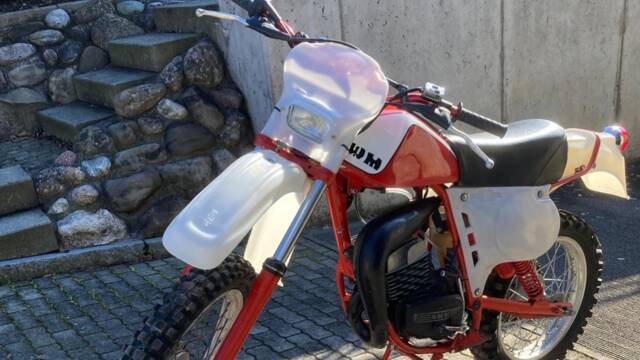
1980 | SWM RS 125 GS
SWM Enduro Sammlung zu Verkaufen

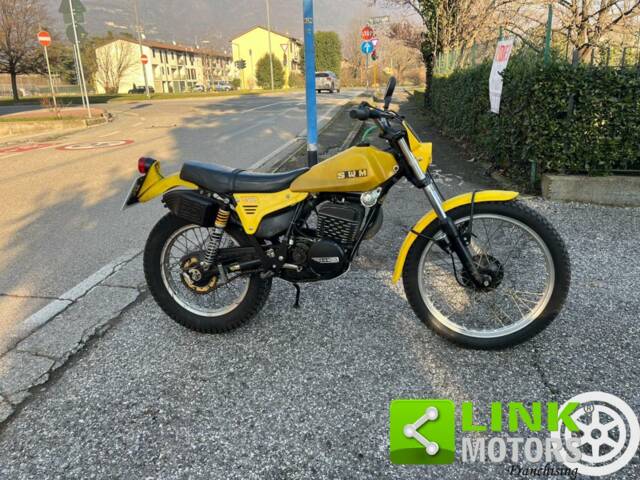
1982 | SWM TL 300
SWM TL MW 320 TRIAL
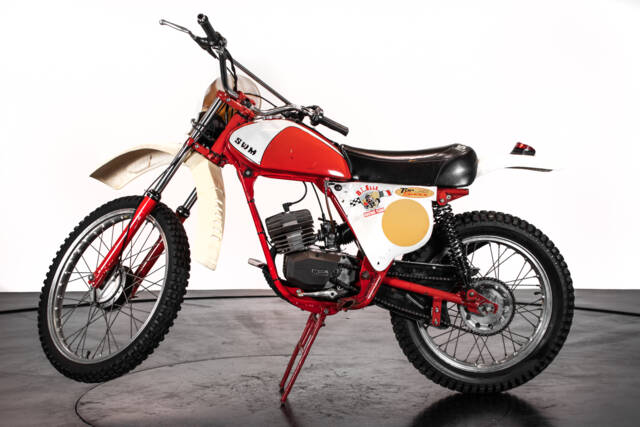
1978 | SWM 50 RBS
-
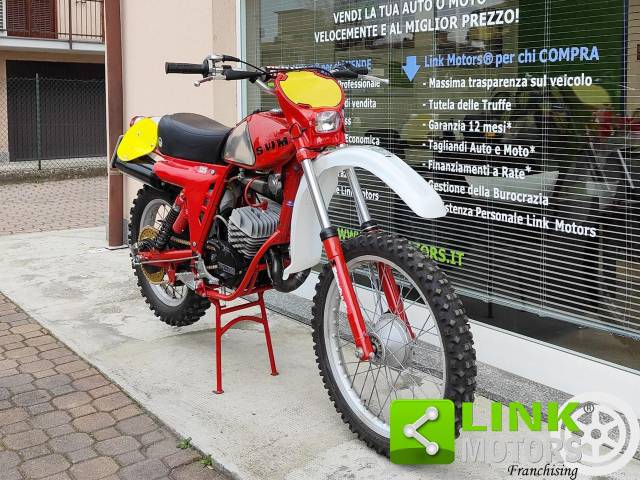
1978 | SWM RS 125 GS
SWM RS-GS 125 1978
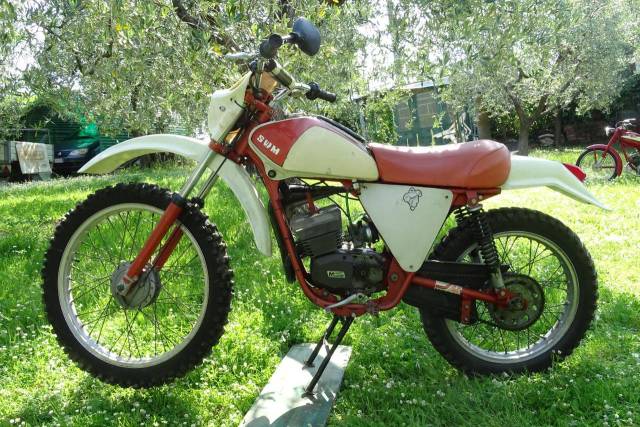
1974 | SWM 50
SWM MK 50 RBS RB 50
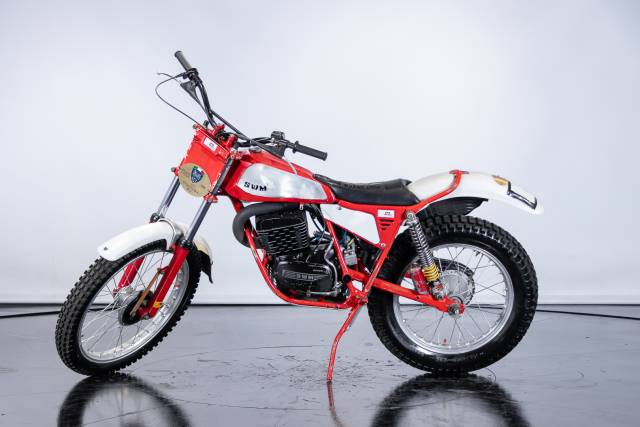
1977 | SWM TL 320
-
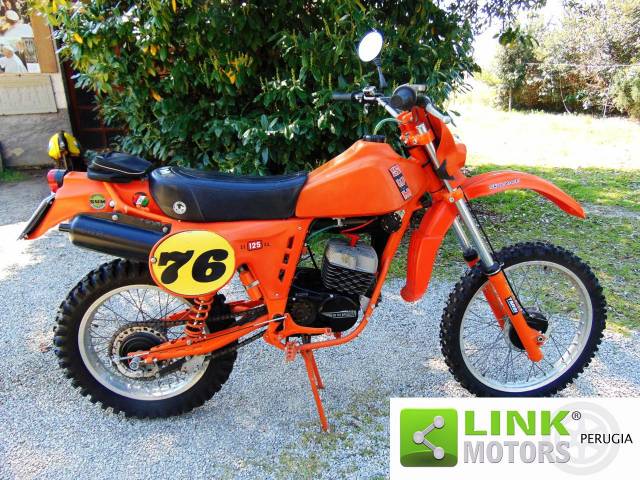
1981 | SWM RS 125 GS
SWM RS-GS-125
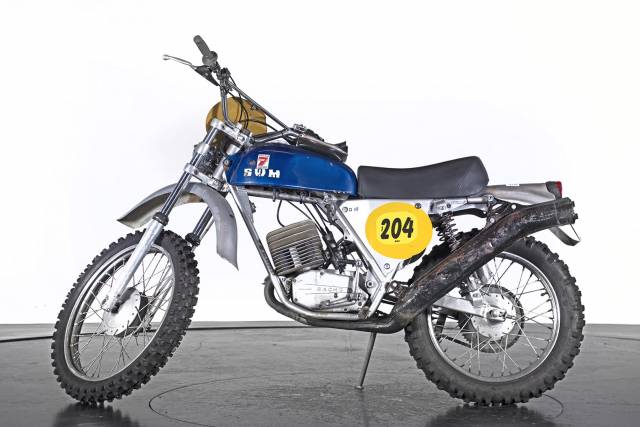
1974 | SWM GS 125
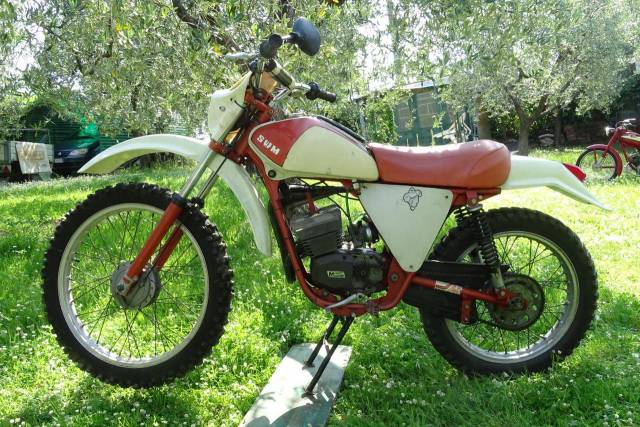
1974 | SWM 50
SWM MK 50 RBS RB 50
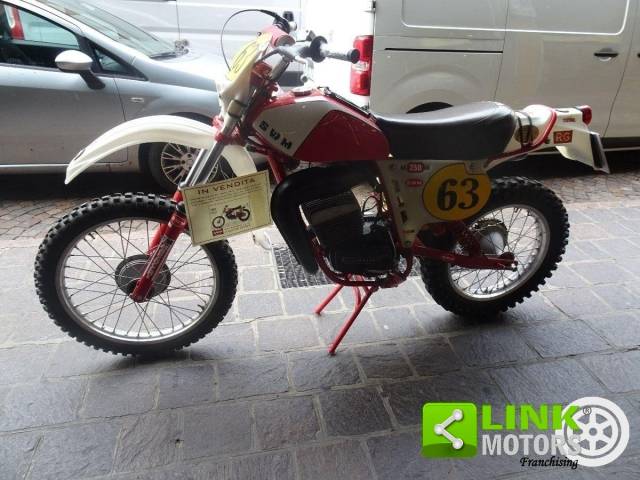
1977 | SWM RS 250 GS
Swm - RS-GS 250 - Targa Oro Asi
History
SWM stands for Sironi Vergani Vimercate Milano, a name that sums up both the people and the place behind the marque. The company was founded in 1971 in Vimercate, near Milan, by Piero Sironi and Fausto Vergani, two enthusiasts who wanted to build competitive off-road motorcycles with proper factory intent rather than compromise. In a period when the European dirt-bike market was defined by racing ambition, clever chassis work and constant development, SWM arrived with a clear purpose: build light, practical machines that could win in trials, enduro and motocross.
The first SWM motorcycles appeared in 1972 and were powered by Sachs engines, mainly in 100cc and 125cc form. Those early machines established the brand identity straight away. They were slim, purposeful and made for hard use, not showrooms. Their success came quickly because SWM did not try to be everything to everyone. It focused on the disciplines that rewarded balance, traction and durability, especially trials and long-distance off-road competition.
By the mid-1970s SWM had moved from promising newcomer to serious specialist. The Six Days models, launched from 1972, became the key starting point for collectors. Their name connected SWM to the International Six Days Trial/Enduro, the toughest team event in the off-road world, and that connection matters especially in the UK, where the event has long carried prestige among riders and historic competition entrants. The Six Days machines were light, simple and built for endurance, which is exactly why they still attract attention today.
The biggest technical step came in 1977, when SWM adopted Rotax disc-valve engines. This was the period that really defines the marque for many British collectors. The Rotax units gave SWM a stronger technical identity and a more mature ride feel. Importantly, the development work had input from Sammy Miller, the British trials legend whose influence still resonates in the classic scene. That link gives SWM a genuine British dimension, not just a market one. The connection to Miller also helps explain why SWM machines feel at home in UK twinshock trials today.
The same era brought the RSGS / RS-GS family, beginning in 1977, and the later TF1 and TF3 enduro models, produced from 1979 to 1983. These machines extended SWM's appeal beyond trials into serious enduro use, including bigger-capacity versions up to 440cc. The line-up was broad for such a small manufacturer, but the common theme was always the same: competition hardware, compact dimensions and no unnecessary weight.
SWM's reputation peaked in 1981, when Gilles Burgat won the Trial World Championship on a SWM TL 320. For a maker with limited production and a relatively short run, that was a major statement. It confirmed that SWM was not just a charming boutique Italian brand; it was capable of beating the best in the world. In the same broader period, SWM also achieved major success at the 1975 ISDT on the Isle of Man, winning the Silver Vase. That is a particularly strong UK touchpoint, because the Isle of Man event sits close to British motorcycling memory and still carries enormous prestige among classic off-road fans.
The company produced roughly 40,000 to 60,000 motorcycles in total before its original run ended in 1984, when bankruptcy brought production to a halt. Yet the story did not finish there. After the bankruptcy, British firm Armstrong of Bolton bought the rights to the XN Tornado and developed the military-style Armstrong MT500 with CCM involvement. Later, Harley-Davidson acquired the rights in 1986 and evolved the design into the MT350E. For UK buyers, that lineage is unusually important: it ties SWM directly into a British military-bike chapter that many collectors know and respect.
SWM returned in 2014 under the Shineray Group, but the classic interest remains focused on the original bikes from 1972 to 1984. Those are the motorcycles that define the market on Classic Trader: small numbers, strong competition background and a very distinct place in off-road history.
Highlights
What makes SWM so appealing to collectors is the blend of rarity, usability and real sporting credibility. Unlike some small marques that produced charming but underdeveloped machines, SWM built motorcycles that were meant to be ridden hard. They were not luxurious, and they were never produced in huge numbers. Instead, they were carefully engineered tools for trials and enduro riders who wanted a machine with a genuine factory feel.
The strongest collector models are easy to identify:
SWM Six Days 100/125cc (from 1972)
These are the earliest SWM classics and remain highly desirable because they show the brand in its original Sachs-powered phase. For many buyers, they represent the purest early SWM identity. In the UK, a 1975 SWM 125 Six Days has been seen at around £5,290, which gives a solid benchmark for a good car-and-classic style bike with appeal beyond pure rarity.
SWM RSGS / RS-GS (from 1977)
This is the model family where the Rotax partnership really changed everything. The disc-valve engine gave the bike a stronger competition edge, and the chassis package made these machines highly relevant to classic off-road use. They are among the most practical SWMs to own because parts support is better than many expect.
SWM TF1 / TF3 Enduro (1979–1983)
These bikes are important for riders who want a classic enduro rather than a static display piece. The later TF3 versions are especially interesting because they show how SWM refined its concept in the final years. Larger-capacity bikes up to 440cc are scarce and deserve careful inspection, but they are also some of the most characterful SWMs to ride.
SWM TL 320 / TL 125 / TL 350 Jumbo Trials (1977–1984)
The TL series is the heart of SWM's UK reputation. Trials is where the brand feels most at home, and the TL 320 is the machine that delivered the world title in 1981. The TL 350 Jumbo is particularly desirable because it combines the bigger-capacity Rotax motor with the distinctive late-period SWM trials look.
SWM XN Tornado
Not a classic trials bike in the same sense, but vital for British collectors because of its afterlife in the Armstrong MT500 and Harley-Davidson MT350E military bikes. If you are interested in UK-built military derivatives, the SWM link is a compelling footnote.
For British buyers, the brand's charm also lies in the riding culture around it. SWM fits perfectly into the twinshock trials scene, where simple mechanical layouts, period correctness and achievable maintenance matter more than outright performance numbers. The bikes are small enough to feel authentic in a classic section, yet substantial enough to be respected on a national event entry list.
Technical Data
For buyers, the important point is that SWM's classic range was engineered around a few common themes: light weight, competition geometry and strong component sourcing. Marzocchi suspension, Acerbis plastics and Rotax engines are all part of the brand's appeal. These are not obscure one-off parts-bin specials; they are a coherent family of purpose-built off-road motorcycles.
Market Overview
The SWM market in Great Britain is small, but it is active enough to matter. On Classic Trader there are usually only a handful of current UK listings, often around 2 to 4 motorcycles at a time. That scarcity suits the make. SWM has always been a specialist purchase, and the bikes now tend to appear in the hands of riders who know exactly what they are looking at.
Current UK pricing gives a good sense of the market:
- SWM GS 125 (1981): around £5,500 on carandclassic.com
- SWM Jumbo 350 Trials: around £3,150 on carandclassic.com
- SWM 125 Six Days (1975): around £5,290 on Classic Trader UK
- SWM RS 125R (1976): about €2,500 on the continent, showing that UK prices are often slightly firmer for the right machine
That spread tells you a lot. The smaller trials bikes are often the most accessible point of entry, while original early Six Days machines can command strong money when they are complete and well restored. The TL trials bikes are especially relevant for British buyers because they suit VMCC events, club trials and twinshock competition. In other words, the market is not just collector-led; it is rider-led as well.
Several factors shape value:
- Originality: Correct tanks, side panels, hubs and period-correct controls matter a lot.
- Engine type: Rotax bikes are usually more sought after because parts support is stronger.
- Model rarity: TL 320 and TL 350 Jumbo machines attract the keenest attention.
- Condition: Restored bikes with photo evidence and genuine period parts sell best.
- UK provenance: British-market bikes or machines with known club-history can be easier to place.
For practical ownership, the support network is still better than many people expect. MotoSWM in the UK remains a key specialist for knowledge, parts and problem-solving. That matters hugely in a market where many motorcycles have spent decades in competition use. Rotax spares are still available through specialist channels, and Acerbis plastics have been reproduced by different suppliers and restorers. The result is that a good SWM is not a museum-only proposition.
From a buyer's perspective, the best value often sits in the middle of the range. A tired but complete TL or TF bike can be a much better purchase than an over-restored showpiece with missing original details. Because the production run was relatively small, originality and correct specification are rewarded more than shiny paint.
Performance
Riding a classic SWM tells you immediately why the brand earned its reputation. These bikes were built to work in the awkward, technical parts of off-road competition: wet cambers, slow climbs, deep mud and rocky sections where balance matters more than brute force. They feel direct, compact and honest.
The TL trials bikes are the purest expression of that character. The TL 320 is especially famous because it sits right in the sweet spot between manageable weight and usable torque. It does not feel intimidating. Instead, it gives a rider enough engine to clean sections without losing the relaxed, predictable response that trials demands. That is part of the reason Gilles Burgat could take a world title on one: the bike allowed skill to shine through.
The Rotax disc-valve motor is a big reason SWM feels distinct. It delivers a clean, controlled response with a slightly mechanical, old-school urgency that modern bikes no longer have. In the woods or on a trial section, that means the engine picks up neatly without becoming snappy. For classic enduro use, the TF models translate that same character into a more all-round package.
The TF1 and TF3 bikes are not as famous as the TLs, but they are arguably better for mixed riding. They have more stretch in the powerband and feel stable enough for long club events. A well-set-up TF can still surprise modern riders because it is light, narrow and easy to place. The bigger 440cc versions add a satisfying wallop, though they demand care if the frame, gearbox or suspension has been neglected.
The early Sachs-powered Six Days bikes ride more simply. They are lighter in feel and very period-correct, but they lack some of the sophistication of the later Rotax machines. That said, many collectors like them precisely because they feel like a snapshot of SWM's first chapter. They are honest, straightforward and very much of their time.
For British owners, SWM performance is often measured less in outright speed and more in adaptability. In a VMCC environment or a twinshock event, the bikes are competitive without feeling over-restored or over-tuned. They start a conversation in the paddock, but they also finish sections and long trail loops without complaint if maintained properly.
Design
SWM's design language is one of the reasons the bikes remain so recognisable. They have the compact, function-first look of a true 1970s Italian off-road machine. There is little excess, and that restraint gives them lasting visual appeal. They look like tools, but elegant ones.
The earliest bikes from the Six Days era carried a simple, workmanlike appearance with straightforward bodywork and a clear competition focus. As the brand moved into the Rotax years, the machines became more sharply defined. The RSGS and later TF bikes gained the stronger visual identity that collectors now associate with SWM: slim tank, narrow seat, purposeful frame and bright period colours.
Colour and finish matter a great deal in the classic market. Many enthusiasts look for the correct orange, white or red combinations depending on the year. On the later TF1 and TF3 bikes, the bodywork and graphics became part of the appeal, especially when the original plastics survive. A good bike with correct panels, proper badges and authentic decals can stand out immediately in a field of more generic twinshock machinery.
The brand also benefited from the quality of its component suppliers. Marzocchi suspension, Grimeca and Acerbis parts helped SWM look and feel like a serious factory effort. Even today, collectors appreciate those names because they are part of the period story. A SWM is not merely an engine in a frame; it is a carefully assembled piece of Northern Italian competition culture.
The British connection deepens the design story. The influence of Sammy Miller on the Rotax trials development gives the TL bikes an added layer of authenticity for UK enthusiasts. And because so many British riders know the classic trials scene through clubs, museums and local events, SWM's stripped-back style fits naturally into the ecosystem. You can easily imagine one parked outside the Sammy Miller Museum in Hampshire and being admired for its purposeful engineering.
Other
SWM's motorsport legacy is wider than its production numbers suggest. In the world of classic collecting, that matters because a good story often helps keep a niche marque alive. SWM's story has several strong chapters.
The 1975 Silver Vase win at the Isle of Man ISDT is perhaps the most UK-relevant of them all. The Isle of Man is already a special place in British motorcycle history, and a class win there gives SWM a genuine place in the memory of off-road competition. It is exactly the sort of result that turns a small Italian factory into a respected name among British enthusiasts.
The 1981 Trial World Championship won by Gilles Burgat on the TL 320 is the headline sporting achievement, but it is not the only important one. SWM was a regular and credible presence in international competition, and that gave its machines a hard-earned reputation that still supports values today. Buyers respond to that kind of authenticity.
The Armstrong / CCM / Harley-Davidson chain is another unusually British part of the story. After SWM collapsed, the rights to the XN Tornado travelled to Armstrong of Bolton, where the bike evolved into the MT500 with involvement from CCM. Then Harley-Davidson took over and produced the MT350E. That is a remarkable export of Italian off-road engineering into British military motorcycling, and it is one reason SWM is remembered by more than just trials fans.
Parts support also remains a practical strength. MotoSWM in the UK is one of the best-known specialist resources for SWM owners. For a buyer, that is a major confidence factor. Classic motorcycle ownership is always easier when there is a specialist who understands the exact model family and can source or reproduce the right details.
For collectors, SWM sits in a sweet spot: rare enough to feel special, but not so rare that ownership becomes impossible. The best bikes combine period-correct parts, good mechanical health and a clear history of use or restoration. That makes them attractive to riders who want to compete, as well as to collectors who value original Italian off-road engineering.
Summary
SWM is a small brand with a big reputation. Founded in 1971 and active through 1984, it produced a compact range of trials and enduro motorcycles that still matter in the classic market today. For Great Britain, the appeal is even stronger because SWM connects naturally to the UK twinshock scene, the Isle of Man ISDT, Sammy Miller's trials legacy and the long afterlife of the Armstrong MT500 and Harley-Davidson MT350E.
If you want the most desirable collector bikes, start with the Six Days 125, the TL 320, the TL 350 Jumbo and the better TF1 / TF3 enduro models. If you want the best ownership experience, focus on a bike with good originality, sound Rotax components and evidence of proper maintenance. A complete, honest SWM is usually a better buy than a shiny but over-restored one.
Current UK market prices show that SWM remains accessible compared with many blue-chip classics, but the best examples are already commanding serious money. With values such as £3,150 for a Jumbo 350, £5,290 for a 1975 Six Days 125 and £5,500 for a GS 125, the market is clearly rewarding the right bikes.
For British buyers who want a classic off-road motorcycle with genuine sporting roots, real character and still-usable parts support, SWM is a very strong choice. Find the right one, and you get a classic that is compact, competitive and deeply rooted in the golden age of European trials and enduro.