- Motorcycle
- Rickman (2 offers)
Buy Rickman motorcycle
Rickman sits at the sharp end of British special-building: nickel-plated Reynolds 531 frames, carefully chosen engines and real racing pedigree. If you want a classic motorcycle that feels closer to a works special than a production bike, Rickman is where the search starts.
Search results
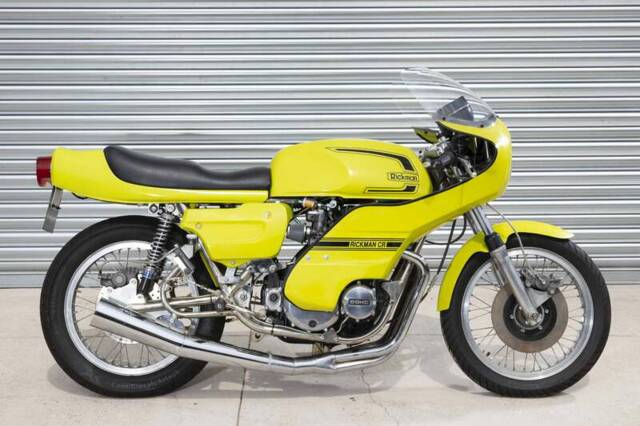
1975 | Rickman Kawasaki CR
1975 Rickman CR Kawasaki 1,015cc

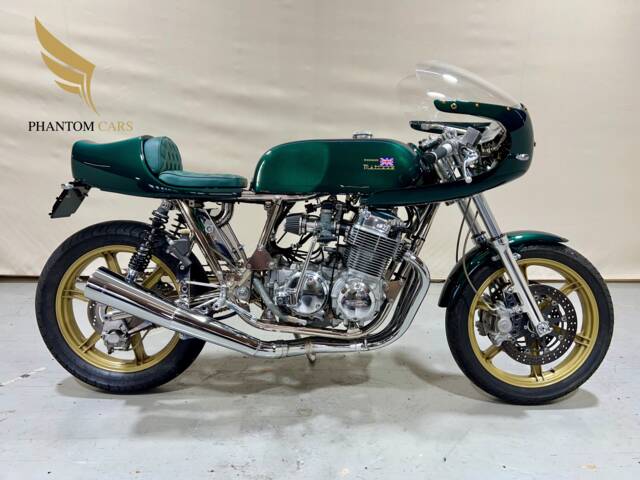
1973 | Rickman Honda CB 750 Four
*** SEHR SELTEN *** Komplett Restauration über Fr. 25'000.- *** Perfekter Zustand *** Eintausch & Finanzierung möglich ***

Rickman listing references from Classic Trader
Below you will find listings related to your search that are no longer available on Classic Trader. Use this information to gain insight into availability, value trends, and current pricing for a "Rickman" to make a more informed purchasing decision.
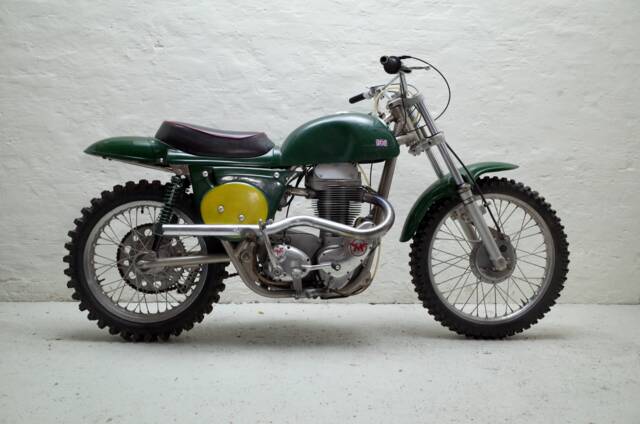
1985 | Rickman Metisse Mk III
1985 Rickman Metisse MRD. Two owners from new, first owner Doug Desborough

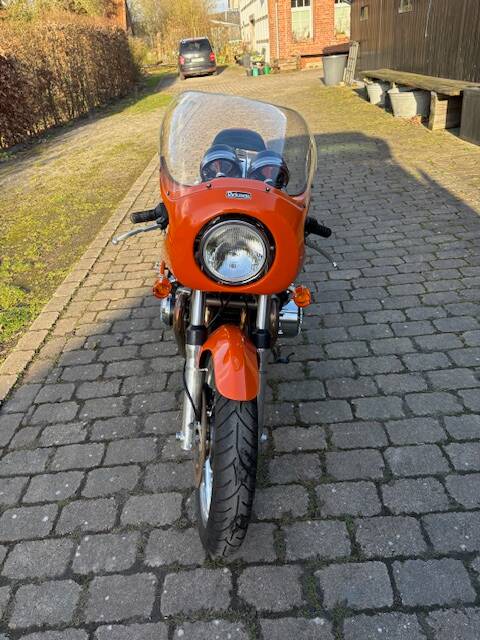
1975 | Rickman Honda CR 750 Four

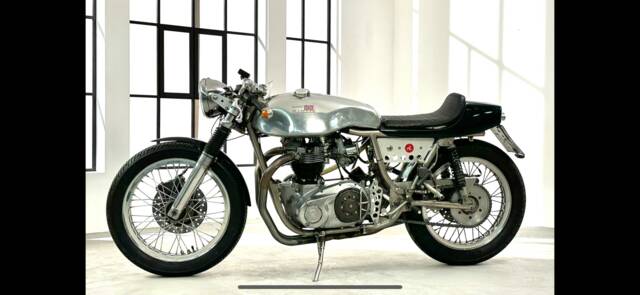
1973 | Rickman Metisse Mk III

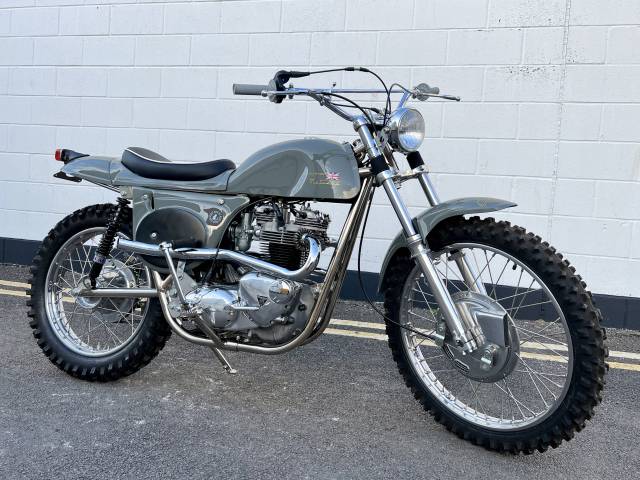
1971 | Rickman G 50 Metisse
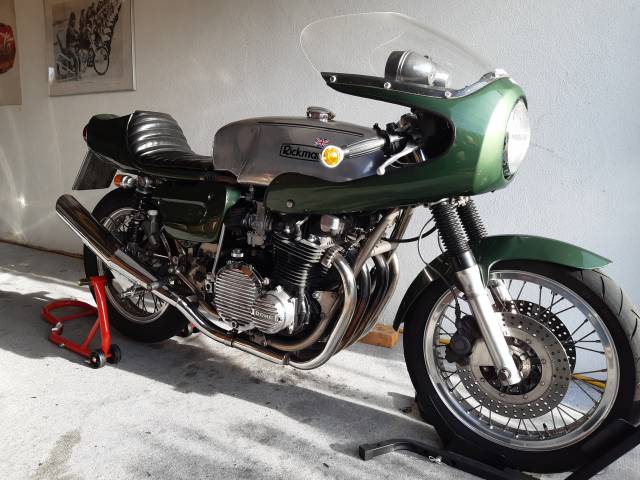
1980 | Rickman Kawasaki CR 1000
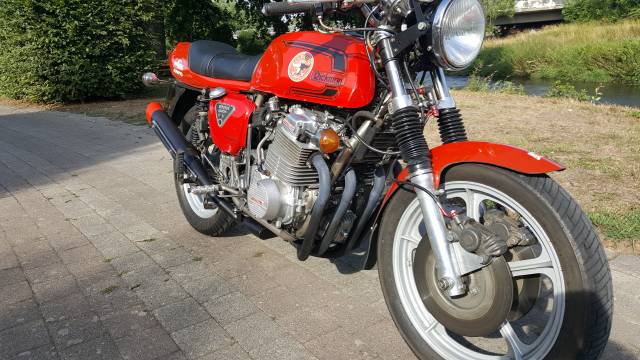
1977 | Rickman Honda CR
CR 750 - JAPAUTO 1000 VX
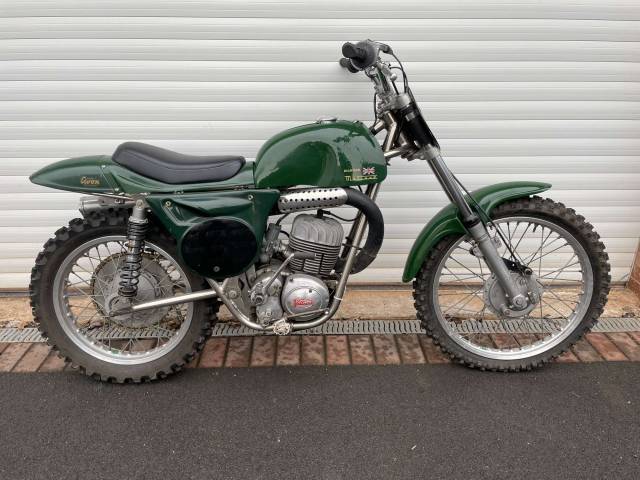
1967 | Rickman Metisse 250
c1967 Rickman Metisse "Petite" Starmaker 250cc
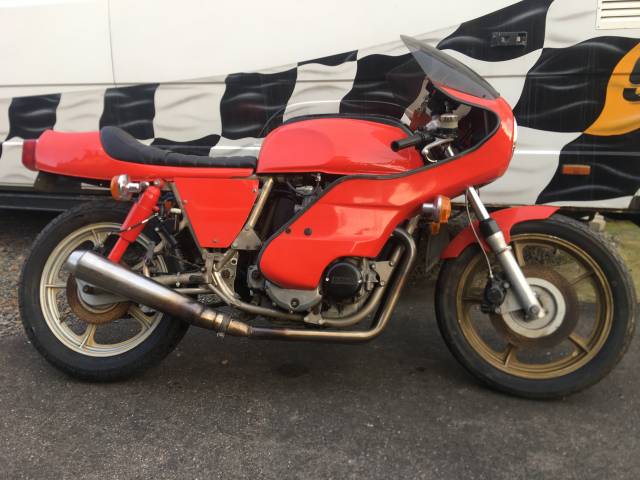
1979 | Rickman Kawasaki CR
Z1 Z900
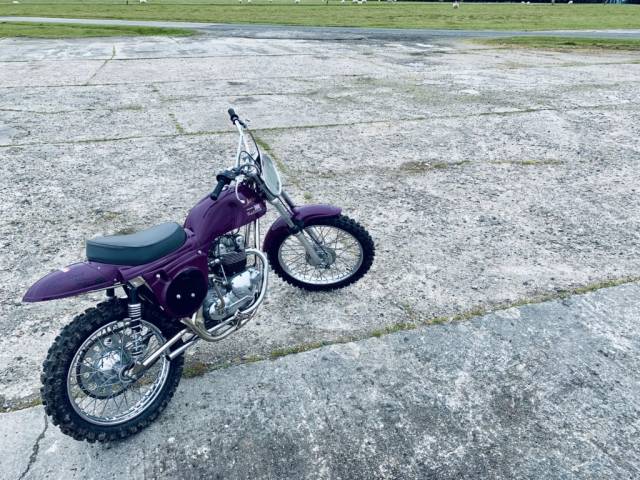
1966 | Rickman G 50 Metisse
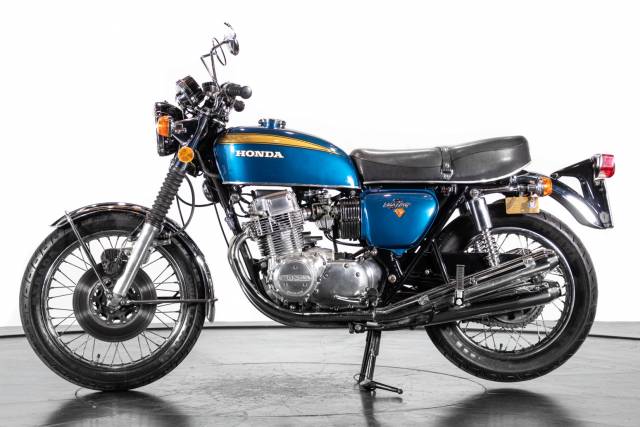
1974 | Rickman Honda CB 750 Four
-

History & heritage
To buy a Rickman is to buy into one of the most distinctly British ideas in motorcycling: take the best engine available, place it in a chassis that works better than the factory item, and finish it to a standard that makes ordinary specials look improvised. That formula came from Derek and Don Rickman, Hampshire brothers who were already front-rank scrambles riders in the 1950s before they turned their frustrations with heavy, flex-prone production bikes into a business.
The first Metisse appeared in 1959. The name mattered. Rickman was never about purity in the factory sense; it was about making a more effective motorcycle from the best available ingredients. By 1962, the Mk3 Metisse had established the look and the technical reputation that still define the marque: a beautifully brazed Reynolds 531 frame, nickel-plated finish, excellent weight distribution and handling that quickly made riders and rivals take notice. Metisse itself still points to the Mk3 as the turning point, and credits the bikes with wins in major motocross events including Moto Cross des Nations and national competition throughout the decade.
Rickman then moved beyond the mud. In 1966, the brothers took the same chassis logic into road racing, most famously with the Matchless G50 Metisse developed with Tom Kirby. That bike mattered for more than lap times. Rickman was early with Lockheed disc brakes, and the road-race Metisse helped establish the marque not just as a builder of brilliant off-road frames, but as a serious engineering name in British performance motorcycling.
The next important step for today’s buyer was the move onto the road. The Street Metisse, usually Triumph-powered, translated the racing and scrambles DNA into a road-going café racer at exactly the moment Britain’s club-racing and café culture wanted something sharper than a standard Bonneville or Atlas. In period Britain, a Rickman parked outside a transport café or rolled into the paddock at Brands Hatch said something clear: the owner wanted the fast bits, not the brochure bike.
By the 1970s Rickman adapted better than many British firms. Instead of resisting Japanese multi-cylinder engines, the company built around them. That gave us the headline collector models many buyers search for now: the Rickman Honda CR750 and Rickman Kawasaki CR900/CR1000. These machines fused Japanese power and reliability with British chassis thinking, Avon bodywork and unmistakable nickel-plated Rickman presence.
Rickman’s export success was substantial enough for the company to receive the Queen’s Award to Industry in 1974. Metisse’s own heritage material says more than 16,000 bikes were manufactured overall and over 2,000 of them were CR models, which helps explain the present market. Rickman is known, historically important and highly respected, but still niche enough that every genuine, well-documented bike feels special.
For UK buyers, the afterlife of the marque also matters. Since 1982, the Metisse name has continued through custodians using the original moulds, jigs and know-how, and official Metisse parts support still exists for certain frames and bodywork. That means a Rickman is not an orphan, but it is not a volume classic either. The combination of heritage, surviving support and low numbers is exactly why serious buyers keep returning to the marque.
Highlights & defining models
Rickman is a make-level category, so the search is not for one uniform motorcycle but for a family of highly collectable machines built around the same philosophy. Five model groups matter most when you browse Rickman motorcycles for sale:
Metisse Mk3 and Mk4 scramblers are the core of the brand. These are the bikes that made the Rickman name in British scrambles and pre-65 style competition. They usually carry British single- or twin-cylinder engines from BSA, Matchless/AJS, Triumph or Weslake-related combinations. For many enthusiasts, this is the purest Rickman: light, narrow, mechanically direct and unmistakably purposeful.
Street Metisse models bring the same chassis language onto the road. Usually Triumph-powered, they are among the most charismatic British café racers of the period. They matter in the UK because they sit right on the overlap between road-going special, club racer and style icon.
Rickman Matchless G50 machines sit near the top of the tree. They combine the prestige of the G50 engine with one of the great British specialist frames. If you are shopping at this level, you are not just buying a classic motorcycle; you are buying entry into historic racing and serious provenance culture.
Rickman Honda CR750 motorcycles are the best-known Japanese-engined Rickmans. Introduced in 1974, they used the 736cc Honda CB750 four-cylinder engine in a Rickman chassis intended to improve weight, braking and visual drama. They appeal to buyers who want the Rickman name without the maintenance rhythm of an all-British engine.
Rickman Kawasaki CR900/CR1000 models are the bruisers. With 903cc Z1-based power, they deliver the most muscular version of the Rickman idea. They are especially attractive to buyers who want the look of a 1970s endurance-style café racer backed by strong parts support from the Kawasaki world.
Across all of them, the signature features repeat: nickel-plated Reynolds 531 frames, attractive Avon fibreglass bodywork, quality period cycle parts, and a hand-built feel that mass manufacturers struggled to match. A real Rickman never feels anonymous. Even parked, it looks like it has been built with intent.
That is also why Rickman attracts more than one type of buyer on Classic Trader. Some want a British scrambles icon. Some want a rarer alternative to a Triton or Norvin. Others want a road-registered Japanese-engined special that can be ridden without the constant sense of fragility that accompanies some period exotica. Rickman serves all three camps.
Technical data
Because Rickman built frame kits and low-volume complete motorcycles around different power units, exact specification depends on the individual machine. Still, the main collector families can be compared usefully:
Numbers only tell half the story. On a Rickman, configuration quality matters more than on a mass-produced classic. A bike with the right frame number, proper cycle parts, tidy brazing, correct brackets and sensible engine installation is usually worth more than a bike with higher power but muddled history.
That is why a Rickman buyer should always read a listing closely. Look beyond headline engine size. Ask about who built it, when it was restored, which register has seen it, whether the frame has been re-plated, which forks and brakes are fitted, and whether the bodywork is original Avon, later replacement or a mixture. On Rickman motorcycles, details are the specification.
Market overview & buying tips
If you want to find and buy a Rickman motorcycle in Great Britain, remember that this is a thin, specialist market. Prices do not behave like Triumph Bonneville or Honda CB750 values, where large numbers create clear averages. Rickman values are driven by authenticity, engine choice, registration status, provenance and how convincing the build is as a period Rickman rather than a later special using some Rickman parts.
The best 2024-2025 public sales show the spread clearly:
- 1969 Rickman Metisse Project, H&H, October 2024: £3,450
- 1964 Rickman Matchless Metisse 500, Spicers, October 2024: £4,900
- 1973 Norton Rickman Metisse Racing Motorcycle, H&H, March 2024: £9,775
- 1973 Triumph Rickman Metisse, Dore & Rees, February 2025: £7,826 hammer
- 1968 Rickman Street Metisse, Evoke Classics, July 2025: £12,780
- 1977 Rickman Honda 750 Dixon Racing Build, Evoke Classics, September 2025: £8,520
- Rickman Honda CR750, Bring a Trailer, July 2025: $11,100
- 1975 Rickman Kawasaki CR900, Bring a Trailer, May 2025: $8,500
From those results, a practical buyer’s picture emerges.
Projects start around the low- to mid-£3,000s, but that does not make them cheap. A half-complete Rickman can consume money fast once you start sourcing brackets, seat bases, correct wheels, bodywork, plating and period fittings. Cheap entry often means expensive completion.
Usable British-engined off-road or scrambler-style bikes generally sit from around £5,000 to £10,000, depending on whether they are presentable riders, fresh restorations or especially desirable engine/frame combinations. The moment a bike is especially well documented, road-registered or clearly authentic to a known Rickman specification, values move upward.
Road-going Street Metisse and stronger road-race influenced builds can reach or exceed the low-£10,000s, especially when registration, history and presentation line up. The 2025 Evoke result at £12,780 shows where a desirable Street Metisse can land in the British market.
Japanese-engined CR bikes often look relatively affordable at auction compared with how special they feel in metal. A CR750 at $11,100 or a CR900 at $8,500 may sound accessible, but a British buyer importing one still needs to think about shipping, taxes, registration paperwork and any work needed before UK road use. A UK-based, already registered, correctly sorted CR bike will often justify a stronger asking price than an American auction result suggests.
What to inspect before you buy
1. Frame identity first
Always start with the frame number and, ideally, a check with the Rickman Metisse Historic Register or a recognised specialist. Rickmans were sold as frame kits, built in low numbers and modified over decades. That makes identity everything. If the seller cannot explain what the frame originally left Rickman to accept, proceed carefully.
2. Nickel plating can hide as well as impress
The plated frame is one of Rickman’s great visual signatures, but it can also conceal old repairs, poor prep or cracks. Pay close attention to the headstock area, upper frame rails, engine mounts and swingarm pivot zone. Uneven finish, suspicious polishing or localised rippling deserves close inspection.
3. Oil system details matter
Many classic Rickmans used an oil-in-frame concept or oil routing that differs from standard donor-bike practice. Make sure the feed and return lines are correctly arranged and sensibly engineered. A beautifully presented bike with confused oil plumbing is still a risky buy.
4. Fibreglass bodywork needs careful checking
Original-style Avon GRP bodywork is part of the Rickman appeal, but old glassfibre can crack around mounts, craze under paint or react badly to modern fuel if period tank construction has not been updated. In Britain, where petrol blend compatibility matters, ask specifically whether the tank has been lined, replaced or prepared for modern fuel.
5. Judge the donor engine on its own merits
Rickman-specific parts may be scarce, but engine risk still follows the donor motor. On Triumph twins, ask about crank, sludge trap, top end and oil leaks. On Honda CB750 engines, ask about cam-chain noise, carburettor condition and charging health. On Kawasaki Z1-based bikes, ask about top-end work, carb setup, oil leaks and gearbox behaviour.
6. Check the cycle parts, not just the engine
Buyers sometimes focus on the motor and forget that a Rickman’s value lies heavily in its chassis package. Inspect Ceriani or Rickman forks, AP Lockheed calipers, Koni/Girling shocks, Borrani or equivalent rims, yokes, rearsets, fairing brackets and exhaust routing. Replacing missing or incorrect Rickman-specific parts is rarely quick or cheap.
7. Registration and paperwork are especially important in Britain
Some Rickmans are road-registered, some are competition bikes, some are imported specials and some have ambiguous histories. Ask whether the bike has a V5C, whether it carries an age-related registration or is effectively a track or off-road machine. On a Rickman, paperwork can shift value almost as much as the engine choice.
Parts supply and restoration reality
The parts picture is better than many first-time buyers assume, but not effortless. Official Metisse support still advertises frame kits using original tooling and jigs plus bodywork and fuel tanks from original moulds for several Mk3 applications and the CR750. That is good news. It means the marque still has a living supply chain for some core items.
Even so, Rickman ownership still rewards patience. Engine parts are usually easiest because they come from bigger ecosystems: Triumph, Honda, Kawasaki, BSA or Matchless. The bottleneck is often the Rickman-specific layer: engine plates, fairing stays, seat units, airboxes, side panels, oil tanks or oil lines, plating work, correct badges and period brackets. In Britain you can still hunt these through specialists, club networks, autojumbles and online classifieds, but you should budget time as well as money.
For many buyers, that is part of the attraction. A Rickman is not a click-and-buy restoration. It is a motorcycle that rewards knowledge.
Riding experience
What does a Rickman feel like on the move? Better sorted than you expect, sharper than most period donor bikes, and more intimate than many larger British classics. The magic is not sheer horsepower. It is the relationship between the frame, steering geometry and rider feedback.
An off-road Metisse Mk3 feels slim, eager and very honest beneath you. That comes from the frame’s lightness and the way the bike seems to pivot around the rider rather than carry the rider as dead weight. On a lane, a field track or a classic scrambles circuit, a good Metisse feels like a competition tool first and a classic second.
A Street Metisse turns that same character onto tarmac. It still feels hand-built and mechanical, but the reward is clarity. The front end talks. The bike changes line readily. Compared with many standard British road bikes of the era, there is less woolliness in the way the chassis loads and unloads. That is why Street Metisses still hold such appeal for British café-racer enthusiasts: they are not just pretty, they make engineering sense.
The G50-based Rickmans are more serious. They feel like race bikes because they are race bikes, with all the directness and physicality that implies. The engine pulses hard, the chassis wants commitment and the whole experience feels rooted in the great era of British club and road racing.
Then come the CR bikes, which deliver a different sort of satisfaction. A CR750 gives you the smoothness and revvy confidence of a Honda four, but with a Rickman chassis that removes much of the donor bike’s bulk and visual plainness. A CR900 adds more shove and more theatre. It feels longer-legged, faster and more imposing, but still has that Rickman sense of design discipline rather than brute-force improvisation.
This is one reason Rickman motorcycles work so well on a marketplace like Classic Trader. They are not bought only as display pieces. The right one can still deliver an involving ride, whether your preference is a lightweight British-engined scrambler or a road-going four-cylinder club-racer special.
Design, finish & buyer appeal
Rickman design starts with the frame itself. On most classics, the frame hides behind the mechanical story. On a Rickman, the frame is the story. The nickel-plated tubes catch the light, highlight the craftsmanship and instantly separate the bike from factory machinery.
Then comes the bodywork. Rickman and Metisse body kits have a very specific look: clean proportions, slim frontal area, compact tails, a sense of speed even when stationary. On the road-going bikes, especially the CR series, that creates a genuine 1970s endurance-racer flavour without descending into costume.
For British buyers this remains central to the appeal. Rickman belongs to the same world as Triton, Dresda, Seeley and other specialist names, but it has a more polished, more complete visual identity than many home-built specials. A Rickman often looks like a factory should have built it.
That also explains why the make appeals to multiple audiences. Collectors value the history. Riders value the handling. Café-racer enthusiasts value the silhouette. Historic racers value the engineering credibility. And buyers who already know Triumphs, Nortons or CB750s often value Rickman because it offers something familiar yet rarer: the same donor-engine sound and parts base, but in a machine with much stronger specialist identity.
Rickman in British motorcycle culture
Rickman is woven into British bike culture in a way that goes beyond production numbers. The brothers emerged from the scrambles world when Britain still set the tone for off-road competition, and the marque became part of the national story of racers, tuners and frame builders improving on what the big manufacturers sold.
That matters in Great Britain because Rickman is not just another old make. It connects directly to club racing, pre-65 motocross, café-racer culture, Earls Court show-bike excitement and the broader British special-building tradition. It is easy to understand why the bikes still feel culturally “right” here. They were born from the same instinct that filled paddocks, sheds and workshops from Hampshire to the Midlands: if the factory won’t build the ideal bike, build it yourself.
Even the export success loops back into British buyer appeal. The Rickmans became big in America through desert racing, Bud Ekins and Steve McQueen, but that international fame has always enhanced their status at home. A Rickman in Britain carries both local authenticity and transatlantic myth.
For present-day UK buyers, there is another cultural point worth noting: Rickmans suit today’s enthusiast scene unusually well. They are welcome at classic bike meets, classic motocross paddocks, café-racer gatherings and specialist auctions. Few makes cross those subcultures so naturally.
Summary
If you want to buy a Rickman motorcycle, focus less on badge alone and more on which Rickman story you want to own. A Metisse Mk3 or Mk4 gives you the pure scrambles lineage. A Street Metisse brings British café-racer appeal with real engineering substance. A G50 Metisse is for buyers who understand racing provenance. A CR750 or CR900 offers the most usable fusion of Rickman chassis excellence and Japanese engine strength.
The 2024-2025 market shows a healthy but selective price range: from £3,450 for a project, through £4,900 to around £10,000 for many usable or restored British-engined examples, to the low-£10,000s for stronger Street Metisse and premium road-going bikes, with Japanese-engined CR models still sometimes looking attractive relative to their rarity.
The right buying approach is simple: verify the frame, inspect the plating and bodywork carefully, judge the donor engine honestly, and never underestimate the importance of British paperwork on a specialist machine. Do that, and Rickman can deliver one of the most rewarding buys in the classic motorcycle market: rare enough to feel special, famous enough to be respected, and sharp enough to justify the reputation every time you open the garage.
Browse current Rickman motorcycle offers and prices now on Classic Trader.