- Motorcycle
- Puch (8 offers)
Buy Puch Motorcycle
From the ingenious split-single "Twingle" to the ubiquitous Maxi moped, Puch represents a unique chapter in British motorcycling history. Austrian engineering meets UK classic culture in a range of machines built for durability and character.
Search results
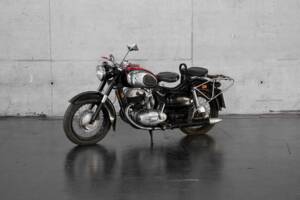
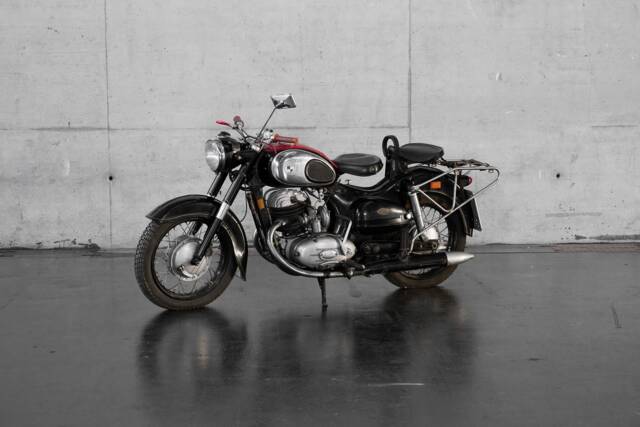
1955 | Puch 250 SG
1955 Puch 250 SG. Im Auktionsverkauf. Schätzwert: 2.000 € - 3.000 €. Ohne Mindestpreis!

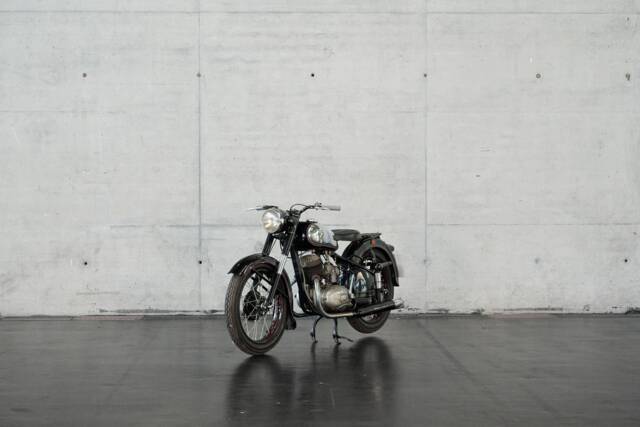
1953 | Puch 250 TF
1953 Puch 250 TF. Im Auktionsverkauf. Schätzwert: 3.000 € - 5.000 €. Ohne Mindestpreis!
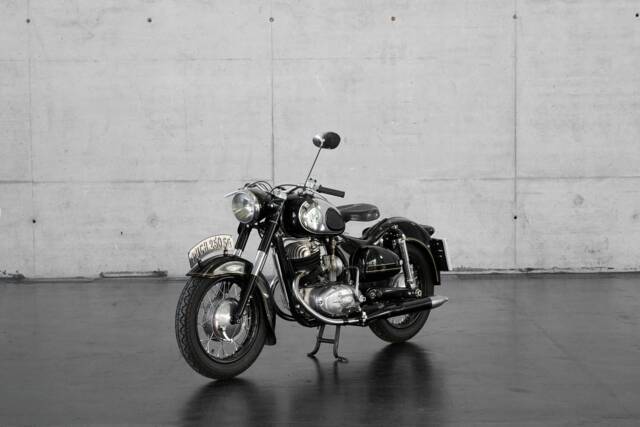
1955 | Puch 250 SG
1955 Puch 250 SG. Im Auktionsverkauf. Schätzwert: 6.000 € - 8.000 €. Ohne Mindestpreis!
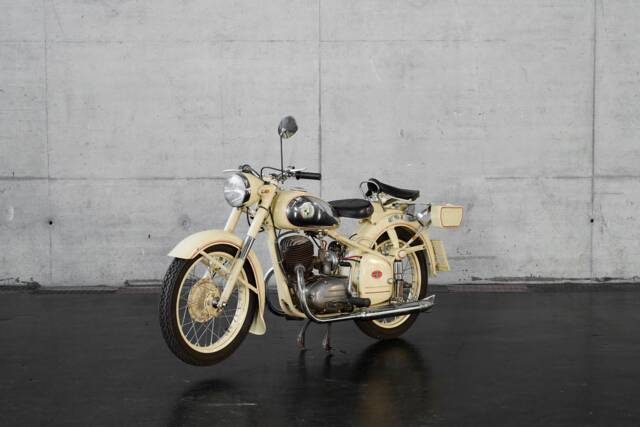
1951 | Puch 250 TF
1951 Puch 250 TF. Im Auktionsverkauf. Schätzwert: 3.000 € - 5.000 €. Ohne Mindestpreis!
Newsletter
The best Puch listings, straight to your inbox
Get hand-picked Puch listings, plus the best of cars, motorbikes, and auctions on Classic Trader — all in one place.
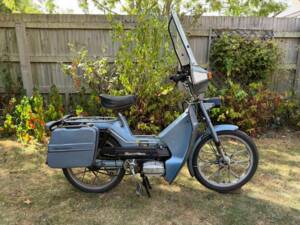
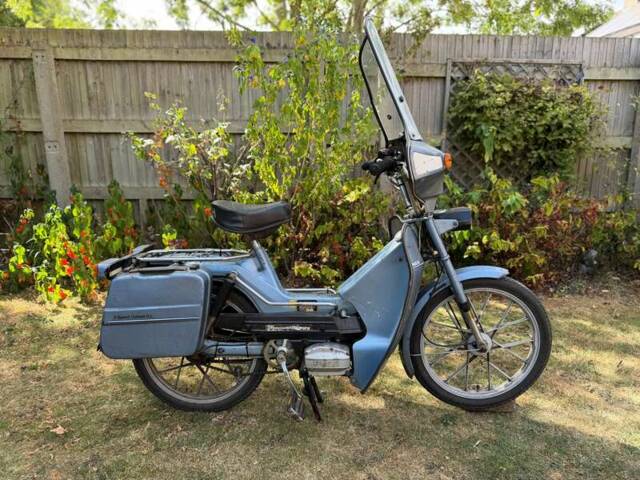
1979 | Puch Maxi S
1979 Puch Maxi Two-Speed Custom GL 49cc

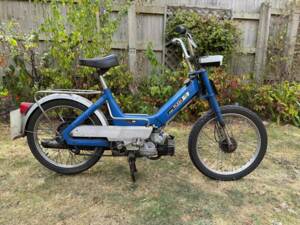
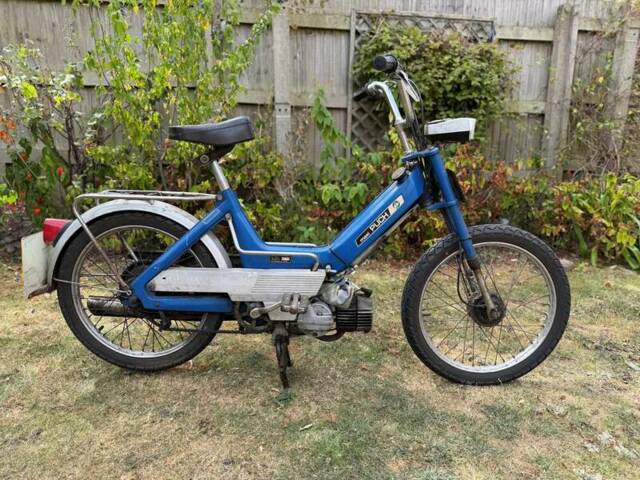
1971 | Puch Maxi
1971 Puch Maxi Model N 49cc
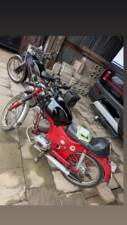
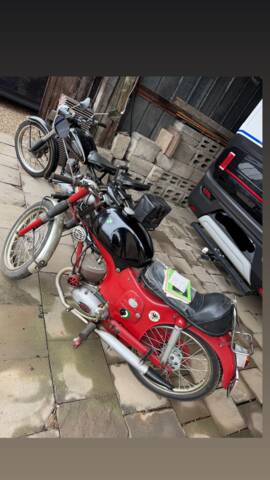
1952 | Puch 125 SL
Puch 125 SL – Year of manufacture 1952 – Classic motorcycle in beautiful condition

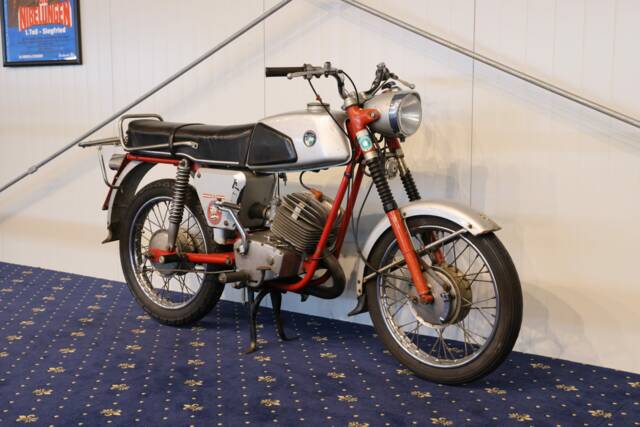
1968 | Puch M 125
1968 Puch M125 · Sammlung Sonderklasse · No reserve
Puch listing references from Classic Trader
Below you will find listings related to your search that are no longer available on Classic Trader. Use this information to gain insight into availability, value trends, and current pricing for a "Puch" to make a more informed purchasing decision.
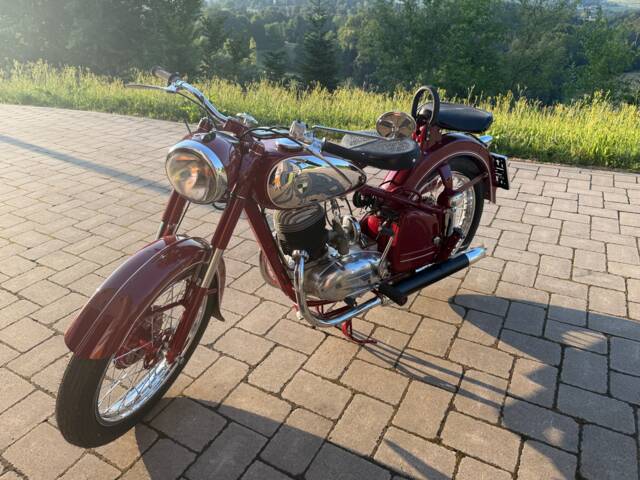
1951 | Puch 250 TF
Export-Rot, komplett restauriert – auktionsreifer Top-Zustand
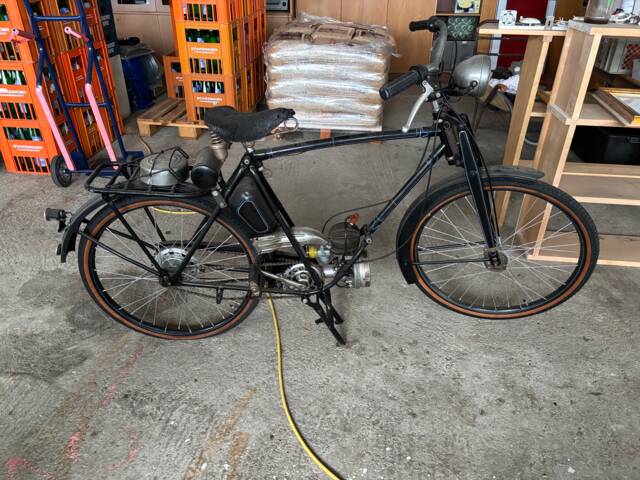
1938 | Puch Styriette
Motorfahrrad Styriette
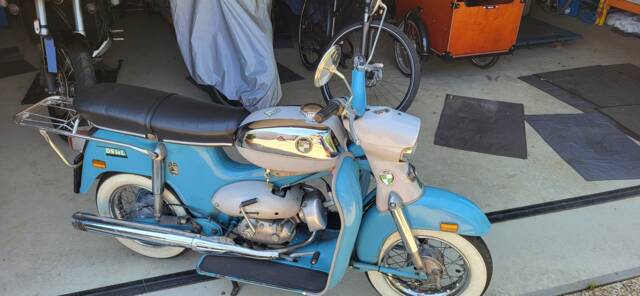
1975 | Puch DS 50 L
Legendär
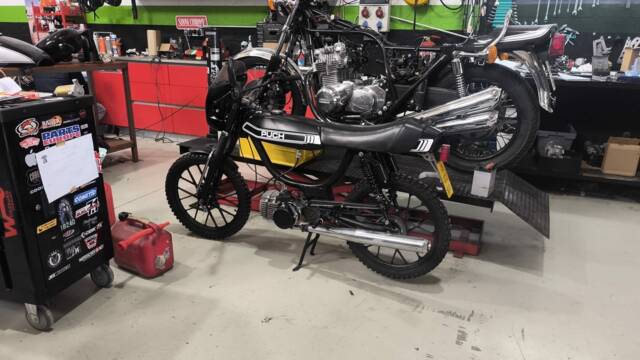
1979 | Puch Magnum Mk II
Ciclomotor / Moped

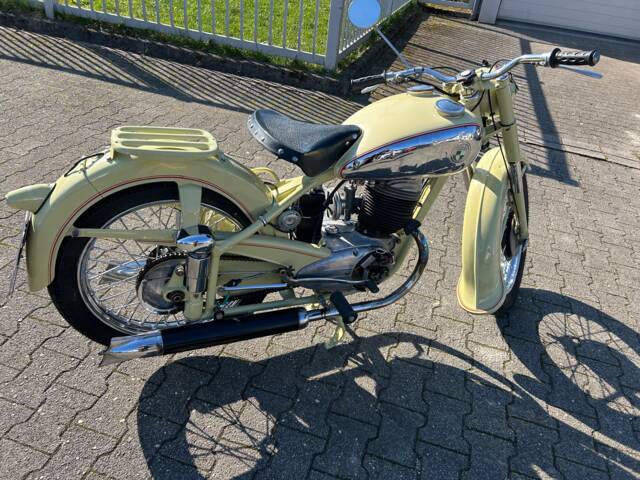
1951 | Puch 250 TF
Verkauf aus Altersgründen
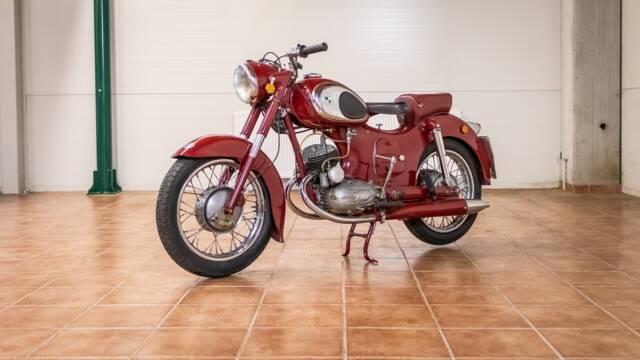
1956 | Puch 125 SVS
Premium 125cc series model
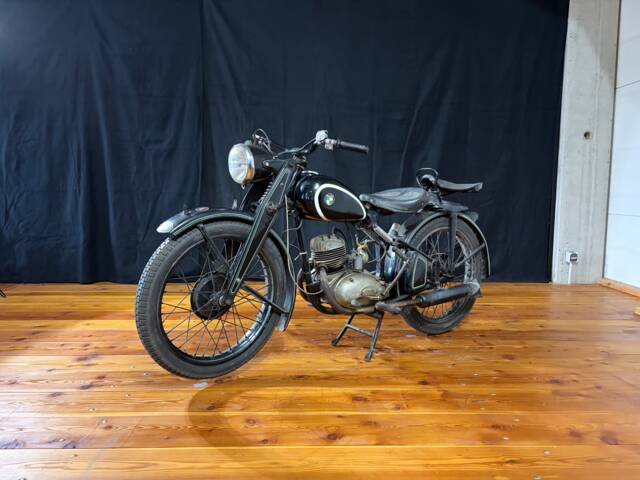
1950 | Puch 125 T
Characterful 125cc model from Graz production
History & Heritage
The story of Puch in the British Isles is one of engineering eccentricity and a very specific legislative quirk that turned a humble Austrian manufacturer into a household name. While Johann Puch began his journey in Graz, Austria, in 1889, it wasn't until the post-war era that the brand truly embedded itself in the UK's motorcycling consciousness. For many British riders, a Puch wasn't just a motorcycle; it was their first taste of freedom, often experienced on a rain-slicked B-road with an "L" plate flapping in the wind.
In the early 20th century, Puch established a reputation for high-quality, robust machines, often favoured by the military for their ability to withstand the rigours of Alpine terrain. However, the brand's defining technical breakthrough came in 1923 with the development of the split-single engine by Italian engineer Giovanni Marcellino. This "inverted U" design, featuring two pistons sharing a single combustion chamber, would become the hallmark of Puch's mid-capacity machines for decades. It was a solution to the scavenging problems that plagued early two-strokes, and it gave Puch a unique selling point in a crowded European market.
In the UK, the 1950s saw the arrival of the Puch 175 SV and the 250 SGS. These were marketed as sophisticated, reliable alternatives to the domestic British singles from the likes of BSA and Triumph. While the British industry was largely focused on traditional four-stroke singles and twins, Puch offered a smooth, torquey two-stroke experience that felt years ahead of its time. The 250 SGS, in particular, gained a loyal following among long-distance tourers who appreciated its "Twingle" engine's ability to sit at sustained speeds without the bone-shaking vibration typical of large-capacity two-stroke singles.
However, the most significant turning point for Puch in Britain occurred on 15th December 1971. The UK government introduced the "16-er" law, which restricted 16-year-old learner riders to mopeds—defined at the time as machines under 50cc equipped with pedals. This legislation sparked a "Sports Moped" boom that defined a generation. While Japanese manufacturers scrambled to add vestigial, often useless pedals to their small motorcycles to comply with the law, Puch was already there with a range of machines that were designed from the ground up as mopeds.
The Puch Maxi, introduced to the UK in February 1969, was initially a simple, automatic commuter. But as the 1970s progressed, it became a cultural phenomenon. It was the "Nifty Fifty" that mobilised a generation of teenagers who were suddenly restricted by the new laws. The Maxi was followed by more sporting models like the M50 Grand Prix and the VS50S, affectionately known as the "Flying Banana" due to its distinctive yellow paintwork and aerodynamic (for a moped) styling. These bikes were the "Sixteener Specials" that every schoolboy dreamed of, offering a glimpse of motorcycling glamour within the confines of the law.
The law changed again in 1977, removing the requirement for pedals but introducing a 30 mph speed limit for mopeds. Puch adapted, but the "pedal" era remains the most nostalgic for UK collectors. By the late 1970s and early 1980s, Puch was a dominant force in the UK moped market. The brand's relationship with the UK was managed by Steyr-Daimler-Puch GB, based in Nottingham, ensuring a steady supply of parts and a strong dealer network that rivalled the Japanese giants. Although motorcycle production in Graz eventually ceased in the 1980s, the legacy of these machines remains vibrant in the UK classic scene, supported by dedicated clubs and a deep-seated nostalgia for the days of two-stroke smoke and teenage independence.
Highlights & Features
The primary draw for any Puch enthusiast is the brand's commitment to unconventional but highly effective engineering. The split-single engine is the crown jewel of this philosophy. By using two pistons on a single connecting rod (or a forked rod), Puch achieved asymmetrical port timing. This allowed for better scavenging and cylinder filling than a traditional two-stroke, resulting in a broader powerband and improved fuel efficiency. In the UK, this technology is often referred to as the Twingle, a term borrowed from the US market where Puch machines were sold under the Sears Allstate brand. It offered the torque of a four-stroke with the simplicity and lightness of a two-stroke.
The Puch 250 SGS (1953–1970) is perhaps the finest expression of this technology. With its twin exhausts and smooth power delivery, it offered a riding experience that bridged the gap between a traditional two-stroke and a four-stroke. It was robust enough to be used as a sidecar hauler, a role it frequently performed in both Austria and the UK. The "SGS" stood for "Schwing-Gabel-Sport" (Swinging-Fork-Sport), highlighting its modern (for the time) suspension setup.
In the moped sector, the Puch Maxi stands out for its sheer durability and innovative construction. Its pressed-steel frame, which integrated the fuel tank, was a masterpiece of industrial design. This "monocoque" approach made the bike light, strong, and easy to manufacture. The E50 single-speed automatic engine was famously "bulletproof," capable of withstanding the mechanical sympathy (or lack thereof) of thousands of teenagers. The Maxi's simplicity made it the perfect platform for the burgeoning "tuning" scene, with many UK riders fitting larger Bing carburettors and expansion chambers to squeeze every last mile per hour out of the 49cc unit.
For collectors, the Puch M50 Grand Prix represents the pinnacle of the 1970s sports moped era. With its four-speed gearbox, clip-on handlebars, and aggressive styling, it was the bike every 16-year-old in 1976 dreamed of owning. It featured a proper motorcycle-style frame and suspension, making it handle far better than the basic commuters of the day. Today, it is one of the most sought-after small-capacity classics in the UK, often fetching prices that rival much larger vintage motorcycles.
Another highlight is the Puch 175 SVS, the sporting version of the 175 SV. It featured twin carburettors and a higher state of tune, offering a surprisingly spirited ride for a machine of its era. Its distinctive "swinging arm" rear suspension and telescopic forks provided handling that was considered excellent by 1950s standards. The SVS was the "enthusiast's choice," offering a level of performance that belied its modest capacity.
Puch also made significant inroads into the off-road world with the Puch 125 MC and GS models. These machines featured robust frames, long-travel suspension, and engines tuned for low-end grunt. In the UK, they were popular in local scrambles and trials, further cementing Puch's reputation for building bikes that could handle anything thrown at them.
Technical Data
Note: All models are air-cooled. Split-single models feature the unique two-piston, one-combustion-chamber layout. UK specifications for mopeds after 1977 were restricted to 30 mph. Power figures are approximate and can vary by market and year.
Market Overview & Buying Tips
The UK market for Puch motorcycles is diverse, ranging from affordable "rolling projects" to high-end, concours-standard restorations. Because many of these machines were the first bikes for young riders, finding an unmolested, original example can be a challenge, particularly in the moped sector where many were "customised" or simply ridden into the ground.
Puch Maxi: The Entry-Level Classic
The Maxi remains the most accessible way into Puch ownership. Prices for a running, MOT-exempt (if over 40 years old) Puch Maxi S (sprung) or Maxi N (rigid) typically start around £600 to £900. A mint, low-mileage example can fetch upwards of £1,500. When buying, check the frame carefully; because the fuel tank is integrated into the pressed-steel frame, internal rust can be a terminal issue. Look for signs of "amateur" tuning, such as drilled airboxes or non-standard exhausts, which can affect reliability and value. The "L" (Luxury) and "Hi" (High-torque) models are also worth looking out for, as they often featured better trim and slightly different engine characteristics.
The "Twingle" Giants: 250 SGS and 175 SV
The larger split-single machines are increasingly popular among classic tourers. A Puch 250 SGS in good, rideable condition will typically cost between £2,500 and £4,000. Exceptional examples, particularly those with a documented UK history and original registration, can reach £5,000. The 175 SV is slightly more affordable, with good examples found between £1,800 and £3,000. Key Inspection Points:
- Engine Compression: On a split-single, it is vital to check that both pistons are contributing. A compression test is highly recommended. If one side is significantly lower, it could indicate worn rings or a damaged cylinder wall.
- Exhausts: Original "cigar" shaped silencers are difficult to find and prone to rusting from the inside out. High-quality reproductions are available from Austria but can be expensive to import.
- Electrics: Many UK-market Puchs were fitted with 6V Bosch systems, which can be temperamental. Upgrading to a modern 12V electronic ignition (like a Vape system) is a common and sensible modification for a "rider" bike, though it may slightly detract from the value for a purist collector.
The Sports Moped Holy Grail: M50 Grand Prix
The Puch M50 Grand Prix is currently one of the hottest properties in the UK small-capacity market. Nostalgia for the 1970s has driven prices for top-tier restorations to incredible heights, sometimes exceeding £6,000. Even a basket case project can command £1,500. If you are looking for one, ensure it has the correct four-speed engine and original bodywork, as these parts are specific and hard to source. Beware of "bitsa" bikes made from various M50 and Maxi parts.
Importing and Registration
Many Puchs are now being imported from the continent, particularly Austria and Germany. While this increases the pool of available bikes, it adds complexity. You will need to ensure the bike is registered on the NOVA (Notification of Vehicle Arrivals) system and then apply for a V5C registration document. This often requires a dating certificate from a recognised club like the VMCC or the NACC. Be prepared for the paperwork and the potential for VAT and import duties.
Parts Availability in the UK
While the UK has several specialists like Predator Motorsport and YPV Spares, many owners find themselves looking towards Austria and Germany for more obscure engine components. The Puch Museum in Graz and specialists like RBO Stöckl or Wieser are excellent resources. Be prepared for shipping costs and potential import duties post-Brexit. The good news is that the Maxi, in particular, has a massive global following, so most wear-and-tear parts are readily available.
Riding Experience
Riding a Puch is an exercise in mechanical sensory input. If you are stepping onto a 250 SGS, the first thing you notice is the sound. It doesn't "ring-ding" like a Japanese two-stroke twin; instead, it has a deeper, more rhythmic thrum. This is the split-single at work. As you pull away, the torque is surprising. Unlike a conventional two-stroke that needs to be "on the pipe" to make progress, the Twingle pulls cleanly from low revs, making it an excellent companion for the undulating B-roads of the Cotswolds or the Peak District.
The handling of the 1950s and 60s models is "stately." The leading-link or telescopic forks (depending on the model) and the plunger or swinging-arm rear provide a comfortable, if somewhat soft, ride. The brakes—drums at both ends—require a firm hand and plenty of foresight. They are adequate for the speeds these bikes were designed for, but they won't win any awards for stopping power in modern traffic. You learn to ride with a "momentum-based" style, planning your stops well in advance.
Switching to a Puch Maxi, the experience is entirely different. It is the ultimate "hop-on-and-go" machine. The centrifugal clutch means there is no gear changing to worry about; you simply twist the throttle and go. It is light, nimble, and surprisingly fun to thread through city traffic. The sensation of 30 mph on a Maxi feels significantly faster than 70 mph on a modern superbike. There is a purity to it—just you, a buzzing 49cc engine, and the open road. The pedals, while required by law in the early 70s, are mostly used for starting or providing a little "human hybrid" assistance on steep hills.
For those lucky enough to ride an M50 Grand Prix, the experience is a nostalgic trip back to 1976. The riding position is aggressive, tucked in behind the small fairing (if fitted) or the low bars. The four-speed gearbox requires frequent use to keep the small engine in its powerband, but the reward is a machine that feels like a "real" motorcycle in miniature. It is a bike that demands to be ridden with enthusiasm, and it rewards the rider with a level of engagement that modern small-capacity bikes often lack.
The Puch Magnum X offers a different kind of fun. As a small off-road "mini-bike," it was many a British child's first introduction to dirt riding. Its automatic transmission and rugged build made it the perfect tool for tearing up a back garden or a local field. Even today, adults of a certain age look back on the Magnum X with a misty-eyed fondness.
Design & Philosophy
Puch design has always been rooted in Austrian pragmatism. There is a lack of the flamboyant styling found in Italian marques like Moto Guzzi or Ducati. Instead, Puch machines exude a sense of "fitness for purpose." The lines are clean, the engineering is visible, and the materials are chosen for longevity. It is a design philosophy that values function over form, yet often achieves a unique beauty through its honesty.
The Maxi's design is perhaps the most iconic. Its "step-through" frame was practical for everyone from schoolboys to grandmothers. The integration of the fuel tank into the main frame member was a bold move that gave the bike a unique silhouette. This "T-frame" design was both structurally efficient and aesthetically distinctive. In the UK, the Maxi was available in a range of vibrant 70s colours—bright reds, oranges, and the famous "Flying Banana" yellow. The use of stainless steel for the mudguards on later models was another practical touch that helped them survive the British weather.
The 250 SGS and 175 SV models feature a more traditional 1950s aesthetic. The large, deeply valanced mudguards and the teardrop-shaped fuel tanks are reminiscent of the era's design trends, but the execution is distinctly Germanic. The use of high-quality chrome and robust paint finishes means that many of these bikes have survived remarkably well. The "split-single" engine itself is a design feature, with its twin exhaust ports and distinctive cylinder head giving the bike a muscular, purposeful look.
A key design element of the split-single models is the twin exhaust system. While it looks like a twin-cylinder setup, both pipes emerge from the same combustion chamber. This was not just for show; it was a functional requirement of the split-single's exhaust porting to ensure balanced scavenging. It gives the bikes a balanced, symmetrical look that is highly prized by collectors today.
Puch's design philosophy also extended to their controls and switchgear. Everything feels over-engineered and built to last. The Magura levers and Bosch electrics used on many models were the gold standard of the time, and their quality is still evident today when compared to the more flimsy components found on some contemporary machines.
The UK Classic Scene & Culture
Puch ownership in the UK is supported by a passionate and knowledgeable community. The National Autocycle and Cyclemotor Club (NACC), often called "The Buzzing Club," is the primary hub for moped enthusiasts. With over 1,600 members, they organise regular runs, technical seminars, and have a presence at major classic bike shows like the Stafford Classic MotorCycle Show. Their magazine, "Buzzing," is a goldmine of technical advice and historical information.
The Vintage Motor Cycle Club (VMCC) also caters to Puch owners, particularly those with the older 175 and 250 models. These bikes are regular sights on VMCC "Section Runs," where their reliability makes them a favourite for long-distance events. The VMCC's library and dating service are invaluable for owners looking to register imported machines.
There is also a strong "Nifty Fifty" racing and charity scene in the UK. Events like the Moped Mayhem races or various "Coast to Coast" charity rides often feature a large contingent of Puch Maxis. These events celebrate the fun, accessible side of motorcycling that Puch has always represented. The sight of twenty Maxis buzzing through a small village is a quintessentially British classic bike experience.
The Puch Club GB is another dedicated resource, focusing specifically on the brand's history in the UK. They maintain a register of surviving machines and provide a forum for owners to share parts and expertise. For many, the club is as much about the social aspect as it is about the bikes, with regular meet-ups at pubs and cafes across the country.
Interestingly, the Puch legacy in the UK also extends to the four-wheeled world. The Puch Haflinger and Pinzgauer off-road vehicles, also products of Steyr-Daimler-Puch, have a cult following in the UK. While they are a different breed of machine, they share the same DNA of rugged, uncompromising Austrian engineering. It's not uncommon to see a Puch motorcycle being transported in the back of a Pinzgauer at a classic vehicle show.
Summary
Puch motorcycles occupy a special place in the hearts of British riders. Whether it's the sophisticated engineering of the 250 SGS Twingle or the simple, honest charm of the Maxi, these machines offer a unique alternative to the more common classic marques. They are bikes built to be used, not just polished. They represent a time when engineering innovation was prized and when a 50cc moped was a passport to adventure.
For the collector, a Puch offers a talking point—a chance to explain the intricacies of split-single technology or to reminisce about the 1971 moped law that defined a generation of riders. For the rider, they offer a reliable, characterful, and surprisingly capable classic experience. They are machines that reward curiosity and reward the rider with a unique mechanical connection.
As prices for traditional British and Japanese classics continue to rise, Puch remains a relatively affordable entry point into the world of vintage motorcycling. With a strong support network in the UK and a wealth of parts and expertise available from their Austrian homeland, there has never been a better time to discover the "Austrian Ace." Whether you are looking for a nostalgic trip back to your teenage years on a Maxi or a robust, technically fascinating tourer like the 250 SGS, a Puch is a choice that combines head and heart in equal measure. It is a piece of industrial history that you can still ride, enjoy, and pass on to the next generation of enthusiasts.