- Motorcycle
- Honda
- Honda CB 250 (0 offers)
Honda CB 250 classic motorcycle for sale
The Honda CB 250 stands out as a classic motorcycle from the early 1970s, known for its suitability for both original preservation and custom café racer conversions. Many examples on the market carry veteran status and exhibit high levels of careful maintenance. Enthusiasts appreciate the CB 250’s reliability, flexibility for modifications, and authentic riding characteristics reminiscent of its era.
Search results
Currently, there are no matching listings for your search.
Create search alert
Let yourself be notified as soon as a listing is published that matches your search filters.
Create listing
Do you have a Honda CB 250 that you want to sell? Then create a listing now.
Create listingHonda CB 250 listing references from Classic Trader
Below you will find listings related to your search that are no longer available on Classic Trader. Use this information to gain insight into availability, value trends, and current pricing for a "Honda CB 250" to make a more informed purchasing decision.
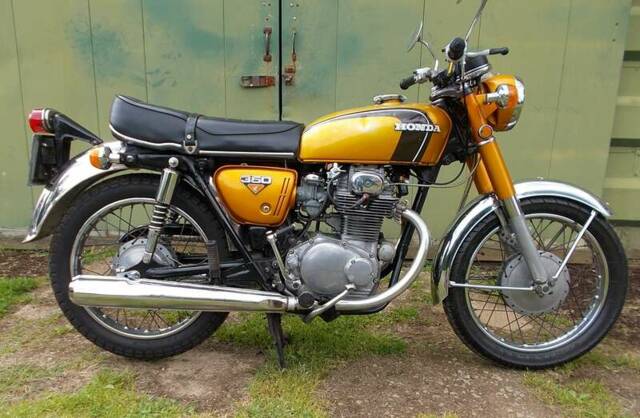
1971 | Honda CB 250
1971 Honda CB250 K3 325cc

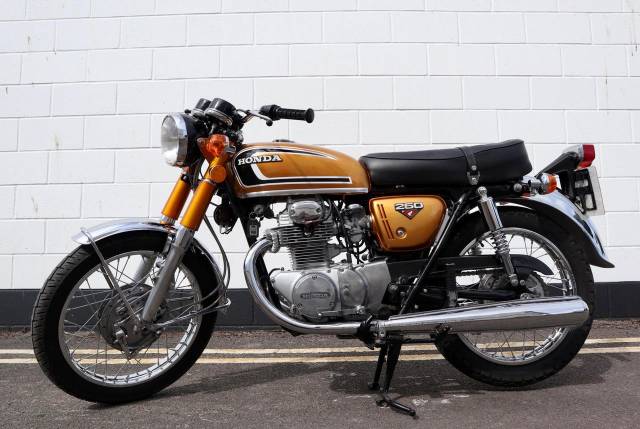
1972 | Honda CB 250
1972 HONDA CB250 K4
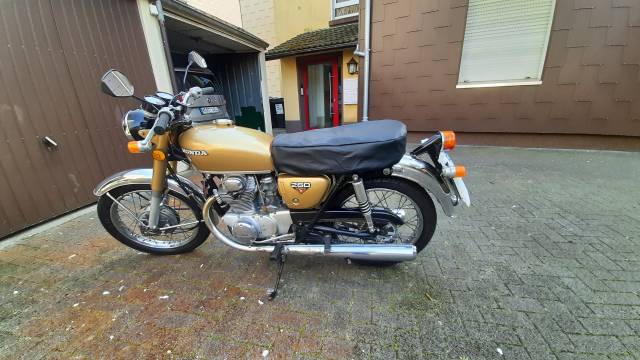
1971 | Honda CB 250
Oldtimer

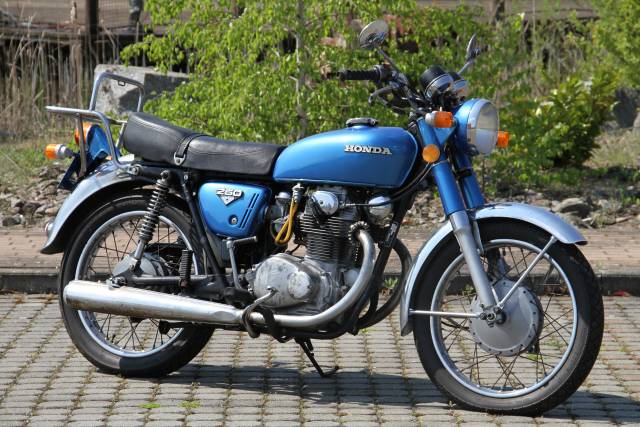
1972 | Honda CB 250
Create search alert
Let yourself be notified as soon as a listing is published that matches your search filters.
Create listing
Do you have a Honda CB 250 that you want to sell? Then create a listing now.
Create listingHonda CB 250 Classic Motorbikes: Prices & Market Values
History of the Honda CB 250
Launched in 1972, the Honda CB 250 entered a motorcycle market dominated by an appetite for reliable, easy-to-maintain machines with moderate yet enjoyable performance. Designed during a period when motorcycling culture was rapidly evolving, the CB 250 reflected Honda’s engineering priorities of longevity, efficiency, and everyday usability. The model gained traction across Europe for its accessible riding characteristics and Honda's reputation for robust quality at an affordable price point.
Model Series Evolution
The CB 250 traces its lineage from Honda’s move into four-stroke, mid-sized motorcycles. It succeeded the earlier twin models and was eventually complemented by the larger CB 350 series, which targeted riders desiring more power. The CB 250 itself carried forward Honda’s emphasis on practicality, while facilitating easy adaptation for various uses – from daily commuting to hobbyist conversions. Over time, the CB 250 developed a following among those pursuing custom café racer builds, thanks to its robust frame and reliable engine engineering.
Model Highlights and Market Share
The Honda CB 250 is particularly popular within the classic motorcycle community for its mechanical simplicity and adaptability. Its engine is known for smooth running and the distinctive exhaust note becomes even more pronounced with aftermarket exhaust modifications. Restoration projects commonly involve professional saddle work, handmade tanks, and bespoke paint jobs. Furthermore, the CB 250’s compatibility with modern tyres, shock absorbers, and lighting enhancements make it a prime candidate for legal and tasteful customisation, including café racer modifications that comply with local authority requirements. Original parts are often preserved or can be restored, adding to the model’s appeal for purists. Veterans’ registration is commonly documented, emphasising the market’s respect for original vehicles from this era.
Technical Data
Special Editions and Collectible Models
Some CB 250 units are documented with veteran status, reflecting their entry as classic vehicles in national registries. Café racer conversions are commonplace, ranging from subtle modifications to extensive custom work with handcrafted saddles and tanks. These builds often use police- and vehicle department-compliant parts and construction techniques to ensure full legal road use. Original models with minimal aftermarket changes, as well as fully documented unique conversions, are especially sought after by dedicated collectors and enthusiasts.
Weak Spots and Common Issues
Honda CB 250s are known for their mechanical resilience, but regular maintenance is essential for longevity. It is common for oil traces to appear near the carburettor overflow; this typically does not indicate worn seals but rather standard function of the drain system, especially on older carburettors. Routine care should include attention to components prone to wear: tyres, shock absorbers, air filters, steering gables, and lights. When undertaking custom or restoration work, preserving or sourcing original parts is generally straightforward, unless a tank has been completely custom fabricated.
Engine, Transmission and Handling
The CB 250’s engine is renowned for its smooth operation and distinctive, era-appropriate sound, which can be emphasised further with custom exhaust installation. Its twin-cylinder motor balances manageability and classic bike character, making it suitable for enjoyable fair-weather riding. Handling is predictable, with scope for improvement through contemporary suspension upgrades and modern tyres, often fitted during restoration.
The 1972 production year models, in particular, allow for a slightly higher permissible exhaust volume under then-prevailing regulations, contributing to their period-correct aural character. - 1972 Honda CB 250: Recognisable as an ideal base for café racer customisation, benefiting from availability of replacement suspension, air filters, headlamps with integrated speedos, adjustable lighting units, custom saddle work, and both period and custom-made tanks.
Interior, Comfort, Exterior and Design
Although not featuring extensive interior appointments, the CB 250 offers base comfort suitable for everyday use or longer rides after saddle modifications by professional artisans. Externally, typical café racer conversions involve polished or handmade aluminium tanks, unique multi-layer paint finishes by experienced paint shops, and custom rear cowls. Factory components like side covers and battery shrouds may be artisanally crafted from chequer plate for visual distinction. Lighting units can be upgraded with integrated tachometers, and aesthetic preservation or modern reinterpretation remains the owner’s choice. Factory-accurate and custom components are often available, allowing for a broad range of authentic or bespoke builds.
Other Features
The Honda CB 250 is often used as a good-weather classic, reflecting its value to collectors and enthusiasts who prioritise preservation. Its simple mechanics and adaptable platform have secured it a dedicated user base, whether kept in original condition or modified to exacting standards for custom builds such as café racers. Compliance with local vehicle regulations is routinely achievable with appropriate execution of modifications.
Summary
The Honda CB 250 offers a distinctive classic riding experience, valued for its mechanical straightforwardness and rich potential for both authentic restoration and tasteful modification. As a pillar of Honda’s early 1970s lineup, it remains a focal point for enthusiasts who appreciate reliable engineering, customisation flexibility, and the enduring character of early Japanese motorcycles.