- Motorcycle
- Gori (1 offer)
Buy Gori motorcycle
Hand-built in Florence by tuning wizard Giancarlo Gori, these rare Italian two-strokes represent the pinnacle of 1970s off-road exotica. Between 1968 and 1983, Gori produced lightweight, aggressive motocross and enduro machines that combined precision-tuned Sachs and Rotax engines with world-class Italian chassis components.
Search results
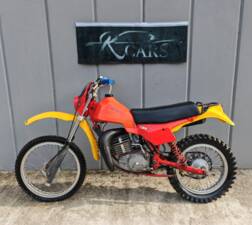
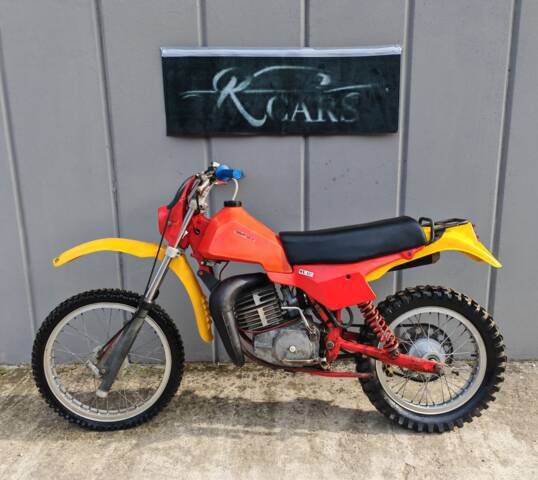
1981 | Gori 250 E
125 !!

Gori listing references from Classic Trader
Below you will find listings related to your search that are no longer available on Classic Trader. Use this information to gain insight into availability, value trends, and current pricing for a "Gori" to make a more informed purchasing decision.
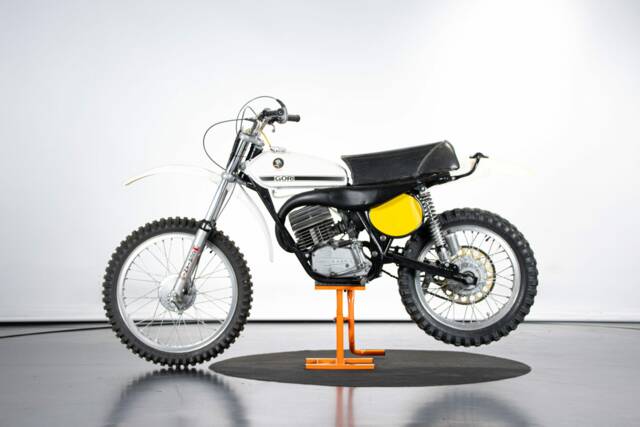
1974 | Gori GS 125
Gori 125 CROSS
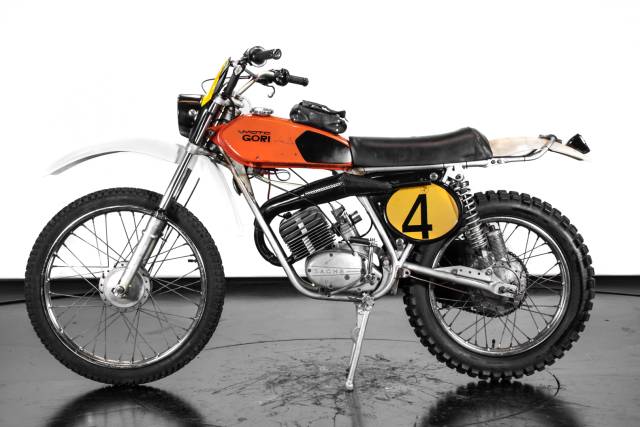
1978 | Gori GS 50
-
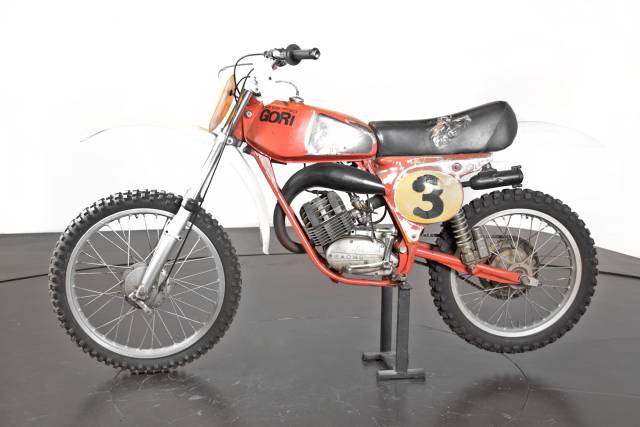
1977 | Gori 50 Cross
-
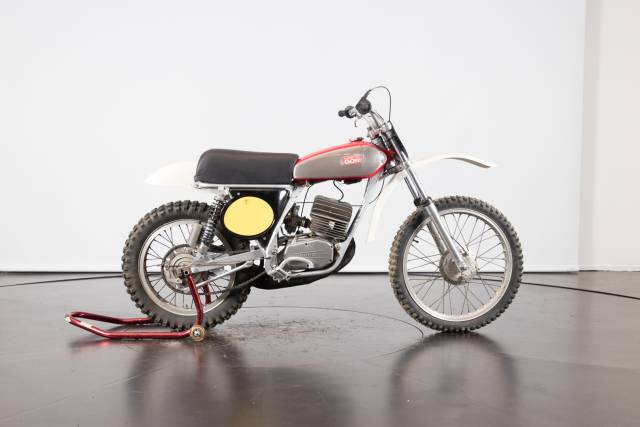
1979 | Gori GS 125
-
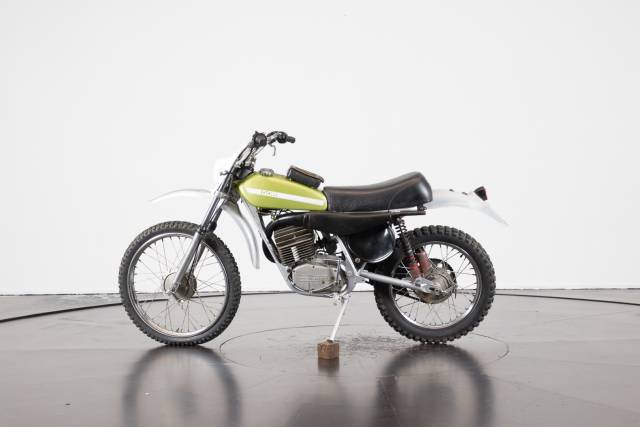
1974 | Gori GS 125
-
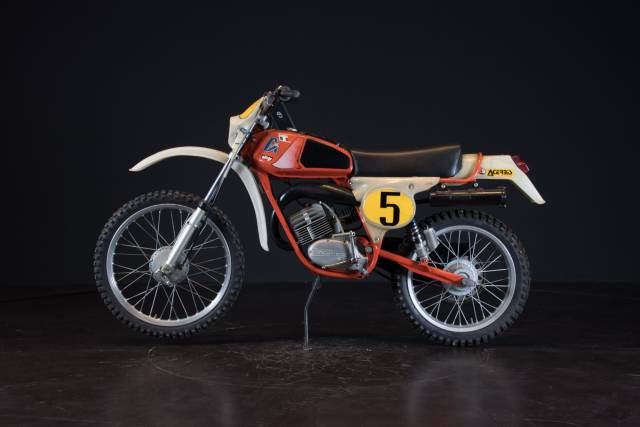
1978 | Gori GS 50
-
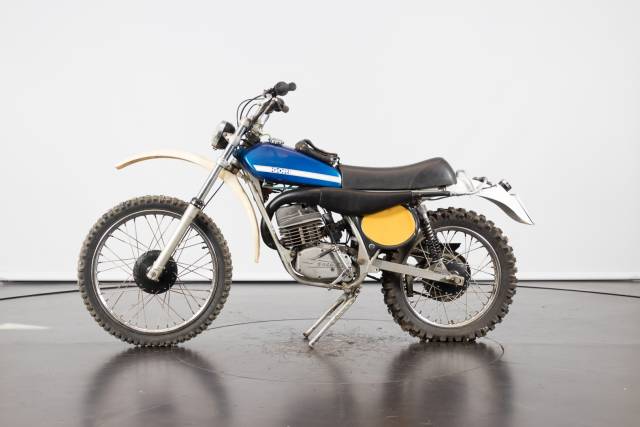
1975 | Gori GS 125
-
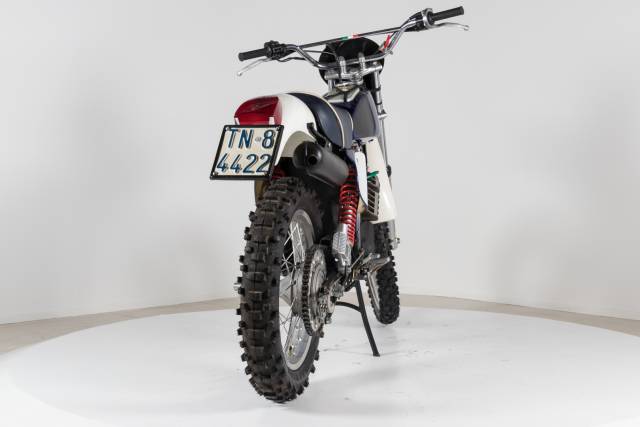
1981 | Gori 250 E
History & Heritage
The story of Moto Gori is a classic tale of Italian engineering passion, born in the heart of Florence in 1968. Its founder, Giancarlo Gori, was not a corporate industrialist but a master tuner and perfectionist. Before he ever built a motorcycle under his own name, Gori was already a legend in the world of two-stroke performance, having spent years extracting incredible power from kart and scooter engines.
In the UK, the Gori name often resonates with two distinct groups: vintage motocross enthusiasts and the scooter tuning community. Long before the first Gori motorcycle arrived on British shores, Giancarlo's Scuderia Gori was famous for its high-performance Vespa and Lambretta kits. In 1967, he even set a world speed record on a modified Vespa 90SS, clocking over 93 mph (150 km/h). This deep understanding of small-capacity two-stroke engines became the foundation for his foray into the world of off-road motorcycles.
The first official Gori machine was the Moto Gori Bimm (1967/68), a collaboration that used a 60cc Minarelli engine in a heavily modified Felici frame. The success of these early machines in local Italian races gave Gori the confidence to establish Officina Meccanica Gori in Piazza di San Salvi, Florence. Throughout the 1970s, the range expanded to include 50cc, 125cc, and 250cc models, eventually reaching up to 500cc.
Gori’s philosophy was to build the best possible chassis and pair it with the finest engines available. He never manufactured his own engines, choosing instead to source units from Sachs (the famous German two-strokes with 5- and 6-speed gearboxes), Minarelli, Franco Morini, and later Rotax after a partnership with SWM in 1978. The strength of a Gori lay in its chassis tuning, engine porting, and meticulous assembly.
The mid-1970s were the golden years for the brand. Between 1974 and 1975, Guido Valli rode a Gori 125 to victory in the Italian Hillclimb Championship. His machine was a technical marvel: a 125cc Sachs engine producing nearly 25 bhp at 11,600 rpm, capable of 115 mph. While Gori motorcycles were never imported to the UK in massive numbers, they gained a cult following among British riders who appreciated Italian flair and the reliability of the Sachs powerplants.
In 1978, SWM took a stake in the company, and the name was shortened to simply Gori. The bikes adopted SWM-tuned Rotax rotary-valve engines and a distinctive green livery, reminiscent of Kawasaki’s racing colours. However, the rise of the Japanese "Big Four" and the changing economic landscape led to the end of production in 1983. Giancarlo Gori returned to his roots, restoring classic motorcycles in Florence, but the legacy of his "Florentine flyers" lives on in the vintage racing scene.
Highlights & Features
What makes a Moto Gori so special for a collector today? It is the uncompromising focus on competition. Gori did not build commuter bikes or soft roadsters; every machine that left the Florence workshop was designed for motocross, enduro, or hillclimbing. This singular focus meant no excess weight and maximum performance.
The 125cc models were the heart of the brand. The GS 125 and Cross 125 from the mid-70s are particularly sought after. Equipped with Sachs 6-speed engines, they featured top-tier components: Marzocchi forks (usually 35mm or 38mm), Telesco or Marzocchi rear shocks, Akront aluminium rims, and Grimeca hubs. With dry weights often under 80 kg, these bikes offered an agility that few contemporary machines could match.
The 250cc models (such as the GS 250 Enduro and CR 250) used Sachs 7-speed engines or the later Rotax units. These were serious competition tools, known for their brutal power delivery and ability to find traction on the most difficult terrain. The G81 model from 1981, featuring the Rotax engine, represents the peak of the brand's technical evolution, offering a chassis and suspension setup that was world-class for its time.
The aesthetic of a Gori is unmistakably Italian. They were famous for their vibrant colours: bright red, orange, yellow, and electric blue. The fuel tanks, often made of resin or plastic to save weight, had sleek, aggressive lines that still look modern today. The Gori logo, simple yet iconic, was a badge of exclusivity that told the world you were riding something hand-crafted.
The engine tuning by Giancarlo Gori himself is the "secret sauce" of these bikes. Every engine was individually tuned, with ports matched, compression ratios optimized, and carburetion (often using large Bing or Dell'Orto units) perfected. This meant that a Gori-tuned Sachs engine often outperformed the standard units found in more common bikes like the Hercules or DKW.
Finally, there is the rarity. Total production of Moto Gori is estimated at only a few hundred units per year. Many were destroyed in the heat of competition or stripped for parts over the decades. Finding a complete, original Gori today is a significant achievement for any collector, making it a true "blue-chip" investment in the world of vintage off-road motorcycles.
Technical Data
Note: Specifications varied significantly between models and years. Racing versions, like the Valli machine, could produce up to 24.8 bhp and reach speeds of 115 mph with track gearing. The 250cc models with Sachs 7-speed gearboxes typically produced 30-35 bhp.
Market Overview & Buying Tips
The market for Moto Gori in the UK is small but highly specialized. Because they were never officially imported in large numbers, most examples in the UK today are private imports from Italy or France. They occasionally appear at specialist vintage motocross auctions or through high-end classic vehicle dealers.
Price Trends (2024-2025):
Prices for Gori motorcycles have seen a steady increase as collectors move away from more common brands like Bultaco or Montesa in search of something more exclusive.
- Gori 50 (Scrambler/Cross): A well-restored example can fetch between £3,000 and £4,500.
- Gori 125 GS / Cross: This is the most popular model. Prices range from £4,000 for a complete project to £7,000 - £8,500 for a concours-standard restoration.
- Gori 250 / 406 / 500: These larger-capacity bikes are extremely rare in the UK. A 250 in good condition can easily exceed £9,000. The 500cc Rotax models are museum-quality pieces with prices to match.
- Race-Proven Models: Any bike with documented racing history or a genuine "Valli" specification can command prices upwards of £12,000.
What to Look for When Buying:
- Frame Integrity: Gori frames were built for lightness, not longevity. Check for cracks or poor repairs around the headstock and engine mounts. Ensure the frame number is present and matches any available documentation.
- Engine Condition: While Sachs and Rotax parts are generally available, Gori-specific tuning parts (like modified cylinders or custom exhausts) are very hard to find. A running engine is a good sign, but expect to perform a full top-end rebuild on any bike that has been sitting.
- Component Originality: Marzocchi forks, Akront rims, and Grimeca hubs are high-quality but expensive to replace or restore. Check for pitting on fork stanchions and cracks in the aluminium rims. Original Grimeca hubs are particularly prized.
- Bodywork & Plastics: This is the biggest challenge. Original resin tanks and plastic fenders are often brittle or missing. If a bike has its original, undamaged bodywork, it is worth a significant premium. High-quality fiberglass replicas are available but do not hold the same value for purists.
- Documentation: Many Gori bikes were used strictly for competition and never registered for the road. If you intend to use the bike for events like the ISDT (International Six Days Trial) reunions or road-legal enduro events, ensure it has a V5C or is eligible for age-related registration.
Expert Advice: Avoid buying a "basket case" Gori unless you already have a source for parts. Completing a missing bike can be a financial nightmare. It is almost always cheaper to buy the best example you can find rather than trying to restore a poor one.
Riding Experience & Performance
Riding a Gori 125 is a lesson in two-stroke radicalism. When the Sachs engine fires up with its sharp, metallic crackle, you know you are on something special. There is no smooth idling here; the bike vibrates with intent, and the smell of pre-mix oil fills the air.
On the track, the Gori’s true nature is revealed. The incredibly low weight (under 80 kg) makes it feel more like a mountain bike with an engine. Direction changes are instantaneous, requiring only the slightest input from the rider. The Marzocchi forks provide excellent feedback, allowing you to feel every nuance of the terrain.
The Sachs engine is a classic "pipey" two-stroke. Below 6,000 rpm, there isn't much happening, but once you hit the powerband, the acceleration is explosive. You have to be busy with the 6-speed gearbox to keep it on the boil, but when you get it right, the Gori is a giant-killer. It demands skill and commitment, but the rewards are immense.
In vintage motocross (VMC) events, the Gori is a standout performer. It turns tighter than the heavier Japanese bikes of the era and has a power-to-weight ratio that keeps it competitive even against larger-capacity machines. The Grimeca drum brakes are adequate for the weight but require a firm hand and an understanding of 1970s braking technology.
The emotional appeal of a Gori is its raw, mechanical honesty. There are no rider aids, no electronics, and no compromises. It is a tool designed for a specific purpose: to go fast over rough ground. For the rider who masters it, the Gori offers a level of connection that modern bikes simply cannot replicate.
Design & Aesthetics
Visually, a Gori is an explosion of colour and function. While British off-roaders of the time often came in understated greens or blacks, Goris were unashamedly bright. The use of vibrant reds, oranges, and yellows was not just for show; it made the bikes easy to spot in the dust and chaos of a motocross start.
The fuel tank is the centrepiece of the design. Whether made of resin or plastic, its long, slim profile was optimized for the rider to move weight forward in corners. The graphics were simple but effective, often featuring the Gori name in bold lettering alongside the Italian tricolour.
One of the most attractive features for collectors is the quality of the metalwork. The chrome-moly frames often featured beautiful welds, and the use of polished aluminium for the triple clamps and hubs added a touch of class. The high-level exhaust, snaking along the side of the bike, is a work of functional art in itself.
The design philosophy was pure racing. Every detail served a purpose. The minimalist cockpit, the wide "Pro-Taper" style handlebars, and the high-mounted fenders all screamed competition. Even the seat was designed for movement rather than comfort—flat, narrow, and firm.
A Gori doesn't just look fast; it looks expensive. Even 50 years later, the quality of the components and the elegance of the lines make it stand out in any collection. It is a testament to the fact that Giancarlo Gori and his team were not just mechanics, but artists in their own right.
Culture & Trivia
Moto Gori is a symbol of the Florentine racing spirit. In the 1970s, the workshop in Piazza di San Salvi was a hub for riders and tuners from across Italy. It is said that Giancarlo Gori could diagnose a carburetion issue just by hearing a bike ride past on the street.
A little-known fact is the brand's connection to the Mod culture. Because Giancarlo Gori started by tuning Vespas and Lambrettas, many of the early Gori enthusiasts were actually scooter boys who wanted to move into the world of "real" motorcycles. This crossover helped build the brand's reputation for performance and style.
In France, Gori bikes were sold under the name Scorpion. This has led to some confusion among collectors, but a Scorpion is, for all intents and purposes, a Gori with a different badge. The French market was actually one of Gori's most successful export regions.
Today, the Gori legacy is kept alive by a small but dedicated group of enthusiasts. Whether it's at the Telford Classic Off-Road Show or at vintage scrambles across the UK, the sight and sound of a Gori always draw a crowd. It remains one of the most respected names in the world of Italian off-road history.
Summary
Moto Gori is a hidden gem of Italian motorcycling. Rare, specialized, and demanding, these bikes offer an authentic piece of 1970s racing history. For the collector who wants something different from the mainstream, a Gori provides exclusivity, performance, and a direct link to one of Italy's greatest tuning masters.
With prices ranging from £4,000 to over £12,000, they represent a significant but rewarding investment. Buyers should prioritize completeness and originality, as parts can be difficult to source. A well-maintained Gori is not just a museum piece; it is a machine that belongs on the track or the trail.
On Classic Trader, you can find rare Gori listings from across Europe. Study the photos, ask about the frame and engine numbers, and don't hesitate when you find the right one. A Gori is more than just a motorcycle; it is a piece of Florentine art that happens to go very, very fast.
Moto Gori: Florentine Precision, Two-Stroke Passion, Motocross Purity.