- Motorcycle
- Gilera (5 offers)
Buy Gilera Motorcycles
From the record-breaking four-cylinder racers of the 1950s to the cult-classic Saturno and the high-performance Runner scooters, Gilera represents the pinnacle of Italian engineering with a distinct British racing soul. Discover a century of speed, innovation, and world championship heritage.
Search results
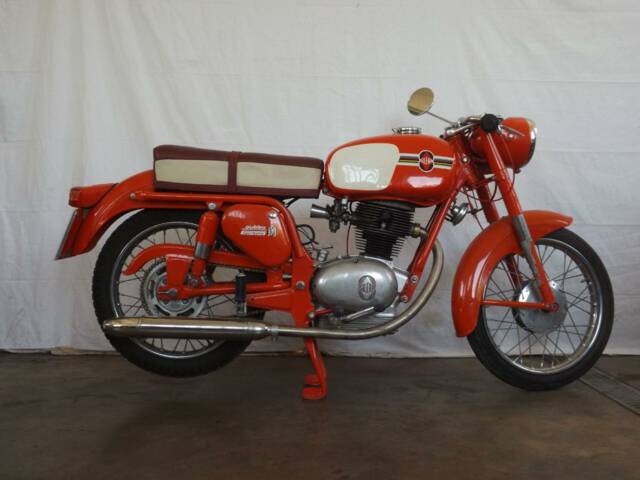

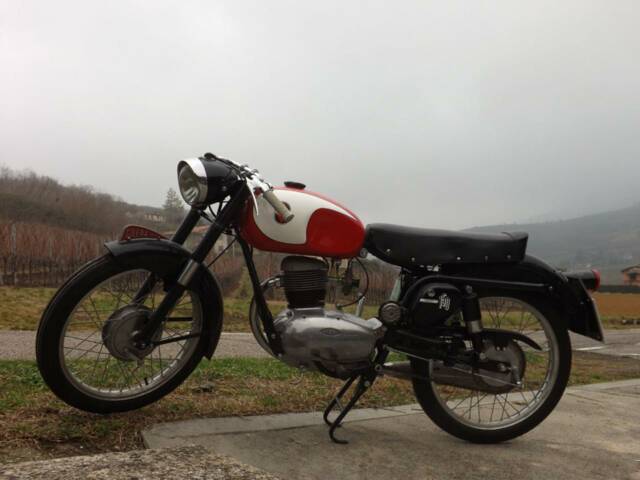
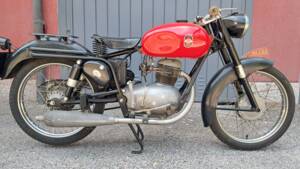
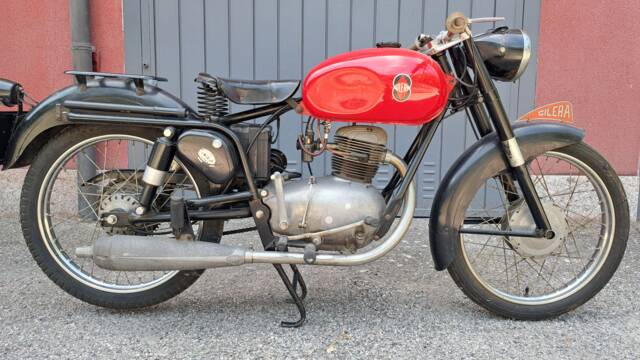
1955 | Gilera 150
Gilera Motoleggera G 150 Sport e Turismo 1955 with original documents preserved and complete
Newsletter
The best Gilera listings, straight to your inbox
Get hand-picked Gilera listings, plus the best of cars, motorbikes, and auctions on Classic Trader — all in one place.
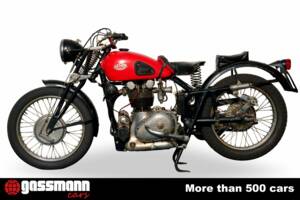
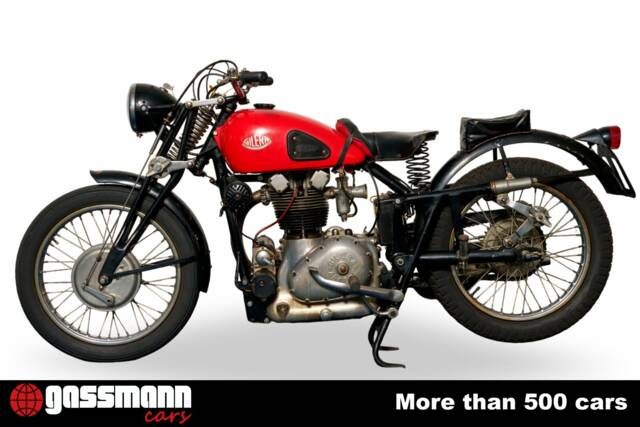
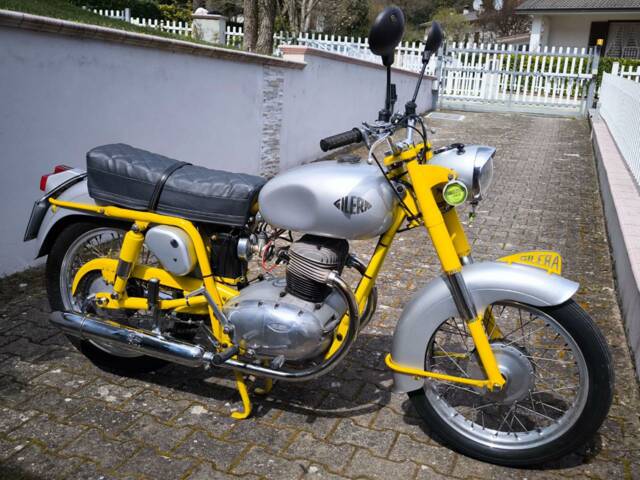
1950 | Gilera Saturno
Saturno 500 cm3

Gilera listing references from Classic Trader
Below you will find listings related to your search that are no longer available on Classic Trader. Use this information to gain insight into availability, value trends, and current pricing for a "Gilera" to make a more informed purchasing decision.
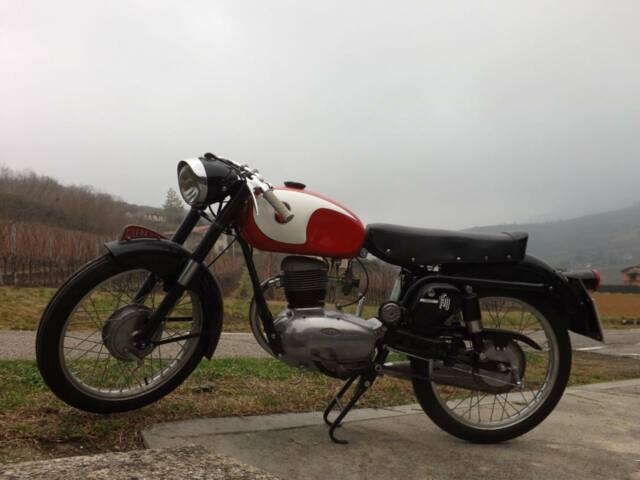
1955 | Gilera 150 Sport
-
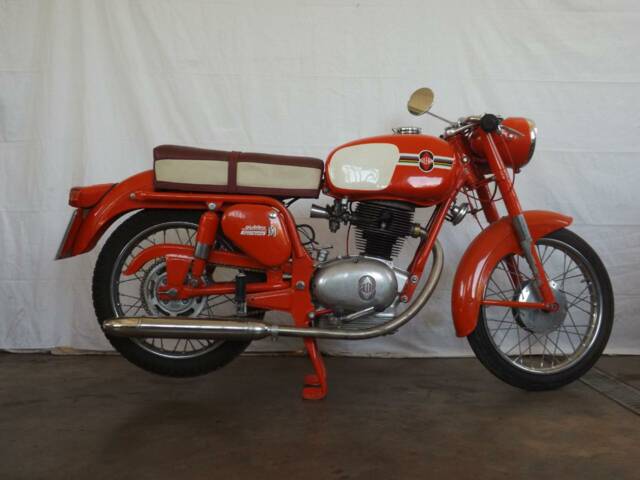
1963 | Gilera Giubileo 150
-
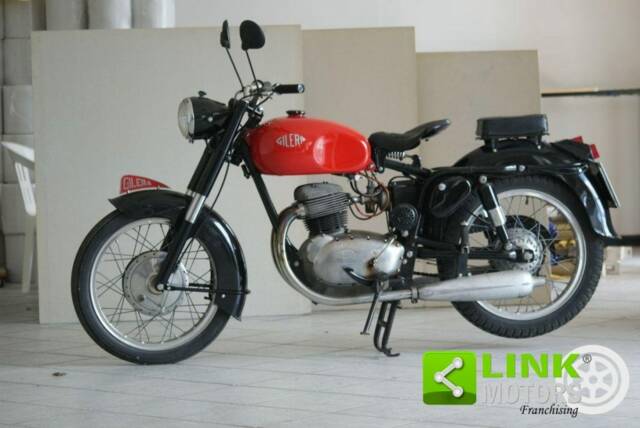
1976 | Gilera B 300 Extra
-
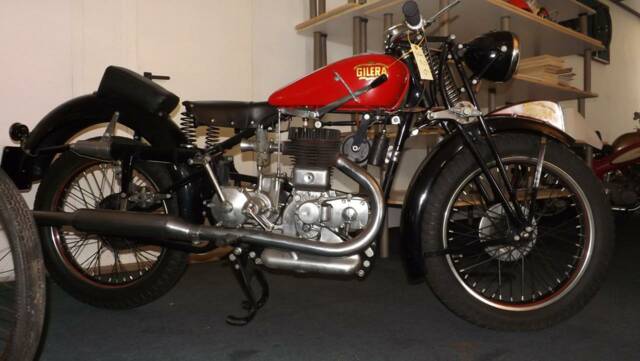
1934 | Gilera 500
-
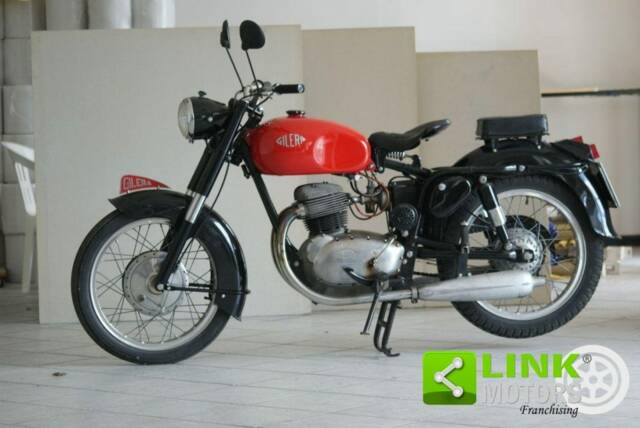
1976 | Gilera B 300
-
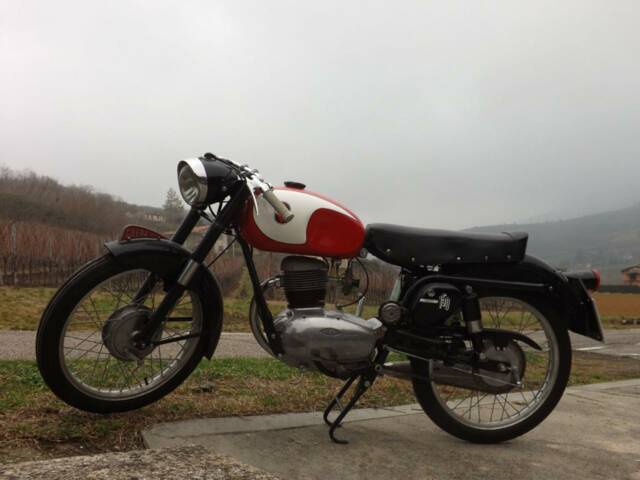
1955 | Gilera 150
-
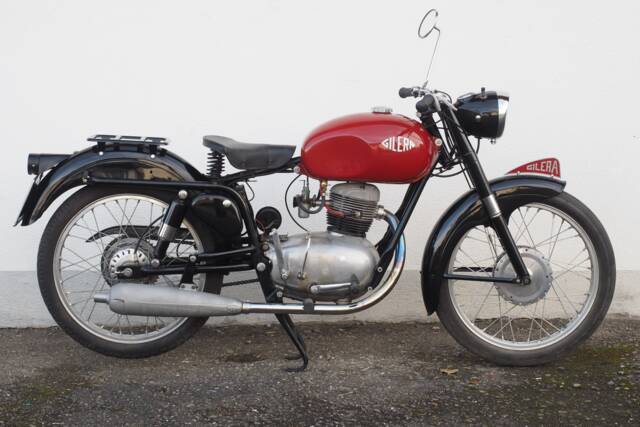
1955 | Gilera 150 Sport
sehr schöner restaurierter Zustand
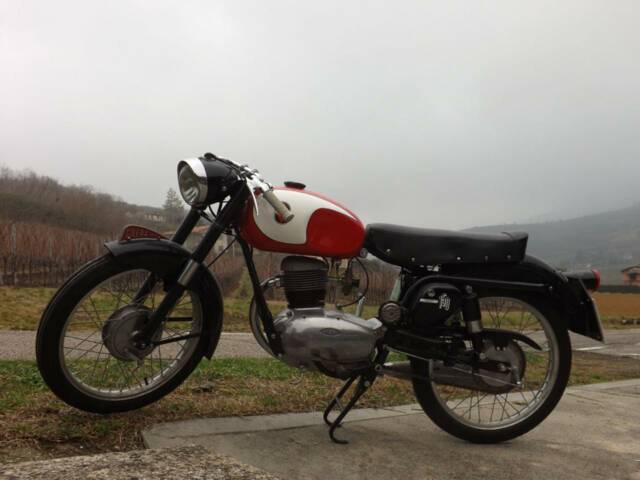
1955 | Gilera 150 Sport
-
For over a century, the factory in Arcore, Lombardy, has been a powerhouse of Italian motorcycling. From the first self-designed VT 317 in 1909 to the legendary four-cylinder racing machines that dominated the 1950s, and the characterful singles of the post-war era: Gilera stands for technical innovation, racing hunger, and an unmistakable Italian signature. The brand has experienced the heights of the motorsport Olympus as well as deep economic crises – yet it endures today as a prestigious part of the Piaggio Group. For British enthusiasts, Gilera holds a special place in the heart, forever linked to the heroics of Geoff Duke and Bob McIntyre on the world's most demanding circuits.
History of Gilera
Giuseppe Gilera founded his motorcycle manufactory in Milan in 1909, having honed his craft at Bianchi and Moto Reve. His first creation, the VT 317, featured a self-developed 7 hp single-cylinder engine mounted on a bicycle frame. Within its first year, Gilera won a hill climb with it. By 1911, he started a modest racing team that began achieving regional successes.
In the 1920s, models like the 3.5 HP Turismo (1920) and the VLSS (1925) emerged. In 1923, Gilera presented a four-cylinder engine with 28 hp – a technical sensation for the time. The VT and VL models of the 1930s established the brand's reputation as an innovative manufacturer.
A pivotal moment came in 1934 when Giuseppe Gilera acquired the rights to the four-cylinder engine project from the CNA aircraft factory and hired the engineer and racing driver Piero Taruffi. Taruffi further developed the machine, leading to spectacular racing successes. Between 1935 and 1937, the fully streamlined Rondine four-cylinder machine, producing 60 hp, set a world speed record of 152 mph (244 km/h).
World War II halted development, but after 1945, Gilera dominated the premier class. With supercharging banned, Giuseppe Gilera had to completely redesign the engines. The Gilera 500 Four secured a total of six World Championship titles in the 500cc class between 1950 and 1957. Riders like Umberto Masetti (1950, 1952), Geoff Duke (1953, 1954, 1955), and Libero Liberati (1957) claimed 44 Grand Prix victories. The four-stroke four-cylinders, initially producing 80 hp and later 88 hp at 11,000 rpm, weighed only 120 kg and were considered technical masterpieces. In 1957, Bob McIntyre made history on a Gilera by becoming the first rider to break the 100 mph lap barrier at the Isle of Man TT.
In the 1970s, Gilera faced massive pressure from Japanese competition. Rescue came in the early 1980s through the takeover by the Piaggio Group. The revival of the classic Saturno 500 (1989) was received cautiously in Europe but broke sales records in Japan. Later, Gilera produced Supermoto machines and, from the 2000s onwards, focused on high-performance sporting scooters like the Runner series, which became a staple of UK urban and "Mod" culture.
Highlights of Gilera
Gilera 500 Four (1950–1957): The racing machine that ruled the World Championships. Featuring double overhead cams, four carburettors, Lucas magneto ignition, and a revolutionary low-slung oil sump, it was years ahead of its time. With 88 hp and a weight of just 120 kg, it boasted a power-to-weight ratio that even modern machines must respect.
Gilera Saturno 500 (1946–1959, Revival 1989): The most famous road-going Gilera of the post-war era. The 499cc single-cylinder OHV engine with horizontal rear suspension and friction dampers produced around 44 hp. Its design, featuring a vertical cylinder and a bolted cylinder head, made maintenance straightforward. Built as a production model until 1959, the Saturno was often called the "Italian Gold Star," a nod to the BSA. The 1989 revival, with 492cc and a five-speed gearbox, was originally developed for the Japanese market but found a cult following in the UK.
Gilera Arcore 5V (1972–1979): Named after the company's headquarters, the Arcore was a sporty single-cylinder four-stroke available in 125cc or 150cc. The 125cc version sold particularly well in Europe. The engine, drivetrain, and chassis were revised several times, making it a reliable machine for beginners and purists alike.
Gilera Runner 125/180 (1997–2005): While technically a scooter, the Runner redefined the category in the UK. The 180cc two-stroke (FXR) version, in particular, became a legend for its "wheelie-on-demand" power and sharp handling. It bridged the gap between traditional scooters and motorcycles, becoming a modern icon for a new generation of "Mods" and urban riders.
Gilera XRT 600 (Late 1980s): A Paris-Dakar inspired enduro with a 554cc single-cylinder DOHC engine (41 hp), liquid cooling, and disc brakes front and rear. With a dry weight of 190 kg, it was built robustly for long-distance adventures.
Gilera Giubileo 125 (1960s): A compact single-cylinder four-stroke with characteristic Italian design. Popular with riders who wanted everyday practicality combined with a sporty appearance.
Technical Data of Selected Models
Market Overview & Buying Tips
Price Ranges by Model and Condition
Gilera Saturno 500 (1946–1959):
Well-maintained, restored examples fetch between £7,000 and £16,000. At UK and European auctions in 2024/2025, prices have remained strong for good 1950s models. Special versions like the "Sport" or "Competizione" can command significantly higher prices. Matching numbers and original logbooks (buff or green) are highly prized by UK collectors.
Gilera Saturno 500 (1989 Revival):
This late revival is rarer in the UK and typically trades between £4,500 and £8,500, depending on mileage and originality. As most were exported to Japan, UK examples are often "grey imports," so check for correct UK lighting and registration documents.
Gilera 500 Four (Racing Machines):
Original factory racing machines are extremely rare and virtually priceless. High-quality replicas and "re-creations" (sometimes built from original factory parts or to exact specifications) have been seen at auction for £50,000 to £150,000+. A genuine, race-proven original would easily reach six figures.
Gilera Runner 125/180 (Two-Stroke):
Once common, clean and original two-stroke Runners are now becoming modern classics. Expect to pay £1,500 to £3,500 for a good FXR 180. Heavily modified or "tuned" examples are common; while they offer more power, original condition is what drives long-term value.
Gilera Arcore 125/150 (1972–1979):
An accessible entry point into classic Italian ownership, with prices ranging from £1,000 to £2,500. They are simple to work on, though finding original trim parts in the UK can be a challenge.
Gilera XRT 600:
This Paris-Dakar style enduro is currently an undervalued gem. Prices sit between £1,800 and £4,000. It offers a lot of character for the money, especially for those who enjoy the 80s adventure aesthetic.
Buyer Profiles
- Racing Historians & Collectors: Focused on the Saturno 500 (1946–1959), four-cylinder replicas, and early competition models. They value the connection to the "Golden Era" of GP racing.
- Modern Classic Enthusiasts: Seeking the Runner 180 or Saturno 1989. These buyers often grew up with these bikes and now want the best examples for weekend rides.
- Italian Bike Purists: Drawn to the Arcore or Giubileo for their simple, elegant engineering and "small-capacity" charm.
- Adventure Riders: Looking for the XRT 600 as a unique alternative to the more common Japanese enduros of the era.
Brand-Wide Characteristics
- Mechanical Simplicity: The single-cylinder models are generally easy to maintain. Parts for the Saturno and Arcore are available through specialists, often based in Italy or the UK.
- Engineering Quality: While the 1950s machines are built like watches, the 1970s and 80s models can sometimes suffer from typical Italian electrical gremlins. Check the wiring harness and connectors on Arcore and XRT models.
- Parts Availability: For the Saturno, there is a dedicated community. For the Runner, parts are plentiful but "original" bodywork is becoming scarce. For racing replicas, parts often need to be custom-fabricated.
- Investment Potential: The 1950s Saturno 500 is a blue-chip Italian classic. The Runner 180 is rapidly appreciating as Gen X and Millennial collectors enter the market.
Market Trends
- The 1950s Saturno 500 remains one of the most desirable Italian singles, with prices steadily climbing.
- The British connection (Geoff Duke, Bob McIntyre) ensures that Gilera racing history is highly respected in the UK market.
- There is a growing "Modern Classic" movement in the UK, where high-performance scooters like the Runner are being treated with the same respect as traditional motorcycles.
- Adventure-style classics like the XRT 600 are starting to see increased interest as the "Dakar" look becomes more popular.
Riding Experience & Performance
Gilera Saturno 500: Riding a Saturno is an exercise in pure Italian motorcycling. The vertical single-cylinder vibrates with character, and the four-speed gearbox requires deliberate, timed shifts. The horizontal rear suspension and friction dampers feel "honest" by modern standards – you feel every nuance of the road. It is not a machine for high-speed motorways but for B-roads where you can celebrate the craft of riding. The sound is unmistakable: a deep, rhythmic thumping that turns into a sharp bark as the revs rise.
Gilera 500 Four: As a pure racing machine, this is for the track and the experienced hand only. The power-to-weight ratio is staggering for its era, the throttle response is instant, and the brakes (for the 1950s) were top-tier. Owning a replica is about the sensory experience – the scream of the four-cylinder engine at 11,000 rpm is one of the greatest sounds in all of motorsport.
Gilera Runner 180 FXR: A revelation in the scooter world. The two-stroke engine provides an explosive power delivery that can catch the unwary off-guard. It handles with a precision that belies its scooter silhouette, making it a formidable weapon in urban traffic or on twisty backroads. It’s a "hooligan" bike in a suit, offering a visceral riding experience that modern four-stroke scooters struggle to match.
Gilera Arcore 5V: An honest, lightweight bike for city and country. The single-cylinder is economical, and the riding position is upright and comfortable. While not fast, it is incredibly nimble. The Arcore teaches you how to maintain momentum – a perfect school for the art of motorcycling.
Gilera XRT 600: An enduro character with a robust single-cylinder heart. The riding position is commanding, and the long-travel suspension soaks up bumps with ease. The engine provides good mid-range torque, ideal for green-laning or touring. At 190 kg, it’s not the lightest, but it is stable and capable of long distances.
Design & Philosophy
Designer & Philosophy: Giuseppe Gilera and his engineers followed a philosophy of technical excellence. Function often dictated form, yet the machines possessed a puristic elegance. The vertical cylinder of the Saturno, the exposed valve springs, and the bolted cylinder heads all showcase the honesty of Italian engineering.
The four-cylinder racing machines of the 1950s were aerodynamic masterpieces. Narrow fairings, low-slung oil sumps, and a minimalist approach meant every gram counted and every line served the pursuit of speed.
The Arcore models of the 1970s showed a more pragmatic approach: clean lines, functional tanks, and robust mudguards. The design targeted young riders who valued Italian flair but needed reliability for daily use.
The Runner series brought a "DNA" of sportiness to the scooter world. Its central "spine" frame (unusual for a scooter) gave it the rigidity of a motorcycle, while its aggressive styling signaled its performance intentions.
Target Group
- 1950s Saturno: The "Gentleman Racer" who appreciates style and engineering – not a mass-market product, but a statement of taste.
- Four-Cylinder Racing Machines: For the serious collector or historic racer – the absolute peak of performance.
- Runner 125/180: Urban commuters, modern-day Mods, and performance seekers who want motorcycle thrills in a practical package.
- Arcore/Giubileo: New riders, urban dwellers, and lovers of lightweight, simple Italian machinery.
- XRT 600: Tourers, adventurers, and those nostalgic for the golden era of the Paris-Dakar rally.
Racing Heritage & Cultural Significance
The Golden Era: Between 1950 and 1957, Gilera was the benchmark in the 500cc class. Their dominance was so absolute that when they withdrew from racing in 1957 (officially due to costs), it was partly because they had run out of worlds to conquer. The four-cylinder technology eventually found its way to MV Agusta, where it continued to dominate for years.
The British Connection: For UK fans, the names Geoff Duke and Bob McIntyre are inseparable from Gilera. Duke, the quintessential British gentleman racer, brought a level of professionalism and style that transformed the sport. His three consecutive world titles for Gilera (1953-1955) made the Italian brand a household name in Britain.
The 100 mph Barrier: Bob McIntyre’s historic lap at the 1957 Isle of Man TT remains one of the greatest feats in motorcycling history. Averaging over 100 mph for a full lap of the Mountain Course on his Gilera Four, he shattered a psychological barrier and cemented Gilera’s place in the pantheon of racing greats.
Mod Culture & The Runner: In the late 90s and early 2000s, the Gilera Runner became the "scooter of choice" for a new generation of British youth. While traditionalists stuck to Vespa and Lambretta, the "Automatic" crowd embraced the Runner for its speed and modern Italian style, creating a new chapter in the UK's long-standing scooter subculture.
Summary
Gilera is more than just a motorcycle brand; it is a vital chapter in the history of speed. The four-cylinder racing machines set technical standards that defined an era, while the Saturno 500 remains a masterpiece for purists who value mechanical soul over modern convenience. The Runner series proved that Gilera could innovate for a new generation, bringing racing performance to the streets of Britain.
Buying a Gilera is not just about acquiring a vehicle; it’s about owning a piece of Arcore’s engineering legacy – a machine with character, history, and a soul that modern bikes often lack. Whether you are drawn to the GP-winning heritage of the 1950s or the cult-classic status of the two-stroke era, Gilera offers a unique and rewarding ownership experience. As prices for the most iconic models continue to rise, there has never been a better time to find your own piece of Italian racing history.