- Motorcycle
- Fantic (0 offers)
Buy Fantic Motorcycle
Fantic Motor is the ultimate underdog of the Italian motorcycle world, blending trials world championships with the cult status of the Caballero. From 1970s moped madness to world-class off-road performance, Fantic offers a unique mix of style and engineering.
Search results
Currently, there are no matching listings for your search.
Create search alert
Let yourself be notified as soon as a listing is published that matches your search filters.
Fantic listing references from Classic Trader
Below you will find listings related to your search that are no longer available on Classic Trader. Use this information to gain insight into availability, value trends, and current pricing for a "Fantic" to make a more informed purchasing decision.
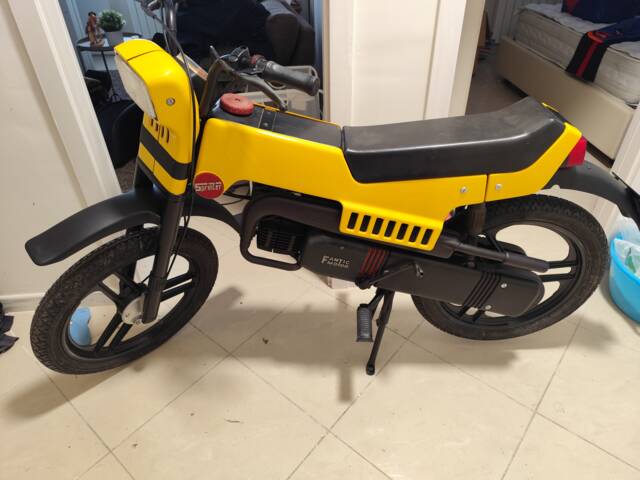
1983 | Fantic Sprinter
Rarissimo ciclomotore

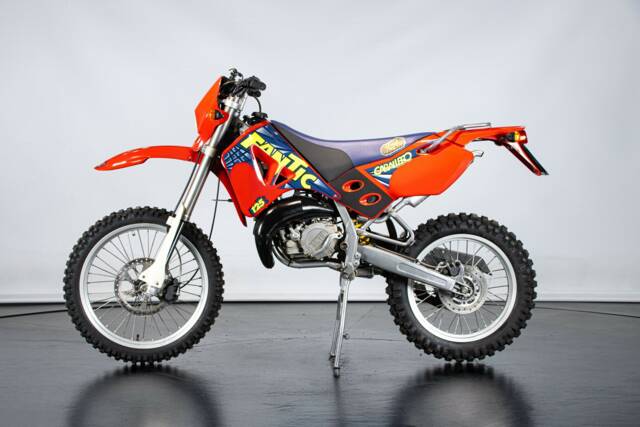
1996 | Fantic Caballero 125
Fantic Motor CABALLERO 125 XM
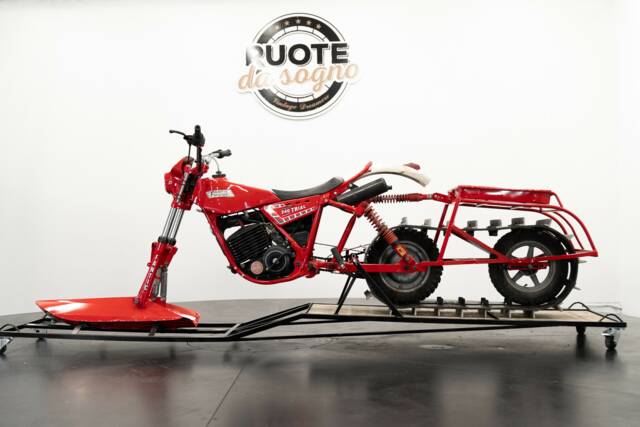
1985 | Fantic Trial 240 Professional
Fantic Motor 240 Alpen Scooter
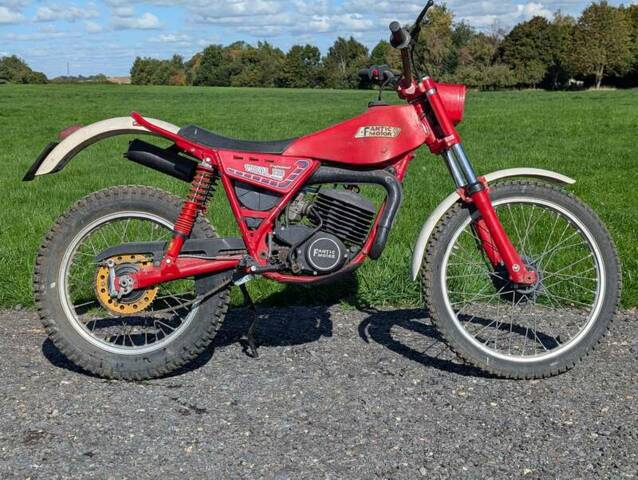
1982 | Fantic Caballero 125 Regolarità Competizione
c.1982 Fantic FM237 Trials Bike 124cc

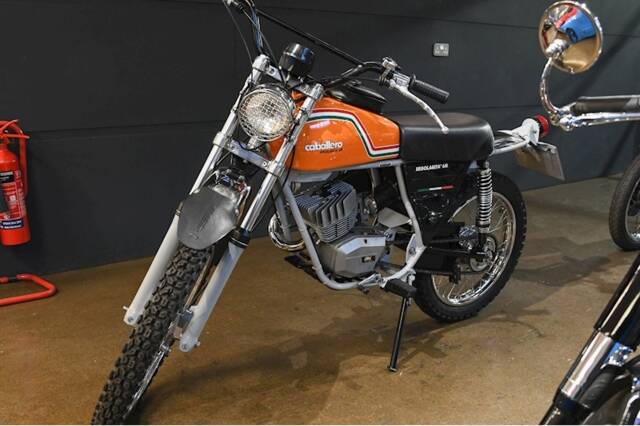
1973 | Fantic Caballero 50 Regolarità
Fantic Caballero Regolarita
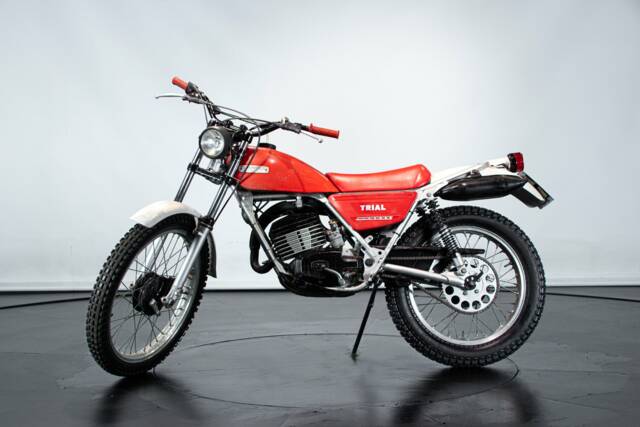
1981 | Fantic Trial 125
-
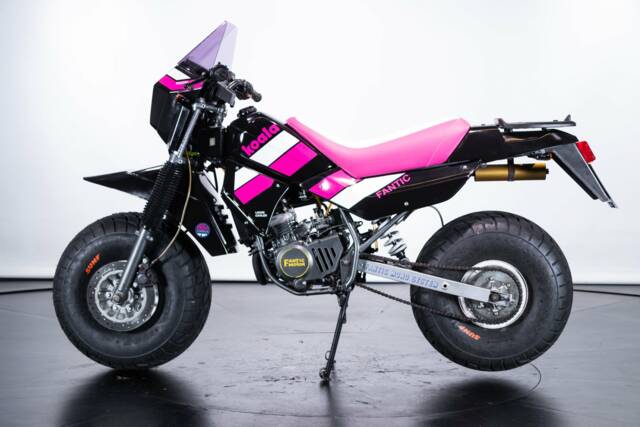
1988 | Fantic Koala 50
-
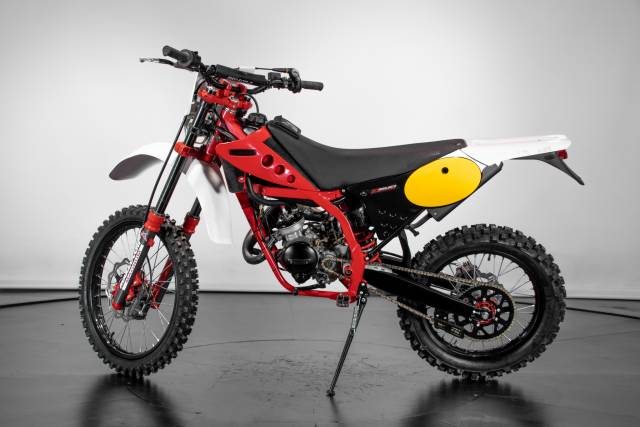
2005 | Fantic Caballero 50 Regolarità Competizione
-
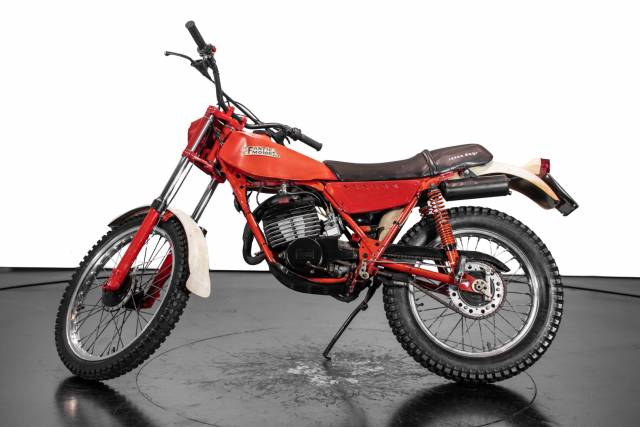
1983 | Fantic Trial 200 (FM350)
-
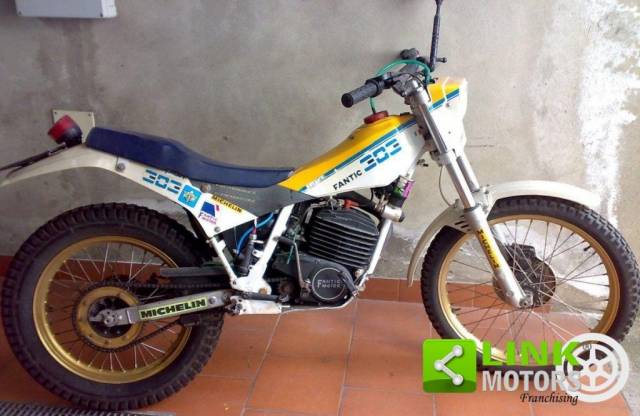
1988 | Fantic Trial 303
FANTIC MOTOR Trial 125 Fantic-Motor Trial-125
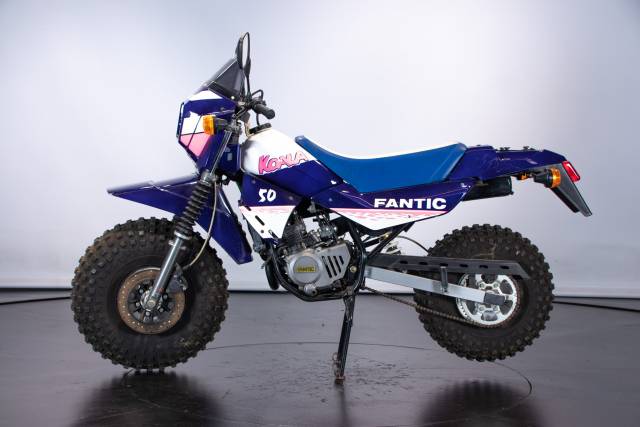
1984 | Fantic Koala 50
-
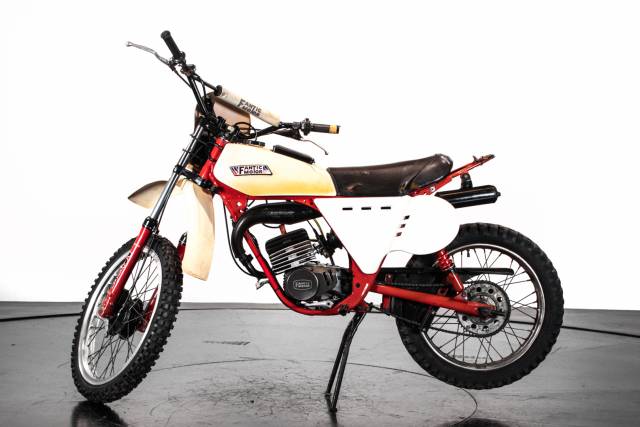
1980 | Fantic Caballero 50 TX 190
-
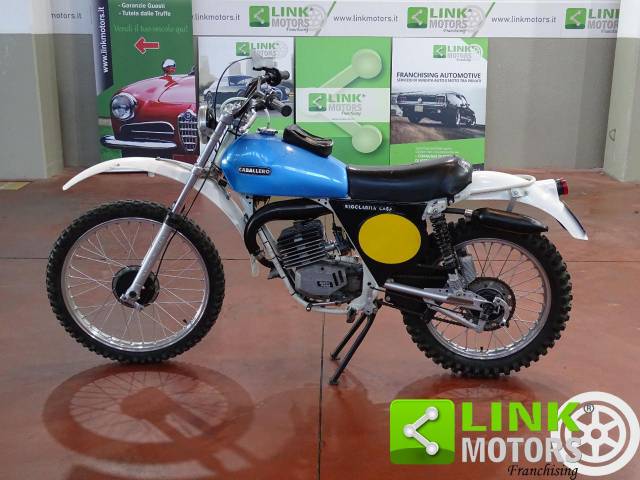
1976 | Fantic Caballero 50 Regolarità
FANTIC MOTOR Cab. Reg. 50 Caballero Regolarità Casa TX190
Create search alert
Let yourself be notified as soon as a listing is published that matches your search filters.
History & Heritage
Fantic Motor was founded in 1968 in Barzago, Italy, by Dr Mario Agrati and Henry Keppel-Hesselink. Both founders had previously worked for Agrati Garelli, but they saw a gap in the market that the established manufacturers were ignoring: the burgeoning demand for small, fun, off-road motorcycles, particularly in the United States. While the company initially focused on mini-bikes and go-karts for export, it quickly pivoted towards larger motorcycles that would define its legacy.
The brand's name itself is a portmanteau of "Fantastic Motor", a title that reflected the founders' ambition to create something truly special. By 1969, Fantic was already producing the Broncco mini-bike, but the real revolution arrived in 1970 with the launch of the Caballero. This 50cc enduro machine became an overnight sensation, especially in the United Kingdom and Italy.
In the UK, the timing was perfect. On 15th December 1971, the "sixteener law" was introduced, restricting 16-year-old riders to 50cc machines fitted with pedals. While most manufacturers responded with pedestrian "shopping bikes", Fantic saw an opportunity. They fitted the Caballero with a token set of pedals to comply with the law, creating a "sports moped" that looked and performed like a proper off-road motorcycle. For a generation of British teenagers, the Caballero wasn't just a bike; it was a passport to freedom and the most desirable machine on the road.
Throughout the 1970s, Fantic expanded rapidly, becoming Italy's second-largest motorcycle manufacturer. They developed a wide range of enduro and trials bikes, powered primarily by reliable and tuneable Minarelli and Franco Morini two-stroke engines. The Fantic Chopper, launched in the mid-70s, capitalised on the "Easy Rider" craze, offering a miniature version of the American dream to younger riders.
The 1980s were Fantic’s golden years in competition. The brand moved away from purely leisure bikes towards world-class competition machines. In 1981, they secured the Enduro World Championship, proving they could beat the Japanese giants. However, their greatest success came in the world of trials. Partnering with French rider Thierry Michaud, Fantic dominated the sport. Michaud won three World Trials Championships (1985, 1986, and 1988) riding the legendary Fantic 303. These victories cemented Fantic's reputation as a leader in trials technology, with their bikes known for being exceptionally light and manoeuvrable.
Despite their racing success, the 1990s brought economic hardship. The rise of Japanese competition and a declining interest in small-capacity two-strokes hit the European industry hard. Fantic declared bankruptcy in 1995, and the factory in Barzago fell silent. For a decade, the brand was largely dormant, kept alive only by a dedicated community of enthusiasts and restorers.
The revival began in 2005 when the brand was acquired by VeNetWork, a group of Italian entrepreneurs. They moved production to Casier near Treviso and relaunched the brand with a focus on its heritage. The new Caballero range, launched in 2015, paid homage to the original 1970s design but featured modern four-stroke engines. In a major move in 2019, Fantic acquired the Motori Minarelli factory from Yamaha, bringing their engine production back in-house and completing a symbolic circle in the brand's history. Today, Fantic continues to produce high-quality off-road and "New Heritage" motorcycles that stay true to the spirit of the 1968 originals.
Highlights & Features
Fantic’s success has always been rooted in a few core principles: lightweight construction, exceptional handling, and the use of high-performance two-stroke engines. Whether it was a learner-legal moped or a world-championship-winning trials bike, Fantic machines were designed to be "racers for the road" or specialized tools for the dirt.
The Fantic Caballero remains the definitive model for the brand. Its most distinctive feature, especially in the UK market, was its ability to look like a 125cc or even a 250cc machine while remaining legally a 50cc moped. The early TX94 and TX190 models featured high-level exhausts, knobby tyres, and a rugged frame that could handle genuine green-laning. The use of the Minarelli P6 engine was a masterstroke; it was not only reliable but could be easily tuned, making the Caballero significantly faster than its rivals from Honda or Yamaha.
For trials enthusiasts, the Trial 303 represents the pinnacle of air-cooled monoshock design. Its standout features included an incredibly low weight (around 88 kg), a very short wheelbase, and a distinctive red and white livery. The 303 was the first bike to successfully challenge the dominance of Spanish manufacturers like Montesa and Bultaco. Its engine provided smooth, low-end torque that was essential for tackling technical sections. Later evolutions, like the 305 and 307, introduced liquid cooling and improved suspension, but the 303 remains the most sought-after by collectors.
The Enduro 125 Professional series was Fantic's answer to the hardcore off-road rider. These bikes were essentially street-legal versions of their factory racing machines. They featured high-quality components such as Marzocchi forks, Ohlins rear shocks, and Dell’Orto carburettors. The frames were lightweight chromoly steel, and the power-to-weight ratio was among the best in its class. These models are highly regarded today for their purity and competitive edge.
A more unusual highlight is the Fantic Chopper 125. While Fantic was known for off-road prowess, the Chopper was a pure styling exercise. With its raked-out forks, sissy bar, and banana seat, it captured the spirit of the 1970s perfectly. While not a performance machine, its rarity and unique design make it a high-value item in the modern collector market.
Technical Data
The technical specifications of classic Fantic motorcycles reflect their purpose-built nature. Most models relied on two-stroke technology, which offered the best power-to-weight ratio for off-road use.
Most classic Fantics used Dell'Orto carburettors, which are easy to tune and maintain. The engines, particularly the Minarelli units, are known for their longevity if run with high-quality two-stroke oil. One technical quirk of the UK-spec Caballeros was the inclusion of functional pedals; while rarely used for propulsion, they must be present and working to maintain the bike's historical "moped" legal status in some cases.
Market Overview & Buying Tips
The market for Fantic motorcycles in the UK is vibrant, driven by nostalgia for the 1970s "sixteener" era and a strong interest in vintage trials. Prices have seen a steady increase over the last five years, with the best examples now reaching significant figures at auction.
Caballero 50 & 125 (The Teenager's Dream)
The Caballero 50 is the most common model found in the UK. Because many were ridden hard by 16-year-olds and then left in sheds, finding an original, unmolested example is difficult.
- Price Range: A project bike can be found for £1,000–£1,500. Good, running examples typically fetch £2,500–£3,500. Exceptional, fully restored TX190 or TX94 models have sold for over £4,500 at specialized auctions like H&H.
- Buying Tip: Check the frame for rust, particularly around the swingarm pivot and the lower down-tubes. Ensure the engine is a genuine Minarelli unit and not a later replacement from a different brand. Original plastic bodywork is becoming rare and expensive, so a bike with intact fenders and side panels is worth a premium.
Trial 240 & 303 (The Collector's Choice)
Trials bikes are sought after both by collectors and by those who participate in "Twin-shock" or "Air-cooled Mono" trials events.
- Price Range: A Trial 240 in decent condition usually costs between £2,000 and £3,000. The championship-winning Trial 303 is more expensive, often reaching £3,500–£5,000 for a machine in competition-ready condition.
- Buying Tip: On trials bikes, the engine's mechanical health is paramount. Listen for bottom-end knocks. Check the state of the monoshock; rebuilding an original unit can be costly. Verify that the frame hasn't been cracked or poorly repaired from heavy competition use.
The Fantic Chopper (The Wildcard)
The Chopper 125 is a rare sight and appeals to a very specific type of collector.
- Price Range: Due to their rarity, prices are volatile. A complete, restored 125cc Chopper can command £8,000 to £12,000. The 50cc version is more affordable, typically priced between £2,000 and £4,000.
- Buying Tip: The chrome is the most important factor here. Replacing the specialized handlebars, sissy bar, and exhaust system is almost impossible as new-old-stock (NOS) parts have dried up. If the chrome is pitted or peeling, the restoration cost will be immense.
General Advice for Buyers
When looking at a classic Fantic, always verify the frame and engine numbers. In the 1970s and 80s, many of these bikes were used off-road without being registered, so ensuring the paperwork is in order for UK road use is vital if you intend to ride on the street. Parts availability is generally good for engines thanks to the Minarelli connection, but cycle parts (tanks, seats, plastics) often require sourcing from Italian specialists or eBay. Sites like TrialsCentral are excellent resources for technical advice and finding rare components.
Performance & Riding Experience
Riding a classic Fantic is an exercise in sensory overload. These are not refined, modern machines; they are loud, buzzy, and full of character. The performance is defined by the "on/off" nature of the two-stroke power band.
The Caballero 50 offers a riding experience that is far more involving than its small displacement suggests. Once you kick-start the engine and clear the initial two-stroke smoke, you have to work the six-speed gearbox constantly to keep the bike in its sweet spot. Between 6,000 and 9,000 RPM, the bike comes alive with a crisp, metallic rasp. The handling is light and nimble, making it a joy to flick through narrow country lanes or over light trails. It feels like a much larger bike, which was always part of its charm.
The Trial 303, by contrast, is a machine of precision. The riding position is standing-only (the seat is merely a suggestion), and the controls are feather-light. The engine doesn't scream like the Caballero; instead, it offers a rhythmic, "pop-pop-pop" at low revs, providing incredible grip on slippery surfaces. Riding a 303 is about balance and throttle control. The way the front wheel can be placed exactly where you want it is a testament to Fantic’s engineering. It’s a bike that makes you feel like a better rider than you probably are.
The Enduro 125 models provide a more traditional off-road experience. They are surprisingly fast for their age, with the 125cc Minarelli engine providing enough power to keep up with modern traffic. The long-travel suspension (usually Marzocchi) remains impressive today, soaking up bumps and ruts with ease. The only downside is the vibration; after an hour of riding, your hands will certainly feel the "two-stroke buzz."
Overall, Fantics are bikes for people who enjoy the process of riding. There is no ABS, no traction control, and no fuel injection. You have to manage the choke, mix the oil and petrol, and listen to what the engine is telling you. It is a raw, mechanical connection that few modern bikes can replicate.
Design & Aesthetics
Fantic’s design philosophy has always been "functionally beautiful." They didn't just build bikes that worked; they built bikes that looked fast even when they were standing still.
The Caballero design is a masterpiece of early enduro styling. The combination of the bright red fuel tank, the high-mounted chrome exhaust, and the yellow number boards (on later models) created a look that was aggressive yet elegant. The proportions were perfect; it didn't look like a moped with off-road tyres slapped on, but a purpose-built dirt bike that happened to have a small engine. The "Caballero" logo, with its stylized knight on horseback, added a touch of Italian flair that appealed to the fashion-conscious youth of the time.
The Trial 303 moved Fantic into a more modern, technical aesthetic. The red-painted frame became a structural part of the design, and the bodywork was reduced to the absolute minimum. The use of white plastics with bold red and blue decals gave the bike a "factory racer" look that was instantly recognisable. It was a functional design where every curve of the tank was shaped to allow the rider more movement during technical trials sections.
The Chopper was Fantic’s most daring design. It was a complete departure from their off-road roots, using long, raked forks and a low-slung frame to mimic the custom bikes seen in movies. The high level of chrome and the distinctive "banana" seat made it a standout on any 1970s high street. It proved that Fantic wasn't just a manufacturer of competition bikes, but a brand that understood the cultural trends of the time.
Even the smallest details on a Fantic, from the shape of the Dell'Orto carburettor to the "Made in Italy" stamp on the engine cases, speak to a heritage of craftsmanship. While the build quality of Italian bikes of this era can sometimes be described as "characterful" (with thin paint and occasionally temperamental electrics), the underlying design remains timeless.
Motorsport & Culture
Fantic’s cultural impact in the UK cannot be overstated. For those who grew up in the 1970s, the brand is synonymous with the "moped craze." Before the advent of the 125cc learner limit in the early 80s, the 50cc sports moped was the peak of teenage aspiration. While the Yamaha FS1-E (the "Fizzy") was more common, the Fantic Caballero was the choice of the discerning rider—the one who wanted to go faster and look cooler.
The brand's success in trials also fostered a huge enthusiast community in Britain. The UK has always been a stronghold for trials riding, and Fantic’s dominance in the 1980s with Thierry Michaud made them the go-to brand for club-level riders. This legacy continues today through events like the Pre-65 and Twin-shock trials, where Fantics are still a dominant force.
In the world of professional motorsport, Fantic was the "little team that could." Seeing a small Italian manufacturer take on and beat the massive R&D budgets of the Japanese firms was a source of inspiration for many. Their three world titles in the 80s are still celebrated at vintage motorcycle festivals like the Stafford Classic Bike Show and the Goodwood Festival of Speed.
Fantic also holds a place in pop culture as a symbol of 1970s Italian cool. They were the bikes seen in Italian films of the era and were often the first choice for celebrities and racers as pit bikes. Today, that cultural capital is being leveraged by the revived Fantic brand, which uses its heritage to sell modern bikes to a new generation of riders who value authenticity and style.
Summary
Fantic Motor is a brand that punchs far above its weight in the history of motorcycling. From its humble beginnings in Barzago to its current status as a revived powerhouse of Italian design, Fantic has consistently delivered bikes that capture the imagination.
For the collector, a classic Fantic offers a unique opportunity. Whether it’s the nostalgia of a Caballero 50, the championship pedigree of a Trial 303, or the sheer eccentricity of a Chopper, there is a Fantic for every taste. The market in the UK remains strong, supported by a knowledgeable community and a decent supply of parts.
Buying a Fantic is not just about owning a piece of machinery; it’s about owning a piece of history. It’s about the sound of a crisp two-stroke engine, the smell of pre-mix, and the thrill of a bike that prioritises fun and performance over everything else. In an age of increasingly digital and sanitized motorcycles, the raw, mechanical honesty of a classic Fantic is more appealing than ever.
Whether you are looking to relive your youth on a sports moped or want to compete in vintage trials, a Fantic motorcycle is an investment in pure riding pleasure. As the brand continues to grow and innovate today, the value and respect for its classic predecessors will only continue to rise. If you find a well-maintained Fantic for sale, our advice is simple: buy it, ride it, and enjoy one of the most charismatic names in motorcycling.
Collector Models and Market Context
When searching for a Fantic, several models stand out as key targets for enthusiasts. The Caballero 50 in its various "Regolarità" forms is the entry point for many, offering an affordable way into the brand with high nostalgic value. For those interested in the 125cc class, the Enduro Professional models offer genuine competition performance that is still capable on modern trails.
The trials world is dominated by the Fantic 200 (twin-shock) and the Fantic 300 series (monoshock). These bikes are legendary for their grip and balance. Finally, the Chopper remains the holy grail for those who value rarity and 1970s design above all else.
In the current UK market, auction results reflect the growing status of the brand. While you could once pick up a project Caballero for a few hundred pounds, those days are long gone. The UK’s "sixteener" generation is now reaching retirement age and looking to buy back the bikes they loved as teenagers, which is keeping prices buoyant. With the new Fantic company successfully selling modern Caballeros, the visibility of the classic models has never been higher.
Maintenance and Ownership
Owning a Fantic requires a hands-on approach. You will need to become familiar with basic two-stroke maintenance: cleaning carburettors, replacing spark plugs, and ensuring the correct oil mix. However, the simplicity of these bikes makes them an excellent choice for a home mechanic. There are several dedicated specialists in the UK and Italy who can provide advice and parts, making ownership far less daunting than it might first appear.
In conclusion, Fantic represents the very best of the Italian boutique motorcycle industry. They are bikes with soul, built with passion and a deep understanding of what makes riding exciting. Whether you are browsing listings for your first classic or adding to a collection, a Fantic Motor motorcycle is a choice you are unlikely to regret.