- Motorcycle
- CZ (0 offers)
Buy CZ Motorcycle
Discover the rugged legacy of CZ motorcycles, the Czechoslovakian powerhouses that once dominated the world motocross stage. From the iconic Twin Port racers to dependable roadsters, these two-stroke classics offer a unique blend of Eastern Bloc engineering and legendary racing pedigree.
Search results
Currently, there are no matching listings for your search.
Create search alert
Let yourself be notified as soon as a listing is published that matches your search filters.
CZ listing references from Classic Trader
Below you will find listings related to your search that are no longer available on Classic Trader. Use this information to gain insight into availability, value trends, and current pricing for a "CZ" to make a more informed purchasing decision.
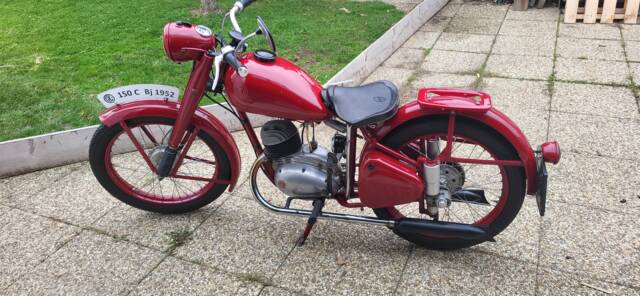
1952 | CZ 150
Top Zustand

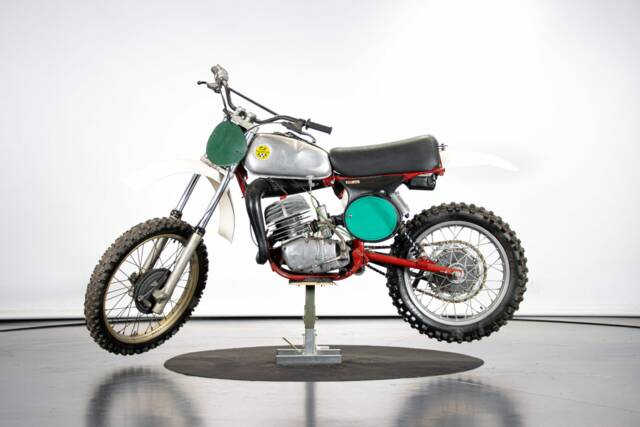
1970 | CZ 250 Moto Cross
MXR 250 CZ

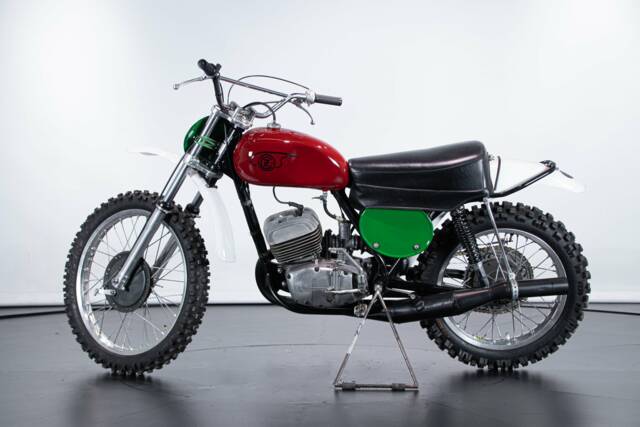
1970 | CZ 250 Moto Cross
-
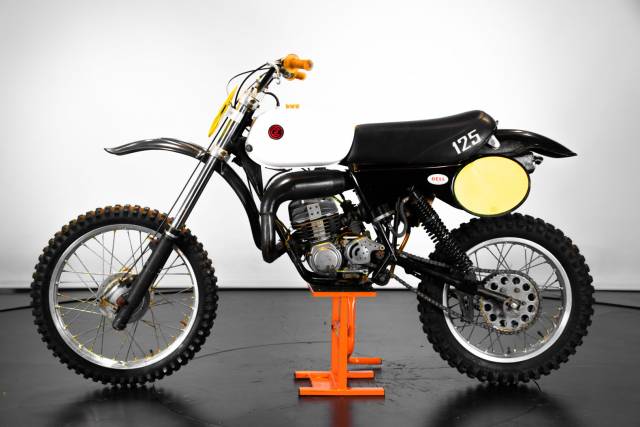
1986 | CZ 125 Cross
-
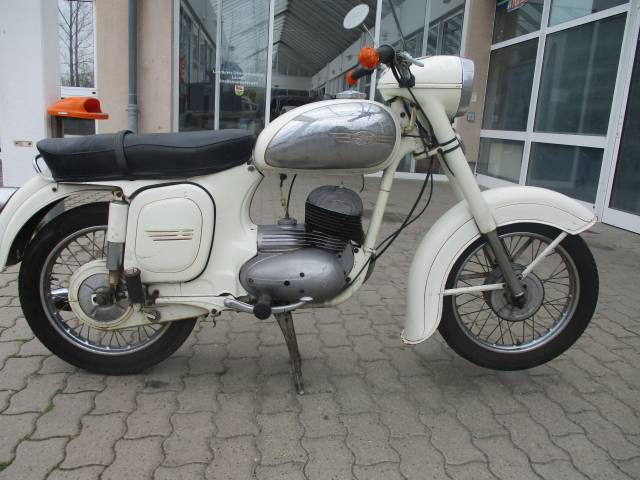
1962 | CZ 125
CZ 125 Modell 453

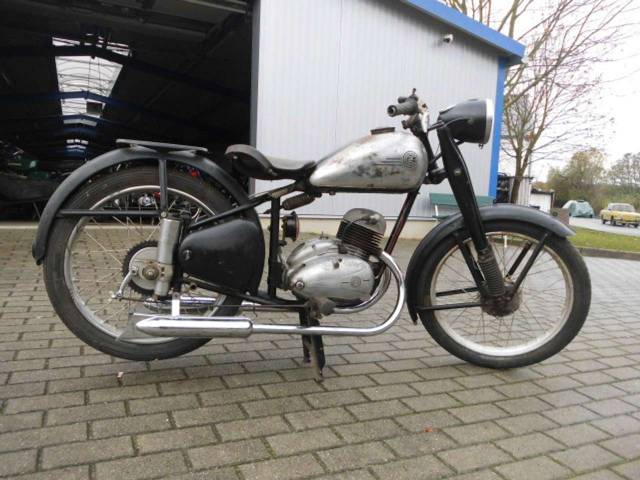
1950 | CZ 150
Jawa CZ 150
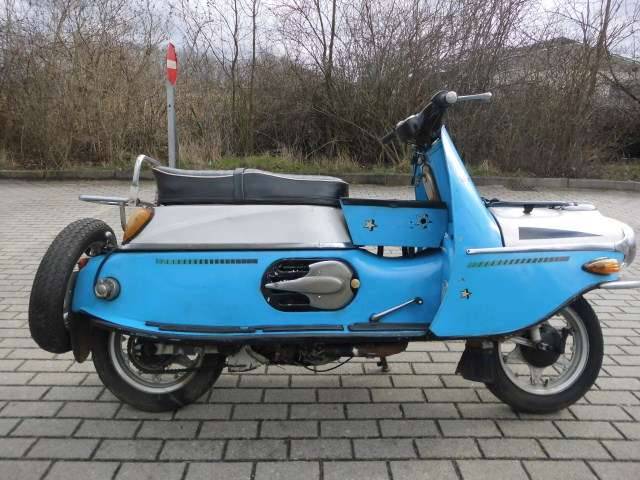
1963 | CZ 175 Mirimin
CZ 175 Cezeta 502
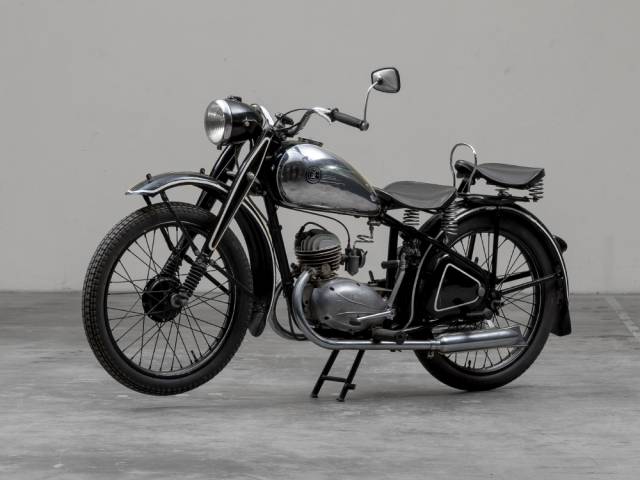
1947 | CZ 125
Classic Cars & Racing Bikes, 08.12.2016, 703
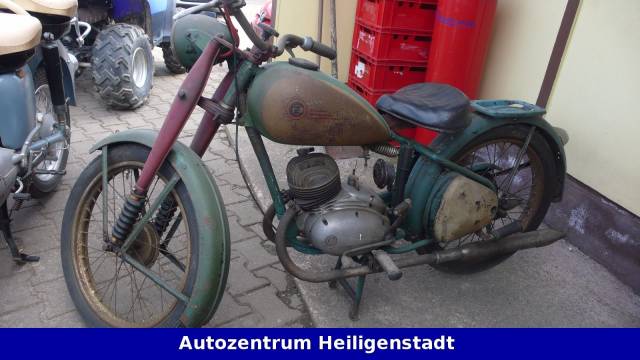
1939 | CZ 150
CZ-150
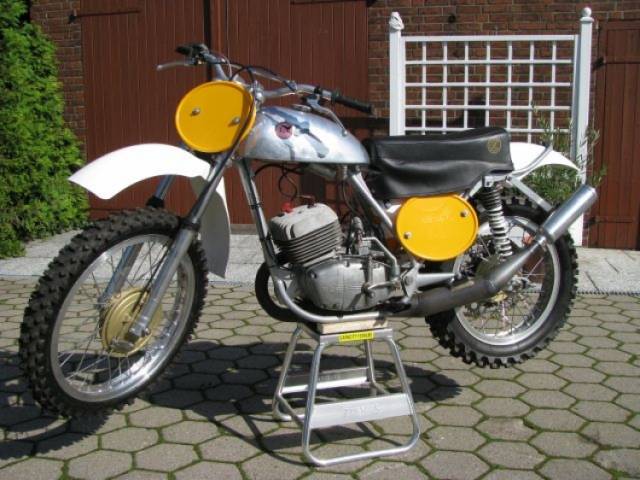
1972 | CZ 250 Moto Cross
CZ 250 Motocross
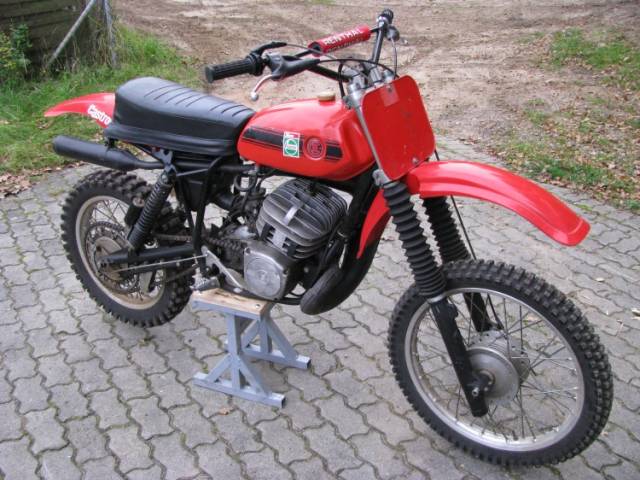
1985 | CZ 250 Moto Cross
CZ 250
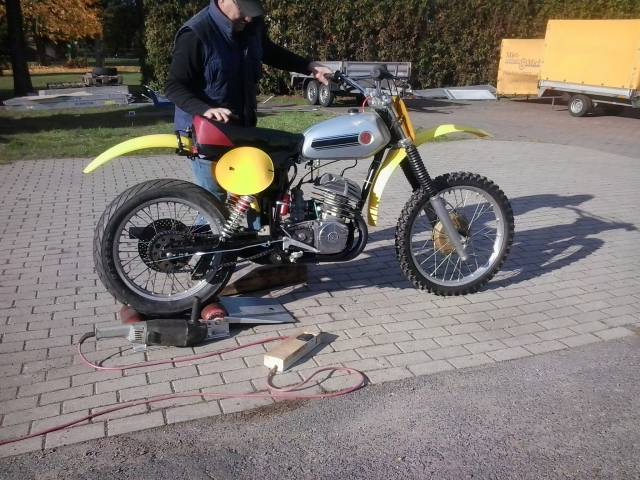
1982 | CZ 380
Create search alert
Let yourself be notified as soon as a listing is published that matches your search filters.
History & Heritage
The story of CZ is one of the most remarkable underdog tales in the history of the motorcycle industry. To understand the brand, one must look toward the town of Strakonice in what was then Bohemia, now the Czech Republic. Founded in 1919, Česká Zbrojovka, or the Czech Arms Factory, was never intended to produce two-wheeled transport. As the name suggests, the company was a state-backed armament manufacturer, producing pistols and rifles for the military and police. However, the economic shifts of the late 1920s and early 1930s forced the company to diversify to survive.
In 1931, the first CZ motorised bicycle appeared. It was a humble machine, essentially a heavy-duty bicycle frame fitted with a 76cc auxiliary engine. It was simple, affordable, and precisely what the cash-strapped public needed. By 1932, the company moved into proper motorcycle production with a 98cc model, followed quickly by 175cc and 250cc variants. These early pre-war machines were known for their pressed-steel frames and sturdy construction, a hallmark of their weapons-grade manufacturing origins.
The 1930s saw CZ grow into a sophisticated engineering firm. They introduced flat-top pistons and their patented diagonal scavenging system in 1937, which significantly improved the efficiency of their two-stroke engines. By 1938, they were even producing a 350cc single and a 500cc twin-cylinder machine. However, the outbreak of the Second World War brought production to a halt as the factory was seized by German forces and returned to its original purpose: making weapons.
Following the war and the subsequent communist takeover of Czechoslovakia in 1948, the industrial landscape changed forever. CZ was nationalised and, in 1949, was merged with its former rival, Jawa, to form the Jawa-CZ conglomerate. While they shared technology and production facilities, the brands maintained distinct identities. CZ became the focused competition arm, while Jawa often handled the more prestigious road bikes and sidecar outfits.
The 1960s marked the golden era for CZ. It was during this decade that the brand became a household name in the United Kingdom and across the globe. The arrival of Dave Bickers, the 'Ipswich Iron Man', as the UK importer and star rider transformed the brand's image in the British Isles. Bickers saw the potential in the lightweight, punchy two-strokes coming out of Strakonice. At a time when British manufacturers were still clinging to heavy four-stroke singles, CZ brought a revolution.
Between 1964 and 1968, CZ was virtually untouchable in the Motocross World Championships. Belgian legend Joel Robert took the 250cc title in 1964, 1966, and 1968. In 1965, Soviet rider Viktor Arbekov claimed the crown. In the 500cc class, East German Paul Friedrichs achieved a historic hat-trick of world titles from 1966 to 1968, all aboard CZ machinery. These victories were not just wins; they were displays of absolute dominance over Western European and Japanese rivals.
In the UK, the impact was profound. The AMCA and VMCC scrambles scenes were flooded with CZs. They were the bike to have for any aspiring clubman because they were affordable, reliable, and fundamentally faster than almost anything else on the track. The 1970s saw the introduction of the famous 'Coffin Tank' models, which became a staple of the American and British motocross boom. Although production eventually declined as Japanese manufacturers caught up and surged ahead, the legacy of CZ as the 'Czechoslovakian Master' remains firmly etched in motorcycle history. Production finally ceased in 1997, but for collectors in the UK and beyond, the name CZ still evokes the smell of Castrol R and the sound of a crisp two-stroke on a muddy Sunday afternoon.
Highlights & Features
When exploring the CZ market today, several specific models stand out as the primary targets for collectors and enthusiasts. Each represents a different era of the brand’s development and offers a distinct experience for the owner.
The CZ 125 & 175 Roadsters (Type 450, 476, 487)
These were the bread-and-butter machines of Eastern Europe and were imported to the UK in significant numbers during the 1970s and 1980s. Simple, rugged, and remarkably easy to work on, the 175cc models in particular were popular as commuter bikes in Britain. They featured a unique gear lever that also doubled as the kickstart. By pushing the lever inward and rotating it upward, it became the starter. It was a clever, space-saving design that remains a talking point today. For a modern collector, these roadsters offer an affordable entry into classic motorcycling. They are not fast, but they are full of character and surprisingly comfortable.
The CZ 250 Twin Port (Type 968)
Often cited as the 'Holy Grail' of CZ collecting, the Twin Port (approx. 1964-1966) is the machine that changed the face of motocross. Its name comes from the two exhaust ports on the single-cylinder engine, designed to dissipate heat more effectively and allow the engine to breathe better at high RPM. This was the bike Joel Robert used to decimate the competition. It was incredibly light for its time and produced around 22-25 horsepower. Finding an original Twin Port in the UK is a challenge, as many were raced to destruction or modified over the years. A genuine, matching-numbers Twin Port is a blue-chip investment in the motorcycle world.
The CZ 360 Side Pipe (Type 969)
The 360 Side Pipe is the big brother to the 250 and was the weapon of choice for the 500cc class. It gained its nickname from the high-mounted exhaust pipe that ran along the right side of the bike. This model carried Paul Friedrichs to his world titles. It offered a massive surge of torque and a very different riding style compared to the high-revving 250. The 360 is known for its incredible climbing ability and its ability to find traction in the most difficult conditions. It is a rare and highly sought-after machine that commands respect whenever it appears at a vintage event.
The CZ 250/380 'Coffin Tank' (1973-1975)
Perhaps the most recognisable CZ of all is the Coffin Tank. Named after its distinctive, angular, rectangular fuel tank, this model represented the last great push by CZ in the motocross market. These bikes were rugged, simple, and very effective. In the UK, they were the mainstay of the twinshock racing scene. The 380cc version (actually 381cc or 400 depending on the specific year and bore) provided brutal power that could still compete with newer Japanese machinery for several years. Today, these are the most common CZ competition bikes found on the market and are the perfect choice for someone looking to actually race in vintage scrambles.
The CZ 501/502 Cezeta Scooter
While primarily known for motocross, CZ also produced one of the most unique-looking scooters ever made: the Cezeta. With its long, torpedo-like body and the fuel tank mounted over the front wheel, it looks more like a 1950s concept of a spaceship than a scooter. It used the same reliable 175cc two-stroke engine found in the road bikes. In the UK, the Cezeta has a cult following. It is a design icon that stands out in any collection, offering a completely different aesthetic to the more common Italian Vespas and Lambrettas.
Technical Data
The following table provides a comparison of the key technical specifications for the most popular CZ models found on the UK market.
Note: Power figures for competition models are often estimates based on factory 'works' bikes versus the versions sold to privateers. Weights are dry weights and can vary based on the specific fuel tank and componentry used.
Market Overview & Buying Tips
The market for CZ motorcycles in the United Kingdom is currently in a state of steady growth. Unlike the skyrocketing prices of some British and Italian marques, CZ remains relatively accessible, though the 'special' models are increasingly becoming expensive.
Current UK Prices (2024-2025)
For those looking to enter the world of CZ, a road-going 175cc model in reasonable, running condition can often be found for between £1,200 and £2,200. Projects requiring a full restoration can still be picked up for as little as £500, as seen in recent auction results like the 1987 CZ 125 barn find that sold for £575.
In the competition sector, prices are higher. A decent, usable CZ 250 or 380 Coffin Tank will typically fetch between £3,500 and £5,500. Restored examples ready for the track or the show-stand can reach £7,000. The rare 250 Twin Port and 360 Side Pipe models are in a different league. A good Twin Port will rarely change hands for less than £8,500, and exceptional examples with racing provenance have been known to exceed £12,000 at specialist sales such as Bonhams Stafford. A 1964 CZ 250 sold for £4,830 at Stafford a few years ago, but values for top-tier bikes have climbed since then.
What to Look For
When inspecting a CZ, the first thing to check is the frame. CZs were used hard, especially the motocross models. Look for cracks or weld repairs around the headstock and the swingarm pivot. The Eastern European steel used was generally very strong, but decades of jumping and racing in British mud take their toll.
The engines are inherently simple but require correct maintenance. A healthy CZ engine should have strong compression. If the bike is difficult to kickstart or feels 'lazy' when warm, the piston rings or crankshaft seals may be worn. Crankshaft seals are a known weak point on older two-strokes that have sat for long periods; they can dry out and cause air leaks, leading to a lean-running condition and potential engine seizure.
Check the gearbox operation carefully. The CZ gearbox is strong, but the unique gear/kickstart mechanism can become finicky if the internal springs or pawls are damaged. Ensure the bike stays in gear under load and that the kickstart returns correctly to its resting position.
UK Registration and Spares
If you are buying an imported CZ from Eastern Europe, ensure it has the correct NOVA (Notification of Vehicle Arrivals) clearance and documentation. Registering a classic CZ with the DVLA is usually straightforward, especially if you have an age-related dating certificate from the JAWA CZ Owners Club. This club is an essential resource for any UK owner, offering technical advice, spares lists, and a lively community of enthusiasts.
Spare parts availability is surprisingly good. While some original 'new old stock' parts are becoming scarce, companies like JAWAPARTS.COM and specialist UK dealers like Monty Jawa or Feked provide a wide range of reproduction and service items. For competition riders, several specialists in the US and the Czech Republic produce high-performance engine parts and modern ignition systems to keep these old warhorses competitive on the track.
Riding Experience
Riding a CZ is a raw, mechanical experience that modern motorcyclists might find both challenging and exhilarating. There is no fuel injection, no traction control, and no ABS. It is just you, a carburettor, and a piston moving up and down very quickly.
Starting a classic CZ is a ritual. For the road bikes, it involves tickling the Jikov or Bing carburettor until fuel just begins to weep, setting the choke, and then using that clever fold-away kickstart lever. When it fires, the sound is unmistakable: a sharp, metallic 'ring-ding-ding' that settles into a rhythmic, smoky idle. The smell of two-stroke oil is an integral part of the experience, a scent that transports older riders back to the 1970s.
On the road, a CZ 175 is a lesson in momentum. You have about 10 or 12 horsepower at your disposal, so planning overtakes requires patience. The power delivery is linear, but there is a definite 'sweet spot' in the mid-range where the engine feels happiest. The suspension on the road models is basic but functional, providing a plush enough ride for B-road pottering. The brakes, usually single-leading-shoe drums, are adequate for the speeds these bikes reach, but they require a firm pull and plenty of foresight.
The motocross bikes are an entirely different animal. A CZ 250 Twin Port or a 380 Side Pipe is a physical machine to ride. The power comes on with a sudden, violent surge that can easily catch an inexperienced rider off guard. On a muddy track, the CZ's ability to find grip is legendary. The frame geometry, pioneered by the Strakonice engineers, allows the bike to track straight through ruts where other machines might struggle. The 'Coffin Tank' models, while heavier, offer a broader spread of power that makes them slightly easier to handle for the clubman racer.
The vibrations are part of the charm. At high RPM, the handlebars and footpegs will tingle, a reminder of the raw energy being produced by the simple engine. It is not a machine for long-distance touring, but for a 20-minute blast on a Sunday morning or a three-lap heat at a scramble, there is nothing quite like it. You feel every bump in the road and every pulse of the engine. It is motorcycling in its purest, most unadulterated form.
Design & Accessories
The design philosophy of CZ was always 'function over form'. Coming from an arms-manufacturing background, the engineers at Strakonice valued durability and ease of maintenance above all else. This resulted in a rugged, almost brutal aesthetic that has become highly prized by classic collectors.
The early pre-war machines were elegant in their simplicity, with their black paint and silver pinstriping. However, it was the post-war era that defined the 'CZ Look'. The transition to the iconic red and silver livery of the 1960s competition bikes created an image of speed and efficiency. The Twin Port and Side Pipe models are masterpieces of industrial design; the way the exhausts are routed is both a technical necessity and a visual statement.
The 'Coffin Tank' of the 1970s was a departure from the rounded tanks of the past. Its slab-sided, functional look was initially met with mixed reviews, but it quickly became an icon. The tank was designed to be easy to manufacture and to provide a slim profile for the rider’s knees while maintaining a decent fuel capacity. Today, an original, un-dented Coffin Tank is a valuable part for any restorer.
Accessories for classic CZs are generally focused on performance and reliability rather than aesthetics. For road riders, upgrading the 6V electrical system to a 12V Vape ignition is the most common modification. This provides much stronger spark and more reliable lighting, making the bike far safer to use on modern roads. For competition riders, period-correct accessories like Preston Petty fenders or Girling shocks are highly sought after to complete a 'period' build.
In the UK, the Dave Bickers connection also means that some bikes might feature 'Bickers Specials' parts. Bickers often modified the standard bikes to better suit British conditions, and any machine with a documented link to his Ipswich workshop carries a significant premium. Whether it is a modified frame or a hand-tuned engine, these parts are a tangible link to the golden age of British scrambling.
Racing Heritage
CZ’s racing pedigree is the foundation of its global reputation. While many manufacturers claimed to sell 'race-bred' machines, CZ truly lived it. The bikes that won world championships were fundamentally the same as the ones sold to privateers across Europe and America.
The success of Joel Robert in the 250cc class remains legendary. Robert was a force of nature, often seen smoking a cigarette on the start line before proceeding to lap the entire field. His 1964 championship on the CZ 250 was the first time a two-stroke had ever won a world title, effectively ending the era of the heavy British four-stroke singles. In the 500cc class, Paul Friedrichs proved that the CZ concept could scale upward. His three consecutive titles from 1966 to 1968 were achieved against the best the world had to offer, proving the reliability of the Strakonice engines under extreme stress.
But it wasn't just motocross. CZ was a dominant force in the International Six Days Trial (ISDT), now known as the International Six Days Enduro (ISDE). The Czechoslovakian national team, riding almost exclusively CZ and Jawa machinery, won the prestigious World Trophy multiple times in the 1950s, 60s, and 70s. These events were the ultimate test of a motorcycle’s reliability; riders had to perform all their own maintenance using only the tools they carried, and the bikes had to endure six days of brutal off-road riding. The CZs almost always made it to the finish.
In the UK, the racing heritage is kept alive by organizations like the AMCA (Amateur Motor Cycle Association) and the VMCC (Vintage Motor Cycle Club). The 'Classic' classes at scrambles meetings are often dominated by CZs. Watching a pack of 380cc Coffin Tanks scream toward the first corner is a sight (and sound) that everyone should experience at least once. It is a living museum of a time when Czechoslovakia was the center of the off-road universe.
Summary
CZ motorcycles represent a fascinating chapter in automotive history. They are the products of an era where engineering prowess could transcend political boundaries. A CZ is not just a motorcycle; it is a piece of history from a factory that once made weapons and then turned its expertise toward winning world championships.
For the UK collector, CZ offers a range of options. If you want a quirky, reliable, and affordable classic roadster for weekend rides, the 175cc Sport is a fantastic choice. It is a conversation starter at any bike meet and is remarkably easy to maintain. If you are a fan of off-road history or want to participate in the thriving vintage scrambles scene, a 250 or 380 Coffin Tank provides the most accessible entry point. And for the serious investor, the Twin Port and Side Pipe models remain some of the most desirable competition motorcycles ever built.
Owning a CZ requires a certain mindset. You must be willing to get your hands dirty, to mix your own fuel, and to appreciate the honest, mechanical nature of the machine. In return, you get a bike with a soul, a machine that carries the echoes of Joel Robert’s cheers and the smell of the Strakonice assembly line. Whether you are looking for a project to restore or a championship-winning racer to display, the CZ market in the UK has something to offer. It is a brand that has earned its place in the pantheon of motorcycling greats, and today, more than ever, it is a legacy worth preserving.