- Motorcycle
- Bultaco (1 offer)
Buy Bultaco Motorcycles
From the mud of the Scottish Highlands to the world's most demanding trials sections, Bultaco redefined off-road motorcycling. Founded by Paco Bultó in 1958, the Spanish marque became a dominant force in the UK and beyond, forever linked with the legendary Sammy Miller and the revolutionary Sherpa T.
Search results
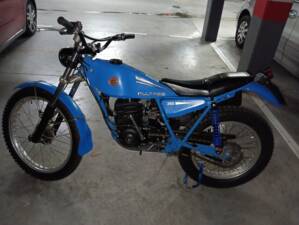
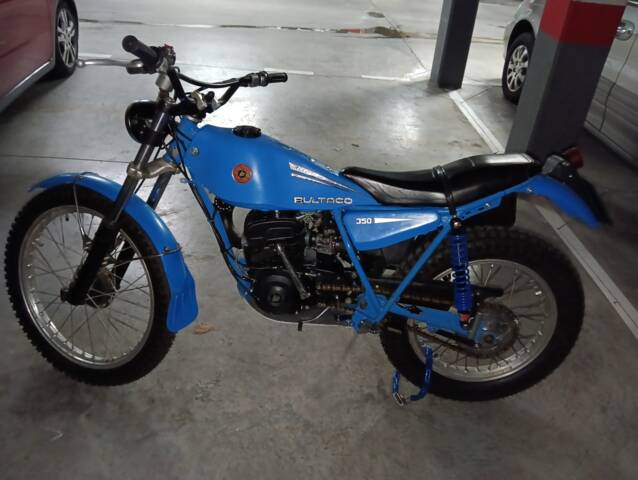
1981 | Bultaco Sherpa T 350
Registered. Historic. Insured

Bultaco listing references from Classic Trader
Below you will find listings related to your search that are no longer available on Classic Trader. Use this information to gain insight into availability, value trends, and current pricing for a "Bultaco" to make a more informed purchasing decision.
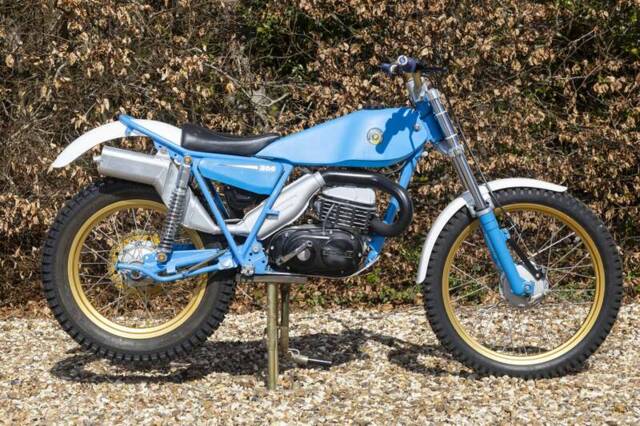
1978 | Bultaco Sherpa T 350
1978 Bultaco Sherpa T350 199 326cc

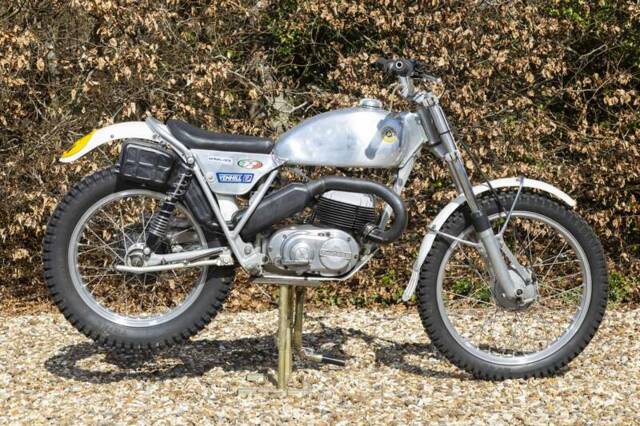
1975 | Bultaco Sherpa T 250
1975 Bultaco Sherpa T250 (Model 150) 244cc
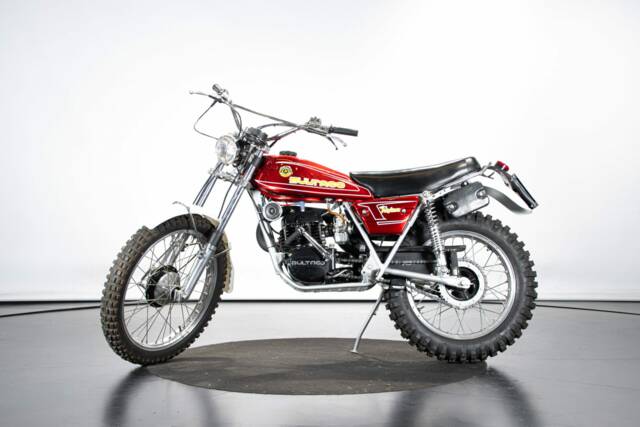
1978 | Bultaco Alpina 350
Bultaco 350 ALPINA
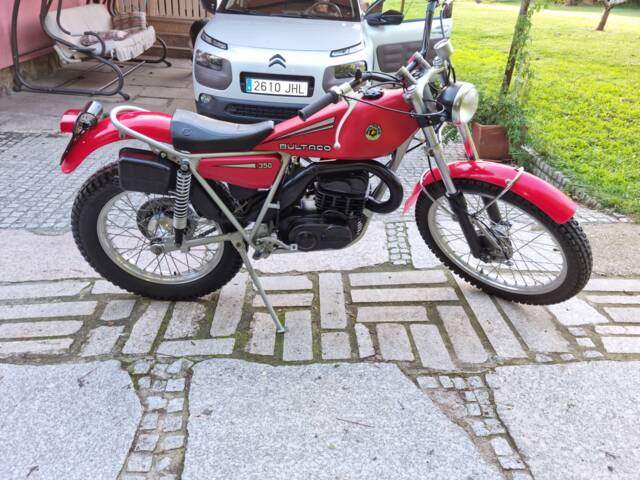
1978 | Bultaco Sherpa T 350
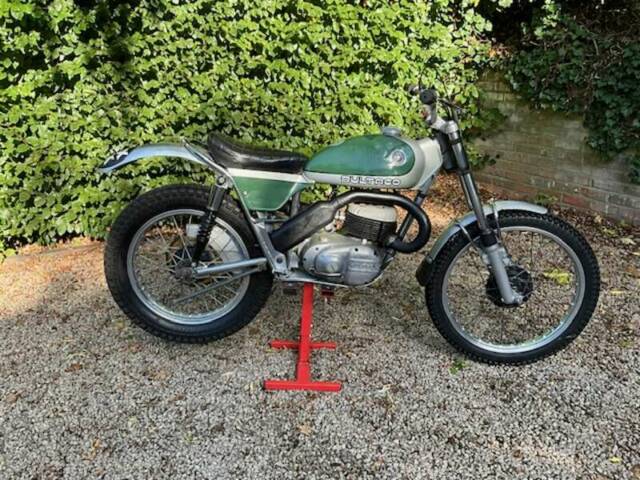
1971 | Bultaco Sherpa T 250
1971 Bultaco Sammy Miller Sherpa T 244cc
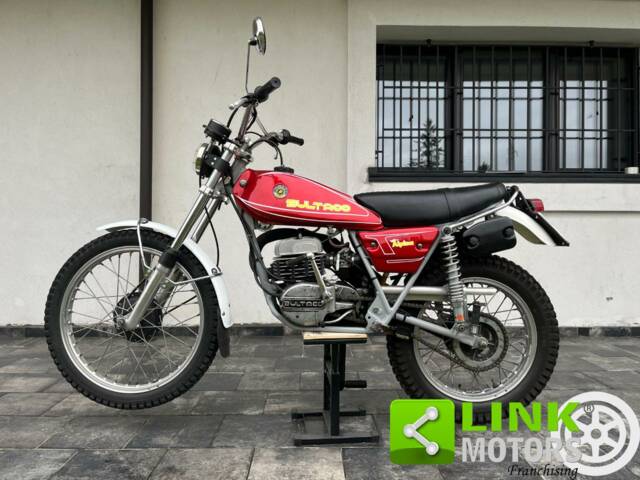
1980 | Bultaco Alpina 350
BULTACO Alpina 350 213
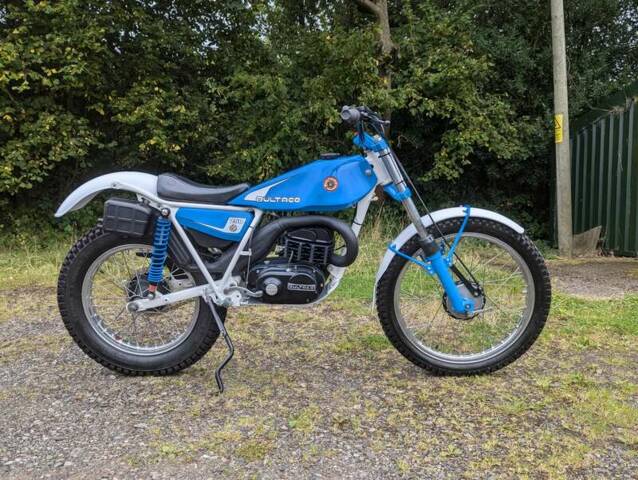
1982 | Bultaco Pursang 250 MK11
1982 Bultaco Sherpa 198B 250cc
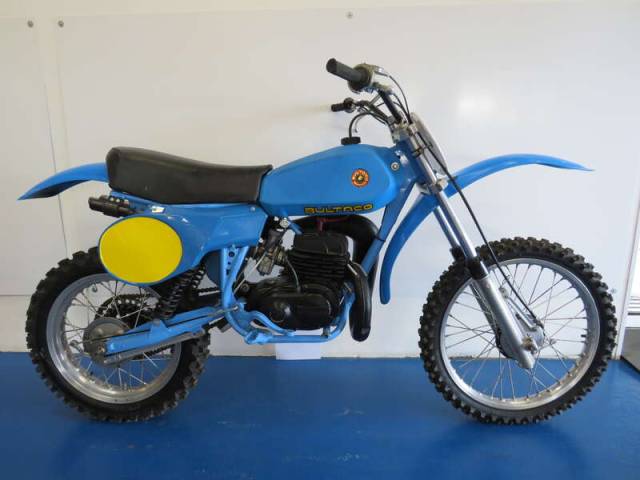
1981 | Bultaco Sherpa T 250
c.1981 Bultaco 250 Pursang 250cc
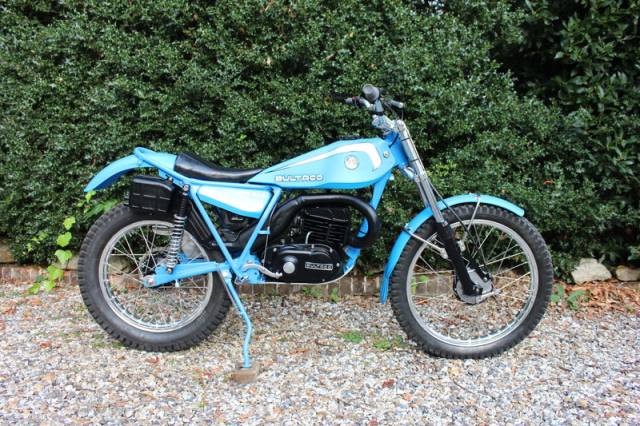
1980 | Bultaco Pursang 370
1980 Bultaco Sherpa 350 349cc
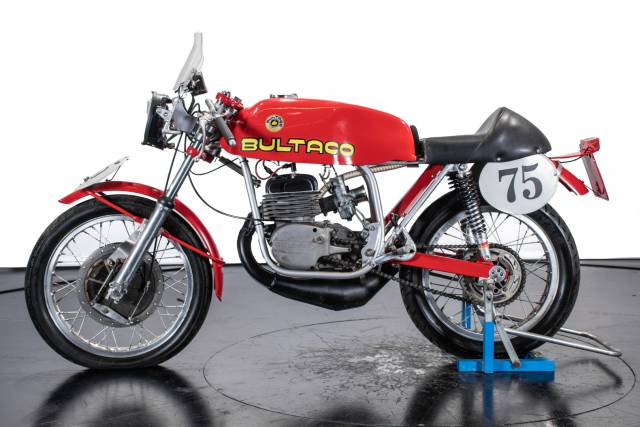
1969 | Bultaco TSS 350
-
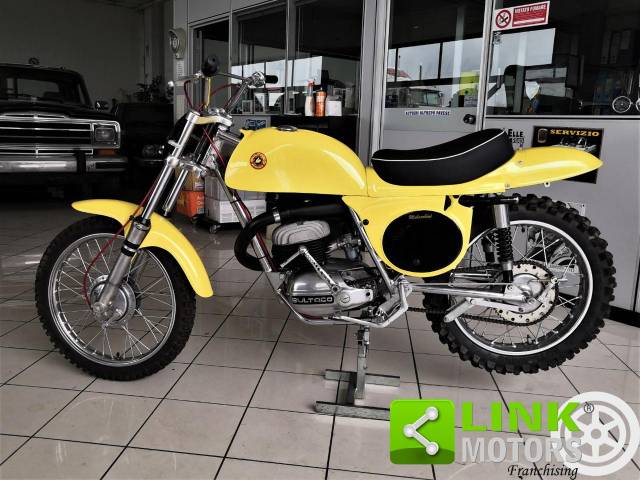
1969 | Bultaco Métisse
BULTACO Metisse Rickman 250
History
The story of Bultaco is one of rebellion, speed, and a relentless pursuit of competition. It began in 1958 when Francisco Xavier "Paco" Bultó resigned from Montesa, the company he had co-founded. The board of Montesa wanted to withdraw from racing to focus on economy models, a move Bultó found intolerable. Within months, he gathered a group of loyal engineers and riders at his family farm, San Antonio, near Barcelona. On 24 March 1959, the first Bultaco, the Tralla 101, was launched. The name itself was a clever blend of his surname and his nickname, Paco.
While Bultaco was Spanish by birth, its soul was deeply entwined with the British trials scene. In the early 1960s, trials was dominated by heavy, four-stroke British singles like the BSA Gold Star and Ariel HT5. Sammy Miller, the Northern Irish genius, was the man to beat, but he felt he had reached the limit of what his famous "GOV 132" Ariel could do. In 1964, Miller visited the Bultaco factory. In just twelve days, he and the Bultaco engineers developed the prototype Sherpa T.
The impact was immediate and total. In 1965, Miller rode the Sherpa T to victory in the Scottish Six Days Trial (SSDT). It was the first time a two-stroke had won the event, and it signalled the end of the four-stroke era. Miller went on to win the British Trials Championship eleven times, and the Sherpa T became the blueprint for every modern trials bike that followed.
Throughout the 1970s, Bultaco was the brand to own for any serious competitor. The factory dominated the FIM Trial World Championship, winning five consecutive titles from 1975 to 1979 with riders like Martin Lampkin (the first-ever World Champion), Yrjö Vesterinen, and Bernie Schreiber. British riders like Malcolm Rathmell and Mick Andrews also played pivotal roles in the brand's success on home soil.
Beyond trials, the Pursang became a legendary name in motocross, particularly in the USA and the UK, while the Alpina offered a more versatile "trail" experience. On the tarmac, the Metralla was one of the fastest small-capacity road bikes of its day, and the TSS (Tralla Super Sport) racers were competitive at the highest levels of Grand Prix racing. Despite its brilliance, the factory succumbed to industrial unrest and Japanese competition, closing its doors in 1983. Today, the "thumbs up" logo remains a badge of honour for collectors worldwide.
Highlights
Bultaco was never just a manufacturer; it was a racing shop that happened to sell motorcycles to the public. This competition-first philosophy resulted in several models that are now considered essential for any serious collection.
The Sherpa T is undoubtedly the jewel in the crown. It didn't just win; it revolutionised the sport. The early "Slimline" and "Kit Campeón" models are particularly sought after. Their light weight, sharp handling, and the linear power delivery of the single-cylinder two-stroke engine made them unbeatable in the sections. For many UK enthusiasts, the Sherpa T represents the golden age of trials.
The Pursang was Bultaco's weapon for the motocross track. Known for its beautiful lines and aggressive performance, it was a favourite of privateers who wanted a bike that could win straight out of the crate. The MK7 and MK11 versions are highlights of the range, often seen today in vintage motocross (VMX) events where they remain remarkably competitive against contemporary Maicos and CZs.
The Metralla MK2, launched in the mid-60s, was a 250cc road bike that could shame machines twice its size. In its day, it was arguably the fastest 250cc production bike in the world, capable of nearly 100 mph. Its clean, purposeful design and racing pedigree make it the most desirable Bultaco road bike for collectors.
The Alpina was the predecessor to the modern enduro bike. Combining the agility of the Sherpa T with a larger fuel tank, more comfortable seat, and broader gear ratios, it was designed for long-distance off-road events. It was a common sight in the International Six Days Trial (ISDT), where its reliability and ease of maintenance earned it many gold medals.
Technical Data
The technical hallmark of a Bultaco was the air-cooled, single-cylinder two-stroke engine. These units were famous for their simplicity and the clever use of porting to provide torque where it was needed most.
Most models used a 5-speed gearbox, though later Sherpa T models featured a 6-speed unit to better manage the varying speeds required in trials. Carburetion was typically handled by Amal or Bing, with the UK-spec bikes almost exclusively featuring Amal units due to local parts availability. Fuel was always a pre-mix of petrol and two-stroke oil, usually at a ratio of 25:1 or 40:1 depending on the specific engine and oil quality.
Market Overview & Buying Tips
The UK is one of the strongest markets for Bultaco in the world, thanks to the brand's historical dominance in British trials. Prices have remained steady, with a noticeable premium for bikes with a documented competition history or those restored to original factory specifications.
Bultaco Sherpa T
As the most common Bultaco in the UK, the Sherpa T is the perfect entry point. Prices for a usable, "honest" bike range from £2,500 to £4,500. Exceptional, restored examples, particularly early "four-speed" models or the late 199B 6-speed bikes, can reach £6,000 to £8,500. At recent H&H Classics auctions, a 1976 Sherpa 350T sold for £2,932, while a clean 1982 Sherpa 340 made similar figures.
- Buying Tip: Check the fuel tank. The original glass-fibre tanks are prone to degradation from modern ethanol-blended fuels (E10). Many owners switch to aluminium or ethanol-resistant resin tanks. Verify the frame and engine numbers; many bikes were "parts-bin" specials built for clubman trials.
Bultaco Pursang
The vintage motocross scene in the UK is thriving, and the Pursang is a top choice. Expect to pay between £3,500 and £7,500 for a Pursang MK7 or MK11 in racing condition. Show-standard bikes rarely come to market but can exceed £9,000.
- Buying Tip: Inspect the frame for cracks, especially around the footpeg mounts and the headstock. Two-stroke engines are easy to rebuild, but original bodywork (mudguards and side panels) can be difficult to source in the correct Spanish red.
Bultaco Metralla
The Metralla is a rare beast in the UK. A good MK2 or GTS will cost between £4,000 and £7,000. In 2022, Bonhams sold a one-owner 1972 Metralla MKII for £5,980 at the Stafford Sale.
- Buying Tip: Ensure the bike has a current V5C. Many Bultacos were imported from Spain as "used" motorcycles in the 70s and 80s without proper registration. Registering a bike today requires a dating certificate from the Bultaco Club UK.
Parts & Support
One of the best reasons to buy a Bultaco in Britain is the support network. InMotion Trials (based in the UK) is a world-renowned specialist, holding an incredible stock of parts for almost every model. The Bultaco Club UK is an essential resource; they are DVLA-accredited for issuing dating certificates, which are mandatory for obtaining an age-related registration plate if the original paperwork is missing.
Performance
Riding a Bultaco is a visceral experience. There are no electronics, no fuel injection, and no compromises. It is just you, the throttle, and the distinctive "pop-pop-pop" of the exhaust.
The Sherpa T defines "low-down grunt." Unlike modern two-strokes that need to be revved hard, the Bultaco engine was designed to pull from almost zero RPM. This allows the rider to trickle through technical sections with immense control. The bike feels incredibly narrow between the knees, making it easy to balance at a standstill. It is a machine that rewards finesse over brute force.
The Pursang is the opposite. It is a machine that wants to be on the pipe. When the engine hits its powerband, the acceleration is sharp and immediate. The lightweight chassis makes it easy to "flick" over jumps, but the suspension, by modern standards, is limited. It requires an active riding style, constantly moving your weight to keep the rear wheel hooked up.
The Metralla offers a surprisingly modern feel for a 1960s road bike. It is light and narrow, allowing you to carry high corner speeds. The brakes (twin-leading shoe drums on the MK2) are adequate if well-maintained, but they require a firm hand compared to modern discs. It’s a bike that thrives on twisty B-roads, where its power-to-weight ratio allows it to keep up with much larger machines.
Design
The design of a Bultaco is the epitome of "form follows function." Paco Bultó believed that a racing bike should be beautiful, but that beauty must come from the quality of the engineering, not from ornamentation.
The classic Bultaco look is defined by the red and silver or red and white colour schemes. The fuel tanks are usually slim and sculpted, often featuring the famous "thumbs up" (Pulgar) logo. This logo was inspired by Paco Bultó seeing a British rider (some say it was during the ISDT) giving a thumbs-up to a teammate to indicate everything was okay. It perfectly captured the optimistic, competitive spirit of the brand.
On the off-road models, the design is incredibly open. The engine is a focal point, with its large cooling fins and high-level exhaust pipe that snakes around the frame. There is no plastic cladding to hide the mechanical bits. For the restorer, this is a joy; every nut, bolt, and cable is accessible.
The Metralla shows a more refined side of Spanish design. Its fuel tank is longer and lower, creating a classic "café racer" silhouette. The use of Akront alloy rims and high-quality aluminium castings for the engine cases gives the bike a premium feel that was often lacking in contemporary British lightweights.
Other: The UK Connection
The relationship between Bultaco and the British Isles is unique. While many continental brands struggled to break into the UK market, Bultaco was embraced by the British motorcycling establishment.
The Sammy Miller Museum in Hampshire houses some of the most important Bultacos in existence, including the original prototypes developed by Miller himself. A visit to the museum is a pilgrimage for any Bultaco owner, providing a direct link to the man who made the brand a household name in the UK.
The Scottish Six Days Trial (SSDT) remains the ultimate test for a Bultaco. Even today, you will see vintage Bultacos competing in the "Pre-65" or twin-shock classes, often performing as well as they did forty years ago. The bike's ability to handle the "Blackwater" and the rocky burns of Fort William is legendary.
For the modern collector, the Bultaco Club UK organises regular meets and "Bultaco Weekends," where the smell of two-stroke oil and the sound of Spanish singles fill the air. It is a community of enthusiasts who value the brand's history as much as the machines themselves.
Summary
Bultaco is more than just a defunct Spanish motorcycle manufacturer; it is a symbol of a revolution in off-road sport. In the hands of legends like Sammy Miller and Martin Lampkin, the Sherpa T and Pursang proved that light weight and two-stroke power were the future of competition.
For the collector, a Bultaco offers a rare combination of historical significance, mechanical simplicity, and genuine usability. Whether you want to compete in vintage trials, race in classic motocross, or simply enjoy a spirited ride on a Metralla, there is a Bultaco that fits the bill. With world-class parts support in the UK and a passionate club scene, owning a Bultaco has never been easier or more rewarding.
Find your Bultaco on Classic Trader and discover the spirit of Paco Bultó’s "thumbs up" for yourself.