- Motorcycle
- BMW
- BMW R 6 (0 offers)
BMW R 6 classic bike for sale
The BMW R 6, launched in 1937, is recognised as a milestone in BMW's motorcycle history. With a new 600-cm³ side-valve boxer engine, a four-speed transmission, and adjustable telescopic fork suspension, it was built for endurance and robust performance. Only 1,850 units were produced, making surviving examples extremely rare.
Search results
Currently, there are no matching listings for your search.
Create search alert
Let yourself be notified as soon as a listing is published that matches your search filters.
BMW R 6 listing references from Classic Trader
Below you will find listings related to your search that are no longer available on Classic Trader. Use this information to gain insight into availability, value trends, and current pricing for a "BMW R 6" to make a more informed purchasing decision.
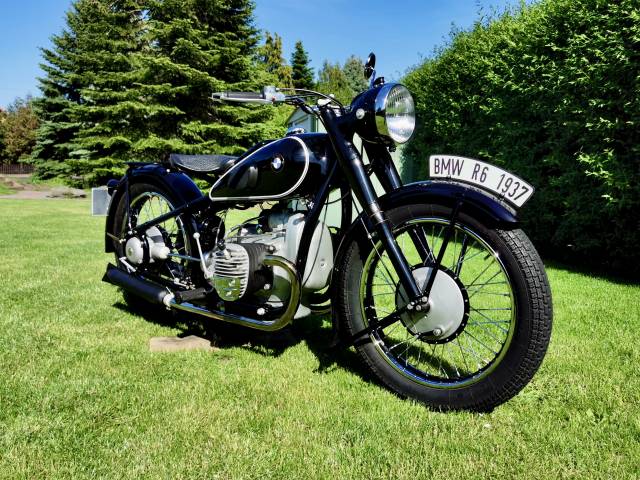
1937 | BMW R 6
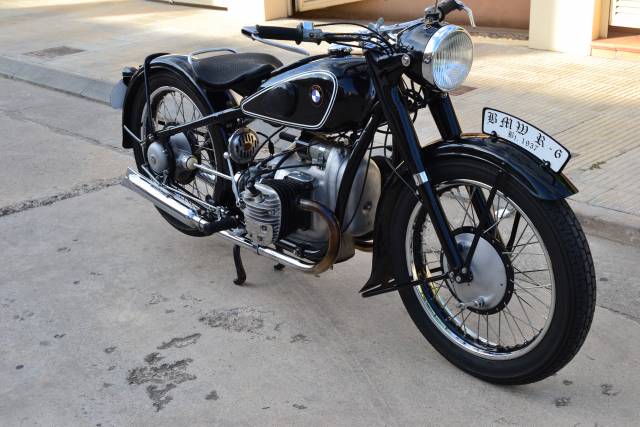
1937 | BMW R 6
Create search alert
Let yourself be notified as soon as a listing is published that matches your search filters.
BMW R 6 Classic Motorbikes: Prices & Market Values
History of the BMW R 6
The BMW R 6 debuted in 1937 as BMW’s inaugural foray into the 600-cm³ class. Developed rapidly using elements from the sportier R5, the R 6 featured an all-new long-stroke boxer engine with advanced side-valve technology and a modern tunnel housing. The market response was positive; press reports at the time credited BMW with a technical advantage—at least five years ahead of its competition. The frame’s construction with oval and conical steel tubes represented pioneering work. Production lasted just a year, largely because military procurement favoured pressed-steel frames, leaving the R 6 as a predominantly civilian grand tourer rather than a military workhorse. Its legacy is tied to both its scarcity and BMW’s innovative engineering approach during this period.
Model History: Evolution and Succession
A direct precursor to the later R 61, the R 6 built upon the technological platform introduced in the R5, adapting its frame and drivetrain but introducing a new engine architecture. In 1938, the R 6 was superseded by the R 61, which featured rear suspension—a significant leap for rider comfort. The R 6’s power unit was also crucial in paving the way for the R 71, which increased displacement further. The R 6 stands at the crossroads of BMW’s transition from agile sports motorcycles to long-distance tourers and shaped the marque's approach to boxer twins.
Highlights and Special Features
The R 6 was BMW’s first civilian 600-cm³ model. Its 18 PS side-valve engine, tuned for reliability over peak output, and a sophisticated four-speed gearbox, laid the foundation for future boxer models. The adjustable telescopic fork—rare at the time—enabled tuning the suspension’s oil damping during the ride. Twin fishtail exhausts, an air filter mounted directly above the gearbox, and a frame made from oval/conical steel tubes were distinctive features. Its suitability for long distances, paired with understated power, made it a technical frontrunner in pre-war Germany.
Technical Data
Special Editions and Collectible Models
The BMW R 6 did not spawn factory special editions, but its inherent rarity—resulting from a single year of production and a small run of 1,850 units—elevates every original R 6 to collectible status. Surviving bikes with complete original specification (notably with fishtail exhausts and correct frame configuration) are particularly coveted by enthusiasts and historians.
Weak Spots and Common Issues
Despite the robust engineering, the R 6 requires careful attention to the integrity of its frame welds and suspension elements. Original telescopic forks and their oil damping mechanism should be inspected for wear or leaks. Engine longevity is good, but valve gear and timing chain components may show age-related issues if not properly maintained. Reproduction of model-specific components (such as fishtail silencers) can be challenging due to the low number of survivors, impacting restoration costs.
Engine, Performance, Transmission and Handling
The R 6’s side-valve boxer produces 18 PS at 4,500 rpm, coupled with a four-speed gearbox for smooth, progressive acceleration. The bike achieves a top speed of 125 km/h, making it suitable for extended journeys rather than aggressive riding. The adjustable telescopic fork offers damping customisation for differing road conditions—a true technical advantage for its era. Handling is stable, aided by the innovative welded steel-tube frame. The R 6’s softer power delivery and robust engineering favour reliability and comfort over aggressive sport use. - R 6: Only 1,850 manufactured, 600-cm³ SV engine, 18 PS, top speed 125 km/h, innovative frame, adjustable telescopic fork.
Interior, Comfort, Exterior and Design
Visual trademarks of the R 6 include its elegant fishtail exhausts and period-typical, distinctive steel-tube frame with conical and oval shaping. The tank and side panels reflect late-1930s German design language, with restrained lines prioritising function over ornamentation. Special accessories for period bikes often included leather tool rolls and period-correct lighting. No factory records cite designer names, but the technical solutions—such as the central air filter mount and continuously adjustable fork damping—were cutting-edge. Comfort and seat ergonomics reflect the bike’s role as a long-distance tourer.
Other relevant features
Production ceased after just one year, and the military's preference for pressed steel frameworks (used in the R12 and R75) meant the R 6 remained predominantly civilian. Its reputation for solid, reliable performance—combined with a low market price compared to the R12—meant it appealed particularly to private long-distance riders rather than sport or military users.
Summary
The BMW R 6 stands as a rare landmark in the evolution of German motorcycle engineering, marked out by its advanced 600-cm³ side-valve boxer engine and technical leadership among late-1930s grand tourers. With only 1,850 produced and fewer than 100 thought to survive, the R 6's rarity is matched by its historical importance, technical features, and distinctive design. Its exceptional comfort and build quality, paired with unique technical details, ensure its enduring fascination among collectors and enthusiasts.