- Motorcycle
- Aspes (1 offer)
Buy Aspes Motorcycles
From the dirt tracks of Gallarate to the heart of the British vintage MX scene, Aspes has long been the choice for those who value Italian engineering over mass-market conformity. With models like the Hopi and Navaho, the brand defined the 1970s off-road era, offering a level of performance that still commands respect at events like the Telford Classic Dirt Bike Show.
Search results
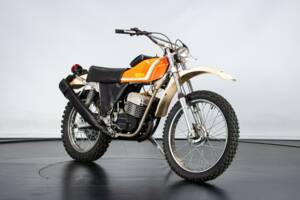
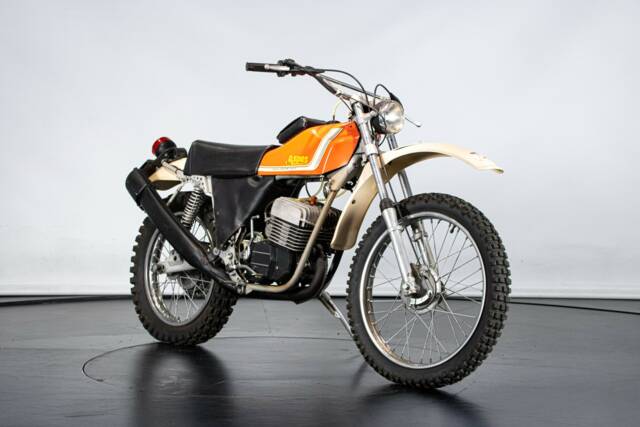

Aspes listing references from Classic Trader
Below you will find listings related to your search that are no longer available on Classic Trader. Use this information to gain insight into availability, value trends, and current pricing for a "Aspes" to make a more informed purchasing decision.
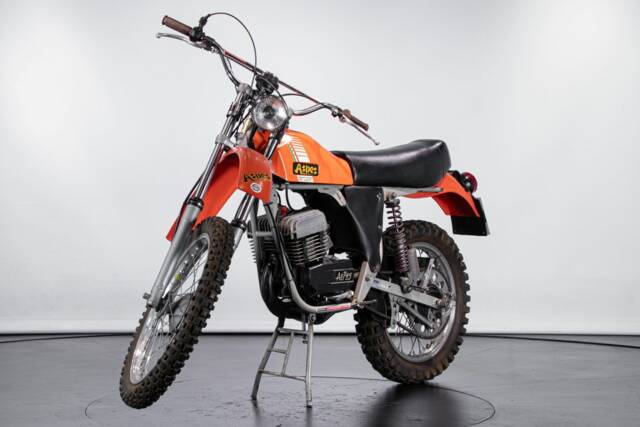
1977 | Aspes Hopi 125
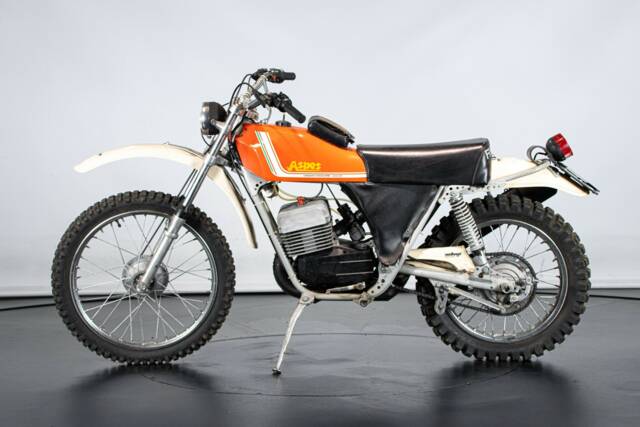
1983 | Aspes Hopi 125
Aspes 125 HOPI 5 RG
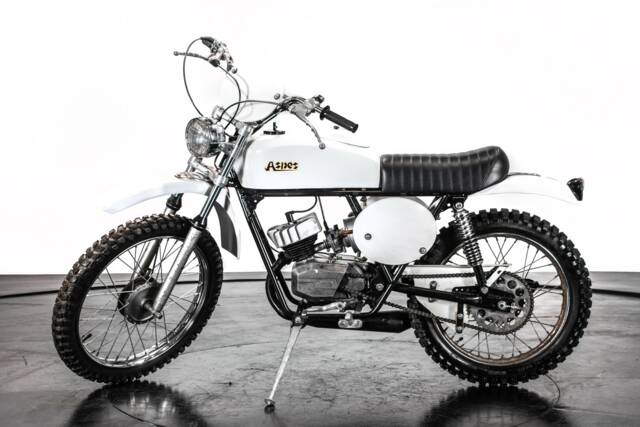
1974 | Aspes CS 70
Aspes Cross 50
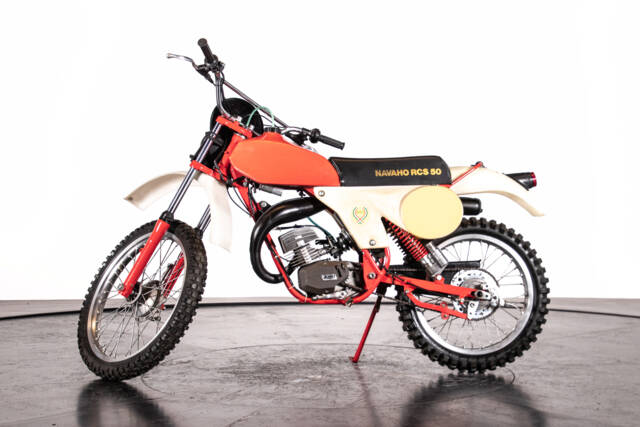
1980 | Aspes Navaho RCS
-
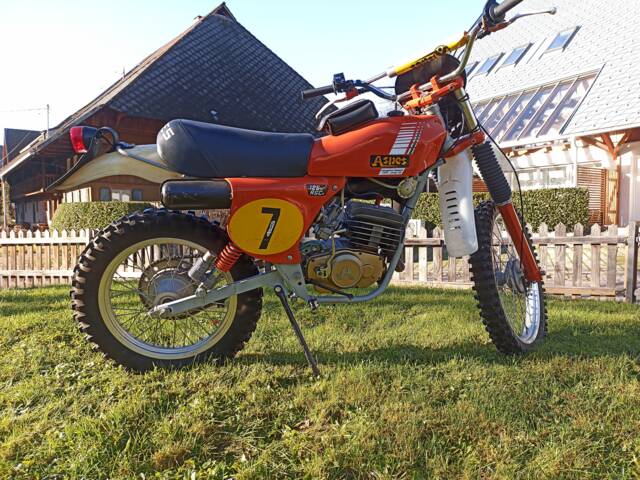
1979 | Aspes Hopi 125

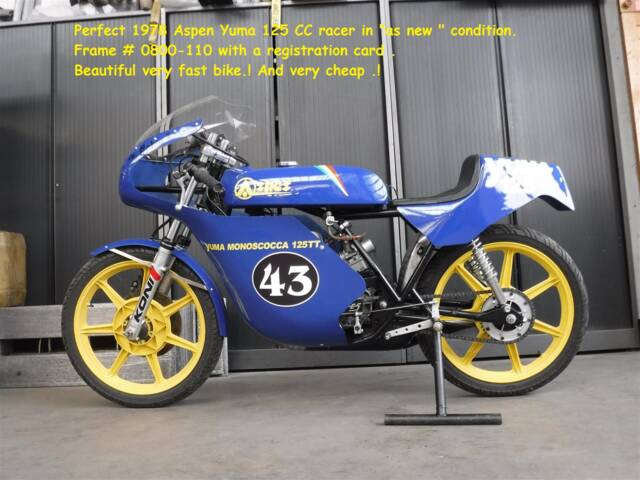
1978 | Aspes Yuma 125
Juma 125 Sport

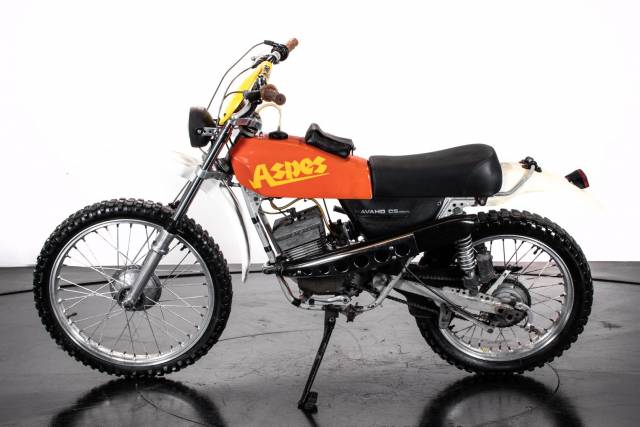
1976 | Aspes CS 75
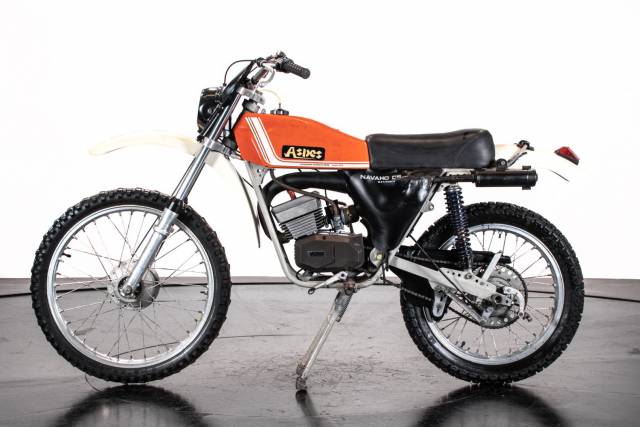
1976 | Aspes CS 75
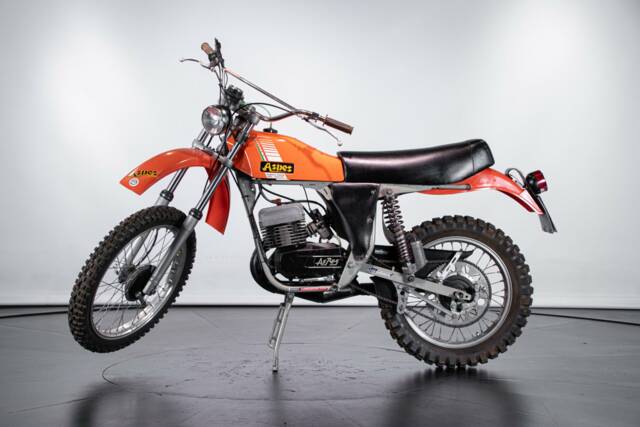
1977 | Aspes Hopi 125
-
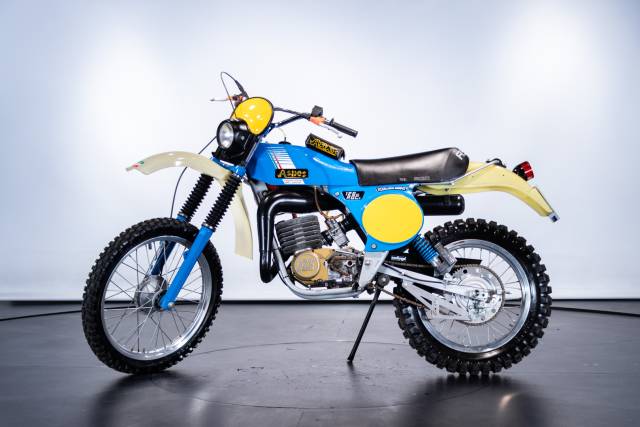
1979 | Aspes Hopi 125
-
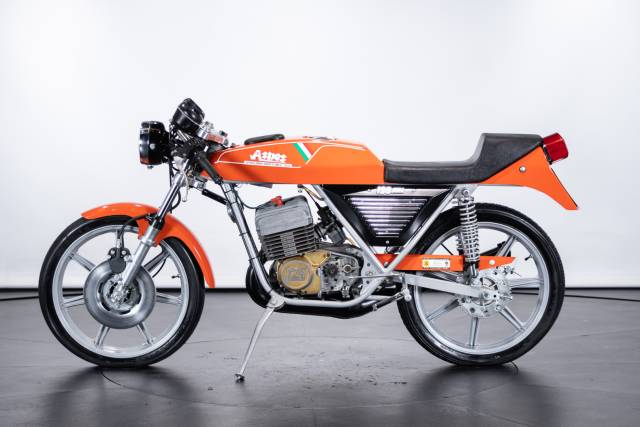
1978 | Aspes Yuma 125
-
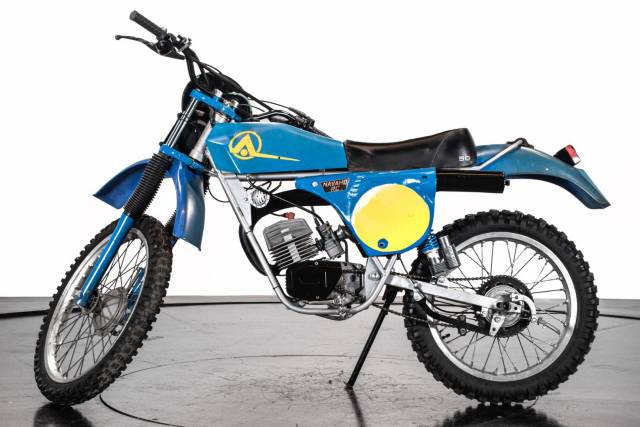
1979 | Aspes Navaho RC
History & Heritage
The story of Aspes Fabbrica Cicli e Ciclomotori began in 1955 in Gallarate, near Varese—a region synonymous with Italian motorcycling excellence as the home of MV Agusta. Founded by the Sorrentino brothers, the company spent its first thirteen years focused entirely on bicycle production. It wasn't until 1968 that they ventured into the motorised world, initially using Minarelli engines to power their lightweight machines.
The brand's true identity emerged in 1969 with the Cross Special '69, a motocross moped that signalled their intent to dominate the off-road niche. Whilst larger manufacturers focused on the road, Aspes saw the potential in the burgeoning dirt bike market. By 1970, they introduced the Apache 125, powered by a Maico engine, and established a naming convention that would become their hallmark: models named after North American indigenous tribes, including the Apache, Hopi, Navaho, Cheyenne, and Sioux.
The 1970s represented the Golden Era for Aspes. They transitioned from being an assembler of parts to a true manufacturer, developing their own in-house engines for the Hopi 125 in 1972. These power units were masterpieces of compact design, measuring just 30 cm in width and featuring a horizontally split crankcase for easier maintenance—a vital feature for privateer racers.
In the UK, Aspes gained a reputation amongst the "scrambling" community for being exceptionally fast and technically advanced. The brand's racing pedigree was cemented in 1977 when the CRC 125 won the Italian Motocross Championship. Factory riders like Felice Agostini proved that these small-capacity machines could outpace established giants. Parallel to their off-road success, Aspes produced road-going racers like the Juma 125, which utilised Sachs engines for easier international homologation and became a rare sight on British roads.
As the 1980s progressed, the rise of Japanese mass production made it increasingly difficult for boutique Italian firms to compete. Production of the classic range ceased by the late 1980s. Although the brand was revived in the 2010s to produce modern scooters, for the serious collector, the "real" Aspes era remains the period between 1955 and 1985, when engineering passion took precedence over market share.
Highlights & Features
Aspes motorcycles are defined by a "no compromise" approach to lightweight performance. Whilst competitors like SWM or Fantic often relied on off-the-shelf Sachs engines, Aspes' decision to build their own 125cc power unit from 1972 onwards set them apart. The Hopi 125 engine was renowned for its narrow profile, allowing for a slimmer frame and better agility in tight sections.
The Navaho series (often spelled Navajo in later years) remains a cult favourite. Available in various guises from the 50cc Fox RG to the 125cc RCS, these bikes combined rugged utility with flamboyant Italian styling. The early 1970s models are particularly sought after for their metallic-flake paint finishes—vibrant oranges, reds, and blues that shimmered under the sun, reflecting a design influence more akin to American hot-rods than traditional European motorcycles.
Technical excellence was often enhanced by Abbrandini tuning. Abbrandini was a legendary Italian engine specialist whose modifications could lift a standard Aspes to factory-spec performance. Today, a bike with a genuine Abbrandini-tuned motor or the "Big Crank" modification (introduced in 1979 for increased durability) carries a significant price premium, often 30–50% higher than a standard example.
The CRC 125 Motocrosser (1977) is perhaps the ultimate expression of the brand's racing DNA. It featured Ceriani front forks, widely considered the best off-road suspension of the era, and a high-level chrome exhaust that became a signature aesthetic element. For the British collector, finding a CRC with its original Ceriani components intact is the "holy grail" of Aspes ownership.
Technical Data
Hopi 125 (1972-1979)
Navaho 50 (1972-1977)
CRC 125 Motocrosser (1977-1979)
Market Overview & Buying Tips
The market for Aspes in the UK is highly specialised. Whilst the brand never enjoyed the high-volume sales of Bultaco or Montesa, it has a dedicated following within the Vintage Motocross (VMX) and Twinshock racing communities. Prices have seen a steady increase as collectors look beyond the mainstream brands for something more exotic.
Price Ranges (2024-2025)
Hopi 125 (Restored):
£3,000 – £7,000
A well-restored Hopi 125 RG is a rare find. In recent years, prices for top-tier examples have pushed towards the £7,000 mark, especially those with documented Abbrandini tuning or the 1979 "Big Crank" engine. Unrestored projects can still be found for around £1,500, but be prepared for a difficult parts search.
Navaho 50 (Restored):
£1,200 – £2,500
The Navaho 50 remains an entry point into the brand. The CS Special and Fox RG variants with original metallic-flake paint are the most desirable. A running, tidy example typically fetches around £1,800 at UK specialist auctions.
CRC 125 Motocrosser:
£4,000 – £8,500+
The CRC is the pinnacle for many collectors. A 1977 racing machine in good condition sold at Bonhams for approximately £1,380 over a decade ago; today, that same bike would easily command £4,500. Exceptional examples with racing history or those from renowned collections (like the Terry Pickering collection) can exceed £8,000.
Juma / RGC Road Racers:
£4,500 – £10,000
These are the rarest of the rare in the UK. A Juma 125 RGS in showroom condition is a five-figure motorcycle. Because so few were imported, most UK examples are private imports from Italy or France.
What to Look For When Buying
Engine Integrity: Aspes in-house engines (Hopi, CRC) are robust but spare parts are virtually non-existent. Check for excessive piston rattle or crankshaft play. Whilst Minarelli-based models (Navaho) share parts with Fantic or Garelli, the bespoke Aspes motors require a specialist to manufacture one-off components if they fail.
Frame & Suspension: Aspes used thin-walled steel tubing to keep weight down. Inspect the headstock and swingarm pivot areas for stress cracks. Ceriani forks are a major value driver; ensure they are original and not later Asian reproductions. The presence of original Ceriani markings can add hundreds to the value.
Originality of Finish: The metallic-flake paint of the early 70s is notoriously difficult to replicate correctly. A bike with its original, albeit patinated, factory paint is often more valuable than one with a modern, flat respray. Similarly, the "Indian Head" tank decals are often missing; high-quality reproductions exist, but originals have a distinct depth of colour.
Documentation: Many Aspes bikes in the UK were never road-registered. If you intend to use one on the road, ensure it has a Nova declaration or an age-related V5C. Bikes with FMI (Federazione Motociclistica Italiana) documentation are highly prized as they often confirm racing provenance.
Parts Availability
The parts situation is critical. There is no modern factory support, and the revived Aspes brand of the 2010s has no connection to the classic era.
- Minarelli/Sachs Models: Parts for the Navaho (Minarelli) and Juma (Sachs) are relatively accessible through European specialists.
- Aspes Engines: You will likely need to join international owner groups or source parts from Italian autojumbles (Mostra Scambio).
- UK Specialists: For suspension and general advice, firms like Owens Moto Classics are invaluable resources for the British vintage dirt bike scene.
Riding Experience
Riding an Aspes Hopi 125 is an exercise in sensory overload. This is not a machine for a gentle Sunday potter; it is a high-strung racer that demands total commitment. The powerband is famously narrow—below 5,000 rpm, the engine feels sluggish, but as the needle sweeps past 7,000 rpm, the two-stroke "hit" is violent and addictive.
The compact dimensions of the engine make the bike feel incredibly slim between the knees. In the tight, muddy ruts of a British scramble track, the Hopi's agility is its greatest weapon. It changes direction with a telepathic lightness that modern, heavier machines struggle to match. The riding position is aggressive, forcing the rider forward over the tank to keep the front wheel pinned during steep climbs.
The Ceriani suspension provides a level of feedback that is both rewarding and punishing. It soaks up small ripples with ease but reminds you of every rock and root on the track. There is a mechanical honesty to the way an Aspes handles; it doesn't mask the terrain, it translates it.
For those on a Navaho 50, the experience is more about style and nostalgia. The Minarelli P6 engine provides a steady, if unhurried, progress. It is the perfect machine for navigating the paddock at the Telford Show or for short coastal runs where the metallic paint can catch the light. It sounds much faster than it actually is, which is part of the charm of any small-capacity Italian machine.
Design & Aesthetics
Aspes design was a unique blend of Italian flair and American-inspired exuberance. The use of metallic-flake paint was a bold move that appealed to the youth market of the 1970s. These bikes weren't meant to blend in; they were designed to be the centre of attention.
The iconography of the brand—the tribal names and the feathered chieftain logos—gave the bikes a sense of rugged adventure. The tanks were often sculpted with deep knee indents, a functional requirement for off-road control that also gave the bikes a muscular, purposeful silhouette.
On the CRC Motocrosser, the design is stripped back to the bare essentials. The polished aluminium tank and the minimalist seat are purely functional, yet they possess a sculptural beauty. The high-level chrome exhaust isn't just a pipe; it's a statement of intent.
The Sorrentino brothers didn't employ famous design houses; the look of an Aspes was born in the workshop. This unfiltered authenticity is what draws collectors to the brand today. There are no marketing-led compromises here—just steel, aluminium, and a passion for speed.
Other Considerations
The UK Vintage Scene
Aspes has a small but vocal presence in the UK. The Classic Racing Motorcycle Club (CRMC) and various Twinshock MX clubs often see Aspes machines competing. The annual Telford Classic Dirt Bike Show is the best place to see these bikes in the flesh and to connect with the few specialists who still support the brand.
Racing Heritage
Whilst the 1977 Italian title is the headline, Aspes also competed in various Enduro events across Europe. Although they never achieved the same level of dominance as KTM or Husqvarna in international Enduro, their local successes in Italy made them a respected name in the paddock.
The Modern Revival
It is important to note that the Aspes scooters sold today are produced by a different entity. They share the name but none of the DNA of the classic Sorrentino-era machines. For a collector, a 2015 Aspes scooter has no more relation to a 1975 Hopi than a modern washing machine has to a vintage Ferrari.
Summary
Aspes is a brand for the connoisseur—the rider who wants the performance of a 1970s racer with the exclusivity of a boutique Italian marque. Whether it's the screaming two-stroke engine of the Hopi 125, the shimmering paint of the Navaho 50, or the pure racing pedigree of the CRC, an Aspes offers a character that mass-produced bikes simply cannot match.
Owning one in the UK is a challenge. The scarcity of parts and the need for specialist knowledge mean that restoration is a labour of love. However, for those who persevere, the reward is a machine that stands out in any paddock and provides a riding experience that is as raw as it is rewarding.
Find your Aspes on Classic Trader today and discover why this small manufacturer from Gallarate continues to cast such a long shadow over the world of classic motorcycling.