- Motorcycle
- Honda
- Honda CB 750 Four (18 offers)
Honda CB 750 Four classic motorcycles for sale
The Honda CB 750 Four set new standards in motorcycle engineering with its 736 cc inline-four engine, front disc brake, and electric starter. Introduced at the 1968 Tokyo Motor Show, this model reshaped the market and remains highly sought after by enthusiasts for its reliability, distinct handling, and original features.
Search results
1987 | Honda CB 750 Four
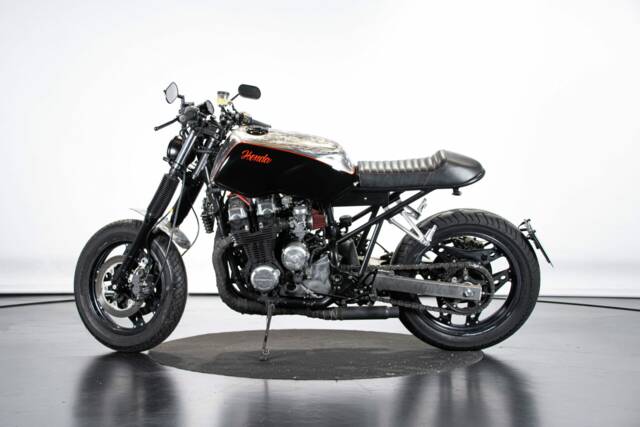
Honda CB 750 CAFE’ RACER
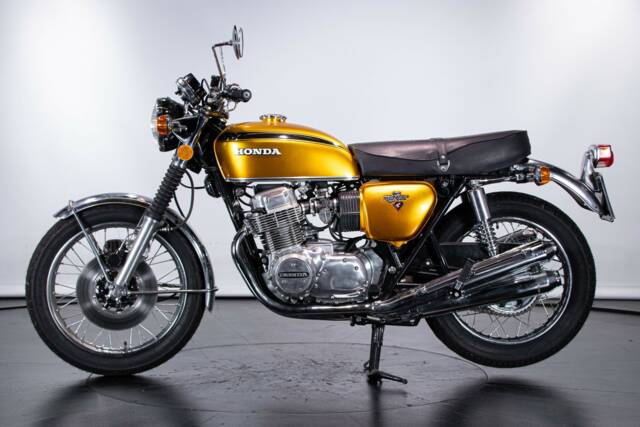
1974 | Honda CB 750 Four
Honda CB 750 FOUR
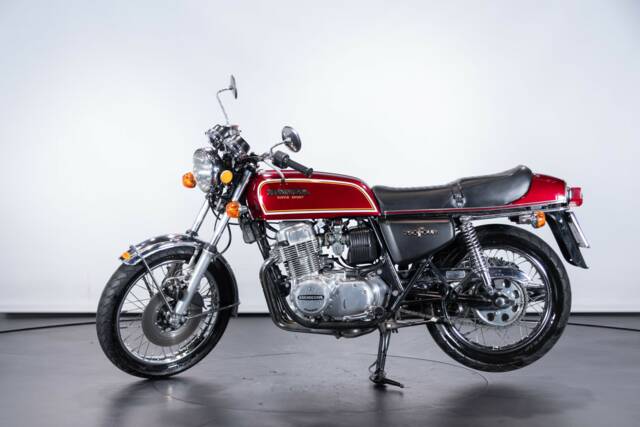
1976 | Honda CB 750 Four
Honda CB 750 FOUR
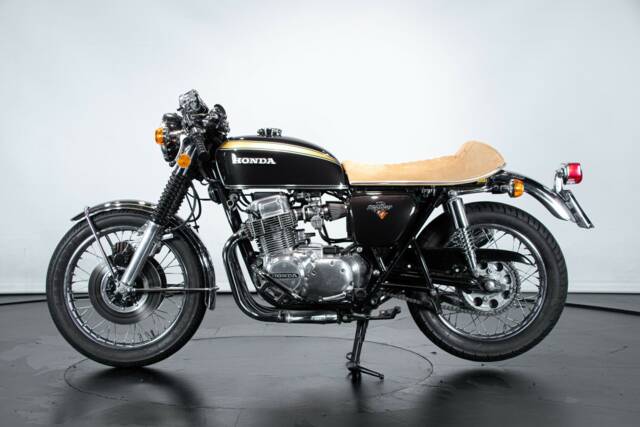
1973 | Honda CB 750 Four
Honda CB 750 FOUR
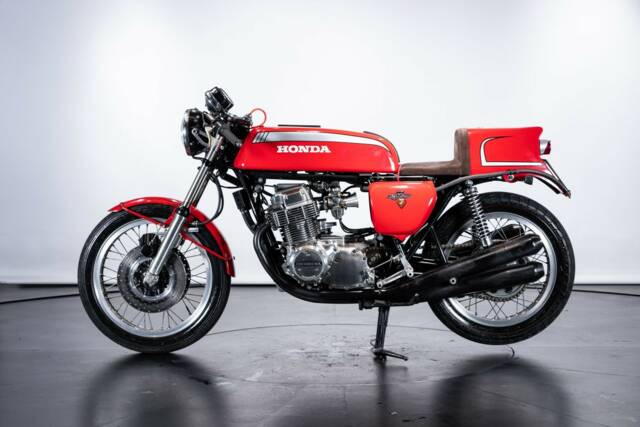
1973 | Honda CB 750 Four
Honda HONDA 750 FOUR
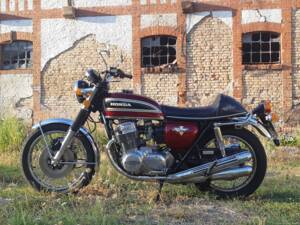
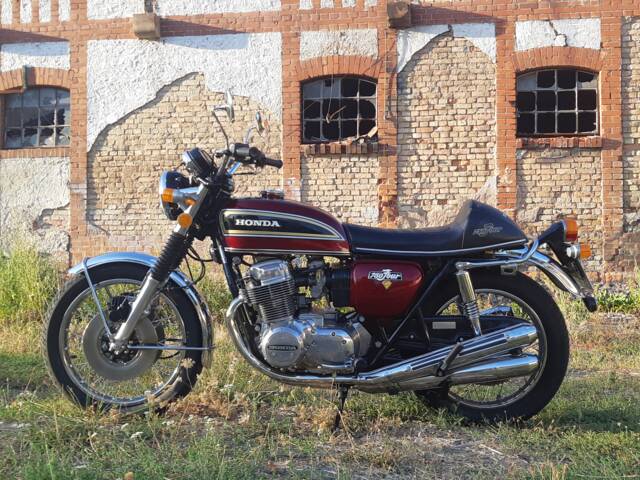
1976 | Honda CB 750 Four
Legendäre Four aus den Südstaaten der USA
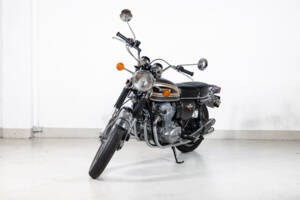
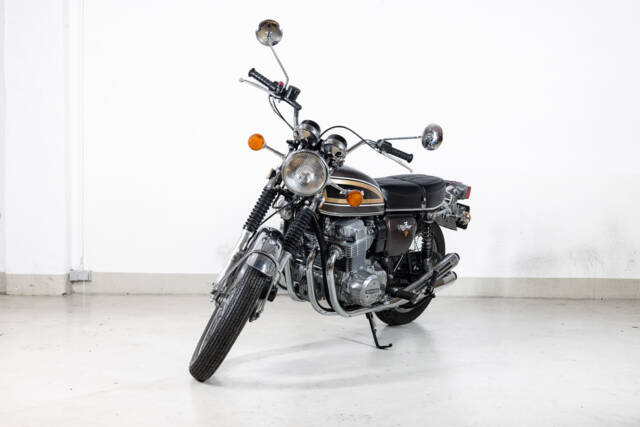
1973 | Honda CB 750 Four
- K3 - Fully Restored -
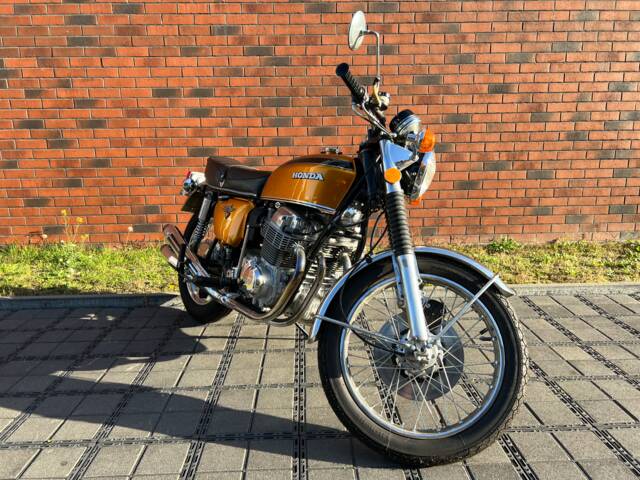
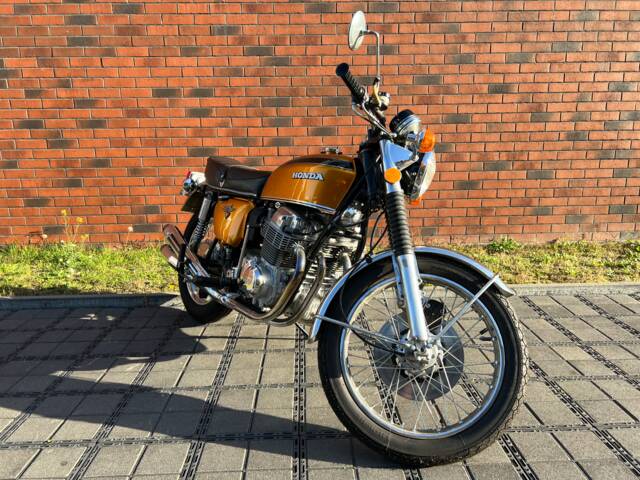
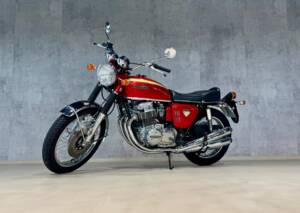
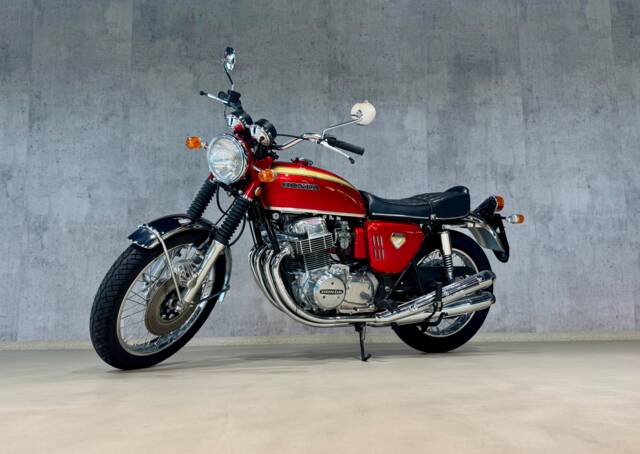
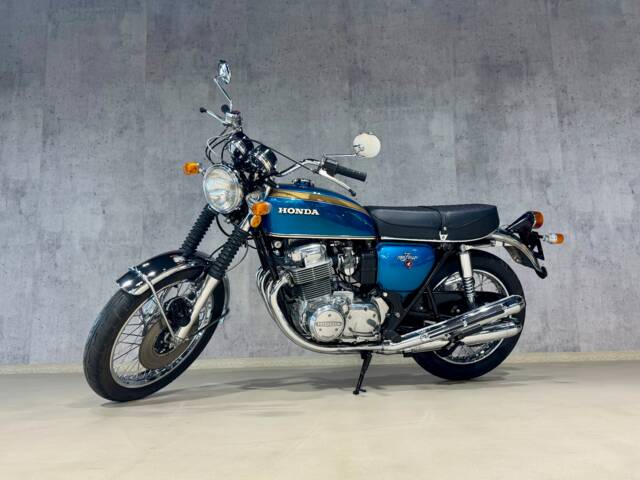
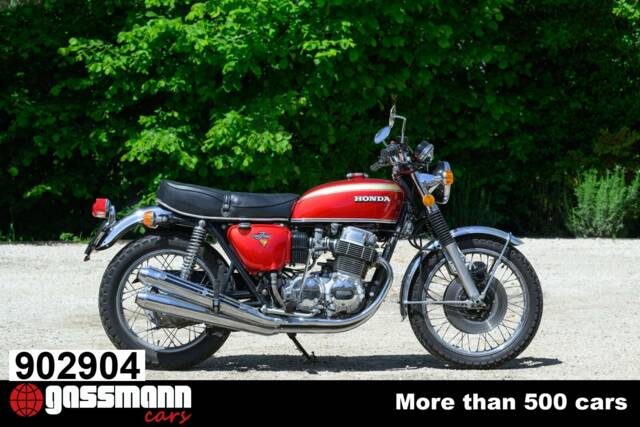
1972 | Honda CB 750 Four
CB750 Four - Restauriert
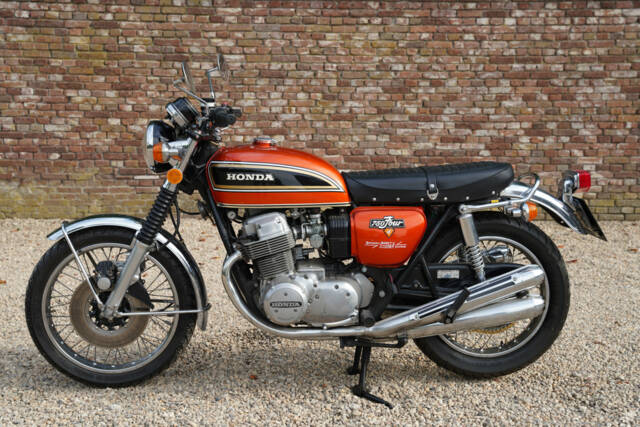
1977 | Honda CB 750 Four
Honda CB 750 Four Only 13.000 Km original from new, original condition, stunning!
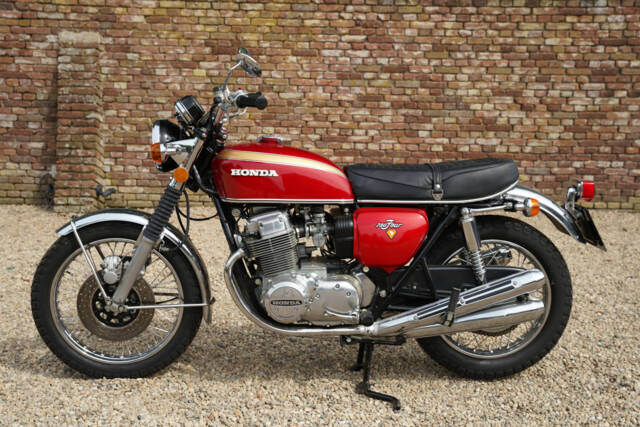
1974 | Honda CB 750 Four
Honda CB750 K2 Four Extensive restoration, Finished in Candy Ruby Red, A top-notch enthusiast motorcycle, From a dedicated collection, To collect or to ride,
Honda CB 750 Four Classic Motorbikes: Prices & Market Values
The market value of Honda CB 750 Four motorcycles is primarily determined by technical condition, originality, and mileage, as well as rarity, history, and documentation. A well-maintained, largely original vehicle with low, verifiable mileage and a complete history including expert reports and documentation generally achieves significantly higher prices than a comparable vehicle with deferred maintenance, extensive modifications, or an unclear provenance.
Honda CB 750 Four: Market Prices & Value Trends
Based on Classic Trader marketplace sales data from January 2021 to January 2026, the Honda CB 750 Four market in Europe looks broadly stable, with a slight firming of values for early-1970s bikes. Recent asking prices cluster well above the cheapest outliers, suggesting buyers continue to pay a premium for correct, well-presented examples. Across the dataset, most CB 750 Fours (typically 67 hp, mainly 1970–1977 model years, with some later bikes appearing) sit in a realistic market band of roughly £7,000 to £13,000, depending on condition, originality and restoration quality. Sub-£6,000 adverts do appear, but they are not representative of the main market, while top-end figures above ~£17,000 are comparatively rare and likely reflect exceptional provenance or presentation. German, Italian and Dutch entries dominate the sample, indicating strong continental demand. For today’s buyers this means a steady market where good bikes sell at sensible money, supported by the CB 750 Four’s landmark status and enduring collector appeal.
History of the Honda CB 750 Four
Unveiled at the Tokyo Motor Show in 1968, the Honda CB 750 Four marked a turning point in motorcycle engineering and accessibility. Honda equipped the bike with features rarely seen in its segment at the time, including a 736 cc overhead camshaft inline-four engine, electric start, and a front disc brake. Production began in 1969, and the model quickly gained attention for its outstanding reliability and user-friendly character. More than 550,000 units left the factory by the end of the 1970s, making it a dominant force in the market and a benchmark in the so-called 'superbike' segment.
Model Range and Development
The CB 750 Four’s production spanned several key versions: K0 (the earliest and most sought after, 1969/70), followed by K1 (1971), K2 (1972/73), K5 (1975), K6 (1976), and later K7, F1, and F2 types, each bringing subtle technical and aesthetic upgrades. All retain the core characteristics—inline-four powerplant, Keihin carburettors, 5-speed gearbox—but later models introduced advances such as electronic ignition. While direct successors changed the design significantly post-K7, collectors value the earlier models for their originality and historic build features. Exported globally, regional differences exist in equipment and handlebar types, notably the high 'USA bars'.
Key Features and Market Statistics
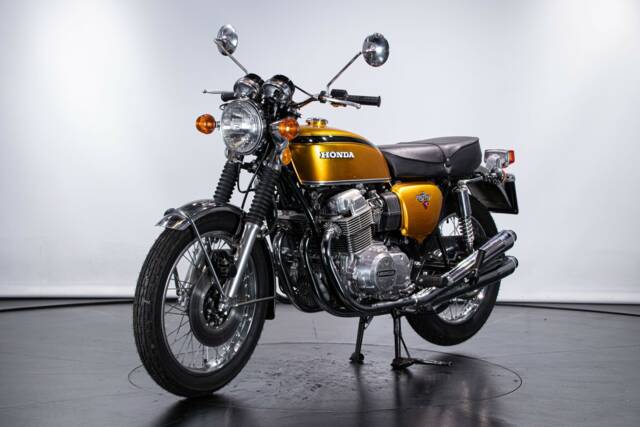
Setting itself apart with a five-speed transmission, four carburettors (most commonly Keihin), and a front disc brake—rare at the time—the Honda CB 750 Four delivered a blend of comfort and athletic riding qualities. The model is highly regarded for its long-term dependability, ease of restoration, and accurate parts reproduction. Features like original exhausts (notably 'HM 300' on K0), factory toolkits, and period-correct paintwork (including Candy Saphire Blue, Candy Antares Red, and Metallic Yellow) enhance its desirability among specialists. Matching engine and frame numbers are essential for collectors and valuation, especially within the most original survivor bikes.
Technical Data
Special Editions and Collectible Models
Most sought after are the earliest K0 models from 1969-1970, distinguished by their unique exhausts and specific frame and engine numbers. Other standout variants include the K1 through K6 (1971–1976), as well as the F1 and F2 models, which introduced further technical updates but remained true to the series' core virtues. 'Conserved' examples—original, unrestored bikes with verified provenance—attract high collector attention, especially when certified by organisations such as ASI or FMI.
Engine, Transmission and Handling
The CB 750 Four’s engine set benchmarks for performance and durability at launch, producing 67 hp and reliably achieving 200 km/h. The OHC inline-four is renowned for its smooth power delivery and impressive longevity when maintained. Handling is balanced and predictable, influenced by tyre type and carburettor tuning. The five-speed gearbox and ride comfort make long distances enjoyable for both rider and pillion. Notably, early adoption of a front disc brake enhanced braking performance compared to many contemporaries. Notable variations like the K0 (with its dedicated HM 300 exhaust) and later F1/F2 types offer subtle distinctions in setup and equipment, but all models deliver their signature smoothness and ease of use.
Exterior, Interior and Equipment Details
Distinctive tank finishes—such as Candy Saphire Blue, Candy Antares Red, and Metallic Yellow—mark out different years and editions. Original seat coverings, gold or black pinstriping, and perfectly preserved chrome details are hallmarks of the most valued examples. Collectors also take note of original bolts, Honda documentation, factory-supplied toolkits, and instrumentation with age-correct patina, all of which help authenticate unrestored machines. Variations in handlebars distinguish export models, especially those destined for the US market.
Additional Features and Details
CB 750 Four motorcycles are eligible for historic registration and meet the requirements for both national and international classic certification standards, including ASI and Classic-Data. Originality—documented by matching numbers, patina, and period paperwork—plays a significant role in enthusiast circles. The series' widespread production and export history bring a variety of configurations and sunk market details such as lighting types, handlebar shapes, and regional finishes.
Summary
Honda’s CB 750 Four offered an unprecedented mix of technical sophistication, usability, and durability, shaping the development of modern motorcycles from its 1969 launch onward. Its unique blend of features—inline-four engine, disc brakes, electric start, and an array of original options—ensure ongoing demand. Collectors value not only restored machines but also well-documented, unrestored examples with as much factory originality as possible. Every CB 750 Four tells a story, exemplifying the technical and cultural impact Honda made on the classic bike world.