Honda CB 500 Four classic bikes for sale
The Honda CB 500 Four stands out as one of the most technically distinctive motorcycles of the 1970s, featuring a four-cylinder engine, robust frame construction, and eye-catching original colour options. These characteristics make the CB 500 Four a sought-after model among classic motorcycle enthusiasts and collectors.
Zoekresultaten
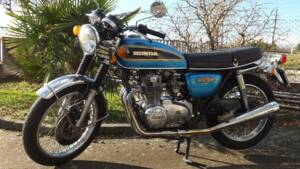
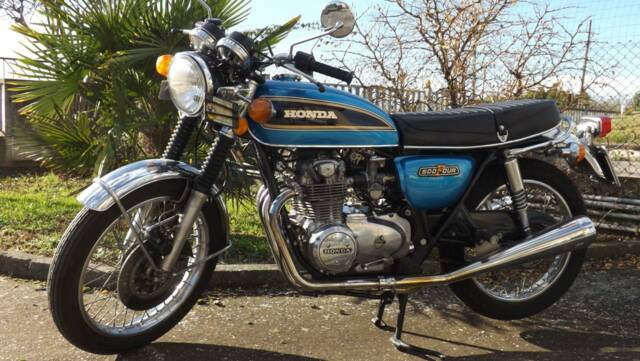
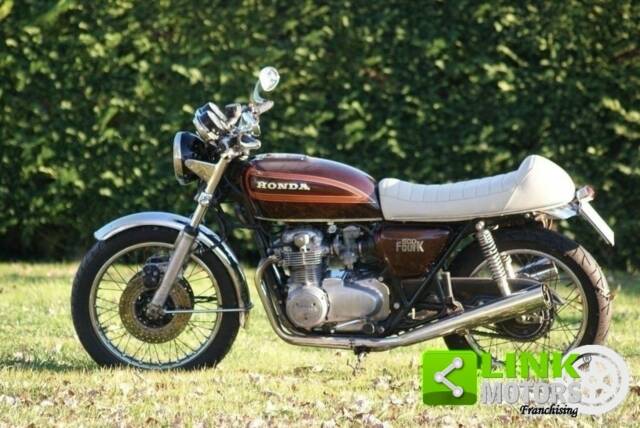
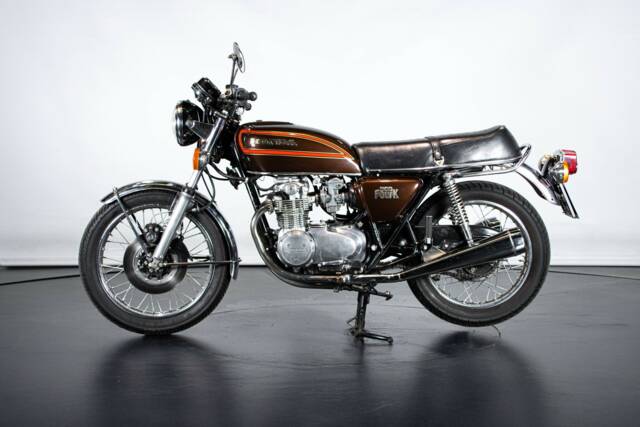
1979 | Honda CB 500 Four
Honda CB 500 FOUR K
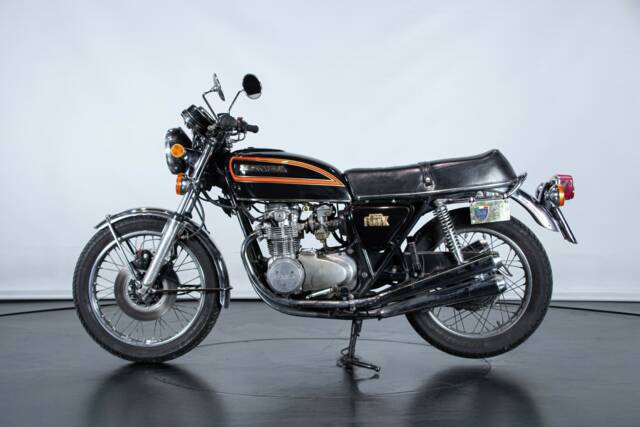
1978 | Honda CB 500 Four
Honda 500 FOUR K
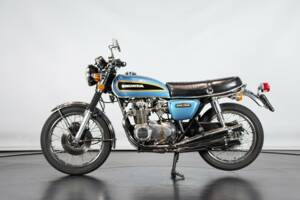
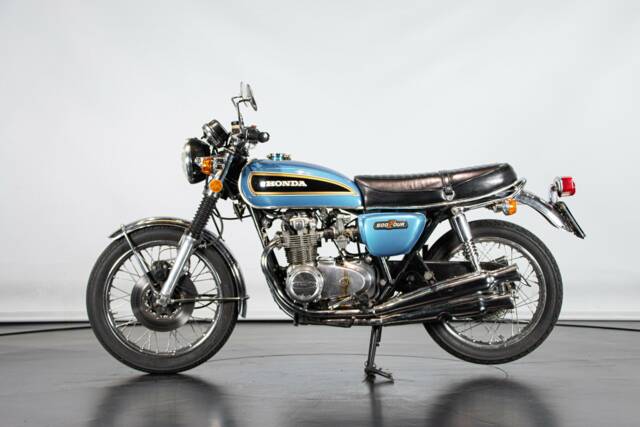
1977 | Honda CB 500 Four
Honda CB 500 FOUR
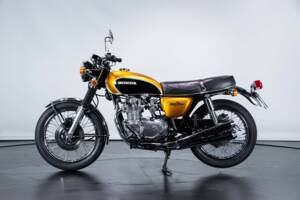
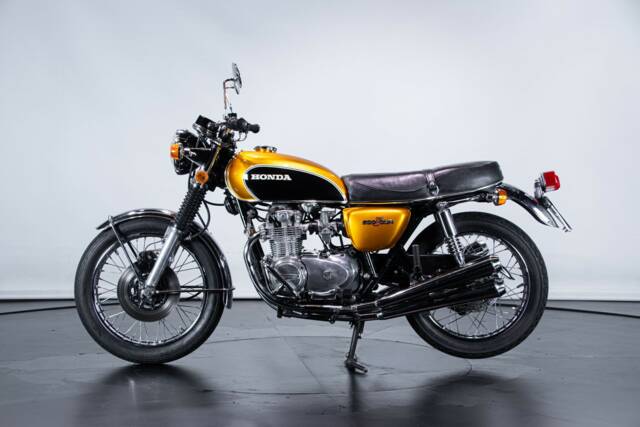
1975 | Honda CB 500 Four
Honda CB 500 FOUR
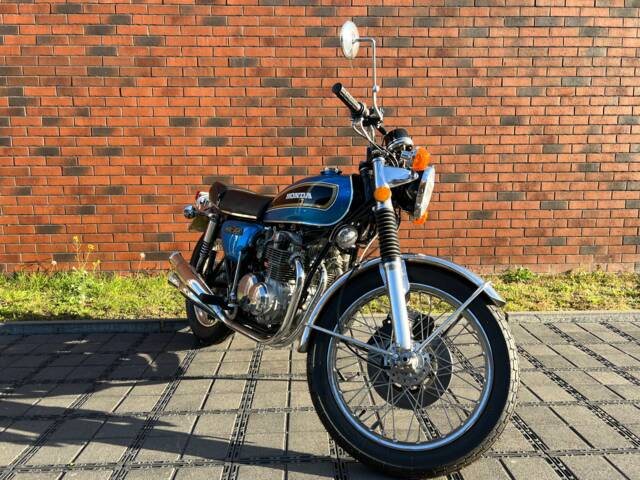
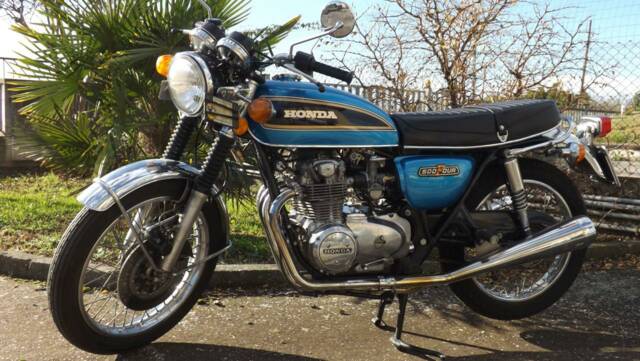

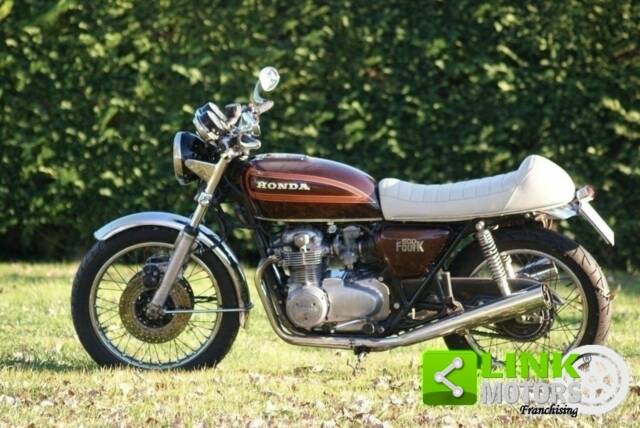
Honda CB 500 Four listing references from Classic Trader
Below you will find listings related to your search that are no longer available on Classic Trader. Use this information to gain insight into availability, value trends, and current pricing for a "Honda CB 500 Four" to make a more informed purchasing decision.
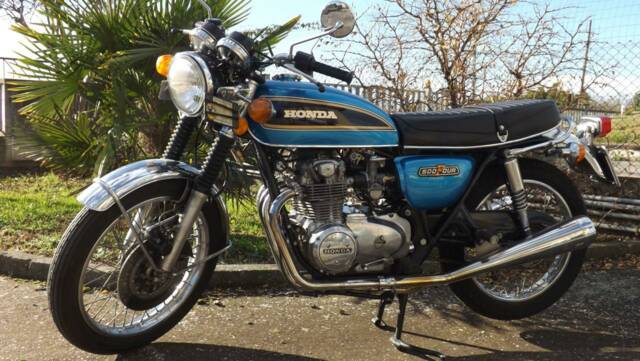
1978 | Honda CB 500 Four
-
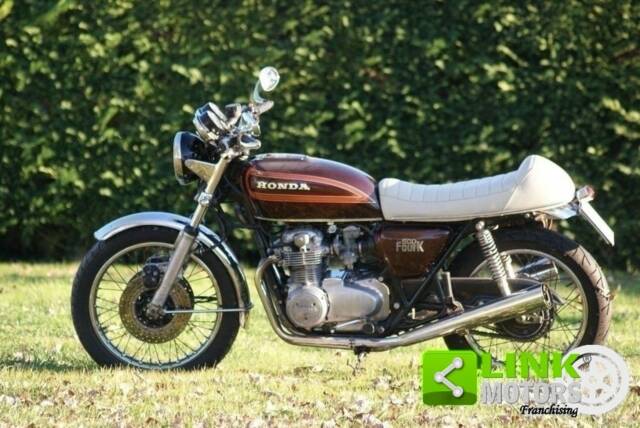
1978 | Honda CB 500 Four
-
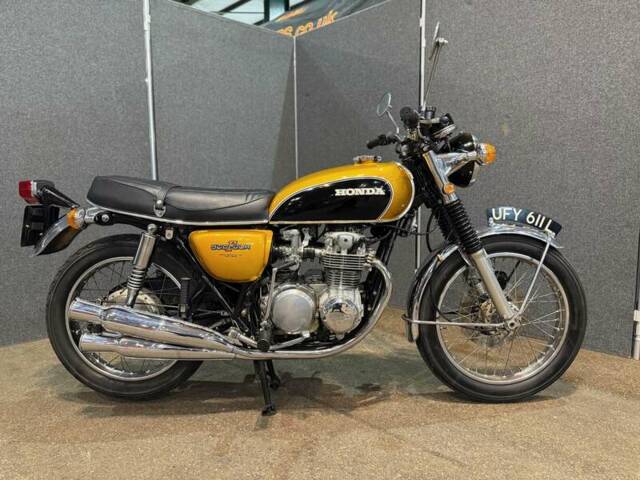
1971 | Honda CB 500 Four
1971 Honda CB500 Four K0 498cc
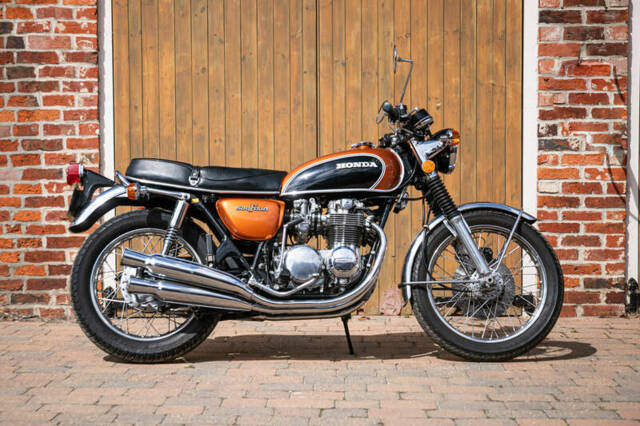
1975 | Honda CB 500 Four
1975 Honda CB500/4 500cc
Honda CB 500 Four Classic Motorbikes: Prices & Market Values
The market value of Honda CB 500 Four motorcycles is primarily determined by technical condition, originality, and mileage, as well as rarity, history, and documentation. A well-maintained, largely original vehicle with low, verifiable mileage and a complete history including expert reports and documentation generally achieves significantly higher prices than a comparable vehicle with deferred maintenance, extensive modifications, or an unclear provenance.
Honda CB 500 Four: Market Prices & Value Trends
Based on sales data from the Classic Trader marketplace, the Honda CB 500 Four market in Europe has been broadly stable to gently firming over the period from early 2021 to January 2026. Most recorded prices cluster in a realistic band of roughly £5,000 to £8,500, with the strongest, well-presented examples occasionally pushing towards £9,500–£10,500. While a handful of higher figures appear, these should be treated as outliers rather than the norm. Recent data points from late 2025 into early 2026 continue to sit in the mid-range (around £5,000–£8,700), suggesting steady demand rather than a sudden spike. For buyers, this means you can still find usable CB 500 Fours at sensible money, but tidy, original-spec bikes from the early-to-mid 1970s typically command a premium. The model’s enduring appeal comes from its classic Honda four-cylinder engineering, strong parts support, and growing interest in 1970s Japanese classics, all of which help underpin values.
Introduction and history of the Honda CB 500 Four
The Honda CB 500 Four was launched in spring 1972, quickly making a mark on the European motorcycle market. Its four-cylinder, four-stroke inline engine marked a significant step forward in technology and performance for midsize bikes. Production of the CB 500 Four continued until at least 1978, with Honda introducing several evolutions over the years. In terms of frame and construction, the CB 500 Four distinguished itself with an extensively pressed steel cradle frame and a classic closed loop below the engine—a hallmark of Honda's Four series. Its introduction solidified Honda’s leadership in reliability and precision in motorcycle manufacturing throughout the decade.
Model history
The CB 500 Four succeeded earlier CB models and helped close the gap between the smaller CB 350/400 and the renowned CB 750 Four. Production included various iterations, denoted as K0, K1, K2, and K3, each with subtle technical or aesthetic changes. The rare K3 version, produced in 1978 with only 4,070 units, is particularly notable for collectors. The CB 500 Four enjoyed broad appeal, especially in Germany, Austria, and Italy, and is still valued today as both a classic standard and a popular base for Café Racer conversions.
Highlights of the Honda CB 500 Four
The CB 500 Four’s technical highlights include its four-in-four original exhaust, double disc brakes (available on certain versions), and a five-speed gearbox, which allowed it to surpass 180 km/h. Original parts—such as the exhaust, seat, levers, and cowling—play a crucial role in how models are valued by enthusiasts. Other distinctive features include factory colour variations like Candy Gold and Metallic Blue, original dual keys, toolkits, and complete original documentation, which are particularly sought after by purists.
Technical data
Special Editions and Collectible Models
Of particular interest is the K3 version from 1978, limited to only 4,070 units. Other series (K0, K1, K2) feature specific colour and equipment options, adding to collector appeal. Models with matching numbers (matching frame and engine) and complete original accessories, including paperwork, are especially valued.
Weak Spots and Common Issues
As with many motorcycles from the 1970s, maintaining originality is crucial for value retention. Buyers should pay close attention to components like side covers, indicators, rear light, and the original seat, as replacements or missing parts are common. Chrome elements (rims, spokes, trim) are susceptible to corrosion if not properly cared for. Always check frame and engine serial numbers for authenticity, ensure the exhaust is original, and verify that colour codes match the factory specifications.
Engine and Performance, Transmission and Handling
The CB 500 Four’s inline-four delivers robust performance for its class, pushing out up to 50 PS at high revs, and achieving speeds over 180 km/h in top gear. Thanks to a dry weight just above 200 kg and a well-balanced chassis, this Honda handles city traffic with agility. The pressed steel frame, mixed with a five-speed transmission, ensures a balanced ride characteristic of its time. The 4-into-4 exhaust not only provides an unmistakable sound but also contributes to even power distribution. Notable are the K3 (1978, just 4,070 built), K0, K1, and K2, each with distinctive features and colour options. Double front disc brakes and original exhaust systems highlight sought-after variants.
Interior, Comfort, Exterior and Design
The Honda CB 500 Four stands out visually with pronounced chrome features on the rims and spokes and factory paint schemes in Candy Gold, Metallic Blue, Black, and Pearl Brown depending on the version. Seat designs mirror the era with quilted upholstery and period-correct stitching. Accessories such as the original toolkit and double key system are highly valued. Model-dependent features include dual front discs and unique badging. Authentic colour codes and matching number status (frame and engine prefixed with correct codes) further boost the appeal for collectors seeking full originality.
Other relevant features
Documentation is key—original registration, service records, and country-specific papers (Germany, Austria, Italy) are valuable for traceability and prove provenance. The CB 500 Four also enjoys a strong following as a basis for custom builds, particularly Café Racers, due to its robust frame and classic engine.
Summary
The Honda CB 500 Four represents a milestone of 1970s motorcycle engineering, blending a four-cylinder engine with period-specific design and technology. Its collector status is driven by originality, rarity of specific versions, and the enduring appeal of 1970s Honda craftsmanship. Original details, correct documents, and matching numbers remain central to market interest among classic bike collectors and enthusiasts.