Wolseley Sixteen Classic Cars for Sale
The Wolseley Sixteen stands out as a British saloon known for its refined engineering, spacious interior, and characteristic post-war charm. For collectors and British car enthusiasts, this model represents a unique chapter in Wolseley’s production history.
Search results
Currently, there are no matching listings for your search.
Create search alert
Let yourself be notified as soon as a listing is published that matches your search filters.
Create listing
Do you have a Wolseley Sixteen that you want to sell? Then create a listing now.
Create listingWolseley Sixteen listing references from Classic Trader
Below you will find listings related to your search that are no longer available on Classic Trader. Use this information to gain insight into availability, value trends, and current pricing for a "Wolseley Sixteen" to make a more informed purchasing decision.
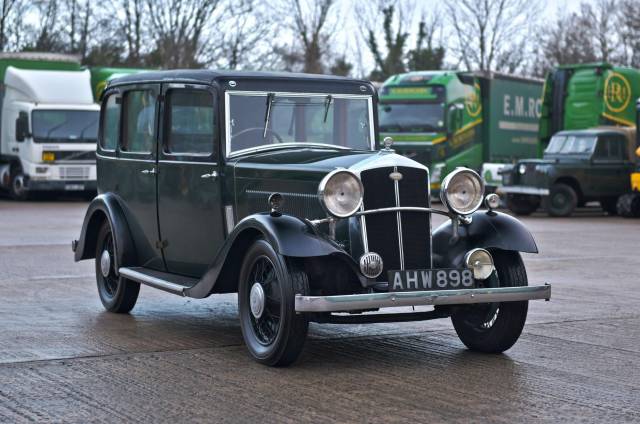
1934 | Wolseley Sixteen

Create search alert
Let yourself be notified as soon as a listing is published that matches your search filters.
Create listing
Do you have a Wolseley Sixteen that you want to sell? Then create a listing now.
Create listingWolseley Sixteen Classic Cars: Prices & Market Values
History of the Wolseley Sixteen
The Wolseley Sixteen marked an important era in British motoring during the late 1940s and early 1950s, when Wolseley Motor Company was shaping its reputation for producing solid, middle-class saloons. After the Second World War, Wolseley responded to the renewed market for family vehicles by introducing models like the Sixteen, which combined established mechanical principles with a touch of luxury. The Sixteen was aimed at drivers seeking reliability with more comfort than typically found in the immediate pre-war and post-war competition. Its place in the Wolseley lineup reflects both the ambitions of the Nuffield Organisation and the taste of British motorists at the time.
Model Range and Development
The Sixteen drew on a tradition of straight-six engines in the Wolseley range, originally positioned above the Twelve and the Fourteen models. It was designed to provide an improved driving experience with higher displacement and greater smoothness, serving middle-class families and professionals. The Sixteen was succeeded by newer Wolseley saloons in the early 1950s, as BMC began unifying model line-ups and advancing engine technology across brands. Its predecessors were typically four-cylinder Wolseleys, such as the Twelve, with the Sixteen stepping up performance within the same body shell.
Special Features and Market Presence
Key points of the Wolseley Sixteen include its inline-six engine, hydraulic brakes, and reinforced chassis for improved comfort. The Sixteen is recognisable for its upright Wolseley grille, generous cabin space, and characteristic post-war styling. As per Classic Trader’s statistics, the Sixteen accounts for 100% of Wolseley adverts and listing views in our current database, placing it as the clear focal point for the Wolseley brand in the classic market today.
Technical Specifications
Special Editions and Collectible Versions
There are no widely-documented special editions of the standard Wolseley Sixteen. However, period accessories and dealer upgrades—such as fog lights, wood veneer enhancements, or overdrive gearboxes—could enhance collectability. Factory-fitted options occasionally included heater units and period-appropriate radio sets.
Weak Spots and Common Issues
With the information available, no pattern of common weaknesses is detailed for the Wolseley Sixteen. As with most classics of this era, buyers are advised to check for corrosion in the chassis and suspension mounts, worn interior trim, and potential engine oil leaks. Mechanical simplicity generally aids longevity if the vehicle has been properly maintained.
Engine and Performance, Transmission and Handling
The Sixteen’s 2.2-litre straight-six provided above-average refinement for its class, contributing to relaxed cruising at moderate speeds. Power delivery was smooth and the gearing was suited to the period’s road conditions, making it a competent long-distance performer in its era. Suspension favoured comfort over agility, with predictable handling typical for large British saloons of the late 1940s. There are no other currently listed Wolseley models to highlight within this range, with the Sixteen representing the entire supply and demand for the marque on our platform.
Interior, Comfort, Exterior and Design
The Sixteen’s cabin was designed for space and comfort, featuring broad bench seating and an upright dashboard often finished in real wood veneer. Instrumentation was clear and functional, while the upright grille and classic Wolseley badge signified quality. Extensively chromed trim pieces and traditional leather upholstery underscored its British character. Accessories obtainable at the time included sun visors, optional rear-view mirrors, and period luggage racks.
Other Notable Features
Some Wolseley Sixteens were fitted from new with unique dealer or owner modifications. These might include extra fog lamps, trafficators instead of indicators, or period aftermarket alloy wheels—rarely, a car might be seen with rally-inspired details if repurposed in later decades.
Summary
The Wolseley Sixteen exemplifies post-war British automotive engineering with its six-cylinder drivetrain, focus on driver comfort, and understated prestige. With a distinctive place in Wolseley history and a clear presence in today’s classic car listings, the Sixteen remains a compelling choice for collectors attracted to classic British saloons.