Wolseley Hornet Special classic cars for sale
The Wolseley Hornet Special is instantly recognisable among classic car enthusiasts for its refined six-cylinder engine, lightweight chassis and the flexibility offered in its various body styles—from open two-seaters to saloons and bespoke coachbuilt variants. With production from 1930 to 1936 and a reputation secured both on the road and at competitive club events, this series delivers character, performance and historical value for those seeking a true pre-war British classic.
Search results
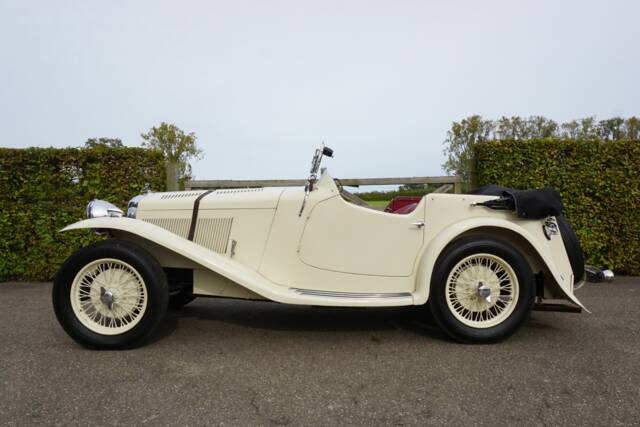

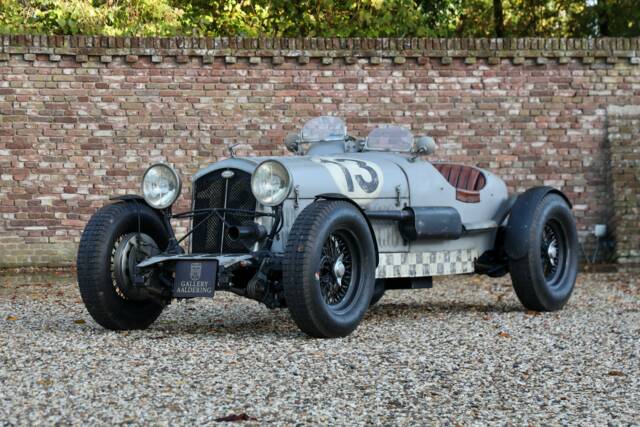
1936 | Wolseley Hornet Special
Wolseley Hornet "Kompressor Special" 6 cilinder Built and restored from 2011 to 2017 by German "English classic car" specialist, Engine block bored out to 1648cc and equipped with a compressor - now good for 100 hp (claims), Fantastic appearance with a return to the 1930s skills and toughness, We know that many enthusiasts have a "Special" in their collection - A kind of guilty pleasure,

Wolseley Hornet Special listing references from Classic Trader
Below you will find listings related to your search that are no longer available on Classic Trader. Use this information to gain insight into availability, value trends, and current pricing for a "Wolseley Hornet Special" to make a more informed purchasing decision.
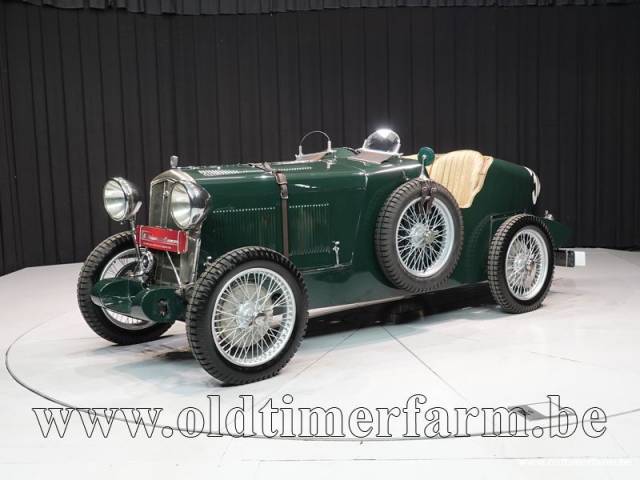
1933 | Wolseley Hornet Special
1933 Wolseley Hornet Special '33
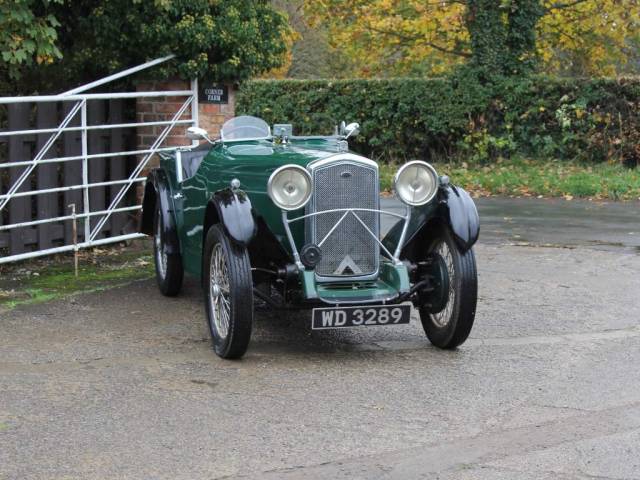
1932 | Wolseley Hornet Special

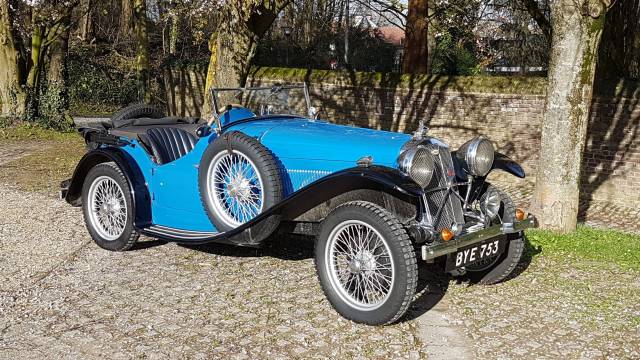
1934 | Wolseley Hornet Special
Abbey 2+2 Body
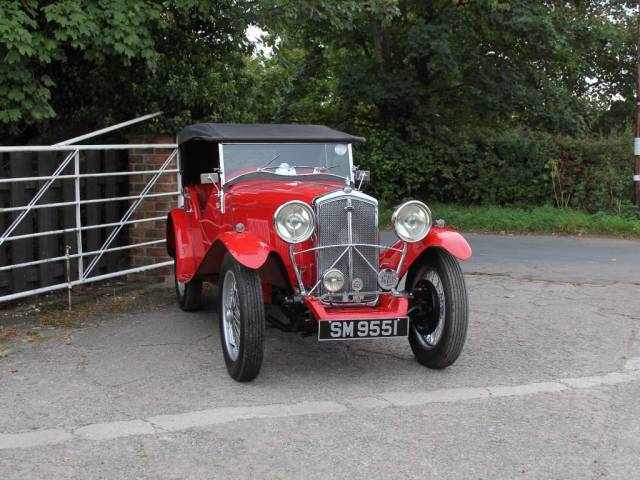
1932 | Wolseley Hornet Special
Wolseley Hornet March-Bodied Special
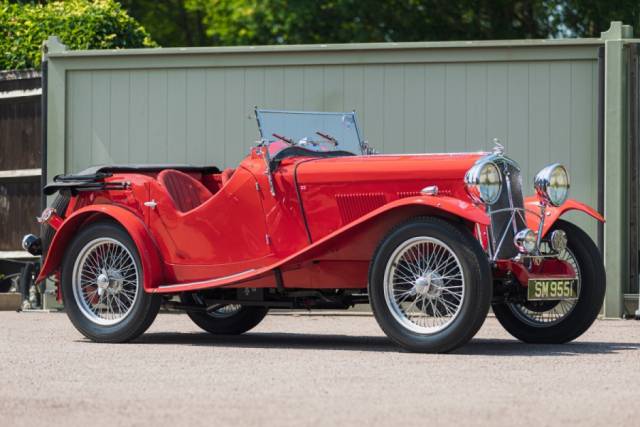
1932 | Wolseley Hornet Special
Silverstone Classic Live Online Auction 2020; 31st July-1st August
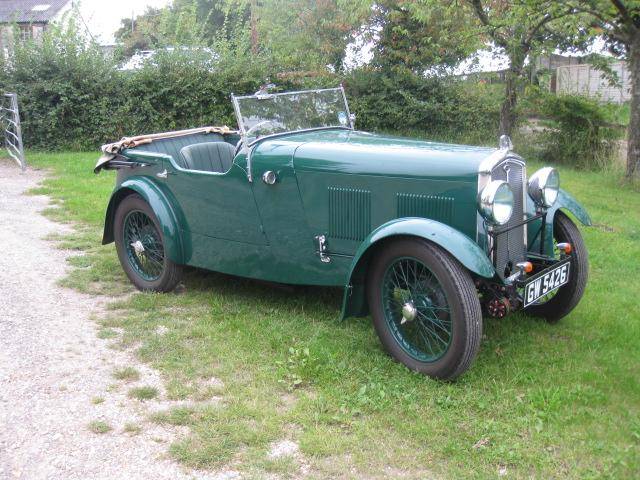
1932 | Wolseley Hornet Special
Tourer
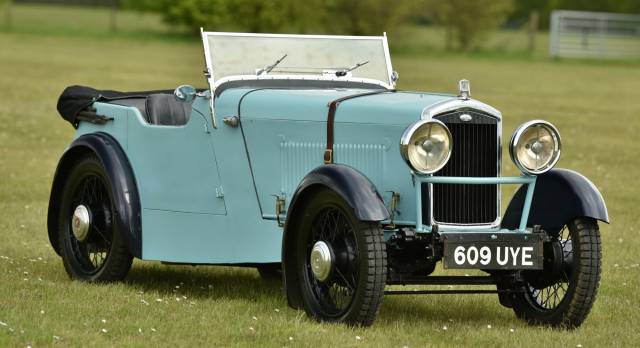
1931 | Wolseley Hornet Special
1930 Wolseley Hornet
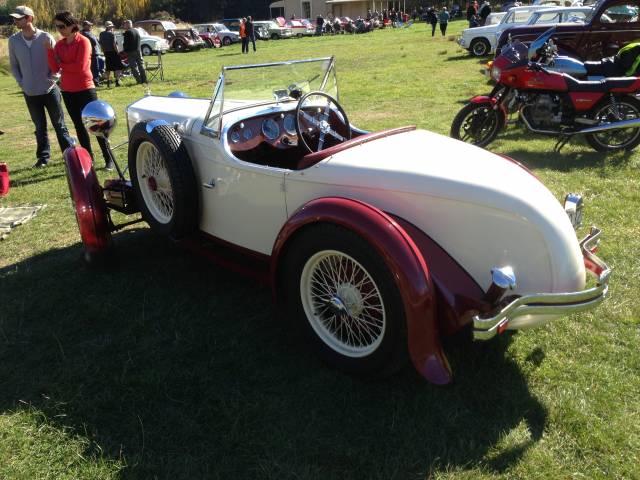
1932 | Wolseley Hornet Special
2 x Swallow Bodied Wolseley Hornets Specials with knock on wire wheels
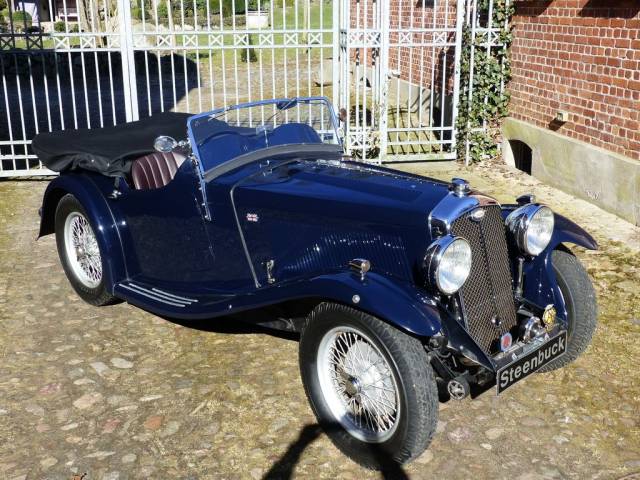
1935 | Wolseley Hornet Special
Agile roadster with a body of Hiltons of Rugby

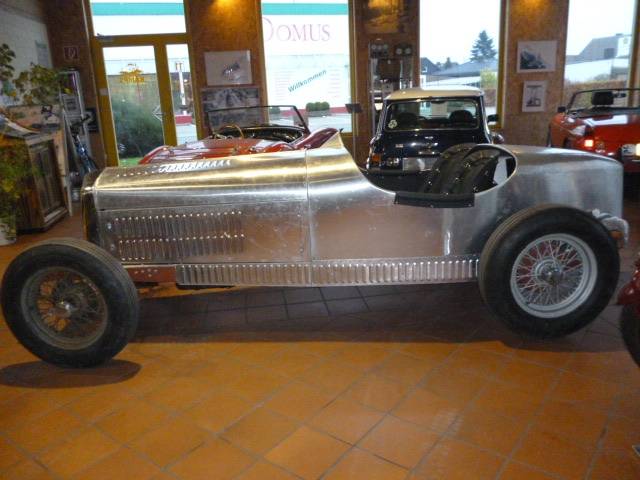
1934 | Wolseley Hornet Special
Wolseley Hornet Special
Wolseley Hornet Special Classic Cars: Prices & Market Values
History of the Wolseley Hornet Special
The story of the Wolseley Hornet Special is rooted in the revival of the Wolseley brand following its acquisition out of insolvency by William Morris in 1927. The original Hornet was unveiled in April 1930, offering a novel blend of lightweight construction and a compact, advanced six-cylinder engine. Praised as a ‘miniature six’, this engine choice set it apart from its contemporaries, as six-cylinders brought noticeably smoother operation than the more common fours of the era. The Hornet Special developed a strong reputation for sporting reliability and success in club competitions. As customer demand shifted toward greater comfort and room, Wolseley responded by evolving the series without sacrificing its sporting edge, culminating in a respected range of lightweight saloons, coupés and open sports cars.
Model History
The Hornet Special’s production began in 1930 and continued through 1936, with continual improvements to meet both sporting and touring requirements. Initially, it was conceived as a lightweight, four-passenger car, but the line expanded to support increased comfort and bespoke coachwork, offered as a rolling chassis to independent coachbuilders. In 1934, the introduction of the 'New Hornet Special' brought a redesigned chassis, improved suspension, and updated styling. The final evolution replaced the original engine head with a new cross-flow cylinder head, while transmission advancements included synchronized third and fourth gears. The Hornet Special was eventually succeeded by the Morris-based Wolseley 12/48 in 1936, but it remains a high point in pre-war British motoring for its combination of innovative engineering and sporting appeal.
Highlights
• Lightweight construction with a small-displacement yet refined six-cylinder engine, providing a distinctively smooth driving experience. • Broad body style offerings, including saloon, coupé, open sports variants, and chassis tailored for custom bodywork from specialist coachbuilders. • Strong reputation in both on-road use and club-level motorsport competitions during the 1930s. • Engine enhancements in the Special models included increased power outputs, especially after the 1934 model year 'New Hornet Special' chassis revision.
Technical Data
Special Editions and Collectible Models
Special bodies, produced in conjunction with leading coachbuilders of the period, stand out as particularly collectible today. The Hornet Specials fitted with the uprated engine and 'New Hornet Special' chassis are especially desirable among connoisseurs due to enhanced performance and distinctive coachwork options.
Weak Spots and Common Issues
No specific information on common weaknesses is provided. As with many pre-war vehicles, potential buyers should carefully assess mechanical integrity—especially of the engine, gearbox (notably synchromesh function), chassis and electrical systems. Many existing Hornet Specials will have seen extensive restoration; originality and the quality of previous work should be scrutinised.
Engine and Performance, Transmission and Handling
The six-cylinder engine in the Hornet Special gives it a notably refined drive, suppressing vibration and delivering responsiveness not typical in similarly sized engines of the time. The introduction of the cross-flow head and later mechanical updates in 1934-35 improved torque and output, lending these vehicles a clear advantage in club competitions. Synchronized upper gears allow smoother changes, and the lightweight chassis with improved suspension delivers nimble, engaging handling. - 'New Hornet Special' (from 1934): cross-flow head engine, chassis and brake improvements.
- Coachbuilt open sports versions: valued for their agility and period performance characteristics.
Interior, Comfort, Exterior and Design
Coachbuilder variety lends the Hornet Special great diversity in appearance and appointments. Open two-seaters featured spartan, purposeful cabins, emphasising light weight and the driver’s connection to the mechanics. Saloons and coupés provided increased comfort, often with bespoke trim and woodwork. The signature upright Wolseley grille and flowing wings are period markers. Special paint finishes and trim details vary depending on the originating coachbuilder and year of construction. Options included high-grade leathers, dashboard instrumentation suited to club events, and external accessories like spot lamps or cycle wings.
Other Information
Following the 1926 bankruptcy, Wolseley’s absorption by the Morris Group positioned it among both luxury and sporting manufacturers. The Hornet Special is noteworthy for bridging these two worlds, offering both elegance in its highest-spec saloons and genuine sports capability in its lighter-bodied variants.
Summary
The Wolseley Hornet Special stands as a uniquely British pre-war classic, memorable for its smooth six-cylinder engine, wide range of bespoke coachwork options, and development both as a road car and a competition machine. Its exclusivity within the Wolseley range—evident in its 100% share of both supply and demand among Wolseley listings—highlights its enduring appeal among collectors seeking historical depth, technical sophistication and a lively driving experience.