Willys CJ-3B classic cars for sale
The Willys CJ-3B stands out with its unique high-hood design, robust F-head engine, and direct lineage from wartime Jeeps. Its simplicity, mechanical honesty, and the distinctive character have preserved its reputation among classic off-road enthusiasts. Explore more details and the rich story behind the CJ-3B below.
Search results
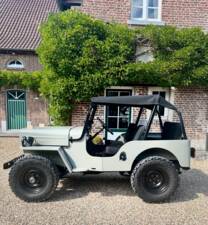
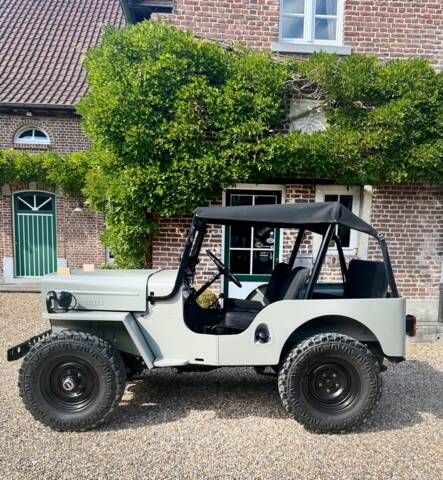
1956 | Willys CJ-3B
Jeep Willys CJ3B - 1956 - AS NEW!

Willys CJ-3B listing references from Classic Trader
Below you will find listings related to your search that are no longer available on Classic Trader. Use this information to gain insight into availability, value trends, and current pricing for a "Willys CJ-3B" to make a more informed purchasing decision.
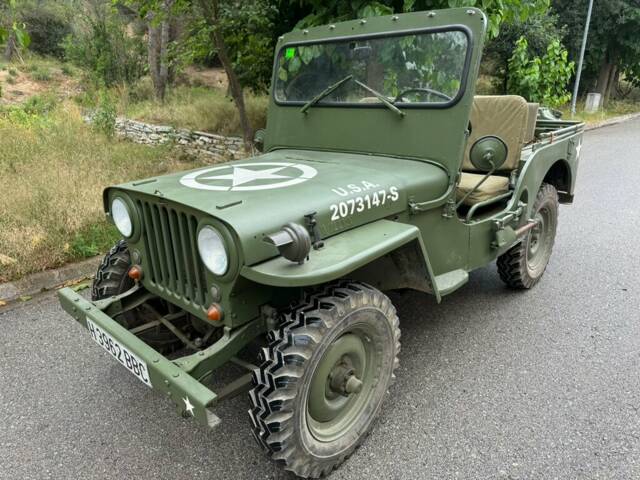
1954 | Willys CJ-3B
Willys Jeep CJ-2A | 1954 | Route 66 Auctions - For sale by auction. Estimate 10500 EUR

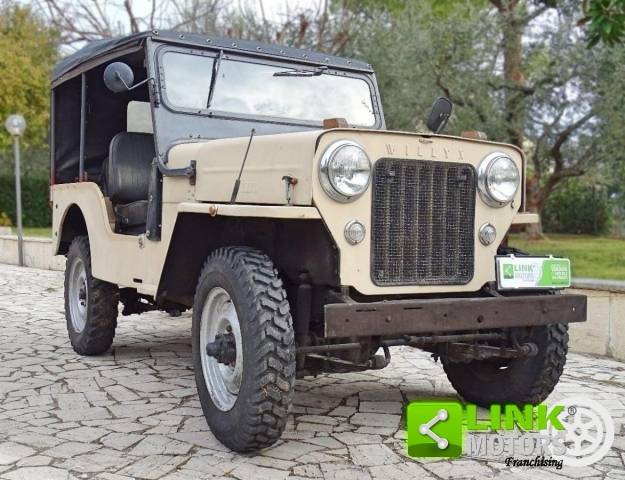
1953 | Willys CJ-3B
JEEP - WILLYS CJ 3B 1953

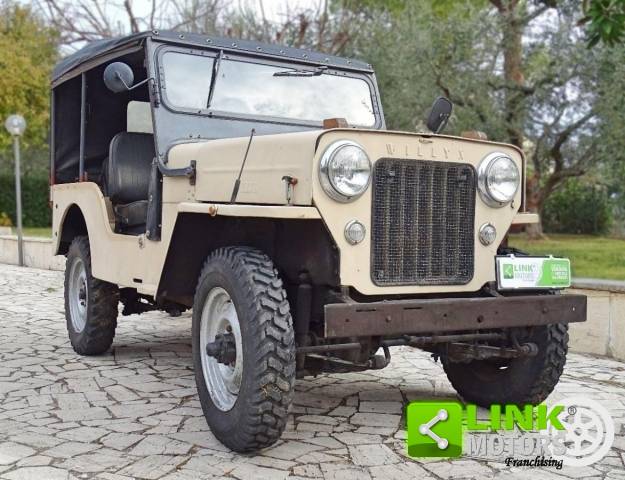
1953 | Willys CJ-3B
JEEP - WILLYS OVERLAND 1953

1955 | Willys CJ-3B
Willys CJ-3B M38A1
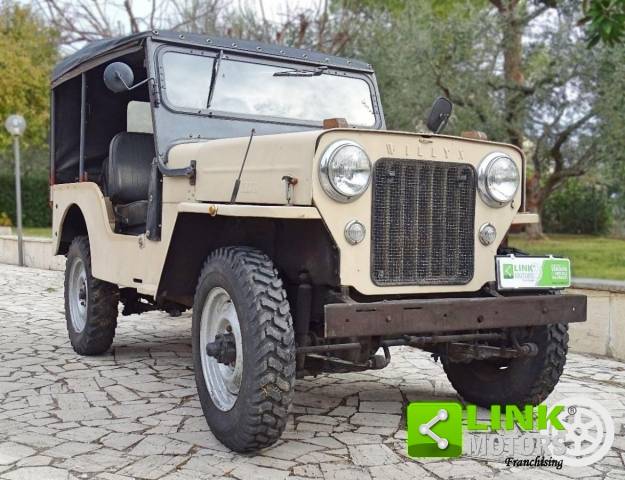
1984 | Willys CJ-3B
Jeep CJ 3 B
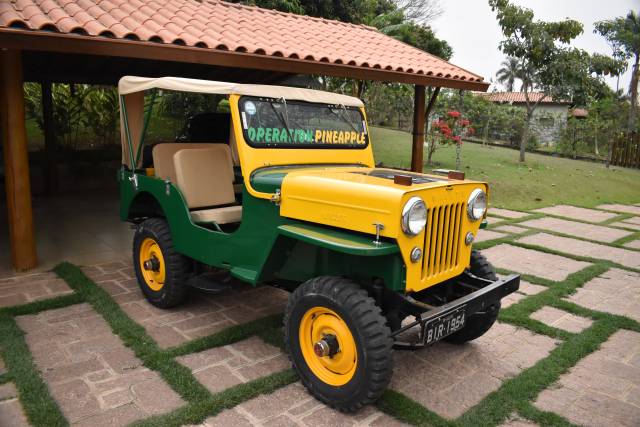
1954 | Willys CJ-3B
1954 Willys Jeep CJ3B - Operation Pineapple tribute
Willys CJ-3B Classic Cars: Prices & Market Values
History of the Willys CJ-3B
Launched in 1953, the Willys CJ-3B was developed as an evolution of the earlier CJ-2A and CJ-3A models. The main innovation was the integration of the new F-head 'Hurricane' engine, which required a taller hood and changed the vehicle's profile noticeably. Built primarily for civilian users, the CJ-3B maintained a utilitarian approach focused on reliability and durability, while leveraging the success and heritage of the original wartime Willys MB Jeep. The CJ-3B remained in production until the late 1960s and found international markets far beyond the United States, with notable licensed production in countries such as India and Japan.
Model History
The CJ-3B succeeded the CJ-3A and is immediately recognisable by its raised bonnet, a necessary design change to house the taller F-head engine. Unlike the CJ-2A and CJ-3A that used the flathead Go-Devil engine, the CJ-3B marked a technical step ahead with higher output and better power delivery. It served as the base for many further developments, leading up to the CJ-5 and CJ-6. Its longevity in various export markets, where it was produced under license for decades, underscores its durability and widespread appeal.
Highlights of the Willys CJ-3B
The most distinctive feature of the CJ-3B is the high-hood body, a direct result of accommodating the F-head engine. This design choice not only set it apart from previous models but also allowed for a noticeable power improvement, boosting everyday usability in off-road and utility settings. The CJ-3B is renowned for its straightforward mechanics, solid axles, and leaf-spring suspension, all of which contribute to reliable performance under tough conditions.
Technical Data
Special Editions and Collectible Models
While the CJ-3B itself was already a robust workhorse, some export versions assembled under license, such as those from Mitsubishi in Japan or Mahindra in India, have subtle regional changes. The core Willys-built CJ-3B, however, was generally utilitarian with very limited factory special editions.
Weak Spots and Common Issues
The simplicity of the CJ-3B is a strength, but buyers should watch for rust, especially in the floorpans and frame. The F-head engine is robust but needs regular valve adjustments and oil changes. Brake lines and drums can suffer from neglect. The electrical system can display wear, particularly with original cloth wires. Always verify drivetrain and transfer case operation given the off-road usage many examples have seen.
Engine and Performance, Transmission and Handling
The CJ-3B's high-torque engine, low-range transfer case, and solid axles provide exceptional off-road ability and ruggedness. Its three-speed gearbox is well matched to its output, giving reasonable on-road speed for its era but excelling in off-road control. The steering is manual, requiring effort at low speeds, and suspension is firm, prioritising durability. The CJ-3B can keep pace with contemporaries thanks to its smart gearing and light construction. Within the CJ series, the CJ-3B is notable for pioneering the higher-power F-head engine before the lineage moved on to the larger, rounder-bodied CJ-5. It remains unique for its combination of compact dimensions and high bonnet.
Interior, Comfort, Exterior and Design
The CJ-3B retains the minimalist philosophy of its predecessors. The flat, vertical grille is topped by the higher bonnet, giving a distinctive look. Inside, spartan seating and basic controls reflect its utilitarian roots. Factory accessories included power take-offs, winches, soft and hard tops, and extra fuel cans. Paint choices were often simple military and utility colours, with some period-correct US and export-specific tones. Customisation is common, but original configuration holds the most historical value.
Other Features
The CJ-3B's role in post-war agricultural and industrial mechanisation, as well as its use by emergency services and the military in some regions, underlines its versatility. OEM and reproduction parts supply is good, supporting ongoing restoration and usability today.
Summary
The Willys CJ-3B combines practicality, mechanical transparency, and unmistakable character. Its prominence in both supply and demand statistics proves its significance among classic Willys offerings. The simplicity in design and engineering ensures straightforward ownership and enduring appeal for collectors and off-road fans alike.