- Car
- Wiesmann (4 offers)
Buy Wiesmann Classic Cars
Wiesmann mixed British roadster spirit with German engineering and BMW power, creating hand-built sports cars with serious collector appeal. In the UK, their rarity, RHD availability from 2009 and strong auction presence make them especially interesting.
Search results
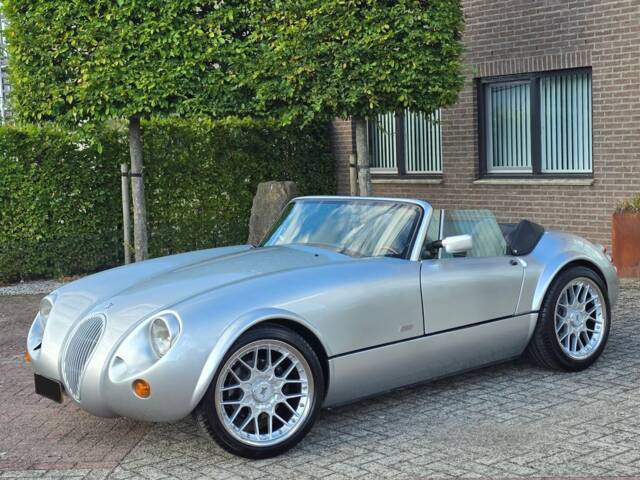
1993 | Wiesmann Roadster MF35
Wiesmann MF35 | 1993 | Route 66 Auctions - For sale by auction. Estimate 45000 EUR

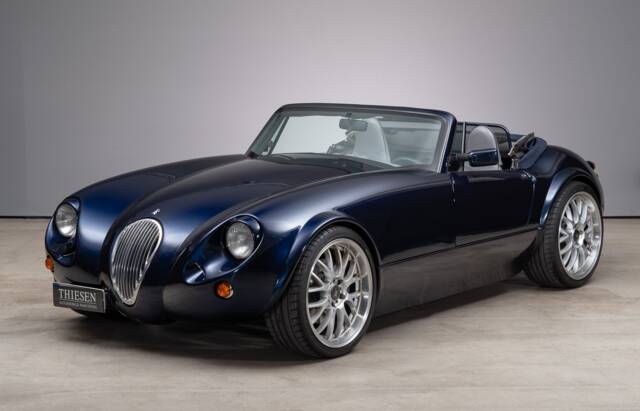
1999 | Wiesmann Roadster MF28
MF 28 - Roadster -

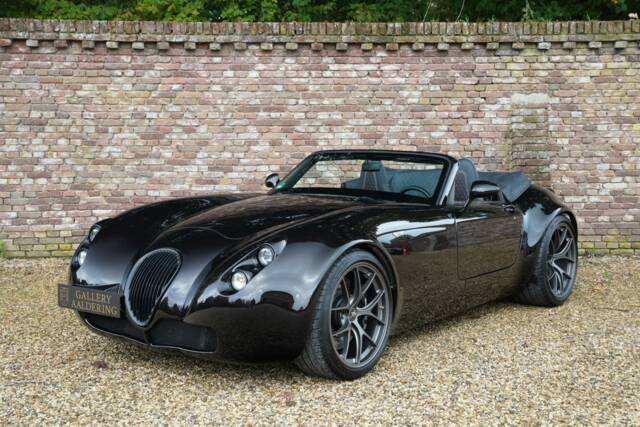
2007 | Wiesmann Roadster MF5
Wiesmann MF5 V10 "Prototype - A collector's item" Equipped with the "notorious" BMW M5 V10 (S85), One of the first built MF5 - Only 43 were manufactured,The vintage retro design with serious supercar performance,Well-maintained and serviced, Stunning condition throughout, A hand-stitched "Brown over Black" leather interior, "If BMW hadn't stopped producing the V10 - Wiesmann would still be using it today",A collector's item,
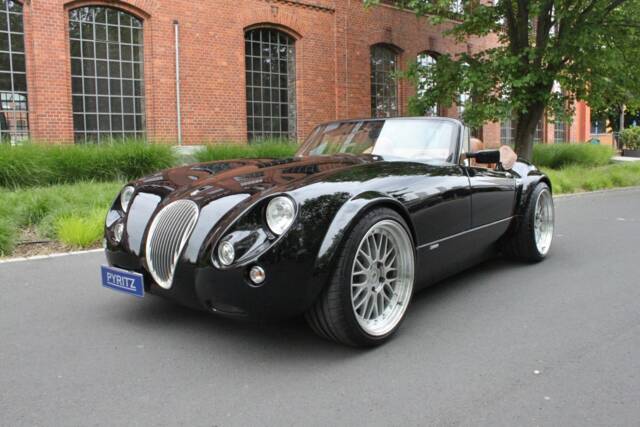
2004 | Wiesmann Roadster MF3
3. Hand
Newsletter
The best Wiesmann listings, straight to your inbox
Get hand-picked Wiesmann listings, plus the best of cars, motorbikes, and auctions on Classic Trader — all in one place.
Wiesmann listing references from Classic Trader
Below you will find listings related to your search that are no longer available on Classic Trader. Use this information to gain insight into availability, value trends, and current pricing for a "Wiesmann" to make a more informed purchasing decision.
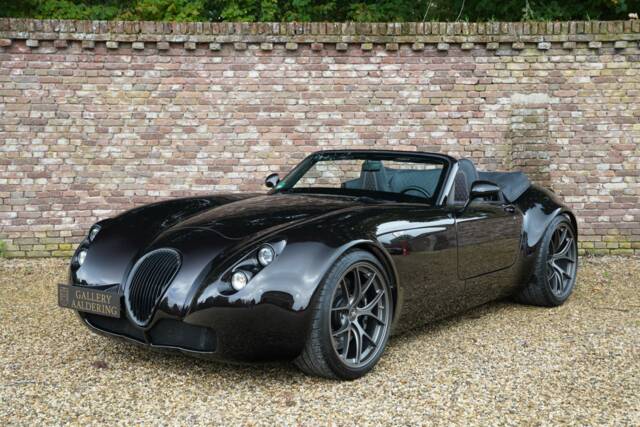
2007 | Wiesmann Roadster MF5
Wiesmann MF5 V10 "Prototype" Equipped with the "notorious" BMW M5 V10 (S85), One of the first built MF5 - Only 43 were manufactured, Stunning condition throughout, A hand-stitched "Brown over Black" leather interior, "Wiesmann - Manufaktur der Individualisten",
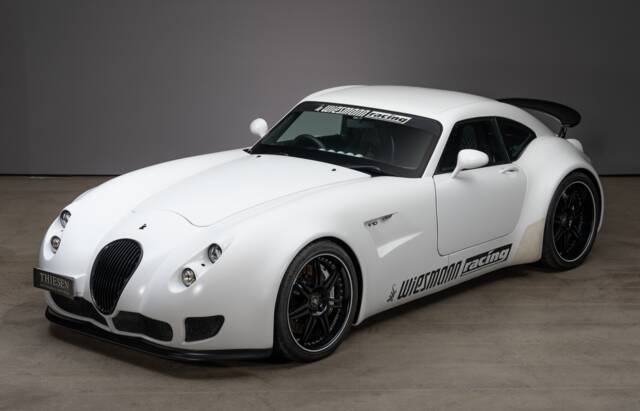
2011 | Wiesmann GT MF5 "20th Anniversary Edition"
GT MF5- “20 Anniversary Edition”- RHD

2008 | Wiesmann GT MF4
2008 Wiesmann MF4 GT(RS). Im Auktionsverkauf. Schätzwert: 80.000 € - 110.000 €. Ohne Mindestpreis!


2000 | Wiesmann Roadster MF3
Wiesmann MF 3 Roadster -Schalter- toporiginal !
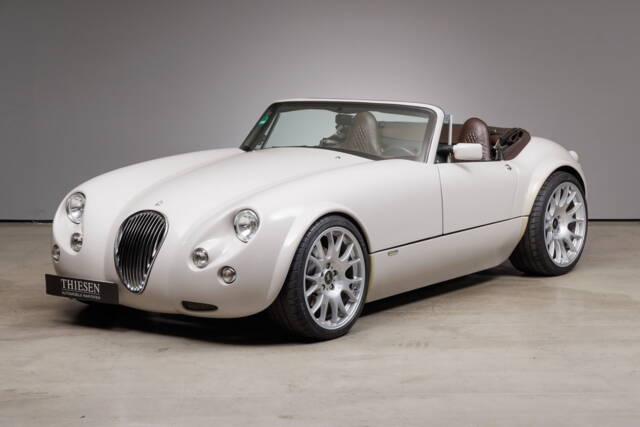
2005 | Wiesmann Roadster MF3
Roadster MF3
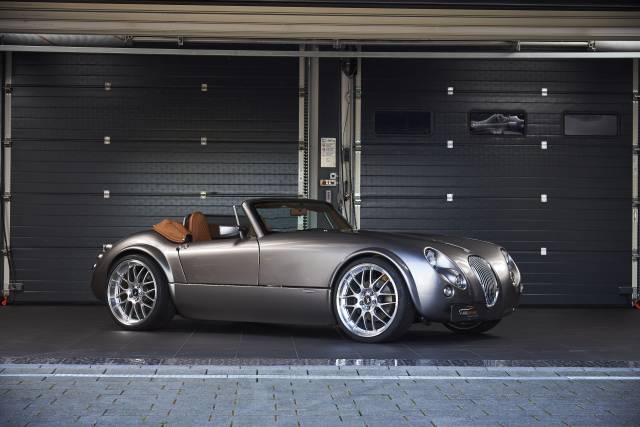
2006 | Wiesmann Roadster MF3
Maserati Nouvelari Metallic / Sonderleder / Geringe Laufleistung
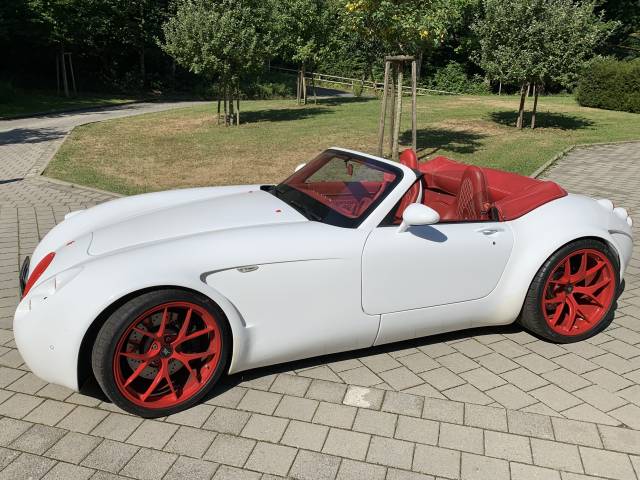
2010 | Wiesmann Roadster MF5
Wiesmann Roadster MF5 V10 1 out of 43
History
Wiesmann’s story starts with a very British idea, even though the cars came from Westphalia. Brothers Martin and Friedhelm Wiesmann were inspired by the shape, feel and freedom of classic British roadsters, then decided to build a car that captured that spirit with modern German engineering. The company was founded in 1988 in Dülmen, and from the beginning the brief was clear: create a light, driver-focused sports car that felt special enough for a small circle of enthusiasts and serious collectors.
The first production model, the MF3 Roadster, arrived in the early 1990s and set the tone for everything that followed. It combined a hand-built body with BMW straight-six power, giving Wiesmann an identity that was neither retro pastiche nor cold engineering exercise. It was a compact, low-slung roadster with real character, and it looked as if it should belong on a British B-road even though it was born in Germany. That tension is part of the appeal today.
The later GT MF4 gave the marque a fixed-roof grand tourer, while the Roadster MF4 and MF5 pushed the formula into higher performance territory. By the time the GT MF5 and Roadster MF5 appeared, Wiesmann had become a genuine boutique name: still tiny in volume, still hand-built, but now capable of performance that challenged much larger rivals.
The brand’s revival after insolvency in 2014 kept the original visual language alive, but for classic-car buyers the early and mid-era cars remain the heart of the story. They are the ones that define Wiesmann in the market: the MF3, the MF4 family and the MF5 halo cars.
In the UK, that appeal is amplified by an existing love of roadsters. Britain understands the long bonnet, low seating position and open-air driving position better than most markets. Wiesmann may be German, but its design DNA speaks directly to the country where Austin-Healey, Jaguar and TVR set expectations for expressive two-seaters.
Highlights
What makes a Wiesmann stand out is the blend of bespoke craftsmanship and usable powertrain engineering. The bodywork is not mass-produced metal; it is hand-formed composite, paired with an aluminium spaceframe and BMW mechanicals. That means a Wiesmann offers the emotional feel of a coachbuilt car with a much more approachable ownership profile than many low-volume exotica.
Key reasons buyers look for them include:
- British-inspired styling with a distinctly individual presence
- BMW engines and drivetrains, which help with reliability and servicing
- Very low production numbers, especially on MF5 variants
- Hand-built interiors that can be trimmed to customer taste
- Strong enthusiast recognition in the UK and Europe
- Right-hand-drive availability from 2009, which matters for British buyers
The marque’s most desirable collector cars are usually the MF3 Roadster, the GT MF4, the Roadster MF4 and the MF5 family. The MF3 is often the most authentic expression of the brand’s original idea. The MF4 adds V8 character and better long-distance pace. The MF5 is the headline act, especially in rare RHD form. For many buyers, the best Wiesmann is not simply the quickest one, but the one with the right balance of specification, colour, condition and history.
That matters because Wiesmann ownership is as much about provenance as it is about performance. A car with original leather, the correct wheels, complete books, invoices and specialist maintenance is always more attractive than one that has been casually modified or poorly restored. As with many low-volume cars, condition spread is wide and the best cars can sit far above average examples.
Technical Data
Figures vary by source, year and specification, because Wiesmanns were often built and finished to order. That variability is normal for the brand. Buyers should always confirm the exact engine, gearbox and factory build sheet for the individual car.
The BMW relationship is central. The MF3’s high-revving straight-six gives the car its most classic sports-car character, while the V8 and V10 models bring more torque and long-legged pace. The chassis philosophy stays consistent: light weight, low centre of gravity and direct steering.
Market Overview
The Wiesmann market in the UK is small, specialist and increasingly international. That makes pricing less about broad supply-and-demand curves and more about the exact car in front of you. Mileage, colour, documentation, transmission, body style and, crucially, RHD or LHD status all move the numbers.
For British buyers, the biggest practical point is that right-hand drive was officially offered from 2009. Earlier cars are typically left-hand drive imports. That does not make them undesirable, but it does narrow the audience. On a road car intended for UK use, RHD is a major advantage for comfort and resale.
Real UK auction and market references
Recent and relevant price points show the range clearly:
- RM Sotheby’s London 2019 sold a 2007 Wiesmann GT for £80,500.
- Bonhams Cars offered a 2011 Wiesmann GT MF5 20th Anniversary Edition Coupé described as likely the only RHD example, with an estimate of £180,000-£220,000.
- Classic Trader UK has shown historical asking prices such as £102,712 for a 2005 MF3 and £123,358 for a 2006 MF3.
- Wider European market listings currently show MF5 cars at roughly €255,000-€399,550, which helps anchor UK expectations once condition and RHD status are considered.
That puts the UK market in a realistic band: a usable MF3 may sit near the lower six figures in pounds, a strong GT MF4 can move comfortably above that, and an MF5 can enter serious collector territory. Exceptional cars, rare editions and near-delivery-mile examples can go much higher.
What UK buyers pay for
British buyers are usually willing to pay more for:
- RHD cars
- Full service history
- Original paint and trim
- Low ownership count
- Known specialist maintenance
- Rare editions such as anniversary cars or prototypes
They are less forgiving of missing documentation, tired paint or improvised repairs. In a niche market, provenance is not a bonus; it is a major part of the value.
UK market context
Wiesmann suits the UK because the car culture already values small, characterful sports cars. British enthusiasts are comfortable with roadsters, open-top summer use, and weekend driving clubs. Wiesmann owners often fit into that culture neatly: they attend meets, use specialists, and care deeply about originality.
UK auction houses also matter. Bonhams, RM Sotheby’s UK sales and Collecting Cars all give Wiesmann visibility among serious buyers. Collecting Cars in particular has helped normalise low-volume modern classics, while the traditional live-auction houses keep the prestige factor high.
MOT expectations also matter. A Wiesmann may be hand-built and rare, but once registered in the UK it still has to pass the same inspection logic as any other road car. Buyers should therefore check lighting, tyres, corrosion, suspension play, brake condition and emissions readiness, especially on older imported examples that may have seen intermittent use.
Driving Feel
Driving a Wiesmann is about contrast. The car looks like it should be old-school and delicate, yet it often feels tight, quick and mechanically robust. The seating position is low, the bonnet is long, and the cabin is narrow enough to feel intimate without becoming awkward. From the first few miles, the car communicates that it was designed for enthusiastic owners rather than commuters.
The MF3 is the purest expression of the idea. Its straight-six loves to rev, and the open-road experience is all about induction noise, throttle response and steering feel. It is the sort of car that encourages a measured pace through villages and a sharper rhythm on faster roads. For many British buyers, that is exactly the appeal: it feels tailor-made for a Sunday run through the countryside.
The MF4 and Roadster MF4 add a more muscular character. The V8 cars are less about chasing revs and more about torque-rich pace. They feel more grown-up, more grand touring, and in some cases better suited to UK touring with luggage and motorway work. The GT version in particular offers a more enclosed, high-speed personality.
The MF5 is the wild card. It brings supercar-level performance in a body that still looks almost handcrafted and polite. That contrast is intoxicating. The engine note is harder-edged, the pace is enormous, and yet the whole experience remains personal rather than theatrical. On British roads, that can make an MF5 feel even more special than a more obvious supercar.
Because the cars are rare, every drive also feels slightly social. Other motorists notice them, petrol station conversations happen naturally, and owners quickly find themselves part of a small but committed community.
Design
Wiesmann’s design language is one of its greatest assets. The profile is unmistakably inspired by British roadsters, with a long bonnet, short rear deck, pronounced haunches and a stance that is low without looking aggressive. The shape nods to Jaguar, Morgan and classic Lotus proportions, but it does not copy any one car outright.
The company’s use of glass fibre-reinforced composite gives the body a hand-crafted character and keeps rust at bay. That is good news for UK buyers, especially in a climate that can be unkind to steel-bodied classics. However, the body may still suffer from accident damage, poor repairs or tired paint. As ever with low-volume cars, panel fit and finish should be assessed carefully.
Inside, the cabins are among the most charming elements of the brand. Leather quality, stitching, switchgear and instrument presentation all emphasise luxury rather than minimalism. Many cars were trimmed to individual order, so exact specification matters. Some interiors are quite classic and restrained; others are more expressive, with brighter colours, contrasting stitching or bespoke details.
The Gecko identity also helps. It is memorable, slightly playful and easy to recognise. In a market full of serious badges and racing heritage, Wiesmann has its own tone: not loud, not anonymous, but distinctly confident.
For British collectors, the design lands well because it blends familiarity with novelty. It feels rooted in the same traditions as the best home-grown roadsters, but it offers something different enough to stand out at a Cars & Coffee, a club run or on the display lawn at a UK concours event.
Other
Wiesmann ownership in the UK is also shaped by community. Owners’ clubs, marque gatherings and online forums matter a great deal with niche cars, because they help with sourcing knowledge, recommended specialists and parts leads. For a buyer, that network can be almost as important as the car itself.
The UK auction scene has helped keep the marque visible. Bonhams and RM Sotheby’s provide the traditional prestige route, while Collecting Cars has broadened the audience and made it easier to watch real transaction levels. For a rare make like Wiesmann, this mix is useful: it creates both headline-sale credibility and a more fluid online pricing reference.
Wiesmann also benefits from BMW parts commonality. That does not mean every component is off-the-shelf, but it does mean major drivetrain work is less intimidating than it would be for an entirely proprietary exotic. The best ownership experience comes when the car has been maintained by someone who understands both BMW running gear and Wiesmann-specific body and trim details.
For UK buyers, one more point matters: if the car is to be used regularly, make sure the heater, electrics, cooling system and tyre age are all checked properly. A rare sports car is still a road car, and the British climate rewards preparation.
Summary
Wiesmann classic cars are a rare mix of British roadster feeling and German mechanical discipline. That combination makes them unusually appealing in the UK, where enthusiasts already understand the value of a lightweight, characterful two-seater with real personality.
For buyers, the key decision points are straightforward: choose the right model, prioritise history and condition, and pay close attention to RHD availability, specification and documentation. The MF3 is the classic entry point, the MF4 cars add broader usability, and the MF5 is the top-tier collector choice.
UK auction results show that the market is real, not theoretical. A 2007 Wiesmann GT changed hands at £80,500 with RM Sotheby’s London, while Bonhams has highlighted an RHD GT MF5 20th Anniversary Edition with a £180,000-£220,000 estimate. Together with current listings and continental asking prices, these figures show a market that rewards rarity, originality and the right specification.
If you want a classic car that feels individual, usable and unmistakably special, Wiesmann deserves a serious look. Find the best examples, study the paperwork, and buy the right car once.