Westfield Sport classic cars for sale
The Westfield Sport stands for pure, hands-on driving and combines lightweight construction with classic roadster looks. This model has become synonymous with British kit car engineering and delivers a driving experience that is both focused and uncompromising.
Search results
Currently, there are no matching listings for your search.
Create search alert
Let yourself be notified as soon as a listing is published that matches your search filters.
Create listing
Do you have a Westfield Sport that you want to sell? Then create a listing now.
Create listingWestfield Sport listing references from Classic Trader
Below you will find listings related to your search that are no longer available on Classic Trader. Use this information to gain insight into availability, value trends, and current pricing for a "Westfield Sport" to make a more informed purchasing decision.
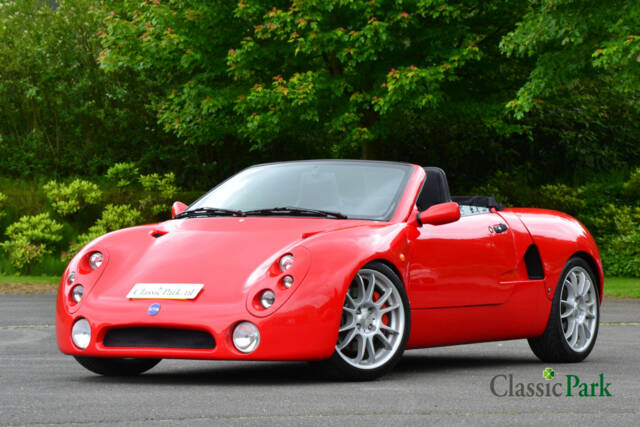
2007 | Westfield Sport 250
Westfield GTM Sports Spyder

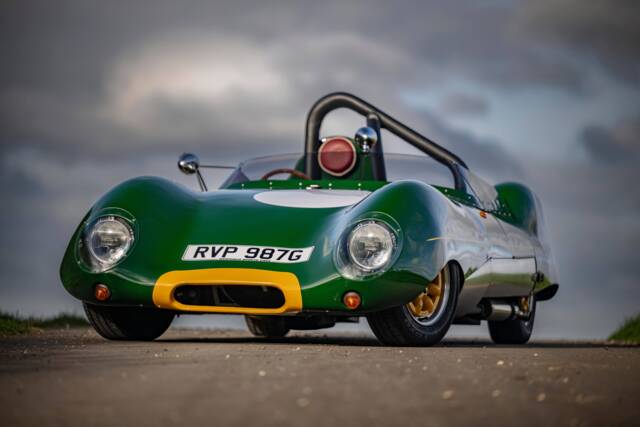
2008 | Westfield Sport 250
1 of 25 Built - Just 4k Miles

Create search alert
Let yourself be notified as soon as a listing is published that matches your search filters.
Create listing
Do you have a Westfield Sport that you want to sell? Then create a listing now.
Create listingWestfield Sport Classic Cars: Prices & Market Values
Introduction and history of Westfield Sport
The Westfield Sport originated in the 1980s as part of the renewed interest in minimalist sports cars, echoing the formula introduced by Lotus. Founded by Chris Smith in 1982, Westfield set out to create roadsters that offer maximum driver involvement and mechanical simplicity. The Sport model, drawing inspiration from the original Lotus Seven, became central to Westfield's offering, positioning itself as a kit car that can be tailored to the builder's preferences while retaining an unmistakably classic character.
Model history
The Westfield Sport is a direct descendant of the wave of lightweight British roadsters that gained popularity among motorsport enthusiasts. Its layout changes little through generations: a front-engine, rear-wheel drive configuration aimed at minimal mass and honest handling feel. There is no direct predecessor or successor, as the model line pursues a continuous evolution, refining chassis, suspension and powertrain compatibility while maintaining the essential look and feel that define the Westfield ethos.
Highlights of the Westfield Sport
A standout feature of the Westfield Sport is the modular nature of its build: owners could select components such as engine and gearbox, tailoring performance to taste. The tubular spaceframe chassis guarantees rigidity and weight savings, while suspension geometry is optimised for sharp handling. The no-frills cockpit provides only the essentials for driving, supporting the goal of maximum involvement. A key part of Westfield's popularity stems from the accessible and engaging experience, both on the road and the track.
Technical data
Special Editions and Collectible Models
Over the years, Westfield has introduced limited run models and variants—often commemorating motorsport achievements or featuring uprated components. Examples include Sport kits with Cosworth engines or track-day specific packages with uprated dampers and lightweight panels. Information about precise production numbers is limited, but rarity is fostered by the builder-customised nature of most cars.
Weak Spots and Common Issues
As with any kit car, the quality of the Westfield Sport depends significantly on the assembly skills of the builder and maintenance history. Potential weak spots include discrepancies in alignment, rust in poorly treated chassis tubes, electrical gremlins from home-wired looms, and wear in suspension components due to aggressive driving. Prospective buyers should scrutinise the build documentation and service records for reliability.
Engine and Performance, Transmission and Handling
Typical Westfield Sports feature lively, naturally aspirated engines with direct throttle response and quick gearing. The power-to-weight ratio, even with modest outputs, delivers brisk acceleration and responsive handling characteristics. The car's minimalist nature means feedback from steering, chassis and brakes is raw and unfiltered, rewarding skilled inputs and punishing mistakes. Manual gearboxes are standard, and limited-slip differentials may appear on performance-oriented builds. Notable powertrain choices include Ford Zetec and Vauxhall XE engines, valued for both performance and tunability. These engines, paired with robust five-speed gearboxes and lightweight bodies, represent the 'sweet spot' of the Westfield Sport range.
Interior, Comfort, Exterior and Design
The exterior of the Westfield Sport follows the classic British roadster template: cycle wings over exposed wheels, long bonnet, compact passenger compartment and minimalist roll-over bar. Interiors are spartan, sometimes featuring only bare metal with racing harnesses and minimal instrumentation—rev counter, speedometer, and the basics for road legality. Various aftermarket seats and steering wheels are seen, depending on builder preference. The body panels are typically GRP (glass-fibre reinforced plastic), painted in bright, period-appropriate colours, though special hues and vinyl graphics are sometimes used. The open nature means weather protection is basic to non-existent, with hood and side screens being optional extras.
Other relevant features
Many Westfield Sports are used for club motorsport such as sprint and hillclimb events, where their agility and power-to-weight advantages shine. Some builds focus on modernising the classic package with digital instrumentation or updated brakes and suspension, making them more usable in regular traffic. Factory support remains good, with many upgrades and replacement parts available.
Summary
The Westfield Sport offers an uncompromising classic motoring experience for drivers seeking minimalism, authentic feedback, and huge personalisation potential. As the only widely recognised model in the Westfield range, it dominates both availability and demand within the brand. Buyers should carefully assess build quality, but in return, receive one of the most honest-to-the-formula interpretations of the British kit car tradition.