Wartburg 313 Classic Cars for Sale
The Wartburg 313/1 is an exceptionally rare cabriolet that was built in Eisenach between 1957 and 1960. With only 469 units produced, and just a handful still in roadworthy, restored condition, this vehicle stands out for its striking design, two-stroke three-cylinder engine, and distinct features such as the detachable hardtop and leather interior.
Search results
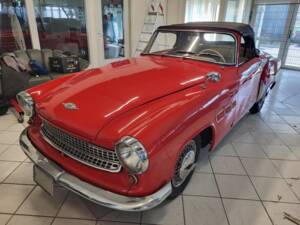
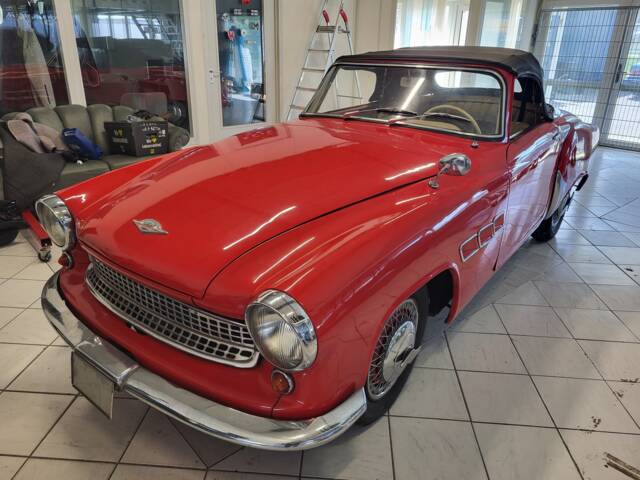
1958 | Wartburg 313/1 Sport
Seltenes DDR-Sportcoupé - fahrbereit, zugelassen, Papiere vollständig

Wartburg 313 listing references from Classic Trader
Below you will find listings related to your search that are no longer available on Classic Trader. Use this information to gain insight into availability, value trends, and current pricing for a "Wartburg 313" to make a more informed purchasing decision.
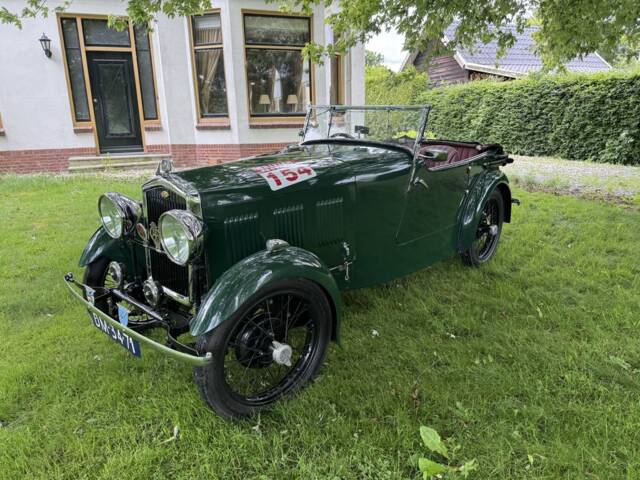
1931 | Wartburg 313/1 Sport
Wolseley Hornet Abbey | 1931 | Route 66 Auctions - For sale by auction. Estimate 13500 EUR

Wartburg 313 Classic Cars: Prices & Market Values
History of the Wartburg 313
The Wartburg 313/1 was manufactured in Eisenach and made its debut at the Leipzig Spring Fair in 1957. Developed as an export-oriented sport cabriolet during a period of automotive ambition in the GDR, its production ran until 1960. Out of the total 469 cars built, about a third were delivered outside East Germany, underpinning its intent as a prestige project. Surviving cars are now extremely scarce, especially those in original, well-restored condition. The 313/1 earned the nickname '190 SL of the East' among enthusiasts for its styling and exclusive character.
Model History of the Wartburg 313 Series
The 313/1 is a special branch within the broader Wartburg family, positioned in parallel to models like the 311 sedan and coupe but aimed at a sportier clientele. Predecessor models include the earlier export roadsters, while the 311 served as a technical foundation, sharing engine and drivetrain components. The 312, produced from 1965, was an evolution with a new chassis but never matched the exclusivity nor the sporting aspirations of the 313/1, which, after 1960, saw no direct successor in the Eisenach lineup.
Highlights and Unique Features of the Wartburg 313
With its remarkably low production run of just 469 units, the Wartburg 313/1 instantly stands out. Notable features include the series three-cylinder two-stroke engine with twin carburettors, an authentic detachable hardtop painted in body colour, and leather-upholstered seats, including leather-clad interior doors. The chromed dummy air intakes on the front fenders were visually striking but purely decorative. The car is further distinguished by its special steering wheel design, with tapered diameter above and below the central spoke. Its raspy exhaust note, a result of the absence of intake silencing, gives it a uniquely raw sound profile. In the context of the Wartburg supply, the 313/1 comprises a minuscule fraction, far exceeded in number by the mainline 311 series models.
Technical Data of the Wartburg 313/1
Special Editions and Notable Models
The Wartburg 313/1 itself is, by all evidence, a special edition within the broader Wartburg range. Unlike the mass-market models from Eisenach, the 313/1 was produced in very limited numbers and targeted at a luxury- and export-oriented audience. Variants are differentiated mainly by their roof options, with the removable hardtop and additional canvas hood being the chief distinctions.
Weak Spots and Common Issues
Due to the very low production volume and distinctive design solutions, sourcing body parts and unique trim for the 313/1 is notably more challenging than for other Wartburg models. The complex two-stroke engine with twin carburetters demands regular maintenance to ensure smooth operation, and improper carburettor tuning can quickly affect drivability. Surviving examples may also suffer from corrosion, especially on the chassis and around mounting points for the removable hardtop, so buyers should watch for evidence of past restoration quality.
Engine, Transmission, and Handling
The three-cylinder, 992 cc two-stroke engine delivers 50PS, providing the 313/1 with respectable acceleration for its era. The twin-carburettor set-up boosts response, while the absence of intake silencing leads to a notably raw engine note. The lightweight body helps the vehicle reach a top speed of 140 km/h. The transmission layout is conventional for the time, and the ride is shaped by the simple but effective chassis derived from the Wartburg 311. Handling is predictable; however, owners value the 313/1 as much for its rarity as for its road manners. The focus is almost exclusively on the 313/1, as other variants in the Wartburg range (such as the 311 and 353) do not share this car's open-bodied sport character or extreme rarity.
Design, Interior, Comfort, and Equipment
The Wartburg 313/1 stands apart thanks to its bodywork: elegant yet restrained, with decorative chrome-embellished air intakes and a unique detachable hardtop painted in exterior colour. The interior is a highlight, with extensive use of real leather for seat upholstery and door linings—unusual for East German vehicles of the era. The steering wheel features a distinctive diameter variance above and below the cross-spoke, lending both visual and tactile interest. Special accessories include the option of a light, rain-deflecting Persenning as an alternative convertible top, in keeping with the model's sporty aspirations. Exterior paintwork can include special colours in period shades, though documentation for such options is rare due to the production context.
Other Noteworthy Features
One third of the total 313/1 production was exported, reflecting the GDR's ambition to earn foreign currency and enhance its automotive prestige abroad. Surviving examples are mostly in collectors' hands, and authentic restoration is a mark of distinction. The '190 SL of the East' nickname alludes to its intended status as a status symbol, albeit with very different mechanical underpinnings than its West German counterparts.
Summary
The Wartburg 313/1 occupies a unique place in East German automotive history: an open sports car with limited production, export orientation, and many hand-crafted details. Its combination of rarity, design features (such as the detachable hardtop and all-leather interior), and distinctive driving characteristics set it apart within the classic car landscape. Few other vehicles from Eisenach of the period offer comparable exclusivity or a direct insight into the aspirations of GDR car manufacturers in the late 1950s.